

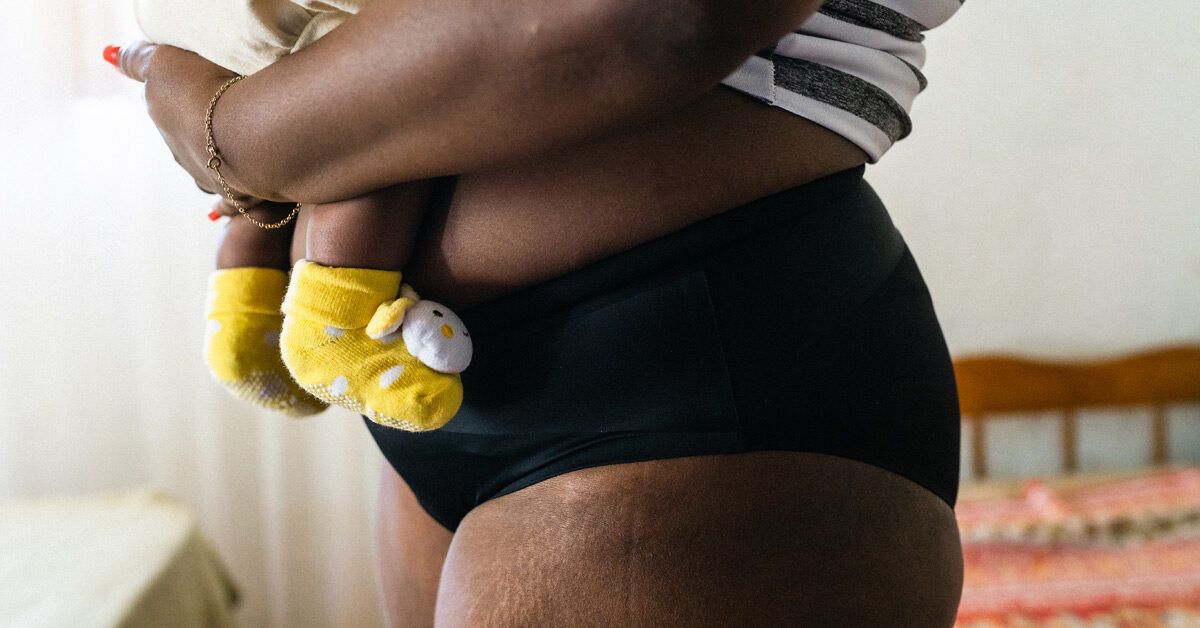
Stretch marks are one of those skin changes that almost nobody invites but plenty of people end up hosting. They may appear during pregnancy, puberty, weight changes, bodybuilding, growth spurts, or certain medical conditions. One day your skin looks familiar; the next, it has a few pink, purple, red, brown, or silvery lines that seem to have moved in without paying rent.
The good news: stretch marks are extremely common, harmless, and nothing to be embarrassed about. The slightly less magical news: they usually cannot be erased completely. Like many scars, they can fade over time, and several treatments may help make them less noticeable. The best approach depends on how new the marks are, your skin tone, your budget, whether you are pregnant or breastfeeding, and how realistic your expectations are.
This guide explains what stretch marks are, why they form, what actually helps, what is mostly marketing glitter, and how to care for your skin without turning your bathroom shelf into a science fair.
What Are Stretch Marks?
Stretch marks, also called striae or striae distensae, are a type of scar that forms when the skin stretches or shrinks quickly. This sudden change can affect collagen and elastin, the proteins that help skin stay firm, flexible, and smooth. When the skin cannot keep up with rapid change, narrow streaks or lines may appear.
New stretch marks often look red, pink, purple, reddish-brown, or dark brown, depending on your skin tone. They may feel slightly raised, itchy, tender, or warm at first. Over time, they usually flatten and fade into lighter, white, silver, or slightly glossy lines. Older stretch marks may feel a little depressed compared with the surrounding skin.
Common Places Stretch Marks Appear
Stretch marks can show up almost anywhere, but they are especially common on areas where the body changes shape quickly. These include the abdomen, breasts, hips, thighs, buttocks, upper arms, lower back, and shoulders. Bodybuilders may notice them around the chest, arms, or shoulders because muscle growth can stretch the skin rapidly. Pregnant people commonly see them on the belly, breasts, hips, and thighs.
What Causes Stretch Marks?
The main cause of stretch marks is rapid stretching or shrinking of the skin. But the story is not quite as simple as “skin stretched, lines appeared.” Genetics, hormones, skin structure, and the pace of body change all play a role. In other words, stretch marks are not a personal failure. They are biology doing biology things, sometimes with dramatic flair.
Pregnancy
Pregnancy is one of the most common times for stretch marks to appear. As the belly and breasts grow, the skin stretches. Hormonal changes may also affect the skin’s elasticity. Some people develop only a few faint lines, while others develop many. Family history matters too, so if close relatives had pregnancy stretch marks, your chances may be higher.
Puberty and Growth Spurts
Teenagers can develop stretch marks during growth spurts. These may appear on the thighs, hips, buttocks, breasts, back, or shoulders. This is normal and does not mean anything is wrong. The body is simply growing faster than the skin can remodel itself.
Weight Gain or Weight Loss
Significant or rapid weight gain can stretch the skin and trigger stretch marks. Rapid weight loss may also make existing marks more visible because the skin changes shape quickly. Gradual, steady weight changes are generally easier on the skin, although they do not guarantee prevention.
Muscle Growth and Bodybuilding
Fast muscle gain can cause stretch marks, especially on the shoulders, chest, arms, and thighs. This is common among athletes and bodybuilders. The marks may start as red or purple streaks and fade with time.
Corticosteroid Use
Long-term or high-strength corticosteroid use can weaken collagen and reduce skin elasticity. This may happen with certain prescription creams, oral medications, or injected steroids. If stretch marks appear suddenly and widely while using corticosteroids, it is worth discussing with a healthcare professional.
Medical Conditions
Some conditions, such as Cushing syndrome, Marfan syndrome, and other disorders that affect hormones or connective tissue, may increase the likelihood of stretch marks. Stretch marks that are unusually wide, widespread, or appear without a clear reason should be checked by a clinician.
Can You Get Rid of Stretch Marks Completely?
Here is the honest answer: usually, no treatment completely removes stretch marks. They are a form of scarring, and scars are stubborn little overachievers. However, many stretch marks fade naturally, and treatments can improve color, texture, and overall visibility.
Newer stretch marks tend to respond better than older ones. Red, pink, purple, or darker active marks may improve more with topical treatments and certain procedures. Older white or silver stretch marks are often harder to treat, but procedures that stimulate collagen, such as laser therapy, microneedling, or radiofrequency, may still help.
Best Treatments for Stretch Marks
The best stretch mark treatment depends on the age and color of the marks, your skin type, medical history, and whether you are pregnant or breastfeeding. A dermatologist can help create a plan that is safe and realistic.
1. Tretinoin and Retinoid Creams
Tretinoin is a prescription retinoid that may help improve newer stretch marks by supporting collagen production. Retinol, a weaker over-the-counter retinoid, may also help early marks, although results are usually modest. These products work best on newer red or purple stretch marks rather than older white ones.
Important safety note: retinoids should generally be avoided during pregnancy, and many clinicians recommend avoiding them while breastfeeding unless your healthcare provider says otherwise. If pregnancy is possible, talk with a medical professional before using tretinoin, retinol, or related vitamin A products.
2. Hyaluronic Acid
Hyaluronic acid is a hydrating ingredient that may help improve the appearance of newer stretch marks. It will not magically iron the skin like a tiny cosmetic steamroller, but it may support moisture and skin texture. It is often found in serums, creams, and lotions and is generally considered gentle for many skin types.
3. Laser and Light Therapy
Laser therapy is one of the more evidence-supported professional options for improving stretch marks. Different lasers are used for different goals. Vascular lasers may help reduce redness in newer marks, while fractional lasers may help improve texture and stimulate collagen in older marks.
Laser treatments usually require multiple sessions, and results vary. Possible side effects include redness, swelling, discomfort, pigment changes, crusting, or, rarely, scarring. People with darker skin tones should choose an experienced dermatologist or laser specialist because some devices carry a higher risk of hyperpigmentation or hypopigmentation if used incorrectly.
4. Microneedling
Microneedling uses tiny needles to create controlled micro-injuries in the skin. This process encourages collagen and elastin remodeling. It may help improve the texture and appearance of stretch marks, including older marks. Some practices combine microneedling with radiofrequency or platelet-rich plasma, although results and costs vary.
Microneedling should be done by a qualified professional, especially for darker skin tones or sensitive skin. At-home rollers are not the same as medical microneedling and can cause irritation, infection, or uneven injury if used aggressively.
5. Microdermabrasion
Microdermabrasion gently exfoliates the outer layer of skin. It may modestly improve skin texture and make stretch marks look a bit softer. It is less powerful than many laser or microneedling treatments, but it may be an option for people who want a lower-intensity procedure.
6. Chemical Peels
Chemical peels use acids such as glycolic acid to exfoliate the skin and encourage renewal. Mild peels may improve texture, while deeper peels carry more risk and downtime. They are not a guaranteed stretch mark solution, but they may be part of a broader treatment plan.
7. Radiofrequency Treatments
Radiofrequency devices use energy to heat deeper layers of the skin and stimulate collagen remodeling. Some treatments combine radiofrequency with microneedling. These procedures may improve firmness and texture, but they require professional evaluation and multiple sessions.
Do Stretch Mark Creams Really Work?
Stretch mark creams are everywhere. They are in drugstores, baby aisles, beauty shops, influencer routines, and possibly hiding behind your shampoo. Some are helpful for moisturizing and reducing itch. Fewer have strong evidence for actually changing stretch marks.
Moisturizers with ingredients like hyaluronic acid, glycerin, ceramides, shea butter, cocoa butter, or petrolatum can keep skin comfortable and reduce dryness. That matters, especially during pregnancy or weight changes when skin may feel tight or itchy. However, cocoa butter, oils, and basic moisturizers have not been proven to completely prevent or erase stretch marks.
If a product promises to “delete stretch marks in seven days,” treat that claim the way you would treat a suspicious email from a prince with banking problems. Be skeptical. Skin remodeling takes time, and no cream can instantly rebuild deep dermal structure.
Can You Prevent Stretch Marks?
There is no guaranteed way to prevent stretch marks. Genetics, hormones, and the speed of skin stretching are powerful factors. Still, some habits may support overall skin health and may reduce the chance of severe marks.
Maintain Gradual Weight Changes When Possible
Rapid weight gain or muscle gain increases skin tension. When possible, aim for gradual changes. During pregnancy, follow your healthcare provider’s guidance for healthy weight gain rather than trying to restrict weight to avoid stretch marks.
Moisturize Consistently
Moisturizing will not guarantee prevention, but it can reduce dryness, tightness, and itching. Apply a fragrance-free cream or ointment after bathing and whenever skin feels uncomfortable. During pregnancy, many people prefer simple products with ceramides, glycerin, petrolatum, or hyaluronic acid.
Support Skin With Nutrition
Skin needs nutrients to repair and maintain itself. A balanced diet with protein, vitamin C, zinc, healthy fats, fruits, vegetables, and adequate fluids can support general skin health. Supplements are not necessary for everyone, and more is not always better, especially during pregnancy. Ask a healthcare professional before taking high-dose supplements.
Use Sunscreen
Sun exposure does not remove stretch marks. In fact, tanning may make stretch marks more noticeable because scar tissue often tans differently than surrounding skin. Use broad-spectrum sunscreen on exposed skin to protect texture and tone.
When Should You See a Doctor?
Most stretch marks do not need medical care. However, you should consider seeing a healthcare professional if stretch marks appear suddenly, cover large areas, are very wide, develop without obvious body changes, or come with symptoms such as easy bruising, muscle weakness, unexplained weight changes, or high blood pressure. These signs may point to hormonal or medication-related causes.
You may also want to see a board-certified dermatologist if your stretch marks affect your confidence or if you are considering treatments such as tretinoin, lasers, microneedling, or radiofrequency. Professional guidance can save money, reduce risk, and prevent you from buying twelve jars of miracle cream that mainly perform miracles for the seller’s profit margin.
Stretch Marks During Pregnancy: What to Know
Pregnancy stretch marks are normal and common. They often appear in the third trimester, although they can show up earlier. The belly, breasts, thighs, hips, and buttocks are common areas. Many marks fade after delivery, but they may not disappear completely.
During pregnancy, avoid retinoids unless your clinician specifically advises otherwise. Instead, focus on comfort: gentle moisturizers, fragrance-free products, soft clothing, and avoiding scratching when skin itches. After pregnancy and breastfeeding, if applicable, you can talk with a dermatologist about treatments such as topical retinoids, laser therapy, or microneedling.
Home Care Tips for Stretch Marks
Home care cannot erase stretch marks, but it can help the skin feel better and look healthier. Keep showers warm rather than very hot, use gentle cleansers, moisturize damp skin, and avoid harsh scrubs on irritated areas. If marks are itchy, a thick moisturizer or bland ointment may help. If itching is severe, ask a clinician before using medicated creams, especially during pregnancy.
For newer stretch marks, consider products with hyaluronic acid or dermatologist-approved retinoids if you are not pregnant or breastfeeding. Apply consistently for several months, because skin changes slowly. Take progress photos in the same lighting once a month rather than checking every morning like a detective investigating your own thighs. Daily inspection makes tiny changes harder to notice.
Realistic Treatment Timeline
Stretch mark improvement takes patience. Moisturizers can reduce dryness quickly, often within days. Tretinoin or retinol may take several months to show visible changes. Laser therapy and microneedling usually require a series of sessions spaced weeks apart. Results continue developing as collagen remodels over time.
A realistic goal is improvement, not perfection. A successful treatment may make stretch marks smoother, lighter, narrower, or less obvious in everyday lighting. Complete disappearance is uncommon. That does not mean treatment failed; it means skin is living tissue, not a photo-editing app.
Experience-Based Tips: Living With and Managing Stretch Marks
Many people first notice stretch marks during a major life change: pregnancy, a teenage growth spurt, starting a fitness program, recovering from weight changes, or dealing with a health condition. The emotional reaction can be surprisingly strong. One person may shrug and move on. Another may feel self-conscious in shorts, swimwear, gym clothes, or intimate moments. Both reactions are valid.
A practical first step is to identify whether the marks are new or old. Newer marks are usually pink, red, purple, or darker than your natural skin tone. They may itch or feel slightly raised. This is the stage when topical treatments like hyaluronic acid or prescription tretinoin may be more useful, assuming tretinoin is safe for you. Older marks tend to be white, silver, or lighter and may need professional procedures for more noticeable improvement.
Another helpful experience-based strategy is to stop chasing every product trend. A simple routine is often better than a crowded one. For example, use a gentle cleanser, apply a hydrating cream daily, protect exposed skin with sunscreen, and choose one evidence-informed active ingredient if appropriate. Switching products every week makes it impossible to know what is helping and may irritate the skin.
If you are considering professional treatment, schedule a consultation before buying a package. Ask what type of stretch marks you have, how many sessions are likely needed, what improvement is realistic, what risks apply to your skin tone, and whether before-and-after photos are available for similar cases. A trustworthy provider will not promise flawless skin. They will explain benefits, limits, downtime, and costs clearly.
For people with darker skin tones, experience matters. Some lasers and aggressive peels can trigger unwanted pigment changes if used carelessly. This does not mean treatment is off the table. It means the provider should understand skin of color and choose settings carefully. Microneedling and certain radiofrequency devices may be considered because they can be useful across a range of skin tones, but professional judgment still matters.
Pregnancy adds another layer. Many people feel pressure to prevent stretch marks, but genetics and hormones are not fully controllable. The most realistic goal during pregnancy is comfort and skin support. Use a gentle moisturizer, manage itch, follow prenatal care advice, and avoid unsafe ingredients like retinoids. After delivery, marks often fade. If they still bother you later, there are more treatment options to discuss.
Fitness-related stretch marks can also be reframed. If they appeared during strength training, they may be signs that your body changed quickly. That does not mean you must love them, but it can help reduce frustration. Slowing the pace of muscle gain, keeping skin moisturized, and allowing recovery time may help reduce new marks while your body adapts.
Finally, remember that stretch marks are common across genders, ages, and body types. They are not proof that you did something wrong. They are a record of change: growth, strength, pregnancy, healing, hormones, or simply being human in skin that has a demanding job. Treat them if you want to. Leave them alone if you want to. Either way, your skin is not defective because it kept up with your life the best way it could.
Conclusion
Stretch marks are common, harmless scars that form when skin stretches or shrinks faster than collagen and elastin can adjust. They often happen during pregnancy, puberty, weight changes, muscle growth, corticosteroid use, or certain medical conditions. While they usually cannot be removed completely, they often fade over time and can become less noticeable with the right care.
The most helpful treatments depend on whether the marks are new or old. Hyaluronic acid and retinoids may help early stretch marks, while laser therapy, microneedling, microdermabrasion, chemical peels, and radiofrequency treatments may improve texture and color. Pregnant people should avoid retinoids and focus on safe, gentle moisturization. For the best results, talk with a dermatologist, keep expectations realistic, and remember that stretch marks are normal skin historynot a character flaw.