

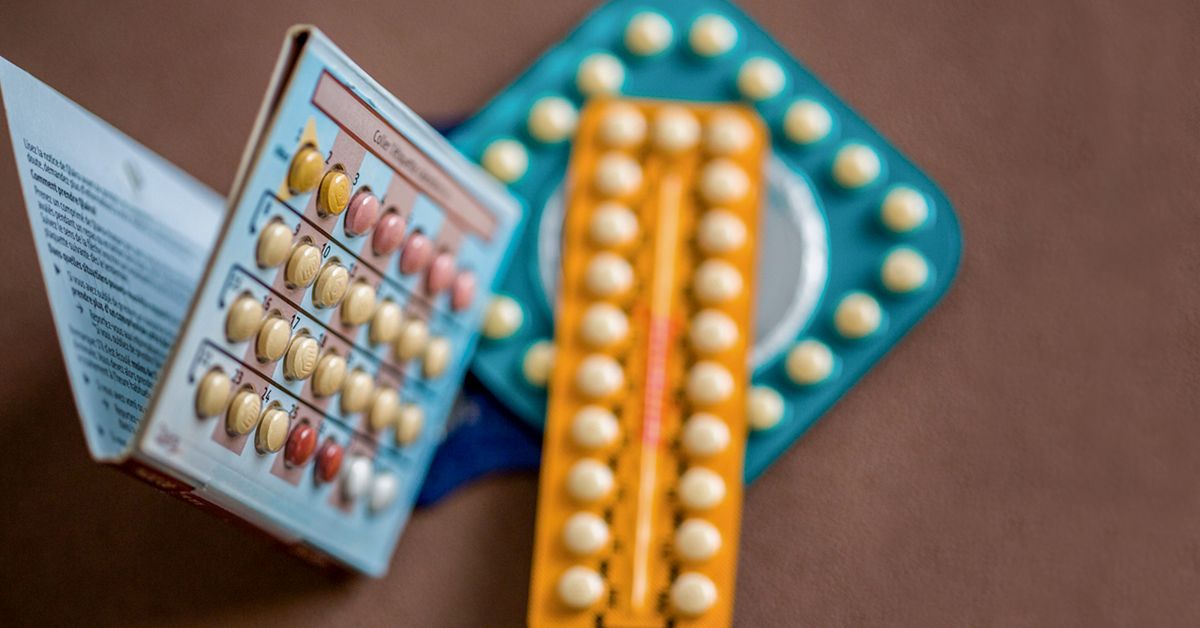
Changing birth control pills can feel like reorganizing your closet in the dark: you know there is probably a better arrangement, but you would prefer not to create chaos while getting there. Fortunately, switching pills is usually straightforward. The main goals are to avoid an unnecessary gap in pregnancy protection, understand the instructions for the new pill, and watch for side effects that deserve medical attention.
You might switch because of spotting, headaches, acne, mood changes, breastfeeding, medication interactions, cost, insurance coverage, or a schedule that makes your current pill difficult to take consistently. Whatever the reason, the best transition is not necessarily the fanciest one. It is the one that is medically appropriate, clearly planned, and easy enough to follow on an ordinary Tuesday.
Why Do People Switch Birth Control Pills?
There is no single “best birth control pill” for everyone. Two pills may be equally effective at preventing pregnancy yet feel very different because they contain different hormones, doses, or dosing schedules.
Side effects have become disruptive
Common reasons for changing pills include persistent breakthrough bleeding, nausea, breast tenderness, headaches, acne, bloating, reduced libido, or mood changes. Mild symptoms often improve during the first few cycles, but you do not receive a medal for silently enduring a pill that continues to make daily life miserable.
Your health history has changed
A new diagnosis of high blood pressure, migraine with aura, liver disease, breast cancer, or a blood-clotting condition can change which pills are appropriate. Smoking also matters, particularly for people age 35 or older who are considering an estrogen-containing pill.
Your daily routine no longer matches the pill
Some progestin-only pills must be taken within a relatively narrow time window. If work shifts, travel, parenting, or general human forgetfulness make that difficult, another formulation may be easier to use correctly.
You want different noncontraceptive benefits
Depending on the formulation, birth control pills may help reduce menstrual cramps, heavy bleeding, acne, or cycle-related symptoms. A clinician may suggest switching when the current pill prevents pregnancy but does not adequately address another treatment goal.
Cost or availability has changed
Insurance formularies, pharmacy supply, prescription access, and brand pricing can all affect pill choice. A generic alternative may contain the same active ingredients, while a different formulation may require a new transition plan.
Know Which Type of Pill You Are Leaving and Starting
Before changing anything, look at the label on both packages. The color of the box is not enough. Write down the active ingredients, hormone doses, number of active pills, and number of inactive pills.
Combination birth control pills
Combination pills contain estrogen and a progestin. Many packages contain 21 to 24 active pills followed by several inactive or low-dose pills. Extended-cycle and continuous-use products may follow different schedules.
Combination pills primarily prevent ovulation. They also thicken cervical mucus and alter the uterine lining. Estrogen-containing pills are not appropriate for everyone, so a current blood pressure reading and an updated health history are important.
Progestin-only pills
Progestin-only pills, sometimes called mini-pills, do not contain estrogen. In the United States, these include norethindrone, norgestrel, and drospirenone products. They do not all have identical late-pill rules or backup requirements.
Norethindrone and norgestrel pills depend heavily on consistent daily timing and have a shorter missed-pill window. Drospirenone pills use a different schedule and generally provide a wider timing margin. Always read the new package insert rather than assuming that every mini-pill behaves like the last one.
Monophasic and multiphasic pills
Monophasic pills provide the same hormone dose in each active tablet. Multiphasic pills change the dose during the pack. With a multiphasic product, taking tablets in the correct order is especially important. Do not casually mix leftover pills from different packs as though you are assembling a pharmaceutical trail mix.
What to Check Before Switching Pills
A brief preparation step can prevent confusion, contraceptive gaps, and avoidable pharmacy calls.
Review your medical history
Tell your healthcare professional about new or worsening migraines, especially migraines with visual or neurologic aura; high blood pressure; smoking; diabetes with vascular complications; blood clots; stroke; heart disease; major surgery with prolonged immobility; liver disease; unexplained vaginal bleeding; and current or previous breast cancer.
Seek professional guidance before starting an estrogen-containing pill if you are recently postpartum or breastfeeding. The safest timing depends on how recently you delivered and whether you have additional risk factors for blood clots.
Review every medication and supplement
Bring a complete list of prescription medicines, over-the-counter products, vitamins, and herbal supplements. Certain seizure medicines, some HIV treatments, rifampin and related antibiotics, and St. John’s wort can reduce the effectiveness of hormonal contraception. Most routine antibiotics do not interfere with the pill, but guessing which antibiotic you received is not a reliable contraceptive strategy.
Vomiting or severe diarrhea may also reduce absorption of an oral contraceptive. Follow the product’s missed-pill directions and ask whether backup contraception is needed.
Consider whether pregnancy is possible
Tell your clinician if you had unprotected sex, missed pills, extended the inactive-pill interval, or started a pack late. A pregnancy test may be appropriate, although a very early pregnancy may not appear on a test immediately.
If unprotected sex occurred during a lapse in protection within the previous five days, ask promptly about emergency contraception. Timing matters, and ulipristal emergency contraception requires different restart instructions than levonorgestrel emergency contraception.
Get the new pack before stopping the old one
Do not discontinue your current pill and then begin the administrative treasure hunt of finding a new prescription. Ideally, have the new pack, written instructions, and backup contraception available before making the switch.
How to Switch Birth Control Pills Step by Step
Step 1: Confirm the exact transition date
Your prescriber or pharmacist may recommend a direct switch, a quick start, or a switch after completing the active tablets in your current pack. Record the date in your calendar and set an alarm for the first new pill.
Step 2: Avoid extending the hormone-free interval
For many pill-to-pill changes, the simplest approach is to take the first active tablet of the new pill the day after the last active tablet of the old pill. This creates no extra hormone-free gap. You usually do not need to wait for a menstrual period before starting the new pill if pregnancy can reasonably be ruled out.
Some people are instructed to finish the entire old pack, including its scheduled inactive days, and begin the new pack on the normal start date. That can be appropriate when the old pills were taken correctly, but never add extra inactive days unless a healthcare professional specifically directs you to do so.
Step 3: Use backup contraception when required
Backup recommendations depend on the new pill and when it is started:
- Starting a combination pill: If it has been more than five days since menstrual bleeding began, use condoms or avoid vaginal intercourse for the next seven days.
- Starting a norethindrone or norgestrel progestin-only pill: If it has been more than five days since menstrual bleeding began, use backup contraception for two days.
- Starting a drospirenone progestin-only pill: If it has been more than one day since menstrual bleeding began, use backup contraception for seven days.
Your previous method may sometimes be continued briefly while the new pill becomes effective. Because individual situations vary, use the more cautious plan provided by your prescriber, pharmacist, or product instructions.
Step 4: Take the new pill exactly as directed
Choose a daily time connected to something you already do, such as brushing your teeth, feeding a pet, or starting your morning coffee. Use a phone alarm, pill-tracking app, or visible calendar.
The same-time rule is particularly important for norethindrone and norgestrel progestin-only pills. Do not apply the timing rules from a combination pill or drospirenone pill to a traditional mini-pill.
Step 5: Keep the package instructions
Save the insert or photograph the missed-pill section. Instructions vary according to formulation, the number of tablets missed, and the week of the pack. Generic advice from a friend may be excellent for choosing a restaurant and less excellent for managing a missed contraceptive dose.
Common Pill-Switching Scenarios
Switching from one combination pill to another
A direct transition without extra inactive days is commonly used. Take the final active pill from the old package and begin the first active pill from the new package the following day, unless your clinician provides another schedule. Temporary spotting or a skipped withdrawal bleed can occur.
Switching from a combination pill to a progestin-only pill
The progestin-only pill can generally be started immediately when pregnancy is reasonably excluded. Starting it the day after the last active combination pill helps avoid a gap. Follow the two-day or seven-day backup rule that applies to the specific progestin-only formulation.
Switching from a progestin-only pill to a combination pill
A combination pill can generally be started immediately rather than waiting for a period. If it has been more than five days since menstrual bleeding started, use backup contraception for seven days.
Switching in the middle of a pack
You do not always need to finish the current pack. A mid-pack change may be reasonable when side effects, access problems, or medical concerns require a faster transition. However, changing mid-pack makes bleeding less predictable and requires careful backup planning.
Changing the time of day
For a combination pill, moving the dose earlier is usually simpler than moving it much later. Progestin-only pills require closer attention to the product-specific late-pill window. Ask a pharmacist how to shift the time without accidentally creating a missed dose.
Switching after emergency contraception
Hormonal contraception can generally be started or resumed immediately after levonorgestrel emergency contraception, followed by the recommended backup period. After ulipristal acetate, hormonal contraception is usually delayed for five days because starting hormones too soon may reduce ulipristal’s effect. Use condoms or avoid intercourse during the delay and for the required period after restarting.
What to Expect After Changing Pills
Your body does not need a hormonal “detox,” cleanse, or ceremonial farewell to the old pill. It may, however, need time to adjust to a new dose or progestin.
Breakthrough bleeding
Spotting is one of the most common changes during the first several cycles. It does not automatically mean that the pill has failed. Take the pills on schedule and avoid repeatedly stopping and restarting, which can make bleeding even less predictable.
Changes in scheduled bleeding
Your withdrawal bleed may arrive early, arrive late, become lighter, or disappear. The bleeding during inactive pills is caused by a drop in hormones and is not identical to a natural menstrual period.
Nausea, breast tenderness, or headaches
These symptoms often improve after the body adjusts. Taking the pill with food or before bed may help with mild nausea. New severe headaches, neurologic symptoms, or a major change in your migraine pattern should be evaluated promptly.
Skin and mood changes
Acne may improve or worsen depending on the formulation and your individual response. Mood changes deserve attention, especially when they interfere with sleep, work, relationships, or safety. Contact a healthcare professional promptly for severe depression, panic, suicidal thoughts, or other alarming mental health symptoms.
When to Seek Urgent Medical Care
Serious complications are uncommon, but estrogen-containing pills can increase the risk of blood clots, stroke, and cardiovascular problems in susceptible people. Seek emergency care for:
- Sudden chest pain, shortness of breath, coughing blood, or fainting
- Severe pain, swelling, warmth, or redness in one leg
- A sudden severe or unusual headache
- New weakness, numbness, confusion, difficulty speaking, or facial drooping
- Sudden vision loss, major visual changes, or a new neurologic aura
- Severe abdominal pain, yellowing of the skin or eyes, or other signs of liver trouble
Contact your healthcare professional for extremely heavy bleeding, bleeding lasting longer than expected, persistent vomiting, suspected pregnancy, or side effects that remain disruptive after several cycles.
How to Decide Whether the New Pill Is a Better Fit
Unless you develop a serious symptom, give the new pill enough time to show a pattern. Tracking two or three cycles can help distinguish a temporary adjustment from an ongoing problem.
Record:
- Bleeding and spotting days
- Headaches or migraine symptoms
- Mood, sleep, and energy changes
- Acne and other skin changes
- Nausea, breast tenderness, or bloating
- Missed or late pills
- Blood pressure readings when recommended
Judge the pill according to your priorities. A formulation that produces clear skin but is impossible to remember may not be a practical success. The most effective pill is usually the medically appropriate one that you can take consistently.
Frequently Asked Questions About Switching Birth Control Pills
Can switching pills cause pregnancy?
The switch itself does not cause pregnancy. Risk increases when there is an unprotected gap, the new pill is started late, backup contraception is skipped, or pills are missed before or after the transition.
Will I get my period during the switch?
Maybe. You might experience spotting, a withdrawal bleed, delayed bleeding, or no bleeding. Bleeding patterns alone cannot confirm whether you are pregnant, so test when pregnancy is possible.
Do birth control pills cause weight gain?
Research has not shown substantial weight gain from most modern birth control pills. Temporary fluid retention, appetite changes, and normal weight fluctuations may still occur. A sudden or significant change deserves a broader health evaluation rather than automatically blaming the pill.
How quickly does fertility return after stopping the pill?
Ovulation can return quickly, sometimes before the first natural period. You do not need to “clear” the hormones from your body for several months before pregnancy can occur.
Do pills protect against sexually transmitted infections?
No. Birth control pills help prevent pregnancy but do not protect against HIV, chlamydia, gonorrhea, herpes, or other sexually transmitted infections. Condoms can provide additional protection.
Experiences From the Real World: What Switching Can Feel Like
The following are illustrative composite experiences based on commonly reported situations. They are not individual medical records and should not be treated as personalized medical advice.
The “Why Am I Spotting Again?” Experience
Maya changed from a combination pill with a seven-day inactive interval to a lower-dose product with only four inactive tablets. Her clinician recommended a direct switch, so she took the first new active pill immediately after the last active pill in her old pack.
During the second week, she noticed light spotting and assumed the new pill was not working. After reviewing the instructions with a pharmacist, she learned that irregular bleeding can occur while the uterine lining adjusts. She continued taking the pills correctly, used the backup method originally recommended, and tracked the bleeding. By the third pack, the spotting had largely disappeared.
Her biggest lesson was that unexpected bleeding is inconvenient, but it is not automatically an emergency or evidence of contraceptive failure.
The “My Alarm Is Now Part of the Relationship” Experience
Jordan switched from a combination pill to a traditional progestin-only pill because estrogen was no longer considered appropriate. The new pill required much stricter daily timing.
At first, Jordan relied on memory. Memory, unfortunately, had other plans. A phone alarm was dismissed during a meeting, and the dose was taken several hours late. After checking the package instructions, Jordan followed the missed-pill directions and used backup contraception.
The routine improved after the pill was linked to an evening task that happened at home every day. Jordan also kept a spare package insert in a travel bag. The lesson was simple: choosing a safe pill is only half the job; building a routine that survives busy days is the other half.
The “Clearer Skin, Confusing Calendar” Experience
Elena changed pills partly to improve hormonal acne. Her skin did not transform overnight, and her first withdrawal bleed arrived later than expected. She took a home pregnancy test because she had experienced a late pill near the transition. The result was negative, but she repeated the test at the time recommended by her healthcare professional.
Over the next three months, her bleeding became more predictable and her acne gradually improved. Keeping photographs and a symptom calendar helped her judge the trend more objectively. Otherwise, every new pimple had been receiving the investigative attention of a major criminal case.
The “Pharmacist Caught the Interaction” Experience
Priya planned to switch pills because her preferred brand was no longer covered by insurance. During the pharmacy consultation, she mentioned a new seizure medication. The pharmacist recognized that the medicine could reduce the effectiveness of certain hormonal contraceptives and contacted her prescriber.
Instead of making a routine brand substitution, the healthcare team discussed alternatives that would not be affected in the same way. Priya’s experience illustrates why medication reviews should include supplements and recently started drugs, even when they seem unrelated to reproductive health.
The “I Expected a Perfect First Month” Experience
Alex switched because the old pill caused persistent nausea. The nausea improved quickly, but the new pill brought breast tenderness and mild headaches during the first pack. Alex was disappointed because the switch had been imagined as an instant upgrade with no adjustment period.
A clinician reviewed the symptoms, checked blood pressure, and found no warning signs. Alex continued the pill while tracking symptoms. The tenderness settled during the second pack, and the headaches became less frequent. The new pill was not perfect on day one, but it ultimately became a better fit.
These experiences share a theme: successful switching depends on preparation, realistic expectations, consistent dosing, and knowing when to ask for help. A little spotting or schedule confusion may be manageable. Chest pain, neurologic symptoms, severe mood changes, or other warning signs are not situations to “wait out.”
Conclusion
Switching birth control pills does not have to create a gap in pregnancy protection. In many cases, the new pill can begin immediately or directly after the last active pill from the old package. The exact backup period depends on whether the new product is a combination pill, a norethindrone or norgestrel progestin-only pill, or a drospirenone progestin-only pill.
Review your health history, medications, pregnancy risk, and product instructions before making the change. Expect that spotting, altered withdrawal bleeding, nausea, breast tenderness, headaches, or skin changes may occur temporarily. Give ordinary adjustment symptoms time, but seek medical care promptly for severe or unusual warning signs.
Most importantly, choose a pill that is safe for your health and realistic for your routine. A contraceptive schedule that works only on perfectly organized days is not much of a plan, because perfectly organized days are apparently an endangered species.