

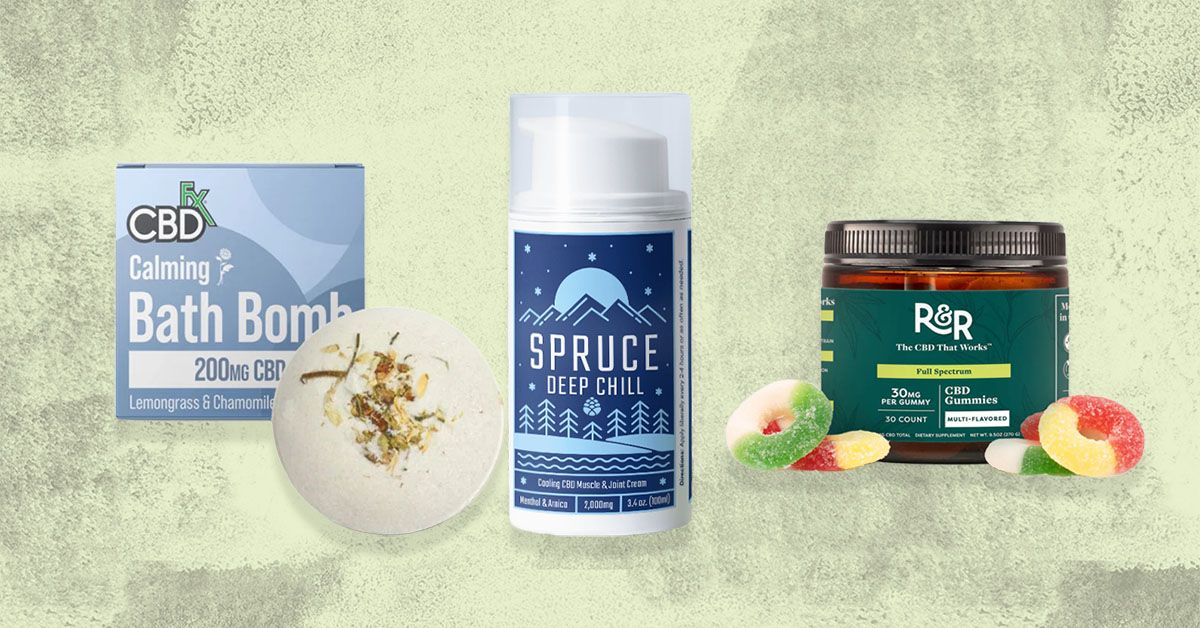
CBD is often marketed as though it can solve everything from bad sleep to a broken printer. Neuropathy deserves a more careful conversation. Burning feet, tingling, electric-shock pain, numbness, and sleepless nights are real symptoms, but a glossy CBD label is not a diagnosis or a cure.
This 2025 guide identifies five CBD products with clear labels, practical formats, and accessible testing information. It does not claim that CBD treats, reverses, or repairs neuropathy. Evidence for CBD alone in nerve pain is limited and mixed: a small trial of topical CBD in painful diabetic neuropathy suggested possible benefit, while a later placebo-controlled study of CBD isolate cream for chemotherapy-related neuropathy did not find a meaningful advantage over placebo. That means “interesting,” not “case closed.”
What “Best” Means in This CBD Guide
For this list, “best” means a better fit within a product categorynot proven medical superiority. The products were chosen for transparent CBD and THC amounts, clear ingredients, current batch-specific certificates of analysis (COAs), and formats that make practical sense for either localized comfort or a carefully considered oral trial.
A quick reality check: menthol and capsaicin can create cooling or warming sensations. When a CBD topical feels helpful, those ingredients may be doing part of the work. That is not a bad thing; it is simply a reason not to credit the CBD with every dramatic tingle.
For people with diabetes, foot safety comes first. Do not apply a CBD product to a foot ulcer, broken skin, rash, suspected infection, or skin with poor circulation without medical approval. Numbness can hide injuries, and a peppermint-scented cover-up is still a cover-up.
The 5 Best CBD Products for Neuropathy in 2025
Editorial note: Formulas, prices, availability, and lab reports change. Check the current product page and COA before purchasing.
1. Medterra Pain Relief Cream Best for a Localized, Non-Oral Trial
Why it stands out: Medterra’s Pain Relief Cream combines CBD with menthol and arnica in a pump topical. Its product information lists 500 mg and 1,000 mg options and identifies menthol as an active ingredient for temporary relief of minor aches and pains. That matters: the product’s cooling effect is not proof that CBD is treating damaged nerves.
Best for: A person with discomfort in one intact external area who wants to test a topical routine without swallowing CBD. Avoid eyes, mucous membranes, broken skin, and very numb areas. Wash hands after applying; menthol in the eyes is an unusually efficient route to instant regret.
2. Lazarus Naturals Fragrance-Free CBD Balm Stick Best for Simple, Sensitive-Skin Application
Why it stands out: This portable full-spectrum balm uses a simple base with ingredients such as jojoba oil and beeswax, without added fragrance. The stick format allows precise, low-mess application and may suit people who dislike strong scents or slippery lotions.
Best for: Intact skin and people who want an unscented, targeted topical. Watch-out: Full-spectrum hemp extracts may contain trace THC. This is not a practical pick for someone facing workplace drug testing or trying to avoid THC completely. Read the current COA rather than trusting a cheerful front label.
3. Lazarus Naturals Relief + Recovery CBD Muscle Gel Best Cooling-and-Warming Option
Why it stands out: This gel combines full-spectrum CBD, menthol, and capsaicin for a cooling-then-warming sensation. It is better viewed as a comfort product for muscular tension around a painful area than as a nerve treatment.
Best for: Adults with intact skin and normal enough sensation to notice irritation. Watch-out: Capsaicin and menthol can sting. Patch-test first, use the smallest label-directed amount, and do not add a heating pad or tight bandage unless the label and a clinician say it is safe. If you have reduced sensation in your feet, choose caution over “extra strength.”
4. Medterra Enhanced Relief Broad Spectrum CBD Oil Best THC-Free Oral Category
Why it stands out: Medterra’s broad-spectrum oil is designed to provide CBD plus other hemp compounds without THC. A measured dropper is easier to track than a gummy, which can matter when you are monitoring side effects or discussing a trial with a clinician.
Best for: An adult who has discussed oral CBD with a pharmacist or clinician and wants a THC-free label. Watch-out: Oral CBD reaches the bloodstream and can interact with medicines or increase drowsiness with alcohol and sedating drugs. “THC-free” also does not equal “guaranteed drug-test safe,” because quality and cross-contamination problems exist across the broader market.
5. Cornbread Hemp Distilled USDA Organic CBD Oil Best Full-Spectrum Pick for Label Clarity
Why it stands out: Cornbread Hemp’s distilled USDA Organic CBD Oil has a straightforward panel: one dropper serving lists 25 mg CBD and 0.5 mg THC, with organic hemp flower extract and MCT oil. The company provides batch-specific third-party lab reports, which is a major plus in a category where some labels have historically been more haiku than hard data.
Best for: Adults cleared to use an oral hemp product who understand the THC trade-off. Watch-out: Skip it if you must avoid THC, have a pending drug test, drive after use, or are new to cannabinoids without professional guidance. Full-spectrum does not automatically mean more effective for neuropathy.
CBD for Neuropathy: What the Evidence Actually Says
Neuropathy is a broad term for nerve damage. Diabetes is a common cause, but chemotherapy, alcohol use, vitamin deficiencies, autoimmune disease, infections, inherited conditions, and some medicines can also be involved. Because the causes differ, the smartest treatment plan is never a copy-and-paste job.
Research on “cannabis for pain” can be misleading when it is treated as one giant bucket. Some studies examine THC-containing medicines, mixed cannabinoid products, or smoked cannabis; others examine CBD alone. Evidence from a THC-containing prescription spray cannot be casually borrowed to prove that a hemp gummy will relieve burning feet.
The limited CBD-specific research is mixed. One small randomized trial involving painful diabetic peripheral neuropathy found improvements in some pain measures after four weeks of topical CBD. A 2024 pilot trial in established chemotherapy-induced peripheral neuropathy did not support a CBD isolate cream over placebo. Larger, better-designed studies are needed before CBD can be called a reliable neuropathy treatment. Science is slow, but it is still faster than believing every online review.
How to Choose a CBD Product Without Getting Bamboozled
Read the COA
A certificate of analysis should match the specific product batch through a QR code, lot number, or product page. It should show CBD and THC amounts and ideally include screening for heavy metals, pesticides, residual solvents, mold, and microbes. A missing, generic, or stale COA is a very reasonable reason to walk away.
Choose the Route Before Marketing Chooses It for You
Topicals are practical for localized comfort on a small patch of intact skin. Oils and tinctures have more potential for whole-body effects and medication interactions. Gummies are convenient, but their fixed serving sizes can make small adjustments harderand their extra ingredients rarely help neuropathy beyond making the jar taste like a candy store.
Understand the Spectrum Labels
Full-spectrum CBD contains CBD plus other hemp compounds and legally limited THC. Broad-spectrum CBD includes multiple hemp compounds but is formulated without THC. CBD isolate is purified CBD. None of these labels guarantees pain relief; the practical choice is usually about THC exposure, drug testing, sensitivity, and whether the brand proves what is inside.
A Safer Way to Try CBD for Nerve Pain
Get the diagnosis right before trying to manage the symptom. New numbness, weakness, balance trouble, foot wounds, sudden severe pain, or one-sided symptoms deserve medical attention. CBD should never delay evaluation for diabetes, vitamin B-12 deficiency, thyroid problems, medication effects, or another treatable cause.
Use one new product at a time and keep a short daily record of pain, tingling, sleep, balance, skin reactions, fatigue, and medication changes. Decide in advance what “worth it” means. A product that makes you dizzy or unsteady may be a poor trade, even if discomfort feels slightly duller. Neuropathy already increases fall risk; it does not need a woozy sequel.
Experiences With CBD for Neuropathy: Five Realistic Scenarios
The examples below are composite educational scenarios, not patient endorsements, clinical results, or promises of relief.
1. Burning feet at bedtime: A 62-year-old with diabetes finds nighttime unbearable: sheets feel abrasive, socks feel offensive, and small sensations suddenly have a megaphone. Instead of buying a maximum-strength gummy on impulse, they ask their clinician to review their foot care, glucose management, and current pain plan. With clearance, they try an unscented topical on intact skin. Their notes show that the short massage routine helps them settle before bed, while numbness remains unchanged. That is still useful information. Comfort and cure are not the same thing.
2. The medication-interaction check: A 48-year-old takes prescriptions for nerve pain, sleep, and blood pressure and considers an oral CBD oil after reading rave reviews. Their pharmacist flags the possibility of medication interactions and added drowsiness. Rather than stacking bottles like pancakes, they pause. “Not yet” is not a failure; it is a successful near-miss when alertness and fall prevention matter.
3. The natural-product surprise: A runner with tingling after chemotherapy tries a warming CBD gel. The first application feels strong; the second, used after a hot shower, feels far too intense. They stop and learn that plant-based is not code for frictionless or gentle. Menthol, capsaicin, fragrance ingredients, and massage can all irritate sensitive skin. Stronger sensation is not the same as stronger treatment.
4. The full-spectrum trade-off: A warehouse supervisor likes the simple label on a full-spectrum CBD oil, then remembers random employment drug testing. A small amount of THC may be acceptable for one adult and a career risk for another. They decide against it. This is why THC information belongs before the checkout button, not in microscopic print after it.
5. Measuring success honestly: A 70-year-old tests a clinician-approved topical for two weeks. Their pain score barely moves, but the nightly routine becomes more consistent. They and their clinician separate the possible contributors: perhaps the balm is soothing, perhaps massage and routine help more, perhaps symptoms naturally fluctuate. They keep only what is safe, affordable, and clearly useful. That is better consumer judgment than chasing a dramatic one-night miracle.
The shared lesson is not that CBD works the same way for everyone. It is that a cautious, documented trial protects you from two expensive mistakes: assuming a supplement is a cure and assuming “natural” means harmless.
Final Takeaway
The best CBD product for neuropathy is not necessarily the highest-potency bottle or the loudest reviewer. It is a transparent product that fits your risks, does not disrupt essential care, and earns its place through a cautious trial. Topicals may be a more practical starting point for localized comfort on intact skin; oral CBD deserves a much closer look at interactions, THC exposure, and drowsiness.
CBD should sit besidenot replacemedical evaluation and evidence-based neuropathy care. Seek prompt care for worsening numbness, balance changes, a new foot wound, spreading redness, fever, sudden weakness, or trouble walking. Your nerves are not asking for a miracle. They are asking for attention.