

Note: This article is for general educational purposes only and should not replace personalized medical advice. If you have diabetes, especially if you use insulin or medications that can cause low blood sugar, talk with your doctor or a registered dietitian before making major diet changes.
Finding the best diet for diabetes can feel like trying to solve a mystery while someone keeps moving the clues. One person swears by Mediterranean meals, another says low-carb changed their life, and your uncle’s neighbor’s dog walker insists cinnamon fixes everything. Spoiler: it does not. Diabetes nutrition is not about chasing a magical menu. It is about building an eating pattern that helps manage blood sugar, supports heart health, fits your real life, and does not make dinner feel like a punishment.
The truth is refreshingly practical: there is no single “perfect” diabetes diet for everyone. The best eating plan depends on your blood glucose targets, medications, weight goals, activity level, budget, culture, cooking skills, and personal preferences. Still, some diets consistently rise to the top because they emphasize whole foods, fiber, lean protein, healthy fats, and steady carbohydrate intake. Others deserve a raised eyebrow because they rely on processed foods, sugary drinks, extreme restriction, or promises that sound like they were written by a blender with Wi-Fi.
What Makes a Diet Diabetes-Friendly?
A diabetes-friendly diet is not simply “low sugar.” Blood sugar is affected most directly by carbohydrates, but the quality, amount, timing, and pairing of those carbohydrates matter. A bowl of lentils and a glass of soda both contain carbs, but your body does not treat them like identical twins. Lentils bring fiber, protein, minerals, and slow digestion. Soda arrives like a glucose fireworks show.
Most strong diabetes eating patterns share a few features. They include plenty of non-starchy vegetables such as leafy greens, broccoli, peppers, mushrooms, zucchini, and cauliflower. They choose high-fiber carbohydrates like beans, lentils, oats, barley, berries, brown rice, quinoa, and whole-grain bread. They include protein from fish, poultry, eggs, tofu, Greek yogurt, beans, and lean meats. They favor unsaturated fats from olive oil, nuts, seeds, avocado, and fatty fish. They also limit added sugars, refined grains, highly processed snacks, sugary drinks, excess sodium, and saturated fat.
The Best Diets If You Have Diabetes
1. The Mediterranean Diet: Best Overall for Real-Life Eating
The Mediterranean diet is often considered one of the best diets for diabetes because it is less of a strict “diet” and more of a delicious pattern of eating. It focuses on vegetables, fruits, beans, lentils, whole grains, nuts, seeds, olive oil, herbs, fish, seafood, and smaller amounts of dairy, eggs, and poultry. Red meat and sweets are limited rather than treated like villains in a superhero movie.
For people with diabetes, the Mediterranean diet shines because it supports blood sugar control and heart health at the same time. That matters because diabetes increases the risk of cardiovascular disease. A typical diabetes-friendly Mediterranean plate might include grilled salmon, roasted vegetables, a small serving of quinoa, a cucumber-tomato salad, and a drizzle of olive oil. It feels like dinner, not a spreadsheet.
The key is portion control. Whole grains, beans, and fruit are nutritious, but they still contain carbohydrates. A Mediterranean diet works best when carbs are high quality and balanced with protein, fiber, and healthy fat.
2. The DASH Diet: Best for Diabetes and Blood Pressure
DASH stands for Dietary Approaches to Stop Hypertension, but it is not only for blood pressure. It can also be a smart choice for people with diabetes, especially those managing high blood pressure or heart risks. DASH emphasizes fruits, vegetables, whole grains, low-fat dairy, lean proteins, beans, nuts, and lower sodium choices.
A diabetes-friendly DASH meal could be turkey chili with beans, a side salad, and a small portion of brown rice. Another example is oatmeal topped with berries and walnuts. The fiber helps slow digestion, the protein improves fullness, and the lower sodium approach supports cardiovascular health.
The main caution is that DASH can be higher in carbohydrates if portions are not planned carefully. Fruit, milk, yogurt, beans, and grains all count. That does not make them bad; it means they should be distributed thoughtfully across meals.
3. The Diabetes Plate Method: Best for Beginners
The Diabetes Plate Method is wonderfully simple, which is why it deserves a gold star and maybe a tiny parade. Use a standard plate. Fill half with non-starchy vegetables, one quarter with lean protein, and one quarter with quality carbohydrates. Add water or another unsweetened drink. Done. No calculator required.
For example, half your plate could be roasted broccoli and peppers, one quarter grilled chicken, and one quarter sweet potato or brown rice. Another version might be tofu, stir-fried vegetables, and a small serving of soba noodles. This method helps with portion control while still allowing foods you enjoy.
The plate method is especially helpful for people who feel overwhelmed by carb counting. It is visual, flexible, and easy to use at home, restaurants, school, work, or family gatherings where someone always brings “just one little dessert” the size of a sofa cushion.
4. A Moderate Low-Carb Diet: Best for Some Blood Sugar Goals
Low-carb diets can help some people with diabetes reduce post-meal blood sugar spikes and improve weight management. But “low-carb” does not automatically mean “healthy.” A thoughtful low-carb diet includes non-starchy vegetables, lean protein, nuts, seeds, Greek yogurt, tofu, fish, eggs, avocado, and small portions of high-fiber carbs when appropriate.
A balanced low-carb dinner might include turkey lettuce wraps with vegetables and a side of lentil soup, or grilled shrimp with zucchini noodles and a small berry bowl. The goal is not to fear carbs; it is to choose them carefully and avoid letting refined carbohydrates run the entire menu like tiny edible dictators.
Very low-carb or ketogenic diets require extra caution. They may not be suitable for everyone, especially people taking insulin, sulfonylureas, SGLT2 inhibitors, or those with kidney disease, pregnancy, eating disorder history, or growing teens. Medication adjustments may be necessary to avoid low blood sugar. Always get medical guidance before making a dramatic carb cut.
5. Plant-Based Diets: Best for Fiber and Heart Health
A plant-forward diet can be excellent for diabetes when it is built around whole foods. Beans, lentils, tofu, tempeh, vegetables, fruits, nuts, seeds, and whole grains provide fiber and nutrients that support blood sugar control and fullness. Fiber is a major advantage because it slows digestion and can help reduce sharp glucose swings.
However, “plant-based” does not automatically mean diabetes-friendly. French fries, sugary cereal, soda, vegan cookies, and white pasta can technically be plant-based, but your glucose meter will not applaud. The best version focuses on minimally processed foods and includes enough protein at each meal.
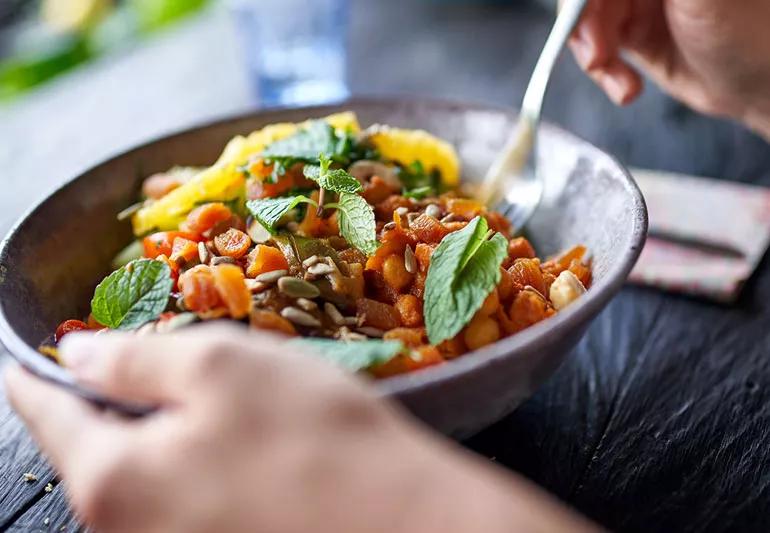
A strong plant-based diabetes meal might include lentil curry with cauliflower, spinach, and a measured portion of brown rice. Another option is a tofu vegetable bowl with edamame, greens, sesame seeds, and a small serving of quinoa.
The Worst Diets If You Have Diabetes
1. The Sugary Drink Diet: Worst for Blood Sugar Spikes
No one calls it the “sugary drink diet,” but many people accidentally follow it. Regular soda, sweet tea, energy drinks, fruit punch, lemonade, sweetened coffee drinks, and many bottled smoothies can deliver a large amount of fast-acting sugar without much fiber or fullness. That combination can send blood sugar climbing quickly.
Better choices include water, sparkling water without added sugar, unsweetened tea, black coffee, or coffee with a small splash of milk. If you love flavor, add lemon, cucumber, mint, berries, or a cinnamon stick. Your drink does not need to taste like melted candy to be enjoyable.
2. The Refined-Carb Roller Coaster Diet
White bread, white rice, regular pasta, pastries, crackers, sweet cereals, cookies, and snack cakes can be difficult for blood sugar management when eaten often or in large portions. These foods tend to be low in fiber and easy to overeat. They digest quickly, which may lead to higher post-meal glucose levels.
This does not mean you can never eat pasta or bread. It means the best diabetes diet chooses portions wisely and upgrades quality when possible. Try whole-grain bread, oats, barley, beans, lentils, quinoa, or smaller portions of pasta paired with vegetables and protein.
3. The Ultra-Processed “Diet Food” Trap
Some foods wear a health halo so shiny it could guide ships at sea. “Sugar-free,” “keto,” “low-fat,” or “diabetic-friendly” on the label does not guarantee a smart choice. Some products are still high in refined starch, saturated fat, sodium, or calories. Others may be low in sugar but low in nutrition too.
Read labels and look at the whole picture: total carbohydrates, fiber, added sugars, sodium, saturated fat, serving size, and ingredients. A simple meal made from eggs, vegetables, beans, yogurt, fish, or whole grains often beats a highly processed bar pretending to be lunch.
4. The Extreme Restriction Diet
Any plan that bans entire food groups without medical reason, promises rapid results, or makes you feel guilty for eating normal food is a red flag. Extreme restriction can backfire by increasing cravings, lowering energy, and making meals socially stressful. For people using glucose-lowering medications, sudden changes can also increase the risk of hypoglycemia.
A sustainable diabetes diet should feel repeatable. It should make your average day better, not turn every meal into a courtroom drama where bread is on trial.
Best Foods to Build a Diabetes-Friendly Diet
High-Fiber Carbohydrates
Choose oats, beans, lentils, barley, quinoa, brown rice, berries, apples, pears, and whole-grain breads with good fiber. These foods help slow digestion and provide vitamins, minerals, and fullness. Portion still matters, but quality carbs can absolutely fit into a diabetes meal plan.
Non-Starchy Vegetables
Non-starchy vegetables are the quiet heroes of diabetes eating. They add volume, crunch, color, and nutrients with fewer carbohydrates than starchy foods. Try spinach, kale, cabbage, cucumbers, tomatoes, asparagus, green beans, eggplant, mushrooms, cauliflower, broccoli, and peppers.
Lean and Heart-Healthy Proteins
Protein helps slow digestion and supports satisfaction after meals. Good choices include fish, chicken, turkey, eggs, tofu, tempeh, beans, lentils, Greek yogurt, and cottage cheese. Fatty fish such as salmon, sardines, and trout provide omega-3 fats that support heart health.
Healthy Fats
Olive oil, avocado, nuts, seeds, and fatty fish can help make meals more satisfying. The trick is moderation. Nuts are nutritious, but a “small handful” should not become a family-size bag during one episode of television.
Foods to Limit When You Have Diabetes
Limit sugary drinks, candy, desserts, sweetened cereals, refined grains, fried foods, processed meats, and packaged snacks high in sodium or saturated fat. These foods are not “forbidden,” but they should not be the foundation of your routine. Think of them as occasional guests, not roommates.
Also watch restaurant portions. A single restaurant meal can contain more carbohydrates, sodium, and saturated fat than expected. Consider splitting portions, asking for sauces on the side, choosing grilled instead of fried foods, and starting with vegetables.
How to Choose the Right Diabetes Diet for You
The best diabetes diet is the one that improves your numbers and fits your life. Start with your glucose patterns. If breakfast spikes your blood sugar, look at cereal, juice, sweet coffee, pastries, and portion sizes. If dinner is the problem, review starch portions, sauces, late-night snacks, and restaurant meals.
Next, consider your routine. Do you cook? Do you eat at school or work? Do you need budget-friendly meals? Do you prefer rice, tortillas, noodles, or potatoes? A good diabetes plan should adapt to your culture and preferences. Brown rice is not morally superior to a corn tortilla. The real question is portion, pairing, and overall pattern.
Finally, get support when possible. A registered dietitian or certified diabetes care and education specialist can help personalize carbohydrate targets, meal timing, and food choices. This is especially important if you take insulin or medications that can lower blood sugar.
Simple Diabetes-Friendly Meal Examples
Breakfast Ideas
Try Greek yogurt with berries and chia seeds, oatmeal with walnuts and cinnamon, scrambled eggs with spinach and whole-grain toast, or a tofu vegetable scramble with avocado. Avoid starting the day with only sweetened coffee and a pastry unless your plan is to make your blood sugar write angry emails.
Lunch Ideas
Build a salad bowl with greens, grilled chicken or tofu, beans, vegetables, olive oil vinaigrette, and a small serving of quinoa. Another option is turkey and avocado on whole-grain bread with raw vegetables. Soup can work well too, especially lentil, bean, chicken vegetable, or minestrone with controlled portions.
Dinner Ideas
Use the plate method: half non-starchy vegetables, one quarter protein, and one quarter quality carbohydrate. Examples include salmon with asparagus and sweet potato, turkey chili with beans and salad, tofu stir-fry with broccoli and brown rice, or chicken fajita bowls with peppers, onions, salsa, lettuce, and a small portion of beans.
Experience-Based Tips: What Real-Life Diabetes Eating Often Teaches You
Living with diabetes nutrition in the real world is different from reading a perfect meal plan on a Tuesday afternoon when nobody is hungry. In real life, people get busy, budgets get tight, cravings show up wearing tap shoes, and family meals do not always revolve around steamed broccoli. The biggest lesson is that consistency beats perfection.
One practical experience many people notice is that breakfast sets the tone. A high-sugar breakfast can make the rest of the day feel like chasing a runaway shopping cart. Switching to protein plus fiber often helps. For example, replacing sweet cereal with eggs and whole-grain toast, or choosing plain Greek yogurt with berries instead of flavored yogurt, may lead to steadier energy and fewer midmorning cravings.
Another lesson is that carbohydrates behave differently depending on what joins them on the plate. Eating fruit alone may affect blood sugar differently than eating fruit with nuts or yogurt. A serving of rice with vegetables and chicken may work better than a giant bowl of plain rice. This is why pairing carbs with protein, fiber, and healthy fat is so useful. It turns a fast glucose sprint into more of a calm neighborhood walk.
Portion awareness also becomes easier with repetition. At first, measuring rice, pasta, cereal, or oatmeal may feel annoying. But after a while, your eyes learn what a reasonable serving looks like. You do not need to weigh lettuce like it is gold dust. Focus on measuring the foods that most affect blood sugar: grains, starchy vegetables, fruit, milk, yogurt, beans, sweets, and snack foods.
Restaurant eating teaches another big lesson: menus are sneaky. Sauces, bread baskets, sweet drinks, fried toppings, and oversized portions can add up quickly. A helpful strategy is to choose the protein and vegetables first, then decide which carbohydrate is most worth it. Maybe you skip the fries but enjoy a small dessert. Maybe you choose the baked potato and skip the bread. Diabetes-friendly eating works better when it includes choices instead of constant denial.
Meal prep does not have to mean identical containers lined up like soldiers. A more realistic approach is ingredient prep. Cook a protein, wash vegetables, make a pot of beans or grains, and keep quick options ready. Rotisserie chicken, bagged salad, frozen vegetables, canned beans, tuna packets, eggs, cottage cheese, and microwaveable brown rice can save dinner when motivation has left the building.
Another experience worth mentioning is emotional flexibility. Food is connected to family, culture, celebrations, stress, and comfort. A good diabetes diet should leave room for birthday cake, holiday meals, and favorite dishes. The goal is not to eat perfectly; it is to return to helpful habits after the moment passes. One meal does not define your health. Your pattern over time matters more.
Many people also learn that sleep, stress, and movement change the way food affects blood sugar. The same meal can produce different numbers after a poor night of sleep or a stressful day. A short walk after meals, when medically appropriate, may help some people improve post-meal glucose levels. Food matters, but it is part of a larger lifestyle picture.
The most useful mindset is curiosity. Instead of saying, “I failed,” ask, “What happened?” Was the portion larger than usual? Was the meal mostly refined carbs? Did you skip protein? Were you stressed, sick, inactive, or sleep-deprived? Diabetes management becomes less frustrating when you treat your glucose data as feedback, not a character judgment.
Conclusion: The Best Diabetes Diet Is Balanced, Flexible, and Personal
The best diets for diabetes are not built on fear. They are built on fiber-rich carbohydrates, lean protein, healthy fats, vegetables, steady portions, and habits you can repeat. The Mediterranean diet, DASH diet, Diabetes Plate Method, thoughtful moderate low-carb plans, and whole-food plant-based approaches can all work well when personalized.
The worst diets for diabetes are the ones dominated by sugary drinks, refined carbs, ultra-processed foods, extreme restriction, and unrealistic promises. You do not need a perfect diet. You need a practical one that supports blood sugar, protects your heart, respects your life, and still lets food taste like food.