

Choosing birth control can feel a little like shopping for jeans: the “best” option is not always the one with the flashiest name, but the one that fits your body, your schedule, your budget, and your life without causing daily drama. For people who want hormonal contraception but do not love the idea of taking a pill every day, the birth control patch can be a refreshingly simple option. Stick it on, change it weekly, and let it do its behind-the-scenes work.
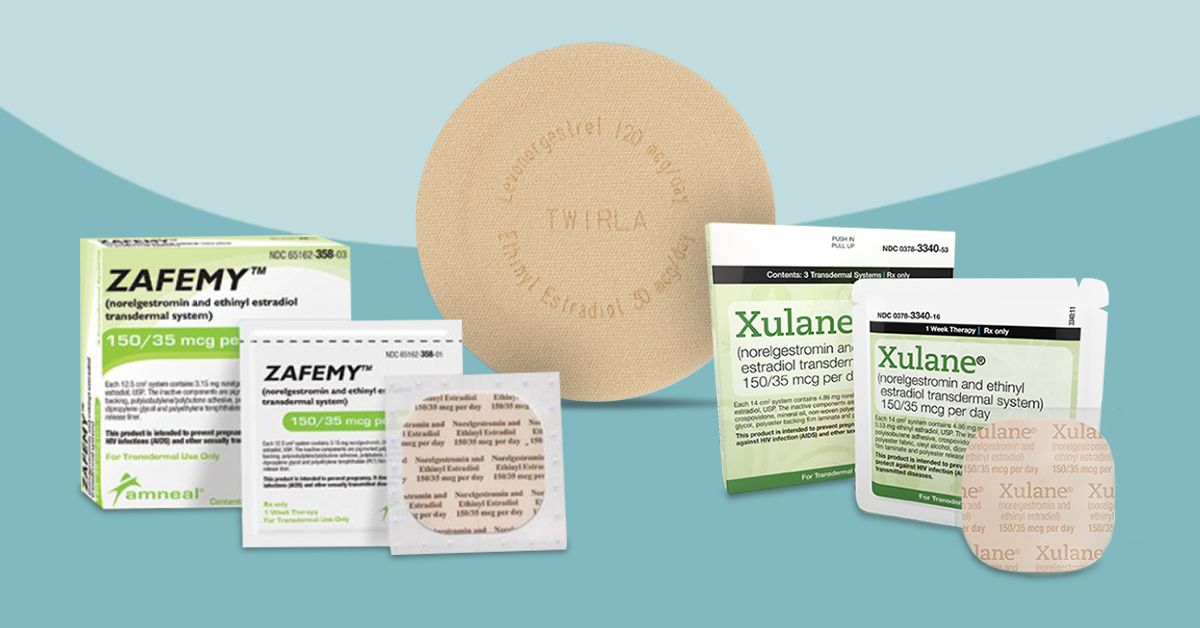
In the United States, the main birth control patch brands to know are Xulane, Zafemy, and Twirla. They are all prescription contraceptive patches that release hormones through the skin to help prevent pregnancy. They are also all combined hormonal contraceptives, meaning they contain both an estrogen and a progestin. That makes them similar in concept to many combination birth control pills and the vaginal ring, but with one major lifestyle perk: you only have to think about them once a week.
Still, “weekly” does not mean “set it and forget it forever.” The patch has rules, risks, and brand differences worth understanding before you ask your healthcare provider for a prescription. Some patches may be better suited for people who want a long-established option. Others may appeal to those looking for a different hormone profile. And yes, adhesive matters, because nobody wants their birth control making a dramatic exit during a workout, beach day, or highly competitive couch nap.
What Is the Birth Control Patch?
The birth control patch is a thin adhesive patch worn on the skin. It releases hormones into the bloodstream to help prevent ovulation, thicken cervical mucus, and make the uterine lining less receptive to pregnancy. In plain English: it helps stop the egg from showing up, makes it harder for sperm to get where they want to go, and generally turns the reproductive welcome mat upside down.
Most patch schedules follow a four-week cycle. You apply one patch per week for three weeks, then take one patch-free week. During the patch-free week, many users have withdrawal bleeding that feels similar to a period. Your provider may recommend a different schedule in certain cases, but you should not freestyle your patch calendar like it is a jazz solo unless your clinician says it is okay.
The Best Birth Control Patch Brands Available in the U.S.
The three major U.S. patch options are Xulane, Zafemy, and Twirla. The best birth control patch brand for you depends on medical eligibility, BMI, weight-related labeling, insurance coverage, side effects, skin sensitivity, and personal preference.
1. Xulane: Best Known Long-Running Patch Option
Xulane is one of the most recognized birth control patch brands in the United States. It contains norelgestromin, a progestin, and ethinyl estradiol, an estrogen. It is used on a weekly schedule: one patch each week for three weeks, followed by one patch-free week.
Xulane is often a good conversation starter for people who want a familiar, widely prescribed contraceptive patch. It may be especially appealing if your insurance covers it well or your pharmacy commonly stocks it. Because it is a combined hormonal method, it may also offer non-contraceptive benefits for some users, such as more predictable bleeding, lighter periods, or reduced menstrual cramps.
However, Xulane is not the right choice for everyone. Its labeling says it is intended for people with a BMI under 30 for whom a combined hormonal contraceptive is appropriate. It may also be less effective in people who weigh 198 pounds or more. Like other estrogen-containing birth control methods, it can increase the risk of blood clots, especially in people with certain risk factors.
Best for: People who want a well-known weekly patch and are medically eligible for combined hormonal contraception.
Worth discussing: BMI, weight, smoking status, migraine history, blood pressure, clotting history, and whether the higher estrogen exposure associated with some patch formulations matters for your health profile.
2. Zafemy: Best Generic-Style Alternative to Xulane
Zafemy is another norelgestromin and ethinyl estradiol contraceptive patch. It works similarly to Xulane and follows the same basic weekly rhythm: patch on for one week, replace it weekly for three weeks, then take one week off.
For many users, the big reason to consider Zafemy is practical: cost and insurance coverage. Sometimes the “best” birth control patch is not the one with the prettiest packaging; it is the one your plan covers without making your wallet file a formal complaint. If your pharmacy substitutes Zafemy or your prescriber recommends it, it may offer a comparable option for people who are good candidates for this type of patch.
Zafemy has similar safety considerations to Xulane because it uses the same active hormones. It is not intended for people with a BMI of 30 or higher, and it may be less effective in people who weigh 198 pounds or more. It also does not protect against sexually transmitted infections, so condoms or other barrier methods are still important for STI prevention.
Best for: People looking for a Xulane-like patch option that may be preferred by insurance or available at a lower cost.
Worth discussing: Whether your pharmacy carries it, whether your insurance treats it as preferred, and whether you notice differences in adhesive feel, patch size, or skin comfort compared with other options.
3. Twirla: Best Different-Hormone Patch Option
Twirla is a newer-style contraceptive patch that contains levonorgestrel and ethinyl estradiol. Levonorgestrel is a progestin used in many hormonal contraceptives, including some pills and emergency contraception products. Twirla is also worn weekly for three weeks, followed by one patch-free week.
One reason Twirla stands out is its hormone formulation. It delivers a different progestin than Xulane and Zafemy, and it is often described as a lower-dose estrogen patch option compared with norelgestromin/ethinyl estradiol patches. For some people, that difference may be worth discussing with a clinician, especially if they are comparing side effect profiles or looking for an alternative after not loving another patch.
Twirla also comes with specific BMI-related labeling. It is indicated for people with a BMI under 30, but reduced effectiveness should be considered for those with a BMI of 25 to under 30. It is contraindicated for people with a BMI of 30 or higher. That does not mean BMI tells the whole story of your health, because it absolutely does not; it means the prescribing label includes specific warnings your clinician should review with you.
Best for: People who want a weekly patch with a different progestin from Xulane or Zafemy and who meet the label’s eligibility criteria.
Worth discussing: BMI-related effectiveness, prior side effects with estrogen-containing contraception, and whether Twirla’s adhesive and patch design suit your routine.
Quick Comparison: Xulane vs. Zafemy vs. Twirla
| Brand | Hormones | Schedule | Key Consideration |
|---|---|---|---|
| Xulane | Norelgestromin + Ethinyl Estradiol | Weekly for 3 weeks, 1 week off | May be less effective at 198 lb or more; not for BMI 30+ |
| Zafemy | Norelgestromin + Ethinyl Estradiol | Weekly for 3 weeks, 1 week off | Similar active ingredients to Xulane; cost and coverage may differ |
| Twirla | Levonorgestrel + Ethinyl Estradiol | Weekly for 3 weeks, 1 week off | Reduced effectiveness should be considered for BMI 25 to under 30; not for BMI 30+ |
How Effective Is the Birth Control Patch?
With perfect use, the birth control patch is highly effective. But perfect use requires changing the patch on time, applying it correctly, and dealing with detachment according to the product instructions. In real life, people forget, patches loosen, calendars get chaotic, and laundry day somehow becomes a personality test. With typical use, the patch is often described as about 93% effective, meaning about 7 out of 100 users may become pregnant in a year.
The biggest effectiveness killers are missed patch changes, wearing a patch too long, leaving it off too long, and using medications or supplements that can interfere with hormonal contraception. Certain anti-seizure drugs, some HIV medications, some tuberculosis medications, and the supplement St. John’s wort may reduce effectiveness. Always tell your provider and pharmacist what you take, including supplements. “Natural” does not always mean “birth-control-neutral.”
Who Should Avoid the Birth Control Patch?
The birth control patch contains estrogen, so it is not appropriate for everyone. People over 35 who smoke should generally avoid combined hormonal contraceptives. The patch may also be unsuitable for people with a history of blood clots, stroke, heart attack, certain migraines with aura, uncontrolled high blood pressure, certain cancers, liver disease, or other risk factors.
If you recently gave birth, are breastfeeding, have upcoming surgery, or have a complex medical history, your provider may recommend waiting, choosing a progestin-only method, or using a non-hormonal option. This is not because the patch is “bad.” It is because contraception works best when it matches the person, not just the marketing brochure.
Common Side Effects
Common birth control patch side effects can include nausea, breast tenderness, headache, mood changes, spotting, menstrual cramps, and skin irritation where the patch sits. Many side effects improve after the first few months as the body adjusts. Skin irritation may improve by rotating application sites and applying the patch only to clean, dry skin without lotion, oil, powder, or makeup underneath.
Serious side effects are uncommon but important. Seek medical help right away for symptoms such as chest pain, sudden shortness of breath, severe leg pain or swelling, sudden vision changes, severe headache, weakness on one side of the body, or trouble speaking. Those symptoms may signal a clot or other emergency.
Where Do You Put the Patch?
Patch placement matters. Depending on the specific brand instructions, common application areas include the buttock, abdomen, upper outer arm, or upper torso. Avoid breasts, irritated skin, cuts, rashes, and areas where tight clothing may rub the patch loose. Do not decorate it with tape unless the product instructions or your healthcare provider say so. Birth control is not a craft project.
Press the patch firmly onto the skin and check the edges daily. If it falls off, follow the instructions for your specific brand because the backup contraception rules can differ. When in doubt, use condoms and contact your pharmacist or clinician.
How to Choose the Best Birth Control Patch Brand
Start With Medical Fit
The best patch is the one you can use safely. Ask your clinician about BMI labeling, weight-related effectiveness, blood pressure, migraine history, smoking, clotting risks, and medication interactions. This step is not glamorous, but neither is dealing with avoidable side effects.
Check Insurance and Pharmacy Availability
Coverage can vary widely. One plan may prefer Zafemy, another may cover Xulane, and another may require a prior authorization for Twirla. Call your pharmacy or insurer before you fall emotionally in love with a brand name.
Think About Adhesive and Lifestyle
If you swim often, sweat heavily, use body lotions daily, or wear tight athletic clothing, ask how each patch tends to perform in real life. Adhesion is not a tiny detail; it is the whole point. A patch that will not stay on is basically a beige sticker with commitment issues.
Consider Side Effect History
If you have used combined pills, rings, or patches before, tell your provider what you liked and disliked. Did you have nausea? Spotting? Skin reactions? Mood changes? Those details can help narrow the best birth control patch brand to try next.
Real-Life Experiences and Practical Scenarios
Because birth control is personal, the “best” patch often depends on the tiny habits that do not show up on a medical chart. Consider a busy college student who already forgets whether breakfast happened. A weekly patch may feel easier than a daily pill because one calendar reminder can handle the job. She might choose a Sunday patch-change day, place the box near her toothbrush, and set a phone alert labeled, “New patch, same responsible adult energy.” For someone like this, Xulane or Zafemy may be attractive if insurance coverage is simple and the weekly routine feels manageable.
Now imagine someone who works long shifts and spends half the day in scrubs or fitted work clothes. Patch placement becomes more important. The upper outer arm may be too visible or rub against sleeves, while the abdomen or buttock may feel more private and secure. This person may care less about brand personality and more about whether the patch stays flat, avoids lint, and does not irritate skin after repeated use. Rotating sites can make the difference between “this is convenient” and “why is my skin auditioning for a soap opera?”
For a very active person who swims, runs, lifts weights, or lives in a hot climate, patch adhesion can be the main issue. The weekly schedule is convenient, but sweat, water, friction, and sunscreen can test any adhesive. A practical approach is to apply the patch to completely dry skin, avoid lotions nearby, press it firmly, and check the edges daily. If one brand repeatedly lifts, that does not mean all patch options are doomed; it means the user should talk with a clinician or pharmacist about alternatives.
Someone who has had side effects with pills may approach the patch with cautious optimism. The patch avoids daily swallowing and gastrointestinal timing worries, but it still uses hormones. Nausea, breast tenderness, spotting, and mood changes can happen. Keeping a simple symptom log for the first three cycles can help identify whether symptoms are fading, staying the same, or becoming a dealbreaker.
Finally, cost can shape the experience more than people like to admit. A method that is medically appropriate but expensive every month may become stressful. A generic-style option such as Zafemy may be easier for some budgets, while another person’s plan may prefer Xulane or Twirla. The best experience usually comes from matching the patch to the user’s body, schedule, skin, pharmacy access, and comfort level. Birth control should make life easier, not become a recurring subscription to confusion.
Conclusion
The best birth control patch brands to try in the U.S. are Xulane, Zafemy, and Twirla, but they are not interchangeable for every person. Xulane is a well-known option with norelgestromin and ethinyl estradiol. Zafemy offers a similar active-hormone approach and may be attractive for coverage or cost reasons. Twirla uses levonorgestrel and ethinyl estradiol and may appeal to people looking for a different patch formulation.
Before choosing any contraceptive patch, talk with a healthcare provider about your BMI, weight, blood pressure, smoking status, migraine history, medication list, and personal preferences. The patch can be convenient, discreet enough for many users, and easier than remembering a daily pill. But the safest and most effective option is the one you can use correctly, consistently, and comfortably.