

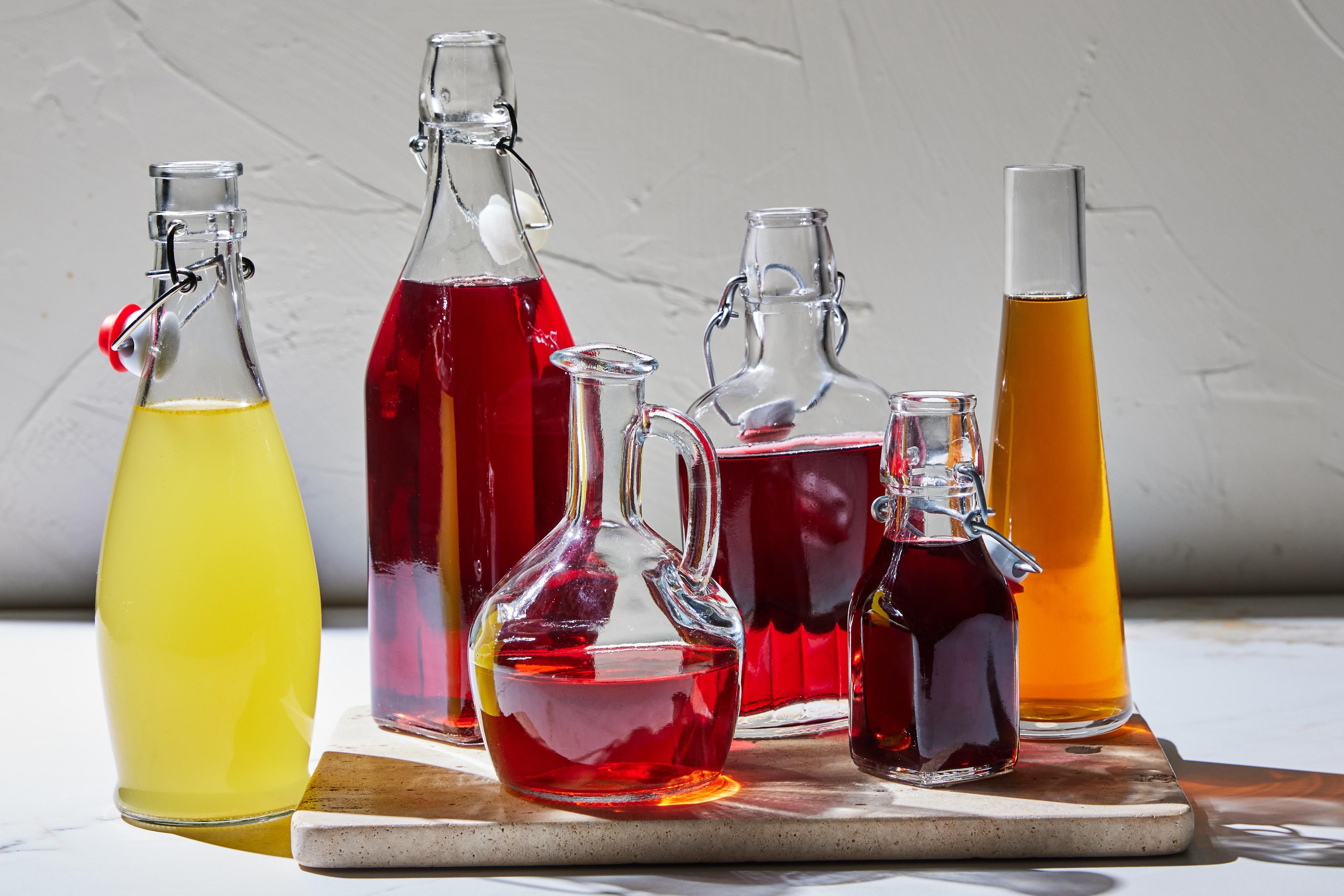
Wine in cooking has a pretty glamorous reputation. It swirls into the pan, sizzles dramatically, and makes you feel like you should own a linen apron and opinions about copper cookware. But in real life, plenty of cooks need a substitute. Maybe the bottle is empty, maybe you do not cook with alcohol, or maybe you are not about to buy a whole bottle just to splash half a cup into Tuesday’s mushroom sauce.
The good news is that finding the best substitutes for red wine and white wine is not kitchen wizardry. It is mostly about understanding what the wine is doing in the recipe. In some dishes, wine adds acidity. In others, it brings fruitiness, richness, moisture, or a little bite that wakes everything up. Once you know the job, choosing the right replacement becomes much easier.
This guide breaks down the best red wine substitutes and white wine substitutes for cooking, including which options work best in braises, sauces, soups, seafood dishes, pasta, and more. No fluff, no strange internet myths, and no suggestion that grape soda is a sophisticated culinary move.
What Wine Actually Does in a Recipe
Before swapping anything, it helps to know why a recipe uses wine in the first place. Red and white wine do not just add “wine flavor.” They usually bring one or more of these qualities:
- Acidity: This brightens rich dishes and helps balance fat, butter, cream, and meat.
- Moisture: Wine adds liquid to braises, sauces, soups, and pan reductions.
- Fruitiness: Red wine can add dark-fruit notes, while white wine tends to add lighter, crisp notes.
- Depth: In slow-cooked dishes, wine can make flavors taste more layered and developed.
- Deglazing power: Wine helps lift browned bits from the pan, which is where a lot of flavor likes to hide.
That is why the best substitute is not always the same. If a recipe needs brightness, a broth alone may taste flat. If a recipe needs body, straight vinegar may come in like a rude guest and dominate the room. The winning move is matching the substitute to the dish.
The Best Substitutes for Red Wine
1. Alcohol-Free Red Wine
If you want the closest overall match, alcohol-free red wine is usually the best substitute for red wine. It can provide similar color, fruit notes, and acidity without changing the recipe’s balance too much. Use it as a one-to-one replacement in beef stew, short ribs, red sauces, and pan sauces.
Best for: braises, beef dishes, mushroom sauces, reductions, and tomato-based sauces.
2. Beef Broth or Vegetable Broth
For savory dishes, broth is one of the most practical substitutes. Beef broth works especially well in hearty meals because it adds body and savory depth. Vegetable broth is a good option if you are cooking lentils, mushrooms, or plant-based dishes. The catch is that broth does not have wine’s natural acidity, so the flavor can feel a little flatter unless you add a small acidic boost.
How to use it: Replace red wine with an equal amount of broth. For better balance, add a small splash of red wine vinegar or a squeeze of lemon at the end if the dish tastes heavy.
Best for: pot roast, beef stew, braised vegetables, mushroom gravy, and bolognese.
3. Red Grape Juice with a Splash of Vinegar
This is one of the smartest substitutes when you need both fruitiness and acidity. Red grape juice brings sweetness and color, while a small splash of red wine vinegar adds the tang that wine would normally provide. It is especially useful when a dish depends on the gentle sweetness of red wine rather than just liquid volume.
How to use it: For 1 cup of red wine, use about 3/4 cup unsweetened or lightly sweetened red grape juice plus 1 to 2 tablespoons red wine vinegar. If the juice is very sweet, add a bit of broth or water to keep the dish from tasting like a confused dessert.
Best for: braises, sauces, glazes, and dishes with onions, carrots, or tomatoes.
4. Pomegranate Juice
Pomegranate juice is a strong option when you want a deeper, more tart profile. It has enough complexity to stand in for red wine in robust recipes, and it works especially well in savory dishes that can handle a slightly darker fruit note. Think lamb, beef, duck, roasted mushrooms, or a deeply browned sauce.
Best for: rich braises, reductions, and dramatic “I absolutely meant to do that” sauces.
5. Unsweetened Cranberry Juice
Unsweetened cranberry juice can work as a substitute for red wine when you want tartness without too much sweetness. It is not as round or mellow as wine, so it is usually best in recipes with other bold ingredients that can handle its sharper edge.
Best for: game meats, braised cabbage, pan sauces, and savory holiday-style dishes.
6. Tomato Juice or Tomato-Based Liquid
This is more of a situational substitute than an all-purpose one, but it can work beautifully in stews and tomato-heavy recipes. Tomato juice brings acidity, color, and savory depth. It does not taste like red wine, but in the right context, it supports the dish without making it feel like something is missing.
Best for: beef stew, chili-style dishes, and tomato-forward sauces.
The Best Substitutes for White Wine
1. Alcohol-Free White Wine
Just like its red counterpart, alcohol-free white wine is the closest substitute when you want the same general effect without the alcohol. It is especially useful in pasta sauces, seafood dishes, risotto, chicken dishes, and pan sauces where white wine’s crisp acidity matters.
Best for: shrimp scampi, risotto, chicken piccata, cream sauces, and pan deglazing.
2. Chicken Broth, Vegetable Broth, or Stock
Broth is one of the easiest and most versatile white wine substitutes. It adds liquid and savory flavor, which makes it a dependable choice for soups, sauces, and sautéed dishes. Still, broth alone does not fully replace the bright acidity of white wine, so many cooks get better results by pairing it with something acidic.
How to use it: Replace white wine with an equal amount of broth. If the final dish tastes too rich, stir in a little lemon juice or a few drops of white wine vinegar.
Best for: chicken dishes, risotto, soups, seafood pasta, and vegetable sautés.
3. White Grape Juice or Apple Juice
If the recipe can handle a touch of sweetness, white grape juice or apple juice can be excellent substitutes for white wine. White grape juice is the gentler match, while apple juice brings a slightly fruitier edge. These are better in lightly sweet or balanced dishes than in very savory recipes unless you cut them with something acidic.
How to use it: For 1 cup of white wine, use 3/4 cup juice plus 1 to 2 tablespoons white wine vinegar, apple cider vinegar, or lemon juice.
Best for: glazes, lighter sauces, pork, chicken, and some seafood dishes.
4. White Wine Vinegar, Rice Vinegar, or Apple Cider Vinegar
When a recipe needs brightness more than body, vinegar can do the job. White wine vinegar is the closest flavor match. Rice vinegar is mellow and useful in delicate dishes. Apple cider vinegar adds a soft fruity tang. The golden rule is simple: do not use these straight at full strength unless the recipe calls for only a tiny splash.
How to use it: For 1 cup of white wine, use about 1/2 cup vinegar mixed with 1/2 cup water or broth. For smaller amounts of wine, scale accordingly.
Best for: pan sauces, deglazing, seafood dishes, vinaigrettes, and recipes that need a bright finish.
5. Lemon Juice and Water
If you only need a little white wine, lemon juice and water can be a lifesaver. This swap is especially useful in recipes where the wine’s main purpose is freshness rather than sweetness or complexity. It will not mimic white wine perfectly, but it can make a dish feel lively instead of flat.
How to use it: Mix a small amount of lemon juice into water or broth. Start conservatively. You can always add more acidity, but you cannot politely remove it once it has cannonballed into the sauce.
Best for: risotto, shrimp, chicken, light pasta sauces, and sautéed vegetables.
6. Dry Vermouth
If alcohol is not the issue and you simply ran out of white wine, dry vermouth is a great pantry substitute. It is crisp, aromatic, and stable enough to live in the fridge longer than an open bottle of white wine. Because it has a stronger flavor, a slightly smaller amount can be enough.
Best for: pan sauces, seafood, creamy sauces, and recipes where you want a more elegant substitute than broth.
Best Wine Substitutes by Recipe Type
For Braises and Stews
For red wine, go with beef broth, alcohol-free red wine, or grape juice plus a splash of vinegar. For white wine, use broth with a little lemon or vinegar. These dishes usually need body first and acidity second.
For Pan Sauces
Use diluted vinegar, broth plus lemon, or dry vermouth. Pan sauces depend on brightness, so plain water is rarely enough unless you enjoy sauces with the emotional range of wallpaper.
For Seafood and Chicken
White wine substitutes work best here. Choose chicken broth, vegetable broth, alcohol-free white wine, or diluted white wine vinegar. Keep flavors light and avoid anything too sweet or too dark.
For Risotto
Broth plus a small acidic ingredient is ideal. A little lemon juice, white wine vinegar, or rice vinegar can help recreate the lift that white wine normally provides.
For Tomato Sauce and Bolognese
Red wine substitutes should add depth without making the sauce sugary. Beef broth is the safest bet. Grape juice plus vinegar can work too, but use it carefully so the sauce stays savory.
Quick Conversion Guide
- 1 cup red wine = 1 cup alcohol-free red wine
- 1 cup red wine = 1 cup beef broth
- 1 cup red wine = 3/4 cup red grape juice + 1 to 2 tablespoons red wine vinegar + water as needed
- 1 cup white wine = 1 cup alcohol-free white wine
- 1 cup white wine = 1 cup chicken or vegetable broth
- 1 cup white wine = 1/2 cup white wine vinegar + 1/2 cup water or broth
- 1 cup white wine = 3/4 cup white grape juice or apple juice + 1 to 2 tablespoons vinegar or lemon juice
Mistakes to Avoid When Substituting for Wine
- Using sweet juice in a savory dish without balancing it: Always think about adding acidity.
- Using full-strength vinegar cup for cup: That is not a substitute. That is an attack.
- Ignoring the color of the substitute: Red substitutes can muddy pale sauces, and darker ingredients may overwhelm delicate chicken or seafood dishes.
- Choosing harsh or heavily flavored vinegars for mild recipes: Keep delicate dishes delicate.
- Forgetting to taste and adjust: A pinch of salt, a squeeze of lemon, or a splash of broth can rescue the balance fast.
How to Choose the Right Substitute Fast
If you are standing in the kitchen with a hot pan and approximately zero patience, use this shortcut:
- Need savory depth? Use broth.
- Need acidity? Use diluted vinegar or lemon.
- Need fruitiness and color? Use grape, pomegranate, or cranberry juice plus a little vinegar.
- Need the closest overall swap? Use alcohol-free wine.
- Need a grown-up pantry fix? Use dry vermouth for white wine recipes.
Final Thoughts
The best substitutes for red wine and white wine are not random pantry stunts. They work when they match the purpose of the wine in the dish. If you need body, grab broth. If you need brightness, reach for diluted vinegar or lemon. If you need fruit and color, juice plus a little acid can do a surprisingly good job. And if you want the closest all-around result, alcohol-free wine is hard to beat.
In other words, you do not need to cancel dinner because the recipe says “add 1/2 cup wine” and your kitchen says “absolutely not.” With the right substitute, your sauce will still shine, your braise will still taste rich, and your pan will still sound satisfyingly dramatic when you deglaze it. That is really all most of us are asking from a weeknight.
Kitchen Experiences: What Real Cooking Teaches You About Wine Substitutes
One of the funniest things about cooking is how often a recipe sounds strict right up until you actually make dinner with whatever is in the pantry. Wine substitutes are a perfect example. On paper, it can feel like the wrong swap will ruin everything. In practice, most home cooks discover something more encouraging: the dish usually wants balance, not perfection.
A common experience happens with pan sauces. A cook follows a chicken or mushroom recipe, realizes there is no white wine in the house, and reluctantly uses broth instead. The sauce tastes good, but maybe a little too rich or sleepy. Then a small squeeze of lemon goes in, and suddenly the whole thing wakes up. That moment teaches an important lesson: white wine was often there for brightness as much as flavor.
The same thing happens with red wine in stews and braises. Many people assume red wine is the irreplaceable soul of the dish. Then they try beef broth with a spoonful of something tangy, maybe a splash of red wine vinegar, and the stew still comes out deep, savory, and comforting. It may not be identical, but it is still deeply satisfying. That is often the difference between recipe anxiety and cooking confidence.
Another real-world experience is learning that sweetness needs supervision. Apple juice or grape juice can absolutely help in the right recipe, but home cooks quickly notice that too much can push a savory dish in an odd direction. A sauce meant for chicken can start tasting like it is undecided about whether it belongs on dinner or dessert. Once you have made that mistake one time, you start using juice more carefully and balancing it with vinegar, lemon, or broth. Consider it kitchen character development.
There is also the color lesson. People often swap red wine into a pale sauce or use a dark substitute in a delicate seafood dish and wonder why dinner looks a little dramatic in the wrong way. Experienced cooks learn to match the substitute not just to the flavor, but to the personality of the dish. Light sauces want light substitutes. Hearty braises can handle deeper flavors and darker colors without complaint.
Perhaps the most useful experience of all is realizing that tasting as you go matters more than following a substitution chart like it is a legal document. A chart gets you close. Your spoon gets you home. If the dish tastes flat, add acid. If it tastes sharp, soften it with broth or butter. If it tastes sweet, add savory depth or salt. That is where better cooking lives.
So yes, wine substitutes are practical. But they are also strangely liberating. They teach you to understand a recipe instead of obeying it blindly. And once you start cooking that way, dinner gets a lot less stressful and a lot more delicious.