

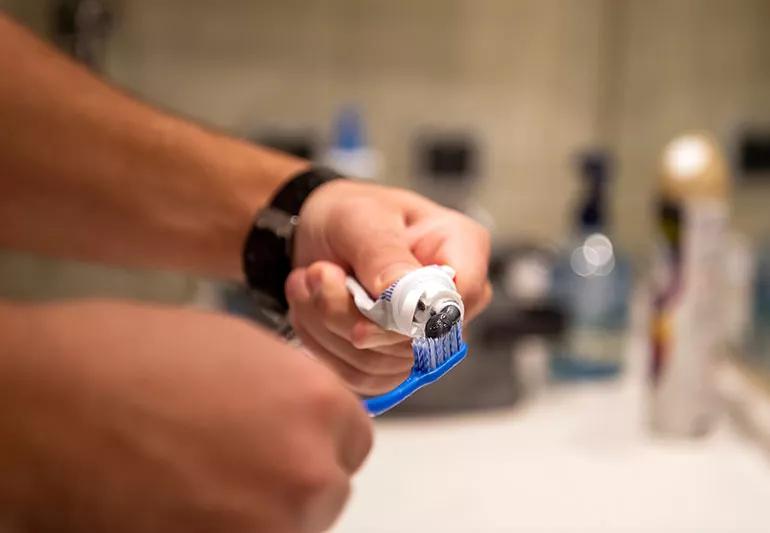
Your mouth is not a separate department of your body with its own zip code, budget, and emotional support group. It is connected to the rest of you, including your mood, stress level, confidence, sleep, appetite, and everyday habits. That is why the link between dental health and mental health is not some trendy wellness slogan cooked up beside a ring light. It is a real, practical, everyday connection that shows up in bathrooms, break rooms, bedrooms, and dental chairs across America.
When mental health is struggling, brushing your teeth can feel weirdly ambitious. Flossing may slide from “good habit” to “fictional hobby.” Dental appointments get postponed. Dry mouth from certain medications can raise the risk of cavities. Stress can show up as clenching, grinding, jaw pain, or worn enamel. Then the other half of the story kicks in: tooth pain, bleeding gums, bad breath, chipped teeth, and embarrassment about your smile can affect self-esteem, social comfort, eating, sleeping, and willingness to speak up in public. In other words, your brain and your bite have been gossiping about each other the whole time.
This article breaks down how oral health and mental health influence each other, why that matters, what warning signs to watch for, and what practical steps can help. The goal is not perfection. The goal is progress, relief, and a care plan that works in real life, including on the kind of week when even answering emails feels like climbing a hill in flip-flops.
Why Dental Health and Mental Health Are So Closely Connected
The connection works in both directions. Mental health can shape daily routines, energy, appetite, sleep, pain sensitivity, and motivation. Those things directly affect dental hygiene and oral health behaviors. If someone is dealing with depression, anxiety, trauma, burnout, or an eating disorder, ordinary oral care can become inconsistent or emotionally loaded. Missing a few brushing sessions may not sound dramatic, but repeated neglect can snowball into plaque buildup, gum irritation, cavities, sensitivity, and expensive problems later.
At the same time, oral health affects how people feel about themselves and how they function day to day. Pain makes it harder to eat and sleep. Missing or damaged teeth can make people avoid smiling, laughing, dating, interviews, or speaking in group settings. Bad breath and visible dental issues can create social anxiety. Chronic jaw tension can feed headaches and irritability. A sore mouth can make meals less enjoyable, which can affect nutrition, mood, and energy. Once this cycle starts, each side can make the other worse.
There is also a behavior layer. People under stress may lean on habits that are rough on teeth and gums, like smoking, drinking more alcohol, eating more sugary snacks, sipping acidic drinks, or clenching their jaw all day without noticing. None of these habits mean someone is careless. They usually mean someone is coping. Unfortunately, teeth and gums do not grade on a curve.
How Mental Health Can Affect Dental Health
1. Depression can drain the energy needed for oral care
Depression does not only change mood. It can flatten motivation, reduce self-care, disrupt routines, and make even simple tasks feel heavy. That includes brushing, flossing, using mouthwash, drinking enough water, and scheduling cleanings. Someone who used to be reliable about oral hygiene may suddenly skip it for days or start avoiding the dentist because the effort feels too big.
Depression can also change eating habits. Some people lose their appetite. Others reach for comfort foods that are softer, sweeter, or easier to manage when energy is low. If those changes stick around, the mouth feels it.
2. Anxiety and stress often show up in the jaw
Anxiety is not always loud. Sometimes it is a racing mind. Sometimes it is a stomach knot. Sometimes it is your molars doing a late-night demolition project. Stress and anxiety are commonly linked with bruxism, also known as clenching or grinding. Some people do it in their sleep. Others do it while working, driving, lifting weights, or pretending they are “totally fine” during a meeting that could have been an email.
Over time, clenching and grinding can wear down enamel, chip teeth, worsen sensitivity, irritate jaw muscles, and contribute to temporomandibular joint problems. That can lead to headaches, jaw soreness, facial pain, and clicking or locking in the jaw.
3. Some mental health medications can lead to dry mouth
Dry mouth may sound minor, but saliva does important work. It helps protect the mouth, wash away food particles, support digestion, and reduce the buildup of harmful bacteria. Certain antidepressants, anti-anxiety medications, mood stabilizers, and other medications can reduce saliva production. When the mouth gets dry, the risk of cavities, mouth irritation, and gum issues can go up.
This does not mean someone should stop a helpful medication on their own. It means dry mouth should be treated like a real health issue, not a random annoyance. A dentist and prescribing clinician can often help adjust the plan or suggest ways to protect oral health.
4. Eating disorders can leave clear signs in the mouth
Eating disorders are mental health conditions, not lifestyle choices or vanity. They can also have major dental consequences. Repeated vomiting can erode enamel because stomach acid is harsh on teeth. Restrictive eating can affect nutrition and gum health. Frequent bingeing or heavy use of sugary foods and drinks can also increase the chance of decay. Dentists sometimes spot these signs before other people do, which makes dental care part of the larger support system.
5. Dental anxiety can keep people away from care
For some people, the issue is not brushing at home. It is fear of professional care. Dental anxiety can be tied to pain, shame, bad past experiences, needles, sounds, smells, loss of control, or trauma. When that fear becomes avoidance, small issues can grow into bigger ones. Then the next appointment becomes more complicated, which makes the fear stronger. It is a vicious cycle with fluorescent lighting.
How Dental Health Can Affect Mental Health
1. Oral pain can wear down mood and patience
Anyone who has had a throbbing toothache knows that dental pain is not subtle. It can disrupt sleep, concentration, work, parenting, and the ability to enjoy food. Constant pain can make people irritable, exhausted, and emotionally overwhelmed. When pain lingers, it can add to hopelessness and stress.
2. Changes in appearance can hurt confidence
Teeth are not just for chewing sandwiches and regrettable caramel. They are also tied to expression, communication, and identity. Stained, chipped, broken, or missing teeth may cause embarrassment, especially in social or professional settings. Some people stop smiling in photos. Others avoid dating, interviews, or speaking up. That kind of self-consciousness can chip away at self-esteem over time.
3. Oral problems can affect social comfort
Bad breath, visible plaque, inflamed gums, or missing teeth can trigger anxiety about being judged. Even when other people are not noticing, the person living with the issue may feel deeply aware of it. Social withdrawal can follow. That isolation can worsen low mood, especially if someone already feels vulnerable.
4. Trouble eating can affect pleasure and nutrition
When chewing hurts, people often avoid certain foods, especially crunchy produce, protein-rich foods, or anything very hot or cold. That can reduce nutrition and make meals more frustrating than enjoyable. Food is not just fuel; it is also routine, comfort, and social connection. When the mouth interferes with eating, the emotional cost can be bigger than people expect.
Signs the Mouth-Mind Connection May Be Showing Up
Sometimes the connection between oral health and mental health is obvious. Sometimes it is sneaky. Common signs include:
- Bleeding gums or worsening bad breath during stressful periods
- Jaw soreness, morning headaches, or tooth sensitivity from clenching
- Dry mouth after starting or changing a medication
- Skipping brushing, flossing, or checkups during depressive episodes
- Avoiding smiling, photos, dating, or presentations because of teeth
- Fear of dental treatment that leads to repeated cancellations
- Changes in eating patterns that begin affecting teeth or gums
If any of these sound familiar, that does not mean something is “wrong” with you as a person. It usually means your health needs a more connected approach.
What Actually Helps
Build a tiny routine before a perfect routine
If mental health symptoms make self-care hard, the answer is not to invent a 19-step ideal morning. Start smaller. Brush once if twice feels impossible. Use fluoride toothpaste. Keep a toothbrush where you will actually see it. Floss a few teeth instead of none. Progress counts, even when it is not glamorous.
Tell your dentist what is going on
You do not need to arrive with a dramatic speech and a violin soundtrack. A simple explanation helps: “I’ve been dealing with anxiety,” “I grind my teeth,” “My medication causes dry mouth,” or “I’ve been struggling to keep up with self-care.” That information can change treatment, pacing, comfort options, and prevention advice.
Ask about dry mouth solutions
If medication is drying out your mouth, ask about practical fixes. Your dentist may recommend fluoride products, saliva substitutes, sugar-free gum or lozenges, hydration strategies, and more frequent cleanings or cavity prevention steps.
Address clenching and grinding early
Jaw pain, worn teeth, and morning headaches are not personality traits. If stress or anxiety is leading to bruxism, treatment may include a nightguard, jaw relaxation strategies, sleep support, or mental health care to reduce the underlying stress load.
Make dental visits less scary on purpose
If dental anxiety is a major barrier, look for a practice that welcomes anxious patients. Ask what comfort options they offer. Request short appointments. Use headphones. Agree on a hand signal for breaks. Bring someone you trust. Dental fear is common, and good dental teams know how to work with it.
Use a team approach
Sometimes the best solution is not choosing between a dentist and a therapist, but using both. A dentist can protect your teeth and spot patterns. A therapist can help with depression, anxiety, trauma, shame, or habits that are making oral care harder. A primary care clinician may also need to help if medication side effects, sleep, or nutrition are involved.
Why This Topic Matters More Than People Realize
Too often, dental care gets treated like an optional beauty upgrade while mental health gets treated like an invisible side quest. In reality, both are basic health. The mouth affects pain, sleep, confidence, nutrition, and quality of life. Mental health affects energy, habits, pain perception, stress responses, and whether someone seeks care at all. Separate them too much, and people fall through the cracks.
The good news is that small improvements on one side can help the other. Better oral hygiene can reduce pain and embarrassment. Better mental health support can make daily dental care more doable. Relief rarely arrives as one giant movie moment. More often, it shows up as a few better habits, one honest conversation, and a care team that treats the whole person instead of just the teeth or just the mood.
Common Experiences: What This Connection Feels Like in Real Life
The following are composite, real-world style experiences based on common patterns clinicians see in dental and mental health care. They are not individual patient records.
The “I Was Too Tired to Care” Experience
Someone going through depression may know exactly what they are supposed to do: brush twice a day, floss, drink water, book the cleaning, answer the reminder text, repeat. But knowledge and capacity are not the same thing. During a depressive stretch, they may sleep odd hours, skip meals, ignore the sink, and promise themselves they will “get back on track tomorrow.” A week later, their mouth feels fuzzy, their gums bleed, and cold water stings. Then shame enters the chat. They do not want a dentist to judge them, so they delay the visit longer. What started as low energy turns into pain, guilt, and avoidance. That experience is far more common than many people realize, and it is exactly why compassion matters more than lectures.
The “My Stress Lives in My Jaw” Experience
Another person may look high-functioning from the outside: job done, emails answered, calendar color-coded like a small military campaign. But inside, stress is running the show. They wake up with headaches, tight jaw muscles, and a weird feeling that their teeth are tired. They chew through pencil erasers, clench at red lights, and grind at night hard enough to make their partner wince in solidarity. Eventually a dentist notices worn enamel or a chipped molar. The person is stunned. They thought stress was just mental. It turns out stress had quietly rented a room in their face. Once they connect the dots, treatment starts to make sense: a nightguard, less caffeine late in the day, better sleep, and actual stress management instead of pretending deep breathing is only for yoga people.
The “My Medication Helps Me, but My Mouth Is Miserable” Experience
Sometimes mental health treatment is working, but a side effect creates a new problem. A person starts an antidepressant or mood stabilizer and finally feels steadier, calmer, or more functional. Then dry mouth shows up. Their lips feel sticky, their mouth feels like cotton, and cavities start appearing faster than expected. This can be deeply frustrating because the medication is helping their mental health, and they do not want to lose that progress. The solution is usually not quitting treatment in a dramatic flourish. It is getting smart support: telling the dentist, reviewing options with the prescribing clinician, adding fluoride protection, improving hydration, and using products meant for dry mouth. That shift can protect both kinds of health at once.
The “I’m Embarrassed to Smile” Experience
Then there is the quiet emotional burden of visible dental issues. A cracked front tooth, gum recession, missing teeth, or chronic bad breath can change how a person moves through the world. They laugh with their hand over their mouth. They skip photos. They speak less in meetings. They turn down dates. Friends may think they are shy, tired, or not interested. In reality, they are managing embarrassment every time they open their mouth. Once care begins, the emotional relief can be enormous. It is not just about looking better. It is about feeling safe enough to laugh again, eat comfortably, speak clearly, and stop planning your whole social life around the angle of your teeth.
Conclusion
The link between dental health and mental health is real, practical, and impossible to ignore once you see it clearly. Your mood can shape your oral hygiene, your dental visits, your stress habits, and even your saliva. Your oral health can shape your pain, your confidence, your sleep, your eating, and your willingness to show up in the world with a full smile. That is not bad news. It is useful news.
If you have been struggling on either side of this connection, start with one honest step. Brush tonight. Book the cleaning. Mention the dry mouth. Ask about the grinding. Tell the dentist you are anxious. Tell the therapist your teeth have become part of the problem. You do not need to fix everything in one week. You just need to stop treating your mouth and your mind like strangers.