

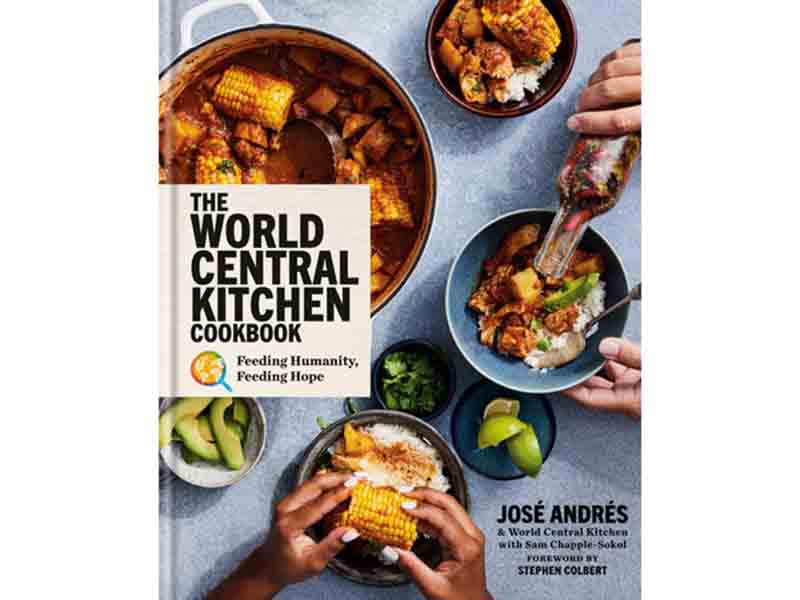
Note: This article is written for web publication and is based on verified public information about The World Central Kitchen Cookbook: Feeding Humanity, Feeding Hope, World Central Kitchen, José Andrés, and the cookbook’s real recipes, contributors, mission, and awards.
Introduction: A Cookbook With a Passport, a Purpose, and a Big Heart
Some cookbooks teach you how to dice an onion without crying. Others teach you how to host brunch without turning your kitchen into a flour-covered crime scene. The World Central Kitchen Cookbook does something more ambitious: it reminds readers that food can be fast, generous, practical, emotional, and world-changingall while still tasting good enough to make people ask for seconds.
Officially titled The World Central Kitchen Cookbook: Feeding Humanity, Feeding Hope, the book brings together recipes, stories, and the humanitarian spirit of World Central Kitchen, the nonprofit founded by chef José Andrés. Published by Clarkson Potter in 2023, the cookbook quickly became more than a shelf-worthy collection of dishes. It became a culinary portrait of relief work: meals served after hurricanes, earthquakes, wars, wildfires, explosions, and other crises where the question is not “What pairs well with this?” but “How quickly can we feed people with dignity?”
The result is a cookbook that feels both global and deeply personal. It includes recipes inspired by the places where World Central Kitchen teams have cooked, along with contributions from chefs, local cooks, volunteers, and supporters. Think Ukrainian borsch, Lahmajoun flatbread, Chicken Chili Verde, Breakfast Tacos, Lemon Olive Oil Cake, and other dishes that carry stories as much as flavor. In other words, this is not a cookbook that sits quietly on the counter looking decorative. It has work boots on.
What Is The World Central Kitchen Cookbook?
The World Central Kitchen Cookbook is the first cookbook from World Central Kitchen, often known as WCK. The book was created by José Andrés and World Central Kitchen, with Sam Chapple-Sokol, and includes a foreword by Stephen Colbert. It is a 304-page hardcover collection of recipes and stories built around the organization’s work feeding communities affected by natural disasters and humanitarian crises.
The cookbook is not simply a “celebrity chef project,” although it certainly includes plenty of recognizable names. It is better understood as a field journal, community album, and home-cooking guide all rolled into one. The recipes are designed for home kitchens, but their roots stretch into emergency kitchens, local restaurants, food trucks, refugee support efforts, and community-led recovery.
World Central Kitchen’s model is direct and powerful: move quickly, partner locally, cook fresh meals, and treat food as more than calories. In a crisis, a warm meal can be comfort, information, normalcy, and proof that someone has shown up. The cookbook translates that philosophy for readers at home. You may not be standing in a disaster zone while making dinner, but you can still cook with urgency, empathy, and generosity.
The Story Behind World Central Kitchen
World Central Kitchen was founded by José Andrés in 2010 after the devastating earthquake in Haiti. Since then, the organization has responded to crises around the world, providing fresh meals in situations where infrastructure is damaged, communities are displaced, or people urgently need support. WCK is known for acting quickly and adapting to local conditions rather than relying on a one-size-fits-all approach.
That local-first approach matters. When WCK responds to a crisis, it often works with nearby cooks, restaurants, farmers, food trucks, and volunteers. This helps get meals to people faster while also supporting local economies. It is relief work with a stove, a supply chain, and a serious respect for the people being served.
The cookbook captures this spirit by focusing not only on what is cooked, but why it is cooked. A bowl of soup is not just a bowl of soup when it is served to someone who has been evacuated from home. A portable flatbread is not just a snack when people need food they can eat while moving through chaos. A stew is not just comfort food when comfort itself is in short supply.
Why This Cookbook Stands Out
It Connects Recipes to Real Human Stories
Many cookbooks organize recipes by breakfast, lunch, dinner, dessert, and the occasional chapter called “Weeknight Magic,” which usually means “please chop twelve things after work.” The World Central Kitchen Cookbook takes a different route. Its chapters reflect WCK values such as urgency, hope, resilience, adaptation, community, joy, and empathy.
This structure gives the book emotional architecture. The “Urgency” chapter highlights food that can be eaten on the go, including dishes connected to fast-moving relief efforts. The “Hope” chapter includes comforting meals such as soups and stews. Other sections explore how food adapts to place, culture, need, and available ingredients.
It Is Global Without Feeling Generic
The cookbook travels widely, but it does not flatten the world into a buffet of vague “international flavors.” Instead, it presents food as something rooted in people and places. Recipes such as Ukrainian Borsch, Sòs Pwa Nwa, Lahmajoun Flatbread, Arroz con Pollo, and Qorma-e-nakhod carry cultural context. They are not there because they sound exotic. They are there because they connect to communities, cooks, and moments of need.
It Brings Famous Names and Local Heroes to the Same Table
One of the most appealing parts of the cookbook is its mix of contributors. Readers will find recipes connected to well-known supporters such as Michelle Obama, Meghan, The Duchess of Sussex, Marcus Samuelsson, Ayesha Curry, Emeril Lagasse, Tyler Florence, Guy Fieri, Sanjeev Kapoor, Eric Adjepong, Brooke Williamson, and Reem Assil. But the heart of the book is not fame. It is the way famous contributors appear beside local cooks, volunteers, and communities that have lived the stories behind the meals.
That balance is important. A cookbook about humanitarian work would feel strange if it only spotlighted celebrity kitchens. This one understands that the people closest to a crisis often know best what their community needs, what tastes like home, and what can be cooked under pressure.
Key Recipes and What They Represent
Ukrainian Borsch: Comfort in a Bowl
Ukrainian borsch is one of the cookbook’s most meaningful dishes. Rich, earthy, and warming, borsch is the kind of food that feels like it has a memory. In the context of World Central Kitchen’s work in Ukraine, it represents not only nourishment but cultural continuity. When people are displaced or living through conflict, familiar food can become a reminder that identity survives even when daily life is disrupted.
Lahmajoun Flatbread: Food for Urgent Moments
Lahmajoun flatbread appears as an example of food connected to urgency. After the 2020 explosion in Beirut, meals that could be prepared, transported, and eaten efficiently mattered. Flatbreads are practical: portable, satisfying, and flexible. But they are also personal. They carry the flavor of a place, which makes them far more meaningful than an anonymous emergency ration.
Chicken Chili Verde: Feeding the Front Line
Chicken Chili Verde is linked to meals prepared for firefighters in California. It shows another side of crisis feeding: supporting the people who are supporting everyone else. Firefighters, first responders, volunteers, and relief workers need real meals too. A hot, hearty dish can keep people moving when the work is exhausting and the hours are long.
Breakfast Tacos and Lemon Olive Oil Cake: Familiar Food With a Larger Mission
The cookbook also includes recipes from well-known supporters, including Breakfast Tacos from Michelle Obama and Lemon Olive Oil Cake from Meghan, The Duchess of Sussex. These dishes help make the book approachable. They remind readers that cooking for a cause does not always have to begin with a giant stockpot or a relief truck. Sometimes it starts with breakfast, dessert, and the decision to gather people around a table.
The Cookbook’s Awards and Recognition
The World Central Kitchen Cookbook earned major recognition after publication. It became a New York Times bestseller and won a James Beard Foundation Media Award in the International category. It was also named among notable cookbooks of the year by several respected food and media outlets. That recognition matters because the book succeeds in two demanding categories at once: it works as a cookbook, and it works as storytelling.
A humanitarian cookbook could easily become too sentimental. A chef-driven cookbook could easily become too polished. This one finds a middle path. It has enough beauty for coffee-table browsing, enough practical recipes for real cooking, and enough emotional weight to make readers pause before reaching for the next page.
How the Book Reflects the WCK Philosophy
Urgency Without Panic
World Central Kitchen is known for moving fast. But speed does not mean carelessness. The cookbook shows that urgency can be organized, thoughtful, and delicious. In a home kitchen, that lesson translates beautifully. You can cook quickly without giving up flavor. You can simplify without becoming boring. You can feed people now instead of waiting for the mythical perfect dinner party where the napkins match the mood lighting.
Local Ingredients, Local Knowledge
One of WCK’s core strengths is working with local resources. The cookbook encourages readers to think the same way. What is available? What is fresh? What does your community already know how to cook well? This is a refreshing break from recipes that require three specialty ingredients, two online orders, and one tiny jar you will use exactly once before it retires in the back of the refrigerator.
Dignity at the Center
The most important theme in the book is dignity. People affected by disasters do not only need food. They need to be seen as people with histories, preferences, cultures, and pride. A thoughtful meal says, “You matter.” That idea is simple, but it is also radical in situations where systems often reduce people to numbers.
Who Should Read The World Central Kitchen Cookbook?
This cookbook is ideal for home cooks who want more than instructions. If you enjoy recipes with backstories, global flavors, and a sense of purpose, it belongs on your list. It is also a strong choice for cookbook clubs, community groups, nonprofit fundraisers, church gatherings, school events, culinary students, and anyone interested in food justice or humanitarian work.
Beginner cooks can find approachable dishes, while experienced cooks will appreciate the range of cultural inspiration. The book is especially powerful for readers who believe food is social. If you think the best meals are the ones that make people linger, talk, laugh, and maybe argue lovingly over who gets the last piece of cake, this cookbook understands you.
How to Use This Cookbook at Home
Cook One Recipe and Read the Story First
Instead of flipping straight to the ingredient list, read the story attached to the dish. The context changes the cooking experience. Suddenly, you are not just simmering beans or roasting chicken. You are participating in a larger conversation about resilience, hospitality, and community care.
Host a World Central Kitchen-Inspired Potluck
The book is perfect for potlucks because its recipes naturally invite sharing. Ask each guest to choose a dish connected to one of the cookbook’s values: urgency, hope, resilience, adaptation, community, joy, or empathy. This gives the meal a theme without forcing anyone to wear a costume or explain why they brought store-bought hummus. We are building longer tables, not judging dip containers.
Use It as a Conversation Starter
A dinner based on this cookbook can open meaningful conversations. What foods make people feel safe? What dish reminds them of home? How do communities recover after disaster? What does it mean to help without taking over? These questions turn dinner into something deeper than “Please pass the salt.”
Why Food Is So Powerful in Crisis
Food is one of the first signs of care. In ordinary life, we bring soup to a sick friend, casseroles to grieving families, snacks to road trips, and cake to almost anything that needs improvement. In crisis, that instinct becomes even more important. A meal can calm the body, steady the mind, and create a moment of human connection.
World Central Kitchen understands that food relief is not only logistics. It is emotional infrastructure. When people receive a fresh meal after a disaster, they receive warmth, attention, and a reminder that the world has not forgotten them. That message is baked into the cookbook. Every recipe seems to whisper, “Feed people first. Figure out the perfect garnish later.”
The World Central Kitchen Cookbook and Modern Cookbook Culture
Modern cookbooks have changed. Readers now expect more than recipes. They want voice, photography, cultural context, personal essays, and a reason to keep the book even after finding three similar recipes online. The World Central Kitchen Cookbook meets that moment well because it offers something search engines cannot fully replicate: lived experience.
Yes, you can find a soup recipe online in eight seconds. You can also find fourteen pop-ups, a video that auto-plays at full volume, and someone’s life story before the first ingredient. But this cookbook gives readers a curated, meaningful journey. It connects technique with humanity. That is why it stands out in a crowded cookbook market.
A 500-Word Experience: Cooking From the Spirit of The World Central Kitchen Cookbook
Cooking from the spirit of The World Central Kitchen Cookbook feels different from cooking from a typical recipe collection. The difference begins before the first onion is chopped. You approach the kitchen with a slightly wider sense of purpose. Dinner is still dinner, of course. Nobody is asking your saucepan to solve world peace. But the book gently changes the question from “What do I want to eat?” to “Who can this meal care for?”
Imagine choosing a recipe for a small gathering. Maybe you pick a stew because the weather is rude and everyone has had a long week. As the pot begins to bubble, the kitchen fills with the kind of smell that makes people wander in and pretend they are “just checking” on things. This is where the WCK idea becomes personal. You start to understand why warm food matters. It slows people down. It gives them something to hold. It creates a shared pause.
One of the best experiences related to this cookbook is hosting a casual meal inspired by its values. You do not need a formal event. In fact, the less fancy, the better. Ask a few friends to bring dishes that remind them of comfort, resilience, or joy. Someone might bring rice because it was the foundation of meals in their childhood home. Someone else might bring a cake because dessert is their love language and they are fluent. Another guest might bring a salad and apologize for it, even though everyone secretly needs the salad. The table becomes a map of memories.
The most meaningful part is the conversation that follows. Food has a way of unlocking stories people do not share in normal small talk. Ask what meal they would want after a hard day. Ask who taught them to cook. Ask what dish makes them feel cared for. Suddenly, the cookbook is no longer just about World Central Kitchen’s global work. It becomes a mirror for your own community.
Cooking this way also teaches flexibility. Maybe you do not have every ingredient. Maybe the store is out of the exact herb you wanted. Maybe your flatbread comes out shaped like a country that does not exist. That is fine. The WCK philosophy is not about perfection. It is about adaptation. Use what you have. Feed who is there. Keep going.
By the end of the meal, the dishes may be mismatched, the serving spoons may disappear into mysterious places, and someone may absolutely take the last piece of cake while pretending they thought everyone was finished. But the feeling around the table will be exactly right. That is the experience this cookbook encourages: generous, imperfect, lively, and deeply human. It reminds us that food does not have to be elaborate to matter. Sometimes the most powerful meal is simply the one that arrives when it is needed most.
Conclusion: More Than Recipes, This Is a Manual for Hope
The World Central Kitchen Cookbook is a rare cookbook with both flavor and moral clarity. It invites readers to cook global dishes, learn from real communities, and think about food as a form of action. Its recipes are practical enough for home kitchens, but its message reaches far beyond the dinner table.
At its best, the book reminds us that feeding people is one of the oldest and most reliable ways to say, “You are not alone.” Whether you buy it for the recipes, the stories, the mission, or the inspiration to host a meal with more meaning, this cookbook earns its place in the kitchen. It is delicious, hopeful, and usefulthree qualities every cookbook should have, though most are lucky to manage two.