

Note: This article is written as an original, SEO-friendly feature based on real information about AI image generation, architectural visualization, art history, and the creative experiment credited to artist and blogger Alexander Dobrokotov.
When Buildings Get a Digital Costume Change
Architecture has always had a flair for drama. Give a building a pointed roof and suddenly it whispers “Gothic.” Add glass, steel, and a suspiciously expensive-looking lobby, and it starts speaking fluent corporate modernism. But what happens when an artist asks artificial intelligence to repaint familiar buildings in wildly different artistic styles? That is the visual playground explored in This Artist Tested The Abilities Of A.I. To Create Architectural Paintings In Different Styles (27 Pics), a project that turns ordinary architecture into a parade of mood, color, fantasy, and algorithmic imagination.
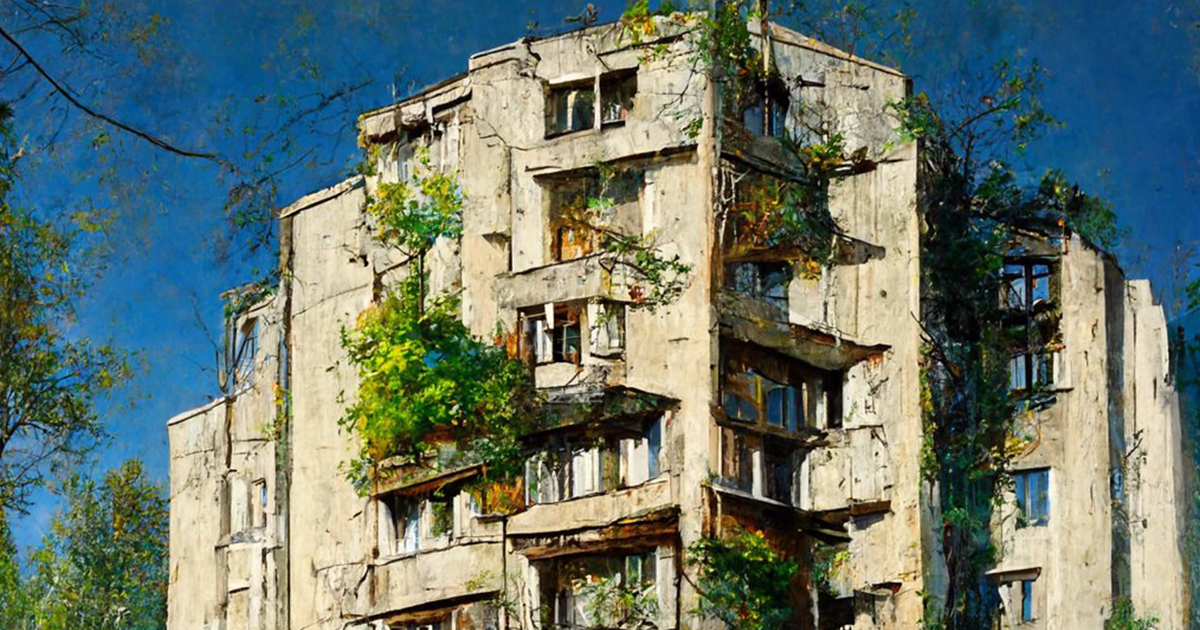
The featured artist, Alexander Dobrokotov, used Midjourney, a text-to-image AI system, to reinterpret familiar Russian buildings through various painterly and cinematic styles. The result was not a dry technical demo. It was more like watching a city raid the costume department of an art museum. Some buildings appeared dreamy and swirling, with the emotional energy of post-impressionist brushwork. Others looked haunted, futuristic, romantic, surreal, or ready to star in an animated fantasy film where the elevator probably has opinions.
At its heart, the project raises a surprisingly deep question: can artificial intelligence understand architectural character, or is it simply very good at dressing concrete in beautiful chaos? The answer is somewhere in the middle, which is exactly where things get interesting.
What Makes This AI Architecture Experiment So Fascinating?
The charm of the project comes from a simple creative formula: take recognizable buildings, feed the AI a style direction, and see how far the machine can push the image while keeping the idea of a building intact. That balance is harder than it sounds. Architecture depends on structure, proportion, material, and spatial logic. Painting styles depend on mood, texture, color, and interpretation. Asking AI to combine both is like asking a calculator to compose jazz while also respecting the fire code.
Yet the images work because they reveal how flexible architectural identity can be. A plain apartment block, when translated through expressive brushstrokes, can suddenly feel tragic, heroic, or whimsical. A rigid facade can become soft. A familiar street corner can look like a lost scene from a dream. This is the power of AI architectural paintings: they do not merely show buildings; they show possible emotional versions of buildings.
Architecture Becomes a Character
Traditional architectural visualization often aims for clarity. It shows the client where the windows go, how the entrance feels, and whether the lobby plants are doing enough unpaid emotional labor. AI-generated architectural art plays a different role. It turns buildings into characters. A tower can become lonely. A house can look enchanted. A Soviet-era block can suddenly appear as if Vincent van Gogh had wandered by with a loaded brush and a very strong cup of coffee.
This shift matters because people rarely experience buildings as pure geometry. We experience them as memories, moods, landmarks, shelters, and sometimes as places where the heating system makes questionable noises. By reimagining architecture in different artistic styles, AI helps viewers notice emotional qualities that ordinary photographs may hide.
How AI Understands Style: More Remix Than Mind Reading
AI image generators do not “understand” art in the human sense. They do not stand in front of a canvas, sigh dramatically, and contemplate the loneliness of a blue doorway. Instead, they generate images by learning patterns from massive collections of visual and textual data. When prompted with a style, material, mood, era, or composition, the system predicts what visual features are likely to match that request.
That is why style prompting can feel almost magical. Type in words related to watercolor, baroque ornament, cyberpunk lighting, brutalist concrete, surrealist atmosphere, or post-impressionist brushwork, and the system can produce a convincing visual blend. But it can also misunderstand scale, invent impossible structures, melt windows into walls, or create staircases that would make a building inspector quietly leave the room.
The Strength: Fast Visual Exploration
The biggest advantage of AI in architectural painting is speed. An artist or designer can test dozens of visual directions in minutes. Instead of sketching one version of a building in a moody nighttime style, another as an Art Nouveau fantasy, and another as a futuristic megastructure, AI can generate variations quickly enough to make the creative process feel like rapid-fire brainstorming.
For architects, illustrators, game designers, filmmakers, and concept artists, this speed is useful. AI can help build mood boards, explore atmosphere, test color palettes, and discover unexpected combinations. It is especially helpful at the beginning of a project, when the goal is not precision but possibility.
The Weakness: Beauty Without Responsibility
Of course, a beautiful AI building is not the same as a buildable building. AI can create a palace with floating balconies, glowing arches, and a roof that appears to be supported by vibes. That may be wonderful for art, but less wonderful for anyone standing underneath it during a thunderstorm.
This is why AI architectural images should be understood as concept art, not construction documents. They are excellent for inspiration, storytelling, and visual experimentation. They are not a substitute for architects, engineers, zoning rules, accessibility standards, material science, or the ancient and sacred human practice of asking, “Wait, where does the plumbing go?”
Why Different Art Styles Change How We See Buildings
One of the best parts of Dobrokotov’s experiment is how clearly it shows that style is not decoration. Style changes meaning. The same building can feel warm, oppressive, elegant, futuristic, nostalgic, or ridiculous depending on the visual language applied to it.
Post-Impressionist Energy
When architecture is imagined with bold color and expressive brushwork, it can feel alive. Walls no longer sit quietly; they vibrate. Rooflines bend into rhythm. Windows become sparks of light. This approach can make even a severe structure feel emotional, as if the building has been keeping a diary and finally decided to publish it.
Surrealist Atmosphere
Surrealist-inspired architectural images often transform buildings into dream objects. A normal facade might stretch, twist, float, or sit under a sky that looks like it has forgotten the rules of weather. This works especially well with AI because the technology is comfortable blending the plausible with the impossible. The result can be eerie, poetic, or delightfully strange.
Art Nouveau Curves
Art Nouveau is famous for organic lines, floral motifs, and decorative movement. When AI applies that language to architecture, plain buildings can become lush and vine-like. Railings curl, windows bloom, and facades take on the elegance of a botanical illustration that somehow got a building permit.
Cubist Geometry
Cubist influence can fracture architecture into planes, angles, and overlapping perspectives. This is a natural fit for buildings because architecture already depends on geometry. But in a Cubist-style AI painting, the structure may appear to be seen from several viewpoints at once, creating an energetic puzzle of walls, shadows, and forms.
Futurist and Cyberpunk Drama
AI loves glowing lights. Give it a city, mention neon, rain, or futuristic density, and suddenly every alley looks like it sells excellent noodles and questionable secrets. Futuristic styles can make old buildings feel newly cinematic, suggesting alternate timelines where history and science fiction share the same address.
What This Says About Human Creativity
The most common mistake in conversations about AI art is treating the machine as either a genius or a thief with a graphics card. The reality is more complicated. AI is a tool that can generate striking images, but the creative direction still matters. The prompt matters. The selection matters. The editing matters. The decision to connect architecture with specific moods and styles matters.
Dobrokotov’s project is interesting not because the AI acted alone, but because a human chose the subject, shaped the experiment, selected the results, and presented them as a visual story. That curatorial role is important. Anyone who has generated AI images knows the machine produces plenty of odd results along the way. For every stunning image, there may be a building with twelve chimneys, a window pretending to be a door, or a roofline that seems to be experiencing personal growth.
Prompting Is a Creative Skill
Good AI image prompting is not just typing “make it pretty” and waiting for applause. It requires vocabulary. You need to describe style, composition, lighting, era, materials, atmosphere, camera angle, and level of detail. In architectural prompts, words like “facade,” “cantilever,” “atrium,” “brutalist,” “ornamental,” “isometric,” “urban density,” “soft daylight,” and “cinematic perspective” can dramatically change the output.
This is why AI art often rewards people who already understand art and design. The better your visual vocabulary, the better your instructions. The AI may generate the pixels, but the human still brings taste, judgment, and the ability to say, “Absolutely not, why does that balcony look like a croissant?”
AI Architecture and the Future of Visual Storytelling
Projects like this point toward a future where architectural storytelling becomes more accessible. A writer can imagine a fictional city. A game designer can test the atmosphere of a level. A filmmaker can visualize a district before building a full concept package. A student can explore how one structure might look through different historical movements. Even casual viewers can better understand how style affects emotion.
That does not mean every AI image is useful, ethical, or artistically meaningful. Questions around authorship, copyright, training data, and originality remain important. When AI systems imitate recognizable styles or produce images that resemble living artists’ work too closely, the creative and legal conversation gets serious fast. Responsible use means treating AI as a collaborator, not a shortcut around credit, labor, or permission.
Still, when used thoughtfully, AI can expand the early stages of imagination. It can help artists test ideas quickly, compare styles, and discover unexpected visual paths. In architecture, where drawings and renderings often shape public excitement before a building exists, that ability is powerful.
Why Viewers Respond So Strongly To These Images
The public reaction to AI architectural paintings is often enthusiastic because the images provide instant transformation. People enjoy seeing the familiar made unfamiliar. A building that might be ignored on a daily commute suddenly becomes magical. It is the same pleasure behind historical restorations, movie concept art, and “what if” illustrations. We like alternate versions of reality because they let us briefly step outside the normal one.
There is also a democratic appeal. Architecture can feel intimidating, full of technical language and expensive decisions. AI paintings make it playful. You do not need a degree to understand that a gloomy castle version of an apartment block feels different from a sunny impressionist one. The images invite viewers to react emotionally first and analyze later.
Experience Notes: What It Feels Like To Work With AI Architectural Styles
Anyone who has experimented with AI-generated architecture knows the process begins with optimism and quickly turns into negotiation. You type a clean prompt: “an old apartment building painted in a dreamy post-impressionist style, warm sunset, expressive brushwork.” The first result might be gorgeous. The second might include windows that look like they are slowly sliding off the wall. The third may be so beautiful that you forgive the fact that the front door is floating six feet above the street.
That is part of the experience. AI image generation is not like ordering from a menu; it is like working with an extremely talented intern who has read every art book in the library but has never personally used stairs. You guide it, correct it, simplify the prompt, add details, remove details, and try again. When it works, it feels like discovering a hidden visual language. When it fails, it fails with confidence, which is honestly very relatable.
The most useful lesson from experimenting with architectural AI is that specificity beats vague ambition. “Beautiful building in fantasy style” may produce a nice image, but “narrow brick apartment building with arched windows, rainy evening, warm interior lights, Art Nouveau ironwork, watercolor texture, street-level perspective” gives the system a clearer path. The more concrete the architectural details, the stronger the result. Materials matter. Lighting matters. Camera angle matters. Even the mood matters.
Another lesson is that AI is excellent at atmosphere but inconsistent with logic. It can make a building feel ancient, romantic, futuristic, or abandoned. It can create fog, glowing windows, dramatic clouds, and painterly textures with impressive ease. But if the goal is a realistic structure, the human eye must stay alert. Count the floors. Check the columns. Look at the doors. Make sure the balcony is not attached to a cloud. AI can sell the dream, but humans still need to inspect the dream for structural nonsense.
The best experience comes when you stop expecting the tool to read your mind and start treating it as a sketch partner. It is useful for generating directions you might not have considered. Maybe a brutalist building looks surprisingly tender in pastel light. Maybe a dull facade becomes thrilling when translated through Cubist geometry. Maybe a fantasy version reveals the emotional potential of a real place. These discoveries are valuable, even if the final artwork needs editing, refinement, or a complete human repaint.
In that sense, Dobrokotov’s experiment captures the current magic of AI art perfectly. It is not about replacing the artist. It is about opening a strange door in the studio wall and finding 27 alternate cities on the other side. Some are impractical. Some are stunning. A few may be weird enough to make an architect blink twice. But all of them remind us that buildings are not only structures. They are stories waiting for a new style to wake them up.
Conclusion: AI Can Paint Buildings, But Humans Still Build Meaning
This Artist Tested The Abilities Of A.I. To Create Architectural Paintings In Different Styles (27 Pics) is more than a gallery of attractive AI images. It is a glimpse into how creative tools are changing the way we imagine cities, buildings, and visual culture. By using Midjourney to reinterpret architecture through different artistic styles, Alexander Dobrokotov showed how quickly AI can turn familiar structures into emotional, cinematic, and sometimes wonderfully bizarre scenes.
The real takeaway is not that AI has replaced architectural artists. It has not. The stronger point is that AI can accelerate visual exploration while humans provide intention, taste, context, and judgment. The machine can generate a hundred versions of a building. The artist decides which one says something worth seeing.