

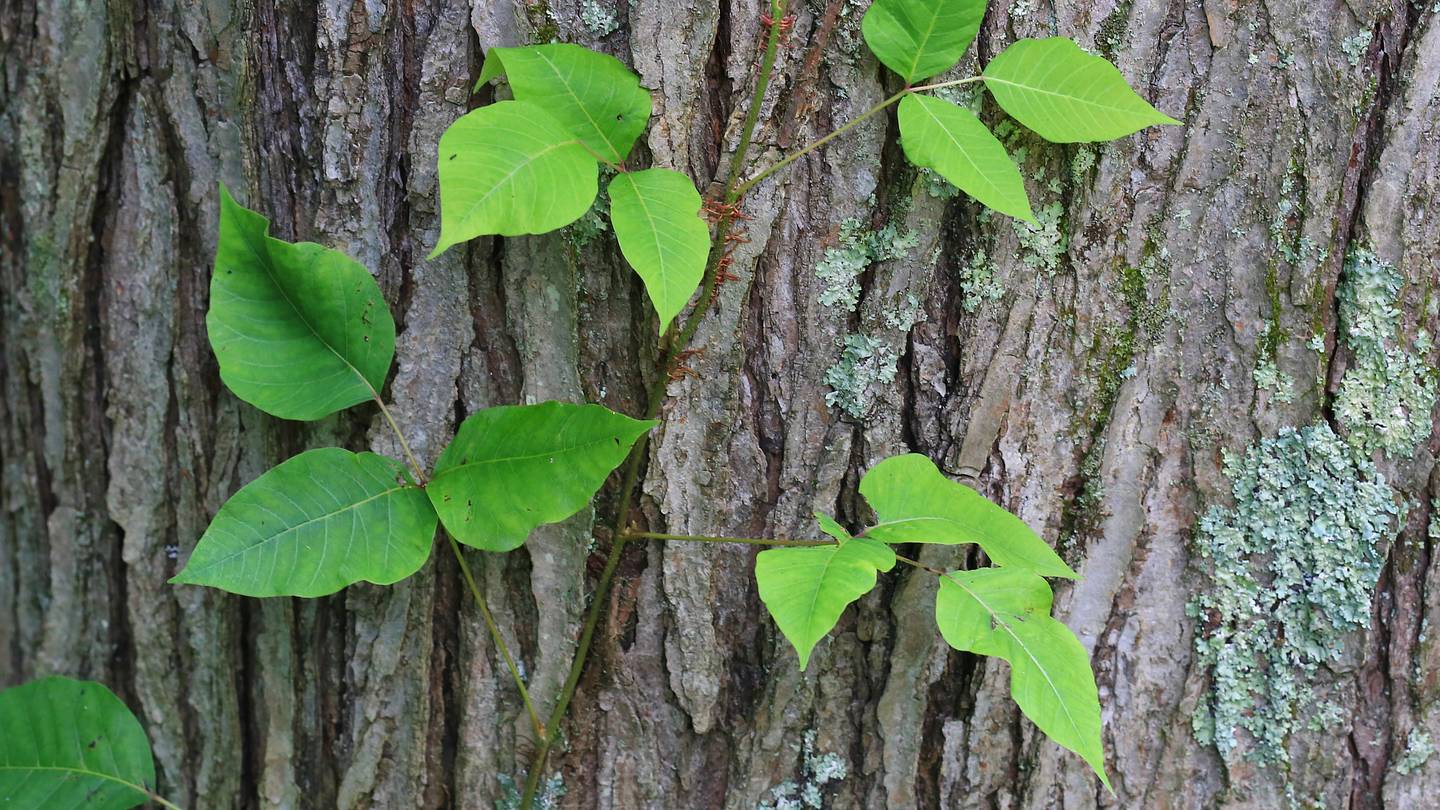
Poison ivy is the garden guest nobody invited, nobody likes, and somehow everybody ends up meeting at least once. It slides under fences, climbs trees, hides in shrubs, and waits patiently for one bare wrist to make a bad decision. The real villain is not the leaf itself, but urushiol, the sticky plant oil that can cling to skin, gloves, tools, clothing, shoes, and even pet fur.
The good news? You do not need to wrestle poison ivy like a backyard superhero. In fact, you absolutely should not. The strange but smart garden hack is simple: use long plastic bags as disposable sleeve-gloves when removing small poison ivy plants. Think bread bags, newspaper bags, or other long plastic bags that can cover your hands and forearms. You pull or cut the plant, then turn the bag inside out over the contaminated plant material and toss it safely. It looks odd. It works surprisingly well. And best of all, it helps keep urushiol off your skin.
This guide explains how the plastic-bag glove hack works, when to use it, when not to use it, and how to clean up afterward so poison ivy does not boomerang back onto your arms three days later like nature’s worst prank.
Why Poison Ivy Causes Such a Miserable Rash
Poison ivy rash is an allergic reaction to urushiol, an oily resin found in poison ivy, poison oak, and poison sumac. The oil is present in the leaves, stems, vines, and roots, which means dead poison ivy can still be a problem. A dried vine on a fence is not “safe.” It is more like a retired villain with one last trick.
Urushiol is sticky, and that is what makes it so sneaky. You can touch the plant directly, or you can touch a glove, rake handle, dog leash, boot, or shirt sleeve that has already brushed against it. Many people assume their rash is “spreading,” but often the real issue is delayed reaction time or leftover urushiol on surfaces.
That is why poison ivy removal is not just about killing a weed. It is about controlling contact. The best poison ivy garden hack is the one that reduces touching, traps contaminated plant material, and makes cleanup easy.
The Strange Garden Hack: Plastic Bag Sleeve-Gloves
The plastic bag hack is wonderfully unglamorous. You slip each hand into a long plastic bag, secure the bag around your sleeve or forearm, remove the poison ivy, then peel the bag off inside out so the plant and oil stay contained. If gardening had a “weird but genius” trophy, this trick would at least make the finals.
What You Need
Gather long plastic bags, heavy-duty disposable gloves or washable chemical-resistant gloves, pruning shears, a trash bag, long sleeves, long pants, closed-toe shoes, socks, eye protection, and soap for cleanup. The plastic bags should be long enough to cover your hands and wrists. Longer is better because poison ivy loves exposed skin the way toddlers love permanent markers.
How to Use the Hack Safely
First, dress like you are entering battle with a tiny green dragon. Wear long sleeves, long pants, socks, boots, and gloves. Next, slide one long plastic bag over each gloved hand. Secure the open end around your forearm with a loose rubber band or tape, making sure it is not tight enough to restrict circulation.
For small poison ivy seedlings or young vines, grip the plant close to the base and pull slowly, trying to remove as much root as possible. For vines or larger patches, cut the plant near the ground and bag the pieces carefully. When finished, remove each plastic bag by turning it inside out over the plant material. The contaminated outside surface becomes trapped inside the bag. Tie it closed and place it in the trash.
Do not compost poison ivy. Do not burn it. Do not toss it into a brush pile where someone else may grab it later. Burning poison ivy can send urushiol into smoke, creating a serious breathing hazard. That is one backyard bonfire story nobody wants.
When This Hack Works Best
The plastic bag glove method is best for small infestations, young seedlings, and limited areas where you can clearly see the plant. It is especially useful along garden edges, fence lines, under shrubs, and in mulched beds where one or two plants have appeared.
It is not the best choice for a huge patch, a thick mature vine climbing a tree, or poison ivy growing through valuable shrubs. In those cases, repeated cutting, careful herbicide application, or professional help may be safer and more effective.
How to Identify Poison Ivy Before You Touch Anything
The classic phrase “leaves of three, let it be” is still useful, but poison ivy is annoyingly creative. The leaves usually grow in groups of three leaflets, with the middle leaflet on a slightly longer stem. The edges may be smooth, toothed, wavy, or lobed. In spring, new leaves can look reddish. In summer, they are often green and glossy. In fall, they may turn yellow, orange, or red.
Poison ivy may grow as a groundcover, shrub-like plant, or climbing vine. Mature vines often have hairy-looking aerial roots attached to trees, fences, or walls. Do not touch those hairy vines either. They can contain urushiol too.
One common look-alike is Virginia creeper, which usually has five leaflets instead of three. Young Virginia creeper can sometimes look confusing, so slow down before you grab. If you are unsure, take a clear photo from a safe distance and compare it with a trusted extension identification guide.
Step-by-Step: How to Get Rid of Poison Ivy With Less Rash Risk
1. Pick the Right Day
Choose a calm, dry day. Wet leaves can make the job messier, and windy weather can blow cut pieces around. Avoid working when you are rushed. Poison ivy removal is not a “quick five-minute chore” unless you enjoy turning your forearms into a cautionary tale.
2. Cover Every Bit of Skin
Wear long sleeves, long pants, gloves, socks, and sturdy shoes or boots. Tuck pants into socks if needed. It will not win a fashion contest, but neither will a week of scratching.
3. Use the Plastic Bag Sleeve-Glove Trick
Put plastic bags over your gloved hands and forearms. Pull small plants gently from the root area. If the plant resists, do not yank so hard that pieces fly. Use pruners to cut stems and remove sections carefully.
4. Bag the Plant Immediately
Turn the plastic bag inside out around the plant material, seal it, and place it into another trash bag. This keeps the oil contained and reduces the chance of brushing against contaminated leaves later.
5. Mark the Area and Recheck
Poison ivy can regrow from roots or spread by seeds. Check the area every week or two during the growing season. New sprouts are easier to remove than old vines. The best time to win against poison ivy is when it is still small and feeling overconfident.
Other Ways to Control Poison Ivy
Repeated Cutting
Cutting poison ivy at ground level repeatedly can weaken the plant over time. This method requires patience because the root system may send up new shoots. Each time green growth appears, cut it again. Eventually, the plant may run out of stored energy. This is the slow-cooker method of weed control: not dramatic, but it can work.
Careful Digging
Small plants can often be dug out by the roots. Use a shovel instead of bare-hand pulling, and keep contaminated soil and root pieces away from your skin. Remember that roots can also contain urushiol.
Targeted Herbicide Use
For larger or stubborn patches, herbicides containing glyphosate or triclopyr are commonly recommended for poison ivy control. These products can injure desirable plants, so use them carefully and follow the label exactly. A targeted approach, such as painting herbicide on freshly cut stems, may reduce damage to nearby ornamentals compared with broad spraying.
Do not mix random homemade weed killers and hope for magic. Vinegar, salt, and dish soap mixtures may burn leaves, but they often fail to kill the roots and can damage soil or nearby plants. Poison ivy is persistent; it did not earn its reputation by fainting at the first splash of pantry science.
Cleanup: The Part People Skip and Then Regret
Poison ivy cleanup matters as much as removal. Urushiol can remain on tools, shoes, gloves, clothing, and pet fur. After working near poison ivy, wash exposed skin gently with soap and water as soon as possible. Do not scrub aggressively, because irritation is not your friend.
Wash gardening clothes separately in hot water with detergent. Clean tools with rubbing alcohol or soap and plenty of water. Rinse boots and shoe soles. If your dog charged through the patch like a furry lawn missile, bathe the dog while wearing gloves.
Disposable gloves, plastic bags, and contaminated plant pieces should go into the trash. Reusable gloves should be cleaned thoroughly, but if they are old cloth gloves, it may be smarter to retire them. Cloth can hold oil, and poison ivy has a talent for encore performances.
How to Protect Yourself From a Poison Ivy Rash
The most effective rash prevention strategy is avoiding contact with urushiol. Learn what poison ivy looks like in every season. Wear protective clothing when gardening near wooded edges, fences, and overgrown areas. Consider using a barrier product designed for poison ivy exposure before working outdoors, especially if you are sensitive.
If you think you touched poison ivy, wash the area quickly with soap and water, rubbing alcohol, or a poison ivy cleanser. Clean under fingernails too. The faster you remove urushiol, the better your chances of reducing or preventing a rash.
If a rash appears, mild cases often improve with cool compresses, calamine lotion, colloidal oatmeal baths, or over-the-counter hydrocortisone cream. Seek medical care if the rash is severe, widespread, near the eyes or genitals, shows signs of infection, or causes trouble breathing. Breathing problems after exposure to smoke from burning poison ivy require urgent medical attention.
Common Poison Ivy Mistakes to Avoid
Mistake 1: Pulling It Bare-Handed “Just This Once”
Famous last words. Even if you have never reacted before, sensitivity can change. One careless pull can lead to days or weeks of itching.
Mistake 2: Burning the Plant
Never burn poison ivy. Smoke can carry urushiol and irritate the lungs. This is one of the most dangerous disposal mistakes.
Mistake 3: Forgetting the Tools
A clean arm can still get a rash from a contaminated rake handle. Wash tools after the job.
Mistake 4: Composting Poison Ivy
Compost piles are for banana peels and garden clippings, not rash oil with roots. Bag poison ivy and dispose of it in the trash.
Mistake 5: Assuming Dead Means Harmless
Dead poison ivy can still contain urushiol. Treat old vines, dried leaves, and roots with caution.
Why the Plastic Bag Hack Is So Smart
The plastic bag glove trick solves the biggest poison ivy problem: transfer. The plant oil gets on the bag, not your skin. Then the bag becomes the disposal container. Instead of pulling poison ivy, dropping it, touching your pruners, touching your sleeve, touching your face, and accidentally creating an itchy treasure map, you keep the mess contained from the start.
It is not perfect. You still need proper clothing, careful movement, and serious cleanup. But for small patches, it is cheap, practical, and easy to remember. It also gives those random bread bags in your kitchen drawer a heroic second career.
Extra Field Notes: Real-World Experiences From the Poison Ivy Wars
Anyone who gardens long enough eventually learns that poison ivy does not always announce itself politely. It may hide under hydrangeas, mingle with weeds along a fence, or sneak into the edge of a vegetable garden where you are focused on tomatoes, not botanical betrayal. The first lesson from real-world poison ivy removal is simple: slow down. Most bad encounters happen when someone is tired, distracted, or convinced they can “just grab that one vine.”
The plastic bag hack is especially helpful because it forces a more careful rhythm. You suit up, bag up, pull or cut, invert, seal, and stop. That process feels almost too simple, but it prevents the casual contact that causes many rashes. Gardeners often get into trouble after the plant is already removed. They wipe sweat with a sleeve, carry contaminated gloves into the garage, or leave pruners on a workbench where someone else picks them up later. The rash may seem mysterious, but the oil usually had a travel plan.
Another useful experience: poison ivy removal is easier after rain-softened soil, but the foliage itself should not be dripping wet. Slightly moist ground can help roots loosen, while wet leaves can smear oil onto sleeves and tools. For small seedlings, a slow pull from the base works better than a dramatic yank. If the root snaps, mark the spot and return later. Poison ivy is persistent, and winning often means repeat visits rather than one glorious afternoon of garden justice.
For mature vines climbing trees, caution matters even more. Those hairy vines can look dead, especially in winter, but they may still contain urushiol. Cutting a thick vine and letting the upper portion die in place is often safer than trying to rip it down from bark. Pulling large vines can shower debris onto your face, neck, and clothing. That is not gardening; that is volunteering as a rash target.
The cleanup routine also becomes easier when you set up a “dirty zone” before you start. Place a trash bag nearby, keep clean items away from the work area, and decide where tools will go for washing. Afterward, remove clothing carefully, wash it separately, clean boots and tools, and shower with soap and water. This sounds fussy until you compare it with waking up at 2 a.m. because your ankle feels like it joined a percussion band.
Finally, do not treat poison ivy removal as a personal toughness test. The smartest gardener is not the one who handles the most vines bare-handed. The smartest gardener is the one who never gets the rash in the first place. Use the strange bag trick, respect the plant, clean everything, and check the area again soon. Poison ivy may be stubborn, but a patient gardener with plastic bags and a plan has a very good chance of winning.
Conclusion
Poison ivy is not a weed you should attack casually. Its rash-causing oil can cling to almost everything, and the plant can regrow if roots remain. The plastic bag sleeve-glove hack is strange, cheap, and surprisingly practical because it helps you remove small poison ivy plants while trapping contaminated material before it touches your skin, tools, or clothing.
For best results, identify the plant correctly, cover your skin, use the bag method for small patches, dispose of plant material in the trash, and clean everything afterward. For large infestations or mature vines, consider repeated cutting, targeted herbicide use, or professional removal. The goal is not just to get rid of poison ivy. The goal is to get rid of it without spending the next two weeks scratching like a cartoon character in a mosquito swamp.
Note: This article is for general gardening and safety information. For severe rash symptoms, breathing trouble, eye involvement, signs of infection, or widespread blistering, contact a qualified medical professional.