

Transglutaminase, better known by its dramatic nickname “meat glue,” sounds like something invented in a secret laboratory by a chef wearing goggles and laughing near a steak. In reality, it is an enzyme used in food processing to bind proteins together. It can make smaller pieces of meat, poultry, seafood, or plant-based protein stick into a neat, sliceable, restaurant-ready shape.
The nickname “meat glue” is catchy, but it also makes people suspicious. After all, nobody wants to imagine dinner being assembled with the culinary equivalent of craft paste. The real question is not whether transglutaminase sounds weird. Lots of safe food science sounds weird. The question is whether it is safe, how it is used, and whether consumers should care when it appears in meat, seafood, dairy, or processed foods.
The short answer: transglutaminase is generally considered safe by U.S. regulators when used properly, but it raises fair concerns about food handling, labeling transparency, highly processed foods, and people with celiac disease or gluten sensitivity. Let’s slice into the topic carefullypreferably with a clean knife and a food thermometer nearby.
What Is Transglutaminase?
Transglutaminase is a naturally occurring enzyme that helps link proteins together. Enzymes are proteins that speed up chemical reactions. In the case of transglutaminase, the reaction creates bonds between amino acids, especially glutamine and lysine, which are found in many food proteins.
In plain English, transglutaminase acts like a tiny protein matchmaker. It introduces one protein strand to another and says, “You two should really stick together.” The result is a firmer texture, better structure, and improved ability to hold shape.
Transglutaminase exists naturally in humans, animals, plants, and microorganisms. The type used in food production is usually microbial transglutaminase, often produced through fermentation. It is not the same as squeezing glue onto a steak. It is an enzyme that changes the structure of protein-rich foods.
Why Is It Called “Meat Glue”?
The term “meat glue” became popular because one of the enzyme’s most talked-about uses is binding pieces of meat into a single cut. For example, smaller beef trimmings can be joined together to form a larger, uniform portion. Once the protein bonds form, the meat can look like one solid piece.
That sounds suspicious at first, but food processing has always used techniques to shape food. Sausages, meatballs, surimi, fish cakes, deli meats, and veggie burgers are all structured foods. Transglutaminase is simply one modern tool in that toolbox.
The concern is not that food has been shaped. The concern is whether consumers know what they are buying and whether the food has been handled safely. A beautifully shaped steak is less charming if it is actually several pieces joined together and cooked like a regular whole-muscle steak.
Common Uses of Transglutaminase in Food
Transglutaminase is used in many protein-rich foods, not just beef. Food manufacturers like it because it improves texture, reduces waste, and helps create consistent products. Consistency matters in food production. Nobody wants one chicken nugget shaped like a cloud and the next shaped like a confused shoe.
Meat and Poultry Products
In meat processing, transglutaminase can bind smaller cuts or trimmings into larger portions. It may be used in formed steaks, deli meats, sausages, ham, chicken products, and other processed meat items. It can improve firmness, slicing quality, and moisture retention.
Seafood and Surimi
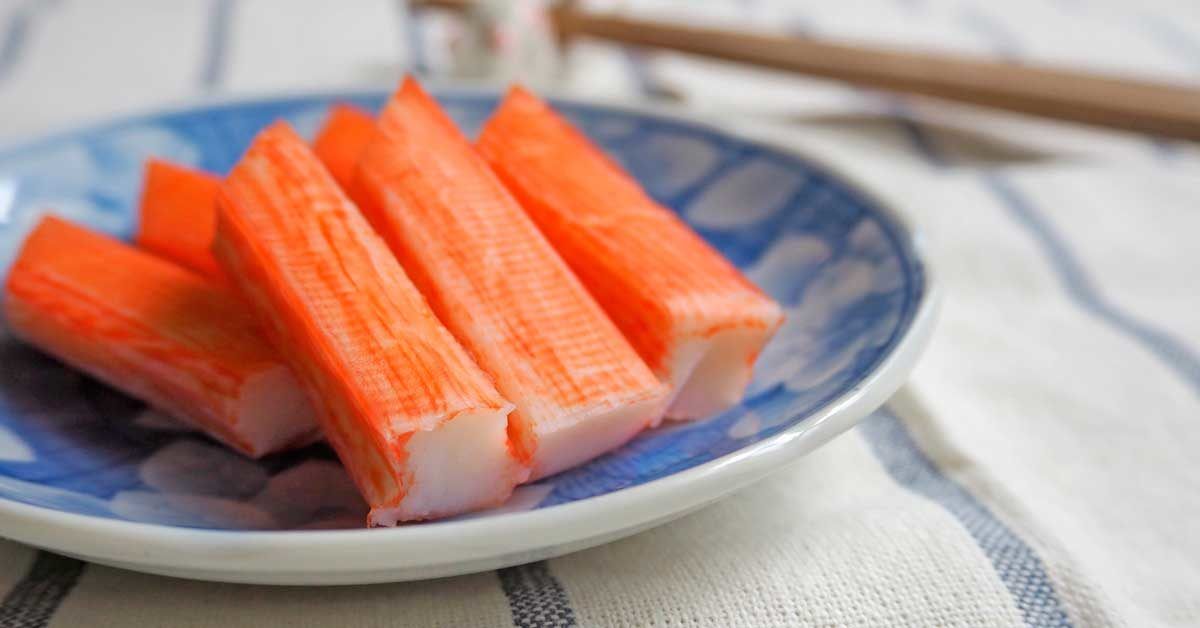
Transglutaminase is common in seafood processing. It may be used in imitation crab, fish balls, shrimp-based products, and restructured seafood portions. Because seafood proteins often benefit from improved binding, the enzyme can help create a springy, smooth texture.
Dairy Products
Some dairy products use transglutaminase to improve thickness and texture. Yogurt, cheese, and fermented milk products may benefit from better protein structure. The result can be a creamier mouthfeel without relying entirely on extra fat or stabilizers.
Plant-Based Meat Alternatives
As plant-based foods become more advanced, transglutaminase may also be used in plant-based meat, seafood, egg, or dairy alternatives. It can help bind soy, pea, wheat, or other plant proteins into a firmer structure.
Is Transglutaminase Legal in the United States?
Yes. In the United States, transglutaminase enzyme preparations have been reviewed through the GRAS process, which means “Generally Recognized as Safe.” The U.S. Food and Drug Administration has received GRAS notices for certain transglutaminase uses, and the U.S. Department of Agriculture’s Food Safety and Inspection Service has permitted its use in specific meat and poultry applications under defined conditions.
That does not mean manufacturers can use it however they want. Food ingredients must be used according to applicable rules, labeling requirements, and safety standards. For packaged foods, consumers may see terms such as “transglutaminase,” “TG enzyme,” or “enzyme” on ingredient labels. In meat and poultry products, labeling may also include wording that indicates the product is formed or reformed.
Restaurants are trickier. Menu descriptions do not usually list every processing aid or ingredient used before food arrives in the kitchen. If you are concerned, it is reasonable to ask whether a steak, seafood portion, or specialty item is whole-muscle or formed.
Is Meat Glue Safe to Eat?
For most healthy people, transglutaminase itself is not considered toxic when used properly in food. Regulatory agencies and food science organizations generally regard it as safe within approved uses. It is an enzyme, and enzymes are widely used in food production. Bread, cheese, beer, yogurt, and many fermented foods involve enzymes or microbes doing tiny behind-the-scenes jobs.
However, “safe” does not mean “zero concerns.” The biggest safety issue is usually not the enzyme itself. It is how restructured meat may change the risk profile of the food.
The Main Food Safety Concern: Bacteria Can Move Inside
With an intact steak, most harmful bacteria are usually on the surface. When the outside is seared, those bacteria are more likely to be destroyed. That is why many people eat whole-muscle steaks cooked medium rare.
But when several pieces of meat are joined together, surfaces that were once outside can become trapped inside. If bacteria were present on those surfaces, they may end up in the center of the formed product. That makes the product more like ground beef or mechanically tenderized meat from a food-safety standpoint.
This is why formed or restructured meat should be cooked carefully. A food thermometer is not optional kitchen nerd equipment here; it is the tiny metal wand of common sense. Ground meats should reach 160°F, poultry should reach 165°F, and whole cuts of beef, pork, veal, and lamb should reach at least 145°F with a three-minute rest. When in doubt about whether a product is intact or formed, cook it more cautiously.
Labeling and Consumer Trust
Another concern is transparency. Consumers deserve to know whether they are buying one intact cut of meat or a formed product made from multiple pieces. There is nothing automatically wrong with a formed product, but it should not be passed off as something it is not.
If a restaurant charges premium steakhouse prices for a restructured portion without disclosure, diners may feel misled. Nobody likes paying filet mignon money for a protein puzzle wearing a tuxedo.
Transglutaminase and Celiac Disease
One of the more complicated discussions around transglutaminase involves celiac disease. People with celiac disease must avoid gluten, a protein found in wheat, barley, and rye. The body’s immune reaction to gluten damages the small intestine.
Research has explored whether microbial transglutaminase may interact with gluten proteins in ways that could matter for people with celiac disease. Some studies suggest that when microbial transglutaminase cross-links gluten fragments, it may create compounds that could be more immunogenic for susceptible individuals. However, this topic is still debated, and research does not prove that transglutaminase causes celiac disease.
For people with diagnosed celiac disease, the practical advice is simple: be cautious with highly processed foods, read labels carefully, and choose certified gluten-free products when needed. The issue is not only transglutaminase itself. Commercial enzyme blends may include carriers or ingredients that could come from gluten-containing sources, dairy, or other allergens.
Can Transglutaminase Trigger Allergies?
Transglutaminase is not one of the major food allergens by itself. Still, commercial blends may contain ingredients such as milk proteins, gelatin, maltodextrin, or other carriers. People with food allergies should not assume every transglutaminase product is identical.
If you have allergies, celiac disease, gluten sensitivity, or dietary restrictions, check the ingredient list and allergen statements. For restaurant meals, ask questions. It may feel awkward for ten seconds, but that is better than spending the evening regretting a mystery entrée.
Does Cooking Destroy Transglutaminase?
Heat can deactivate enzymes, including transglutaminase, but the protein bonds it creates may remain. That is the point of using it. Once the food structure is formed, cooking does not simply “unglue” it.
From a safety perspective, the more important point is not whether heat deactivates the enzyme. It is whether the food reaches a safe internal temperature. If bacteria are inside a formed meat product, surface searing alone may not be enough.
How to Know If Meat Glue Was Used
At the grocery store, read labels carefully. Look for words such as:
- Transglutaminase
- TG enzyme
- Enzyme
- Formed
- Reformed
- Restructured
- Chopped and formed
In restaurants, it may be harder to tell. Perfectly uniform portions, unusually low prices for premium-looking cuts, or seafood that looks suspiciously seamless may raise questions. That does not prove transglutaminase was used, but it gives you a reason to ask.
Should You Avoid Transglutaminase?
Most people do not need to panic about transglutaminase. It is not a villain wearing a cape made of deli meat. If you eat processed foods occasionally, your overall diet quality matters more than one enzyme.
That said, some people may prefer to limit or avoid it:
- People with celiac disease or gluten sensitivity may want to be extra cautious with processed foods that contain enzyme preparations.
- People with food allergies should check for carriers and allergen statements.
- People who prefer minimally processed foods may choose whole cuts, fresh seafood, and simple ingredient lists.
- Anyone cooking formed meat should use a thermometer and cook it thoroughly.
Benefits of Transglutaminase
Transglutaminase is not used only to trick people. It has legitimate benefits in food manufacturing. It can reduce waste by allowing smaller pieces of meat or fish to be used instead of discarded. It can improve texture in lower-fat or lower-sodium products. It can help create plant-based foods with better bite and structure. It can also improve consistency, which matters for food service and packaged products.
In a world where food waste is a major issue, using edible trimmings more efficiently is not automatically a bad thing. The key is honest labeling and safe handling.
Risks and Controversies
The controversy around transglutaminase usually falls into three categories: food safety, transparency, and processed food concerns.
Food Safety
Restructured meat can carry a higher risk if it is undercooked because bacteria may be present inside the product. This risk can be managed with proper cooking, refrigeration, sanitation, and temperature control.
Transparency
Consumers should not be misled into thinking a formed product is a natural whole cut. Clear labeling protects trust. Food science is much less scary when it is not hiding behind a curtain whispering, “Don’t ask questions.”
Highly Processed Diets
Foods containing transglutaminase are often processed. That does not automatically make them unhealthy, but diets heavy in processed meats and ultra-processed foods are generally not ideal. Balance matters. Fresh foods, lean proteins, fruits, vegetables, whole grains, and minimally processed ingredients should still do most of the heavy lifting.
Tips for Consumers
If you want to make smart choices without turning grocery shopping into a detective drama, follow these practical tips:
- Read ingredient labels on processed meat, seafood, dairy, and plant-based products.
- Look for “formed,” “reformed,” or “restructured” wording on meat products.
- Use a food thermometer when cooking meat, especially burgers, formed steaks, poultry, and seafood products.
- Ask restaurants whether premium-looking cuts are whole-muscle or formed if it matters to you.
- Choose minimally processed proteins when you want maximum transparency.
- If you have celiac disease, food allergies, or strict dietary needs, choose certified products and ask manufacturers when labels are unclear.
Real-World Experiences: What Consumers Notice About Meat Glue
Most people do not discover transglutaminase by reading a food chemistry textbook on a relaxing Saturday night. They usually hear about it through a news story, a viral video, a restaurant rumor, or a suspiciously perfect steak that looks like it was designed by an architect. The first reaction is often surprise. Many consumers assume meat is either one natural piece or ground into a burger. The idea that smaller pieces can be joined into a larger cut feels strange because it challenges how we imagine food arriving on the plate.
In grocery stores, the experience is usually quiet and practical. A shopper may pick up a package of formed chicken, seafood, or deli meat and notice words like “formed,” “chopped,” “restructured,” or “enzyme.” At first, those words can sound alarming. But after a closer look, many people realize they already buy shaped foods all the time: nuggets, sausages, imitation crab, lunch meat, fish cakes, and plant-based patties. The difference is that transglutaminase makes the binding more precise and effective.
Restaurant experiences can feel more complicated. Imagine ordering a steak that looks impressively uniform, almost too perfect, with no natural variation in grain or shape. If it tastes good and is cooked safely, many diners may never question it. But if the menu presents it as a premium whole cut and the product is actually restructured, that can feel dishonest. The issue becomes less about the enzyme and more about trust. People do not necessarily hate food technology; they hate feeling tricked by it.
Home cooks who experiment with transglutaminase often describe it as powerful but unforgiving. It can bind proteins beautifully, but it requires careful measurement, clean surfaces, proper refrigeration, and safe cooking. It is not a casual sprinkle like black pepper. Used correctly, it can create impressive results, such as seafood rolls, uniform meat portions, or creative protein dishes. Used carelessly, it can create food-safety risks. The enzyme may be fancy, but bacteria remain extremely traditional: they still love poor temperature control.
People with dietary restrictions often have a different experience. Someone with celiac disease, a milk allergy, or religious dietary requirements may not be worried only about transglutaminase. They may also need to know what else is in the enzyme blend, whether the product contains hidden gluten, whether carriers are dairy-based, or whether the ingredient meets halal or kosher standards. For these consumers, clear labeling is not a luxury. It is the difference between confidence and guesswork.
The most balanced consumer experience is usually this: transglutaminase is not something to fear automatically, but it is something worth understanding. Once people learn what it does, the panic often drops. A formed meat product is not poison. A processed seafood item is not automatically suspicious. But consumers still have every right to ask what they are eating, how it was made, and how it should be cooked.
In everyday life, the best approach is calm curiosity. Read labels. Use a thermometer. Ask polite questions at restaurants. Choose whole, minimally processed foods when that matters to you. Enjoy processed foods occasionally if they fit your diet and preferences. Food science should not ruin dinner. Ideally, it should make dinner safer, more efficient, and maybe even tastierwithout making consumers feel like they need a forensic lab next to the salad spinner.
Conclusion: Is Transglutaminase Safe or Sketchy?
Transglutaminase, or meat glue, is a food enzyme that binds proteins together. It is used in meat, poultry, seafood, dairy, baked goods, and plant-based products to improve texture, structure, and consistency. In the United States, it is generally considered safe when used according to approved conditions.
The real concerns are practical rather than dramatic. Restructured meat must be handled and cooked properly because bacteria from the surface can end up inside the product. Labels should be clear so consumers know whether they are buying a whole cut or a formed food. People with celiac disease, gluten sensitivity, food allergies, or strict dietary needs should be extra careful with processed foods and enzyme blends.
So, is transglutaminase safe? For most people, yes, when used correctly. Is it something consumers should understand? Also yes. Food technology is not automatically bad, but transparency is delicious. And unlike mystery meat, transparency pairs well with everything.
Note: This article is for general educational purposes only and is not medical advice. People with celiac disease, food allergies, immune conditions, or special dietary needs should consult a qualified health professional and check product labels carefully.