

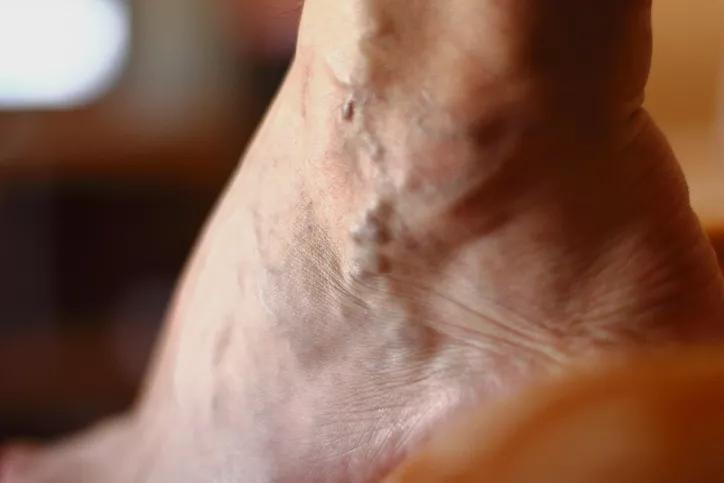
Varicose veins have a talent for being misunderstood. They show up uninvited, twist around like they own the place, and immediately attract opinions from everyone’s aunt, coworker, and random person in the pharmacy aisle. Some people think they are only a beauty issue. Others assume they only happen to older women, or that exercise will somehow make them angrier. Meanwhile, your legs are just trying to survive the day.
The truth is far less dramatic and far more useful. Varicose veins are enlarged, twisted veins that most often appear in the legs when the tiny one-way valves inside the veins weaken or stop working properly. Instead of moving blood smoothly back toward the heart, those valves allow blood to pool, pressure builds up, and the vein stretches. The result can be visible bulging veins, but also heaviness, aching, swelling, itching, nighttime cramps, and skin changes that are a lot less “cosmetic” than people assume.
If you have ever wondered what is fact, what is fiction, and what belongs in the same category as miracle belly-fat tea, this guide is for you. Let’s bust seven common myths about varicose veins and replace them with something better: useful information.
What Varicose Veins Really Are
Before the myths start swinging, it helps to know what varicose veins actually are. Healthy leg veins work against gravity every day. They rely on muscle movement and one-way valves to keep blood traveling upward. When those valves weaken or the vein walls lose strength, blood can flow backward or collect in the vein. Over time, the vein enlarges and becomes visibly twisted.
That is why varicose veins are most common in the legs and ankles. They are not random blue doodles your body decided to sketch one afternoon. They are usually a sign of vein dysfunction, often called venous reflux or venous insufficiency. In many people, they stay mild. In others, they bring pain, swelling, skin discoloration, or sores that heal poorly. So yes, they can be common. No, they should not be treated like meaningless decoration.
Myth #1: Varicose Veins Are Just a Cosmetic Problem
The truth: Sometimes they are cosmetic, but not always.
This is one of the biggest myths because it sounds half-true. Many people do have varicose veins that bother them mostly because of how they look. But “mostly cosmetic” is not the same as “harmless in every case.” Varicose veins can also cause leg heaviness, burning, throbbing, itching, swelling, cramping, and fatigue that gets worse after long periods of sitting or standing.
In more advanced cases, the skin around the ankles can darken, harden, or become irritated. Some people develop ulcers or open sores that heal slowly. Bleeding can happen too, especially if a vein is injured. That means dismissing all varicose veins as a vanity issue is like calling a smoke alarm “just a loud clock.” Sometimes the appearance is the least important part.
A good rule of thumb: if your veins come with pain, swelling, skin changes, tenderness, or sores, it is worth being evaluated instead of playing the classic game of “I’ll deal with it later.”
Myth #2: Only Women Get Varicose Veins
The truth: Women get them more often, but men are absolutely invited to this party too.
Women are more likely to develop varicose veins, especially with factors like pregnancy, hormonal shifts, and age. But men can get them too, and plenty do. Family history, prolonged standing, obesity, inactivity, aging, and prior vein problems do not check your gender before making trouble.
This myth matters because some men ignore symptoms for too long, assuming varicose veins are not really “their issue.” Then months later they are dealing with aching legs, swelling, or skin irritation that could have been addressed earlier. Veins, unfortunately, do not care about stereotypes.
So if a man notices rope-like veins, heaviness at the end of the day, or ankle swelling, the right response is not, “Well, that’s odd.” The right response is, “Maybe my veins need attention.”
Myth #3: Varicose Veins Only Happen to Older People
The truth: Age raises the risk, but younger adults can get them too.
It is true that age increases the odds. As we get older, vein valves and calf muscles may not work as efficiently as they once did. But age is not a magic entry ticket. Younger adults can develop varicose veins, especially if they have a strong family history, spend long hours standing or sitting, are pregnant, carry extra weight, or have jobs that make their legs do too much of the heavy lifting.
Think of a hair stylist on their feet all day, a warehouse worker, a teacher who hardly sits, or a desk worker who barely moves for hours. Those habits and conditions can add up, even before middle age. In other words, varicose veins are not an exclusive retirement perk. Sometimes they arrive early and rudely.
That is why prevention and symptom management matter sooner rather than later. Waiting until “older” is not a strategy. It is just procrastination wearing orthopedic shoes.
Myth #4: Exercise Makes Varicose Veins Worse
The truth: The right kind of exercise usually helps.
This myth scares people away from one of the most useful habits for vein health. Regular movement helps the calf muscles squeeze blood upward through the legs, which supports circulation. Walking, cycling, and swimming are often recommended because they encourage blood flow without placing extreme strain on the veins.
That does not mean every workout feels amazing if your legs already ache. High-impact activity may feel uncomfortable for some people, and anyone with significant symptoms should talk with a healthcare professional about the best plan. But in general, avoiding movement entirely is not the answer. Sitting still for long stretches tends to be more of a problem than reasonable exercise.
Picture two people with similar symptoms. One sits for hours, rarely moves, and assumes rest is always best. The other takes daily walks, stretches, elevates their legs when needed, and keeps their weight in a healthier range. Guess whose veins usually get the better support? The answer is not the couch champion.
Myth #5: Compression Stockings Cure Varicose Veins
The truth: They help manage symptoms, but they do not repair damaged valves.
Compression stockings are useful. They can reduce swelling, improve comfort, and help blood move more efficiently through the legs. For some people with mild symptoms, they are part of a very effective daily routine. But they are a management tool, not a magical reset button.
If the underlying valve problem is still there, the vein is still prone to abnormal blood flow. That is why stockings may ease discomfort without making the damaged vein disappear. They can help you feel better, function better, and sometimes slow progression, but they do not “cure” varicose veins in the way people often hope.
It is better to think of compression like eyeglasses for vein symptoms. Helpful? Often. A replacement for the eye itself? Not even close.
Myth #6: Surgery Is the Only Real Treatment
The truth: Modern treatment is often minimally invasive.
Many people hear “vein treatment” and immediately imagine dramatic surgery, weeks off their feet, and a medically themed horror movie. That picture is outdated. Today, treatment options often include minimally invasive procedures such as sclerotherapy, endovenous laser treatment, radiofrequency ablation, and other vein-closing techniques performed in outpatient settings.
These treatments work by closing or removing the diseased vein so blood can reroute through healthier veins. Recovery is often much easier than people expect. In many cases, patients return to normal activities quickly. Traditional surgical vein stripping still exists for selected cases, but it is no longer the only option on the menu.
The best treatment depends on the size and location of the veins, the presence of symptoms, ultrasound findings, skin changes, and overall health. So no, treating varicose veins does not automatically mean dramatic surgery. Sometimes it means a short office-based procedure and a pair of compression stockings afterward, not a Victorian fainting couch.
Myth #7: If Varicose Veins Don’t Hurt, You Can Ignore Them Forever
The truth: Pain is not the only sign that a vein problem deserves attention.
Some varicose veins are painless for a long time. That can make them easy to ignore. But the absence of pain does not guarantee the absence of progression. Some people gradually develop swelling, itching, skin darkening, thickening, or sores without ever having a dramatic “something is wrong” moment.
It is also possible for symptoms to fluctuate. A person may feel fine most mornings and miserable after a hot day, a long shift, or travel. The problem is not always constant, which makes it easy to underestimate. That is why visible veins combined with recurring heaviness, swelling, skin changes, or a family history of vein disease are worth paying attention to.
And if you notice a suddenly painful or tender area, new swelling in one leg, bleeding, or an ulcer that is not healing, that is not the time to be stoic. That is the time to get medical advice.
What Actually Helps
Once the myths are out of the way, the practical stuff gets easier. Helpful strategies often include regular walking or other leg-friendly exercise, elevating the legs periodically, avoiding long stretches of sitting or standing without movement, maintaining a healthy weight, and using compression stockings when recommended. These steps can improve comfort and circulation, even if they do not erase the veins themselves.
If symptoms persist or the veins are worsening, a clinician may recommend a duplex ultrasound to look at blood flow and valve function. That test helps guide whether self-care is enough or whether a procedure would make sense.
The main point is simple: varicose veins are common, manageable, and often treatable. They are not a moral failing, not proof that you crossed your legs “wrong” in 2017, and not something you have to silently tolerate forever.
Real-Life Experiences People Commonly Report
One of the trickiest things about varicose veins is that they do not always announce themselves with dramatic pain right away. For many people, the first clue is not a medical emergency. It is a weird end-of-day heaviness. Your legs feel tired in a way that seems out of proportion to what you actually did. You may think, “Maybe I’m just getting older,” or “Maybe I need better shoes,” and sometimes those guesses do not sound unreasonable.
A teacher might notice that by the last class of the day, one calf feels full and achy. A retail worker may come home and immediately want to prop both legs on the couch because standing all day makes the throbbing worse. A desk worker may find that after a long stretch of sitting, their ankles look puffier than they did that morning. None of these experiences automatically scream “varicose veins,” which is exactly why people often miss the pattern at first.
Pregnancy brings another common experience. Someone who never paid much attention to the veins in their legs may suddenly see new bulging lines or feel pressure in the legs late in pregnancy. Sometimes those veins improve after delivery. Sometimes they shrink but do not completely disappear. Sometimes they return with the next pregnancy like a sequel nobody asked for.
People also describe the emotional side of the condition. Some feel self-conscious wearing shorts, skirts, or swimsuits. Others are less bothered by appearance and more annoyed by the constant itchiness, heaviness, or nighttime cramps. In real life, varicose veins are rarely just one thing. They can affect comfort, activity, confidence, clothing choices, sleep, and even how long someone feels able to stand or walk before needing a break.
Then there is the “I thought this was normal” crowd. These are the people who have had symptoms for so long that discomfort becomes background noise. They stand, ache, sit, swell, elevate, repeat. When they finally get evaluated, they are often surprised to learn that the symptoms connect to a treatable vein issue rather than some mysterious leg curse. That moment can be oddly relieving. It turns out the legs were not being dramatic after all.
Another common experience is trial and error. People try new shoes, more water, less salt, stretching, massage, or over-the-counter creams before realizing the real issue is venous. Some of those steps may help a little, especially if swelling is involved, but they do not fix damaged valves. That is why a proper evaluation matters when symptoms keep returning.
And finally, many people say they delayed care because they assumed treatment would be intense, painful, or purely cosmetic. Once they learn more about modern options, they often wish they had looked into it sooner. Not because every visible vein needs a procedure, but because understanding what is going on tends to reduce fear, improve daily habits, and make decisions much easier. Knowledge may not be a compression stocking, but it does offer support.
Final Thoughts
Varicose veins are common, but common does not mean trivial. They can be visible, annoying, uncomfortable, and sometimes medically significant. The biggest mistake is not having them. It is believing myths that keep you from understanding what is happening and what can help.
So the next time someone confidently says varicose veins are only cosmetic, only happen to women, or only need “real treatment” if you are headed into surgery, you can smile politely and retire that myth on the spot. Your veins may be twisted, but the facts do not have to be.