

Note: This article is written for web publishing in standard American English, with SEO-friendly structure, natural keyword usage, and no placeholder citation artifacts.
Some radiators are shy. They hide behind sofas, sulk under windows, and pretend not to be part of the room. Then there is Vasco’s Arche Tulipa Vertical TV2 Radiator, a designer heating solution that basically walks into the space wearing a tailored coat and says, “Yes, I heat the room, but I also have cheekbones.”
The Tulipa Vertical TV2 is not the kind of radiator people choose only because the old one finally gave up after making noises like a haunted tea kettle. It belongs to a more design-conscious category: vertical designer radiators that combine heating performance, architectural presence, and practical space-saving benefits. For homeowners, designers, remodelers, and anyone tired of treating heat emitters like ugly necessary appliances, the Vasco Tulipa TV2 offers a polished alternative.
Known in current Vasco materials as the Tulipa-A Vertical TV2-A, this steel design radiator has a distinctive open structure, vertical orientation, and tube arrangement that gives it a clean, sculptural look. It is intended for hydronic heating systems, where hot water circulates through the radiator to warm the room. In simpler terms, it turns heated water into cozy indoor comfort without needing to look like something rescued from a basement in 1974.
What Is Vasco’s Arche Tulipa Vertical TV2 Radiator?
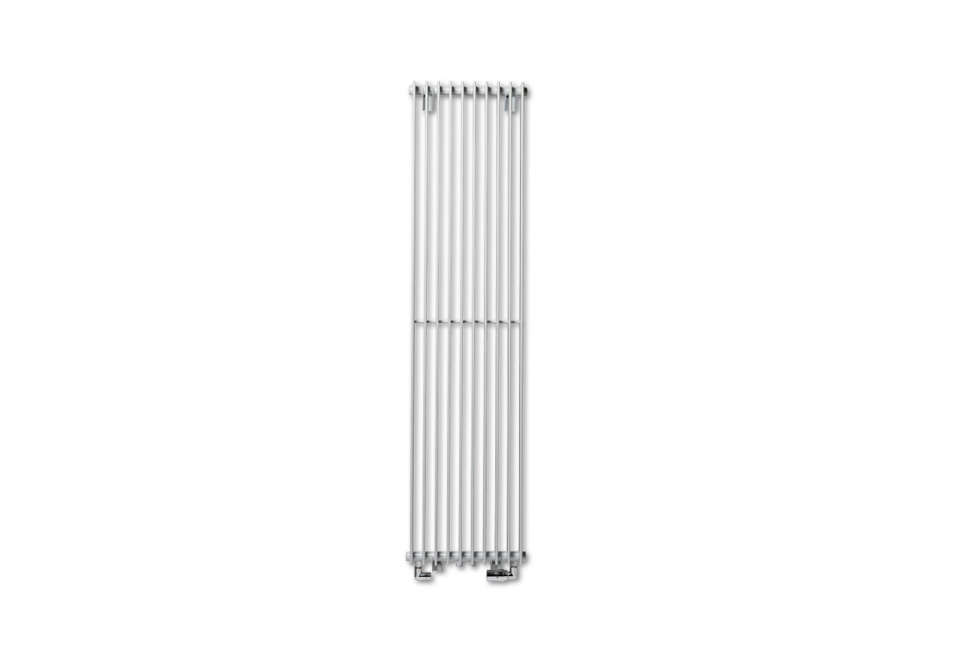
The Vasco Arche Tulipa Vertical TV2 Radiator is a tall, steel designer radiator created for interiors where performance and appearance both matter. Rather than stretching low and wide along a wall, it rises vertically, making it especially useful in rooms where horizontal wall space is limited. Think bathrooms, kitchens, hallways, narrow living areas, home offices, and modern open-plan spaces where every inch of wall has already been claimed by windows, cabinetry, artwork, or that one chair nobody sits in but everyone insists is “important for the room.”
Its design is based on vertical tubes connected perpendicularly to collectors, creating an open, airy structure. This openness is not just visual. It helps make the radiator easier to access and clean compared with bulkier closed designs. Vasco’s own product description emphasizes this open structure and notes that it contributed to an official hygiene certificate, making the radiator suitable for a wide range of home applications.
The Tulipa TV2 is a steel design radiator, which matters because steel radiators are valued for a balance of durability, responsive heat output, and design flexibility. The model comes in multiple heights and widths, allowing homeowners and professionals to match the radiator to the room’s heating load instead of playing the old game of “hope this one gets warm enough.” Spoiler: hope is not a heating strategy.
Why Vertical Radiators Are Having a Moment
Vertical radiators solve one of the most common design problems in homes: where do you put the heat when your walls are already busy? Traditional horizontal radiators usually live under windows or along long walls. That can work beautifully in older homes, but modern layouts often tell a different story. Large glass doors, floating vanities, compact bathrooms, built-in shelves, and open kitchens can leave very little usable horizontal wall area.
A vertical radiator uses height instead of width. That makes it easier to place in narrow wall sections, between doors, beside cabinetry, or in awkward corners that would otherwise contribute nothing except dust and mild regret. This is one reason the Vasco Tulipa Vertical TV2 appeals to interior designers: it gives them more layout freedom while still delivering functional heat.
There is also an aesthetic advantage. A tall radiator can visually elongate a room, much like vertical paneling or floor-to-ceiling curtains. The Tulipa’s vertical rhythm adds architectural structure without overwhelming the wall. It feels intentional, not accidental. In a bathroom, it can sit like a slim design feature. In a hallway, it can look like part of the architecture. In a living room, it can become a quiet focal point rather than a thing you apologize for when guests visit.
Design Features That Make the Tulipa TV2 Stand Out
1. Open Structure for a Lighter Look
The open structure of the Tulipa TV2 is one of its most important design characteristics. Many radiators feel visually heavy because they are block-like or panel-based. The Tulipa’s exposed tubes create negative space, which helps it look lighter on the wall. This can be especially valuable in smaller rooms where bulky fixtures make the space feel crowded.
That open form also supports practical cleaning. Dust is the uninvited roommate of every heating system, and radiators with tight gaps can be annoying to maintain. With the Tulipa’s more accessible tube layout, routine cleaning becomes less of a tiny domestic expedition.
2. Strong Vertical Lines
The Tulipa Vertical TV2 leans into verticality. Its slim, upright appearance works well with contemporary interiors, minimalist bathrooms, spa-inspired remodels, and transitional homes where classic comfort meets modern detailing. It does not scream for attention, but it does raise its hand politely and say, “I belong here.”
3. Steel Construction
Steel is a common material for designer radiators because it supports clean forms, reliable heating performance, and long-term durability when properly installed and maintained. The Tulipa TV2 is built as a steel design radiator, meaning it is not simply a heating appliance but part of the room’s visual composition.
4. Multiple Size Options
One of the best things about the Vasco Tulipa Vertical TV2 is that it is not a one-size-fits-all product. Technical listings show multiple width and height combinations, with heat outputs varying by size and temperature regime. Smaller models can suit compact rooms or supplemental heating needs, while larger versions provide higher output for bigger spaces. This flexibility is important because radiator selection should be based on room size, insulation level, ceiling height, window area, and the temperature of the heating system.
Heating Performance: Pretty Is Nice, But Warm Is the Point
A designer radiator still has one job it cannot charm its way out of: heating the room. The Vasco Arche Tulipa Vertical TV2 Radiator is designed for hot-water heating systems and is rated in watts under standard test conditions. In technical documents, heat outputs are typically shown at different temperature regimes, such as higher-temperature systems and lower-temperature systems.
This matters because a radiator connected to a traditional boiler operating at higher supply temperatures will produce more heat than the same radiator connected to a lower-temperature system. As homes move toward improved insulation and more efficient heating equipment, including heat-pump-compatible hydronic systems, sizing becomes even more important. A radiator that looks perfect but is undersized will leave you wearing socks so thick they deserve their own zip code.
For best results, the radiator should be selected after a proper heat-loss calculation. That calculation considers the room’s dimensions, climate, insulation, windows, exterior walls, and desired indoor temperature. A heating professional can then recommend the appropriate Tulipa TV2 size and connection configuration.
Best Rooms for the Vasco Tulipa TV2
Bathrooms
Bathrooms are natural candidates for vertical designer radiators. Wall space is often limited by vanities, mirrors, showers, tubs, doors, and storage. The Tulipa’s narrow vertical form can fit into available wall sections while adding warmth and style. Depending on accessories and installation choices, some vertical radiators can also work with towel-related functions, but buyers should confirm compatible Vasco accessories before planning around that feature.
Kitchens
Kitchens are notoriously difficult places to position radiators. Cabinets and appliances dominate the walls, and placing a heat source behind a breakfast bench or under a run of cabinetry is usually not ideal. A vertical radiator can use a slim wall return, a column near a dining nook, or an area beside a pantry. The Tulipa TV2’s design makes it suitable for kitchens that want warmth without sacrificing storage.
Hallways and Entry Areas
A hallway radiator should be compact, efficient, and tough enough for everyday traffic. The Tulipa’s vertical profile helps keep floor-level wall space clearer, reducing the chance of furniture or clutter blocking heat circulation. In an entryway, it can also create a welcoming first impression. Nothing says “come in” quite like a warm hallway, unless you also have cookies, in which case congratulations, you have defeated winter.
Living Rooms and Open Spaces
In larger rooms, the Tulipa TV2 can work as a design-forward heating element, especially when paired with other radiators or zoned heating. Larger widths and heights provide greater heat output, making the model suitable for more demanding applications when correctly specified.
Installation Considerations Before Buying
Before choosing Vasco’s Arche Tulipa Vertical TV2 Radiator, homeowners should consider system compatibility, available wall structure, pipe routing, valve placement, and heat-output requirements. This is not the kind of product to buy because it looked good in a photo at 1:12 a.m. while you were “just browsing.” Designer radiators need planning.
Check the Heating System
The Tulipa TV2 is a hydronic radiator, meaning it is intended for a hot-water heating system. It is not the same as a portable electric heater. It must be connected correctly to the home’s heating circuit, and installation should be handled by qualified professionals familiar with hydronic systems.
Confirm Wall Support
Steel radiators can be heavy, especially larger models when filled with water. The wall must be able to support the radiator safely. In some cases, wall reinforcement or specific mounting hardware may be needed. Vasco technical materials also reference options such as fixed feet for certain configurations, which can be relevant in free-standing or special installation situations.
Plan the Pipe Connections
Pipe location affects the final appearance. A beautiful radiator can lose some of its magic if the pipework looks like it was improvised during a lunch break. Discuss connection options with the installer early, especially in remodels where walls and floors may already be finished.
Do Not Block the Radiator
Like all radiators, the Tulipa TV2 needs room to breathe. Avoid placing large furniture directly in front of it. Blocking a radiator reduces heat distribution and forces the system to work harder. The goal is to heat the room, not the back of a cabinet that never said thank you.
Maintenance Tips for Long-Term Performance
A well-installed radiator should be straightforward to live with, but it still deserves basic care. The most common maintenance step for hot-water radiators is bleeding trapped air when needed. Air in the system can reduce efficiency and cause cold spots, especially near the top of the radiator. If the radiator feels unevenly warm, makes gurgling noises, or refuses to heat properly, air may be part of the problem.
Homeowners should also keep the radiator clean, check valves for leaks, and make sure the system pressure remains within the correct range. In many homes, annual heating-system maintenance before cold weather is a smart routine. A technician can inspect the boiler or heat source, pumps, valves, expansion tank, and radiator performance.
Cleaning the Tulipa TV2 is helped by its open design. A soft cloth, radiator brush, or vacuum attachment can remove dust from between tubes. Avoid abrasive cleaners that may damage the finish. If the radiator is installed in a bathroom or humid area, keeping the surface clean and dry when possible can help preserve its appearance over time.
Style Tips: How to Make the Tulipa TV2 Look Its Best
The Tulipa Vertical TV2 already has a strong design identity, but placement and surrounding decor make a big difference. In minimalist rooms, use it as a quiet architectural accent. In more expressive interiors, consider a finish that coordinates with hardware, tile, cabinetry, or wall color. A radiator does not always need to disappear. Sometimes the best design move is to let it be visible.
For a calm look, install it on a wall painted in a similar tone. For contrast, place it against a darker or lighter background to highlight its vertical silhouette. In bathrooms, pair it with simple fixtures and uncluttered surfaces. In living spaces, let it breathe visually; crowding it with furniture or decor reduces both its design impact and heating performance.
Because the Tulipa TV2 has an open, tube-based design, it works especially well in interiors that already use vertical elements: tall mirrors, slim lighting, linear tile, fluted wood, or vertical cabinet pulls. The repeated lines create visual harmony without making the room feel overly matched.
Pros and Cons of Vasco’s Arche Tulipa Vertical TV2 Radiator
Pros
- Space-saving vertical format: Excellent for rooms with limited horizontal wall space.
- Designer appearance: Functions as both a heat source and an interior design feature.
- Open structure: Gives the radiator a lighter look and supports easier cleaning.
- Multiple sizes: Allows better matching to room heating requirements.
- Steel construction: Offers durability and a refined modern finish.
Cons
- Requires professional installation: It must be properly connected to a hydronic system.
- Needs correct sizing: Choosing by appearance alone can lead to underheating.
- May require wall reinforcement: Larger steel radiators can be heavy when filled with water.
- Not ideal behind furniture: Like all radiators, it needs clear airflow and exposure.
Who Should Consider the Vasco Tulipa TV2?
The Vasco Tulipa Vertical TV2 Radiator is best for homeowners and designers who want a heating solution that looks deliberate. It is a strong fit for remodels, custom homes, boutique bathrooms, modern kitchens, stylish hallways, and spaces where standard radiators feel visually clunky.
It is also a smart choice for people who value long-term design. Trendy fixtures can age quickly, but simple vertical geometry tends to stay relevant. The Tulipa TV2 has enough personality to be noticed but not so much drama that it will demand a renovation every time your taste changes.
Real-World Experiences With Vasco’s Arche Tulipa Vertical TV2 Radiator
Living with a vertical designer radiator is a little different from living with a traditional baseboard or old cast-iron unit. The first thing many homeowners notice is the visual change. A room can feel more organized simply because the heat source has moved upward and taken on a cleaner shape. In a small bathroom, for example, replacing a squat radiator with a tall vertical model can make the wall feel taller and the floor plan less cramped. It is not magic, but it is the kind of design trick that makes guests ask whether you also hired someone to “do the lighting.”
Another experience is the way people stop apologizing for the radiator. Older radiators often become obstacles: furniture gets arranged around them, curtains fight with them, and homeowners try to hide them behind covers that may reduce performance. With the Vasco Tulipa TV2, the radiator can be part of the design plan from the beginning. In a hallway, it may become a slim architectural accent. In a kitchen, it can occupy a narrow wall that would otherwise be wasted. In a bathroom, it can add a spa-like sense of intention, especially when paired with simple tile, matte hardware, and clean lines.
Comfort also feels different when the radiator is properly sized. Hydronic heat is often appreciated for its steady, gentle warmth. There is no blast of air, no dramatic fan noise, and no dusty breeze announcing that the heating system has entered the chat. The room simply becomes warmer. That quietness is easy to underestimate until you spend time in a home where the heating feels calm rather than mechanical.
Installation experiences depend heavily on planning. In new construction or major remodels, the Tulipa TV2 is easier to integrate because pipe routes, wall support, and finish choices can be coordinated early. In existing homes, installation may require more creativity. The best outcomes usually happen when the homeowner, designer, and installer discuss the radiator before walls are closed and finishes are ordered. Nobody wants to discover too late that the ideal radiator location is exactly where a pipe, stud, vanity, or electrical run has already claimed the territory.
Maintenance is generally simple, but the radiator still benefits from seasonal attention. Homeowners who keep it dust-free, avoid blocking it with furniture, and have the hydronic system checked regularly tend to get better comfort and efficiency. The open structure makes cleaning less frustrating than with some dense radiator designs. That may sound like a small thing, but anyone who has tried to clean a complicated radiator with a cloth, a vacuum, and the emotional resilience of a mountain climber will appreciate it.
The main lesson from real-world use is this: the Vasco Tulipa TV2 performs best when treated as both equipment and design. It should be sized like a heating appliance, installed like a serious mechanical component, and styled like a permanent part of the room. Do those three things, and it can deliver warmth without bullying the decor.
Conclusion
Vasco’s Arche Tulipa Vertical TV2 Radiator is a compelling option for anyone who wants heating performance without sacrificing interior style. Its vertical steel design, open tube structure, and flexible sizing make it especially useful in modern homes where wall space is precious and aesthetics matter. It is not a casual plug-in heater or a decorative afterthought. It is a serious hydronic radiator that deserves proper sizing, professional installation, and thoughtful placement.
For bathrooms, kitchens, hallways, and design-forward living spaces, the Tulipa TV2 offers a rare combination: practical warmth, architectural presence, and everyday usability. It saves space, looks refined, and helps turn the radiator from something you hide into something you actually chose on purpose. In the world of home heating, that is a surprisingly big upgrade.