

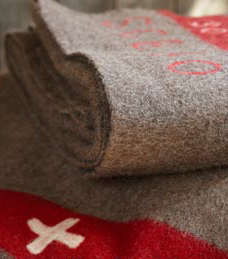
A vintage Swiss Army blanket is the kind of home item that looks like it has already survived three mountain storms, one cabin renovation, and at least one dramatic cup of coffee. Thick, woolly, practical, and surprisingly stylish, it has moved far beyond its original military purpose. Today, collectors, campers, interior designers, and sustainability-minded shoppers hunt for these blankets because they combine utility with character in a way modern throw blankets often try very hard to imitate.
The classic version is usually recognized by its dense wool body, muted brown or gray tone, red stripe accents, and the unmistakable Swiss cross. Some are genuine military surplus, some are vintage-style reproductions, and some are lovingly upcycled into pillows, bags, coats, bench cushions, and rustic decor. Either way, the appeal is clear: a vintage Swiss Army blanket feels honest. It is not pretending to be delicate. It is not asking to be “dry-cleaned emotionally.” It is built to work.
What Is a Vintage Swiss Army Blanket?
A vintage Swiss Army blanket is a wool military blanket associated with Swiss military issue and surplus traditions. Original examples were made for practical use: warmth, portability, durability, and field performance. Unlike lightweight decorative throws, these blankets were designed to handle cold weather, rough storage, and repeated use. That is why so many old pieces still exist in usable condition today.
Most vintage Swiss Army wool blankets feature a simple but striking design. The body is commonly brown, gray, or chestnut-toned. Red stripes run near the ends or through the central field, and many versions include a white Swiss cross. Some examples may have woven labels, embroidered marks, initials, maker stamps, or military-style numbers. These details are part of the charm and can help buyers distinguish older surplus pieces from modern reproductions.
Sizes vary, but many blankets fall around single-bed or camp-blanket dimensions, often close to 60 by 80 inches. Weight also varies depending on age, weave, and wool content, but a good Swiss Army blanket often feels heavier than a standard household throw. That heft is not a flaw. It is the blanket equivalent of a firm handshake.
Why the Vintage Swiss Army Blanket Became So Popular
The popularity of the vintage Swiss Army blanket comes from a rare mix of history, performance, and design. It looks rugged without being messy, old without feeling outdated, and practical without sacrificing charm. In a world full of synthetic fleece throws that flatten after two winters, a dense wool military blanket feels refreshingly serious.
It Has Real Heritage
Military blankets were not created for decoration first. They were made to keep people warm in demanding conditions. Swiss military-style wool blankets became known for their clean design and durable construction. The Swiss cross and red stripe pattern created a recognizable identity, which is one reason these blankets remain collectible.
It Works Indoors and Outdoors
A vintage Swiss Army blanket can sit at the end of a bed, cover a leather sofa, ride in the back of a truck, or serve as a campfire layer. It is equally comfortable in a mountain cabin, farmhouse bedroom, minimalist loft, or emergency car kit. Few home textiles can move from “rustic interior design” to “survival gear” without looking confused.
It Fits the Sustainable Shopping Trend
Buying vintage is one of the simplest ways to reduce waste. Instead of purchasing a brand-new decorative blanket made from synthetic materials, many shoppers choose a vintage wool blanket that already exists and still has decades of use left. Wool itself is a natural fiber, and high-quality wool blankets can last for generations when properly cared for.
Key Features of a Vintage Swiss Army Wool Blanket
When evaluating a vintage Swiss Army blanket, look beyond the first impression. The best pieces usually have several important features in common.
High Wool Content
Original and vintage-style Swiss Army blankets are valued largely because of wool. Wool is naturally warm, breathable, moisture-managing, and resilient. Some original blankets may be pure wool, while many reproductions use blends such as 70% to 80% wool with synthetic fibers for added durability or lower cost. A higher wool percentage generally means better insulation and a more authentic feel.
Dense Weave
A good military wool blanket should feel tightly woven and substantial. The weave helps trap warm air while resisting wear. Loose, thin, or flimsy blankets may still be attractive, but they will not provide the same performance as a dense vintage wool blanket.
Red Stripes and Swiss Cross
The red stripe and white cross are the visual signatures most people associate with Swiss Army blankets. However, placement and design can vary. Some blankets have two red bands. Others feature a central cross or cross-like embroidered detail. Reproductions often copy these elements, so the design alone does not prove authenticity.
Stamps, Dates, or Maker Marks
Some older military blankets include stamps, initials, dates, or manufacturer marks. These details can increase collector interest, especially if the blanket is in good condition. Still, markings should be treated as clues, not guarantees. Vintage textile markets include both authentic surplus and convincing reproductions.
Original vs. Reproduction Swiss Army Blankets
One of the biggest questions buyers ask is simple: “Is this blanket original?” The answer matters because original surplus blankets and modern reproductions can differ in value, wool quality, construction, and collectibility.
Original Swiss Army Blankets
Original vintage Swiss Army blankets are older military-issued or military-surplus wool blankets. They may show wear, fading, small repairs, edge stitching, storage marks, or minor moth bites. These signs are not always negative. In fact, they often prove the blanket lived a real life before showing up in your living room like a retired alpine hero.
Original pieces tend to attract collectors because of their history. A blanket with visible age, authentic markings, and intact structure may be more desirable than a perfect-looking reproduction. However, condition is important. Heavy moth damage, strong odors, dry rot, or large holes can reduce usability and value.
Reproduction Swiss Army Blankets
Reproductions are newly made blankets inspired by the classic Swiss military style. Many are attractive and practical, especially for buyers who want the look without paying collectible prices. Reproductions may use wool blends, machine embroidery, modern labels, and standardized sizing.
A reproduction is not automatically bad. For camping, pet-friendly homes, guest rooms, or everyday use, a sturdy reproduction can be a smart choice. The key is honesty. A blanket should be sold as reproduction if it is reproduction. Nobody wants to pay original-surplus money for a blanket that was born last Tuesday.
How to Identify a Quality Vintage Swiss Army Blanket
If you are shopping online or in an antique store, use a simple inspection checklist before buying.
Check the Material
Look for wool content information. If the listing says “wool blend,” ask for the percentage if it is not provided. A 70% wool blanket may still perform well, but it is not the same as a 100% wool blanket. Avoid listings that use vague phrases like “wool feel” unless you are comfortable with a synthetic product.
Study the Edges
Edges reveal a lot. Original and well-made blankets usually have sturdy stitching, whipstitching, or bound edges. Fraying can be acceptable on a vintage piece, but severe edge loss may shorten the blanket’s lifespan.
Look for Moth Damage
Small moth nips are common in vintage wool and may not affect function. Large clusters of holes, weak patches, or powdery fiber damage are bigger concerns. Ask sellers for close-up photos in bright light. If the seller only provides one blurry photo taken from across the room, proceed with caution.
Smell Matters
Vintage wool can have a natural wool scent, but mildew, smoke, chemical odor, or heavy storage smell can be difficult to remove. A light musty smell may improve with airing, but deep odors require more effort. If you are sensitive to smells, ask before buying.
Confirm the Size
Do not assume every Swiss Army blanket is the same size. Some are closer to a throw, some fit a twin bed, and some work better as a sofa cover or camp blanket. Always check measurements, especially if you plan to use it as bedding.
Best Uses for a Vintage Swiss Army Blanket
The vintage Swiss Army blanket is wonderfully versatile. It is not just a collectible; it is a working textile with serious range.
Bedroom Layer
Placed across the foot of a bed, it adds warmth and texture without making the room look staged. The red stripes create a subtle design accent, while the wool adds depth. Pair it with white cotton sheets, linen bedding, or a neutral duvet for a balanced look.
Sofa Throw
A Swiss Army wool blanket can instantly make a sofa look more grounded. It works especially well with leather, canvas, denim, and natural wood. It says, “Yes, this room has style, but you may also sit down without fear.”
Camping Blanket
Wool is a classic outdoor material because it insulates well and handles moisture better than many fibers. A vintage Swiss Army blanket can be used around camp, over a sleeping bag, under a picnic setup, or as an emergency warmth layer. For wet ground, place a waterproof barrier underneath rather than letting the wool soak directly.
Car Emergency Kit
Keeping a wool blanket in the car is practical, especially for winter driving, road trips, camping, or power outages. It can provide warmth, protect seats, cushion gear, or help in unexpected delays. It is not a replacement for a full emergency kit, but it is one of the most useful items you can keep in the trunk.
Upcycled Decor
Damaged blankets can be repurposed into pillows, ottoman covers, tote bags, dog beds, Christmas stockings, or rustic upholstery. This is a great option when the blanket has holes but still has beautiful sections of usable fabric. Upcycling keeps old wool out of the waste stream and gives it a second career.
How to Style a Vintage Swiss Army Blanket at Home
A vintage Swiss Army blanket can look rugged, refined, or cozy depending on how you style it. The trick is to let the blanket be the character piece without turning the room into a surplus warehouse.
Rustic Cabin Style
Pair the blanket with wood furniture, iron hooks, leather chairs, stone fireplaces, and warm lighting. The blanket naturally complements cabin interiors because it already carries an outdoorsy mountain feel.
Modern Minimalist Style
In a modern room, use the blanket as one strong visual accent. Fold it neatly over a bench, platform bed, or clean-lined sofa. The contrast between old wool and modern furniture creates a smart, collected look.
Farmhouse Style
Swiss Army blankets work well with farmhouse interiors because they have texture without being too fancy. Combine one with cream bedding, antique trunks, woven baskets, and matte black hardware for a cozy but uncluttered result.
Masculine or Industrial Style
The military heritage, muted colors, and heavy wool make the blanket a natural fit for industrial spaces. It pairs well with steel, brick, reclaimed wood, and dark leather. Add a Swiss Army blanket to a metal-frame bed or workshop-style reading chair, and the room immediately feels warmer.
How to Clean and Care for a Vintage Swiss Army Blanket
Wool is durable, but it is not indestructible. Proper care is the difference between a blanket that lasts for decades and one that shrinks into a sad little wool tortilla.
Air It Out First
Before washing, air the blanket outside in a shaded, dry area. Fresh air can remove light storage odors and revive wool fibers. Avoid direct harsh sunlight for long periods, as it may fade the colors.
Spot Clean When Possible
For small stains, use cold water and a wool-safe detergent. Blot gently instead of scrubbing. Aggressive rubbing can felt the wool or distort the surface.
Wash Carefully
If the blanket must be washed, use cold water and a gentle wool wash. Hand washing is safest for many vintage pieces. Avoid hot water, bleach, and heavy agitation. Heat and friction can shrink or felt wool.
Dry Flat
Never tumble dry a vintage wool blanket on high heat. Press out excess water with towels, then lay the blanket flat to dry. Hanging a wet wool blanket can stretch it because wet wool becomes heavy.
Store It Properly
Store the blanket clean, dry, and folded. Use a breathable cotton storage bag or a clean storage bin in a dry area. Cedar blocks or lavender sachets can help discourage moths, but they should not touch the fabric directly. Check stored wool periodically so a small moth problem does not become an all-you-can-eat buffet.
Common Mistakes to Avoid
Even a tough military blanket needs a little respect. Avoid these common mistakes when buying or caring for a vintage Swiss Army blanket.
Paying Original Prices for a Reproduction
Read listings carefully. Words like “style,” “inspired,” “repro,” or “Swiss-style” usually mean the blanket is not original military surplus. That may be fine, but the price should reflect it.
Ignoring Odors
A beautiful blanket with a powerful mildew smell may not be worth the headache. Vintage wool odors can sometimes be reduced, but not always completely removed.
Using High Heat
Hot washing or machine drying can permanently shrink or felt wool. When in doubt, choose cold water, gentle handling, and flat drying.
Storing It Dirty
Body oils, food crumbs, pet hair, and stains can attract moths and carpet beetles. Clean or air the blanket before storing it for the season.
Is a Vintage Swiss Army Blanket Worth Buying?
Yes, a vintage Swiss Army blanket is worth buying if you appreciate durable natural materials, timeless design, and practical use. It is especially worthwhile for people who enjoy heritage textiles, camping gear, rustic decor, military surplus, or sustainable home goods.
However, it may not be the right choice for everyone. If you want a silky-soft blanket for bare skin, some Swiss Army wool blankets may feel too coarse. If you need machine-wash-and-dry convenience, modern washable wool or synthetic throws may be easier. And if you have wool sensitivity, you may prefer to use the blanket as decor rather than bedding.
The best buyer is someone who sees beauty in function. A vintage Swiss Army blanket is not flawless in the showroom sense. It may have a faded mark, a repair, or a slightly uneven edge. That is part of the story. It is a blanket with a past, and unlike some antiques, it still wants a job.
Buying Tips: Where to Find One
You can find vintage Swiss Army blankets through military surplus stores, antique shops, estate sales, online vintage marketplaces, auction platforms, and specialty wool retailers. Prices vary widely based on authenticity, condition, age, rarity, and demand.
Before buying, compare several listings. Look for clear photos, exact measurements, wool content, condition notes, and whether the seller identifies the piece as original or reproduction. A trustworthy listing should mention flaws honestly. Vintage wool is allowed to have personality, but surprises are more fun at birthday parties than in expensive blanket orders.
If shopping locally, inspect the blanket in person. Hold it up to light to check for holes. Smell it. Feel the weight. Look at the stitching. Fold and unfold it to see if the wool feels strong or brittle. These simple checks can save money and disappointment.
Experience Section: Living With a Vintage Swiss Army Blanket
The first thing you notice when using a vintage Swiss Army blanket is the weight. It does not float over you like a decorative throw. It lands with purpose. On a cold evening, that weight feels comforting, almost like the blanket has decided to personally manage your body temperature. This is not the blanket you casually toss aside with one finger. This is the blanket you negotiate with.
In a living room, the blanket quickly becomes more than decor. Folded over the back of a sofa, it gives the space a collected, lived-in look. Guests notice it because it has texture and history. It does not scream for attention, but it quietly says, “I have crossed mountains, or at least I look like I have.” That is the magic of vintage military wool: it brings a story even when you do not know every chapter.
On camping trips, the practical side becomes obvious. Around a fire pit, a Swiss Army wool blanket provides warmth without the plasticky feel of many synthetic throws. It can wrap around shoulders, cover cold knees, or add insulation over a sleeping bag. It is not a waterproof tarp, and it should not be treated like one, but it handles outdoor life with confidence. If sparks are a concern, wool is generally more forgiving than many synthetic fabrics, though care around fire is always necessary.
At home, one of the best uses is as a winter bed layer. Place it between a top sheet and comforter, or fold it across the foot of the bed for extra warmth. It adds insulation without the sweaty feeling that can come from some synthetic blankets. Wool breathes, which makes it useful in rooms where temperatures shift overnight. If the texture feels too coarse against skin, keep a cotton sheet between you and the blanket.
Another real-world advantage is pet resistance. Dogs and cats often love wool blankets, and a Swiss Army blanket can protect furniture from claws and fur. That said, pet owners should choose placement wisely. A rare or expensive original blanket may deserve a pet-free zone, unless your cat has already claimed it, in which case congratulations: you now own a very historical cat throne.
The biggest lesson from living with a vintage Swiss Army blanket is that care matters. Airing it outside on a dry day makes a noticeable difference. Folding it neatly after use helps preserve the shape. Checking for moth activity before storage prevents heartbreak. Once you build these small habits, the blanket becomes easy to maintain.
What makes the experience special is the balance between usefulness and nostalgia. Many home items are beautiful but fragile. Others are practical but boring. A vintage Swiss Army blanket manages to be both useful and interesting. It can warm a bed, dress up a chair, ride along on a road trip, or become part of an emergency kit. It does not need perfect styling. In fact, it often looks best when used naturally: slightly rumpled, casually folded, ready for the next cold morning.
Owning one feels like keeping a small piece of functional history in daily rotation. It is not just something to look at. It is something to use, repair, pass along, and maybe one day explain to someone younger who asks, “Why is this blanket so heavy?” The answer is simple: because it was made before everything tried to be disposable.
Conclusion
A vintage Swiss Army blanket is more than a wool throw with a red stripe and a cross. It is a durable, practical, stylish textile with real heritage appeal. Whether you use it for camping, home decor, winter bedding, emergency preparedness, or upcycled design projects, it brings warmth and character in equal measure.
The best examples combine high wool content, dense construction, honest wear, and timeless design. Original surplus blankets offer collectible value, while quality reproductions can deliver the same rugged look for everyday use. With proper care, a Swiss Army wool blanket can last for many years, possibly long enough to become the blanket your family argues over in the friendliest way possible.
If you want a blanket that feels useful, historic, and quietly handsome, the vintage Swiss Army blanket earns its reputation. It is warm, tough, sustainable, and charmingly no-nonsensebasically the textile version of a mountain guide who also knows how to style a guest room.
Note: This HTML article is written in standard American English for web publishing, with clean body-only markup and no external source-link elements.