

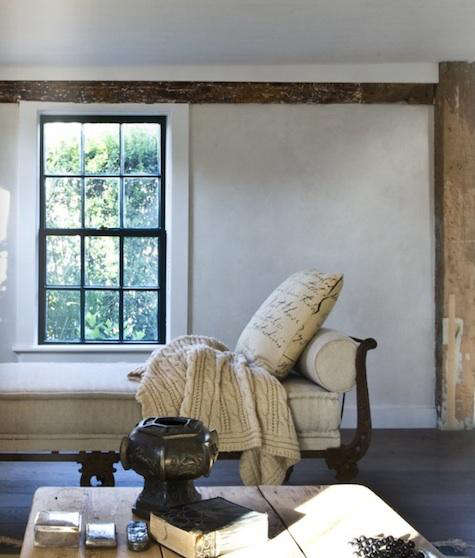
Some wall finishes whisper. Some shout. American Clay Earth Plaster does something more interesting: it settles into a room like it has always belonged there. It is matte, tactile, mineral-rich, and quietly dramaticthe design equivalent of linen sheets, handmade ceramics, and a loaf of sourdough that looks too attractive to slice but somehow vanishes anyway.
For homeowners, designers, builders, and anyone who has stared at a flat painted wall and thought, “Surely we can do better than this,” American Clay Earth Plaster offers a natural alternative to conventional interior paint and synthetic wall coatings. Made with clay, mineral aggregates, and earth-based ingredients, it creates interior walls with depth, movement, and a soft hand-worked finish that changes subtly with light throughout the day.
Despite the title “Walls, Windows & Floors,” let’s be clear right away: American Clay is primarily an interior wall and ceiling finish, not a floor coating or a product you smear directly onto window glass. Floors may get jealous. Windows may feel left out. But the phrase captures the way this material affects an entire room. It changes how walls frame windows, how natural light behaves, and how floors visually connect with the vertical surfaces around them.
What Is American Clay Earth Plaster?
American Clay Earth Plaster is a natural interior plaster system manufactured in Albuquerque, New Mexico. It is designed as a non-toxic, zero-VOC wall finish for residential and commercial interiors. Instead of covering a surface with a thin film of paint, earth plaster is troweled onto the wall in thin coats, creating a breathable, textured surface with visible mineral character.
The product family includes several finishes, each with a different texture and visual personality. Loma is the original earth plaster and is known for a suede-like matte surface. Porcelina is smoother and more refined, often compared to Venetian plaster because of its satin-like finish. Lomalina blends the softness of Loma with the polished feeling of Porcelina. Marittimo includes recycled crushed shells from the U.S. Gulf Coast and can create either a smooth waxy surface or a more textured sand finish. Enjarre is the single-coat option, useful when budget, speed, or a more rustic finish is the priority.
In plain English, American Clay gives walls a handmade surface without making them look like a craft project gone rogue. It is sophisticated enough for modern interiors, warm enough for traditional homes, and organic enough for spaces that want to feel grounded rather than manufactured.
Why Designers Love Clay Plaster on Walls
Paint is efficient, familiar, and available in enough colors to make even a confident person question every life choice in the hardware store aisle. But paint often produces a flat surface. Clay plaster, by contrast, gives walls texture, depth, and subtle variation. It catches light in a way that makes the room feel layered rather than merely colored.
This is especially valuable in rooms where the architecture is simple. A plain drywall box can become much more expressive with an earth plaster finish. The material brings movement to minimalist rooms, softness to modern homes, and authenticity to rustic interiors. It also pairs beautifully with wood, stone, linen, leather, metal, and handmade tile.
Natural Texture Without Visual Noise
One of the biggest advantages of American Clay Earth Plaster is that it can be quiet and interesting at the same time. A Loma finish may look soft and suede-like. A Porcelina finish can appear smoother and more polished. A Marittimo finish may add tiny shell-like highlights that respond beautifully to sunlight. The result is not loud texture for texture’s sake; it is texture that gives the eye something to enjoy without turning the wall into a circus tent.
Color That Feels Built In
Because clay plaster uses mineral pigments and earth-inspired tones, the color feels integrated into the surface rather than painted over it. This matters in rooms with large windows. Morning light, afternoon sun, and evening lamps can make the same plastered wall appear slightly different throughout the day. That gentle shift is part of the charm.
How American Clay Works Around Windows
Windows are where American Clay can really show off. Natural light makes the plaster’s texture visible, especially across large wall planes. A smooth painted wall often looks the same from breakfast to bedtime. Clay plaster has more personality. It can look soft at noon, moody at dusk, and warm under lamps at night.
Window returns, deep sills, and wall niches are excellent places to use earth plaster because they reveal the finish from multiple angles. A plastered window wall can make a room feel thicker, calmer, and more architectural. In homes with large picture windows, clay plaster helps frame the outdoor view without competing with it. It is like a good picture frame: noticeable enough to matter, quiet enough to let the art breathe.
Preparation matters around windows. Corners, edges, trim lines, and transitions must be carefully taped, primed, and finished. The plaster needs a clean, well-bonded substrate and proper detailing where it meets wood trim, metal frames, or painted surfaces. The better the prep, the more intentional the finished room will look.
What About Floors?
American Clay is not a floor finish. It is not designed to handle foot traffic, chair legs, muddy shoes, roller skates, tap dancing, or that one family member who treats every hallway like an airport runway. But floors matter because they influence how clay plaster reads in a room.
Earth plaster pairs especially well with natural flooring materials. Wide-plank wood floors bring warmth. Concrete floors add modern restraint. Stone floors reinforce the mineral quality of the plaster. Terracotta tiles can make the space feel Mediterranean or Southwestern. Even simple oak flooring can look more refined when the walls have a mineral matte finish instead of a standard painted surface.
The key is balance. If the floor is heavily patterned, a smoother plaster finish may keep the room calm. If the floor is minimal, a more textured plaster can add interest. American Clay does not need everything around it to be rustic. In fact, some of the best interiors combine clay plaster with crisp modern furniture, simple trim, and clean-lined windows.
Health and Indoor Air Quality Benefits
One reason American Clay has earned attention in healthy home design is its zero-VOC profile. VOCs, or volatile organic compounds, are chemicals that can be released from some paints, coatings, adhesives, and building materials. Choosing zero-VOC wall finishes can be part of a broader strategy for improving indoor air quality.
Clay plaster is also hygroscopic, meaning it can absorb and release moisture from the air. This moisture-buffering quality can help moderate indoor relative humidity, depending on wall area, plaster thickness, ventilation, climate, and how the building is operated. In practical terms, clay plaster behaves more like a living mineral surface than a sealed plastic film. It does not replace good ventilation, proper insulation, or moisture control, but it can support a healthier indoor environment when used intelligently.
Research into clay and bio-based building materials has explored how exposed hygroscopic surfaces can influence indoor moisture and comfort. Clay-based finishes are valued because they can adsorb and desorb moisture relatively quickly, helping reduce sharp humidity swings. For homeowners, that may translate into rooms that feel less clammy in damp periods and less harshly dry when indoor air loses moisture.
Sustainability and Material Character
American Clay Earth Plaster appeals to people who care about what their homes are made of. The product uses natural clay and mineral ingredients, and its technical information emphasizes recyclable packaging, zero VOCs, and recycled content. Compared with many conventional coatings, clay plaster feels closer to the earthbecause, frankly, it is.
Another sustainability advantage is repairability. Painted walls often show patches unless an entire wall is repainted. Clay plaster can often be repaired by misting, reworking, patching, and recompressing the affected area. A skilled applicator can blend repairs into the existing surface, especially on textured finishes. That makes the finish more forgiving over time.
There is also an emotional sustainability here. Materials that age beautifully tend to be kept longer. A wall finish that people love is less likely to be covered, replaced, or ripped out during the next design mood swing. American Clay has that “I still like this years later” quality, which is no small thing in a world where trends move faster than a toddler with an open marker.
Application: What Homeowners Should Know
American Clay is not applied like regular paint. It is a plaster system, and that means surface preparation, priming, troweling, drying, and compression all matter. The company’s general application system involves preparing the substrate, applying a first coat, applying a second finish coat, and then compressing the dry plaster surface. Compression is especially important because it stabilizes the finish, helps reduce dusting, evens out color variation, and improves repairability.
Surface Preparation Is Everything
The substrate must be clean, flat, dust-free, and well bonded. Loose paint, flaking material, grease, soot, and high spots need to be addressed before plaster goes on the wall. Drywall seams require proper tape and joint compound. Some surfaces require sealing primers, especially if the joint compound or substrate might interfere with adhesion.
Skipping preparation is like wearing a tuxedo over pajamas. It may look promising for five minutes, but eventually the truth comes out. Good plaster work begins before the plaster bucket is even opened.
Primer Gives the Plaster Tooth
For many surfaces, American Clay recommends a sanded primer system. Primer Sand is mixed into an approved primer and rolled onto the wall to create a toothy surface that helps the plaster grab. Painted surfaces, new drywall, gypsum plaster, cement finishes, and sealed surfaces generally require priming. The sand is not decorative; it is functional. It gives the plaster something to hold onto.
Thin Coats, Patient Hands
American Clay is applied in thin coats with a hawk and trowel. Loma is commonly used as a base coat for several original finishes, including Porcelina, Lomalina, and Marittimo. Enjarre can be used as a single-coat system in some applications. Drying time varies with air movement, temperature, humidity, and thickness. The plaster typically lightens as it dries, and the surface should not feel damp or cool before the next step.
The finish coat is where artistry enters the chat. A sponge can create a sandier texture. Troweling can smooth the surface. Burnishing can create a more polished look on appropriate finishes. Overworking the plaster, however, can cause problems, so confidence and restraint matter. This is one reason many homeowners hire trained applicators for larger or more visible rooms.
Best Rooms for American Clay Earth Plaster
American Clay can work in many interior spaces, but it is especially effective where walls are meant to be seen and touched. Living rooms, bedrooms, dining rooms, entryways, meditation rooms, boutique retail spaces, studios, and hospitality interiors are all strong candidates.
Bedrooms benefit from the softness of clay plaster. The finish feels calm rather than glossy, making it ideal for restful spaces. Dining rooms can handle richer tones or more dramatic textures because they are used in evening light, where plaster can glow beautifully. Entryways are another excellent choice because the walls set the emotional tone of the home immediately. A plastered foyer says, “Welcome, we have texture and probably good coffee.”
Bathrooms and kitchens require more caution. Clay plaster can buffer humidity, but it is not a waterproof membrane. It should not be used inside showers or in areas exposed to direct, repeated water contact unless specified and protected by a suitable system. In powder rooms, dry bathroom walls, backsplashes outside splash zones, and well-ventilated spaces, it can be stunning when applied correctly.
Design Styles That Pair Well With American Clay
American Clay Earth Plaster is surprisingly flexible. In modern interiors, it softens hard edges and prevents minimalism from feeling sterile. In farmhouse spaces, it adds authenticity without slipping into theme-park rustic. In Southwestern homes, it feels natural and regionally appropriate. In coastal interiors, Marittimo’s shell content and mineral texture can echo the landscape without hanging a sign that says “Beach House” over the sofa.
It also works beautifully with Japanese-inspired interiors, organic modern design, Mediterranean homes, desert minimalism, and wellness-focused spaces. The common thread is not a specific style but a desire for materials that feel honest, tactile, and calm.
Cost, Value, and Practical Expectations
American Clay usually costs more than standard paint when labor is included. That is not shocking. A hand-troweled earth plaster finish requires more skill, time, and preparation than rolling two coats of latex paint on a Saturday while pretending the ceiling line is “close enough.”
The value comes from beauty, durability, repairability, indoor air quality benefits, and the distinctive character of the finish. For budget-conscious projects, homeowners can use American Clay on feature walls, fireplace surrounds, bedrooms, dining rooms, or entry areas rather than throughout the entire house. Another smart approach is to use it in rooms where light will make the texture visible. A plaster wall in a windowless storage closet may be luxurious, but so is wearing a ball gown to clean the garage.
Maintenance and Long-Term Care
Clay plaster is lower maintenance than many people expect, but it is not the same as scrubbable semi-gloss paint. Dust can usually be removed gently. Small marks may be treated carefully depending on the finish, color, and compression. Repairs should follow manufacturer guidance or be handled by someone familiar with the product.
The best maintenance plan is prevention. Use proper corner protection in high-traffic commercial spaces. Avoid repeated water exposure. Keep furniture from scraping the wall. Save leftover material and color information for future touch-ups. Most importantly, accept that a natural wall finish has life in it. Tiny variations are not defects; they are part of the reason the wall does not look like it was printed by a machine.
Common Mistakes to Avoid
Choosing the Finish From a Tiny Sample Only
Samples are useful, but clay plaster changes with scale and light. A finish that looks subtle on a small board may become more expressive across a large wall. View samples in the actual room at different times of day before making a final choice.
Ignoring the Substrate
The wall underneath matters. Poor preparation can lead to adhesion problems, uneven texture, or visible imperfections. Clay plaster rewards careful prep and punishes shortcuts with the enthusiasm of a strict piano teacher.
Using It Where Waterproofing Is Needed
Clay plaster can help moderate humidity, but it is not a substitute for tile, waterproof membranes, or proper wet-area assemblies. Keep it out of direct splash zones unless the system has been specifically designed for that use.
Expecting Factory Uniformity
American Clay is hand applied. Variation is part of the beauty. If you want a perfectly flat, identical surface with no movement at all, paint may be a better choice. If you want walls with depth and soul, clay plaster is much more interesting.
Experience Notes: Living With American Clay Earth Plaster
The first thing people usually notice about American Clay is not a technical specification. It is the feeling of the room. A plastered wall has a quiet gravity. It does not shine like plastic paint or sit on the surface like a coating. It feels integrated, almost architectural, as though the room has gained a little more substance.
In a sunlit living room, American Clay can completely change how the wall behaves. Morning light may skim across the surface and reveal soft trowel marks. By afternoon, the same wall can look calmer and flatter. At night, warm lamps bring out the mineral depth. This is where the “windows” part of the topic becomes important: the plaster and the light are partners. If paint is a printed photograph, clay plaster is a film scene with changing weather.
Another experience worth mentioning is touch. People want to touch clay plaster. They may pretend they are simply admiring the color, but the hand reaches out. Loma can feel soft and suede-like. Porcelina can feel smoother and more refined. Marittimo can have a mineral texture that feels grounded and coastal at the same time. This tactile quality makes the finish memorable. Guests may not know the product name, but they will ask, “What is this wall?” That is usually a good sign.
Clay plaster also changes how furniture reads. A linen sofa looks more intentional in front of it. Wood furniture appears warmer. Black metal looks less harsh. Plants look spectacular against earth-toned plaster because both materials feel alive in different ways. Even a simple room with a wood floor, white oak table, and plastered wall can feel designed without feeling decorated to death.
The learning curve is real. DIY-friendly does not mean mistake-proof. Working with a hawk and trowel takes practice, and the first few passes may look like frosting a cake during an earthquake. Small sample boards are extremely useful. They teach how the plaster spreads, how fast it dries, and how much pressure creates the desired texture. For a powder room or small accent wall, a careful homeowner may enjoy the process. For a main living space with strong daylight, hiring an experienced applicator can be money well spent.
Maintenance feels different from painted drywall. You become a little more aware of the wall as a finish, not just a background. That does not mean treating the house like a museum. It simply means understanding that American Clay is a natural surface with its own rules. Avoid constant abrasion, keep it away from direct water, and repair it thoughtfully when needed. Over time, this kind of wall tends to develop affection. It is not just “the beige wall.” It is the wall that makes the room feel calm after a long day.
Perhaps the best experience is how American Clay slows a room down. In a world full of glossy screens, synthetic surfaces, and design trends that expire before the paint dries, earth plaster feels refreshingly permanent. It reminds people that walls do not have to be silent sheets of color. They can hold light, soften sound, regulate moisture, and bring a natural material story into everyday life. That is a lot of work for a walland American Clay does it without bragging.
Conclusion
American Clay Earth Plaster is more than a decorative wall finish. It is a natural, tactile, zero-VOC alternative to conventional paint that brings depth, warmth, and mineral beauty into interior spaces. It works especially well on walls that interact with windows and natural light, and it pairs beautifully with wood, stone, concrete, tile, and other honest floor materials.
For homeowners who want healthier interiors, designers who want richer surfaces, and builders who appreciate repairable natural materials, American Clay offers a compelling blend of beauty and performance. It requires proper preparation, thoughtful application, and realistic expectations, but the reward is a room that feels calmer, more grounded, and more human. In other words, it is what happens when your walls stop being background actors and finally get a speaking role.