

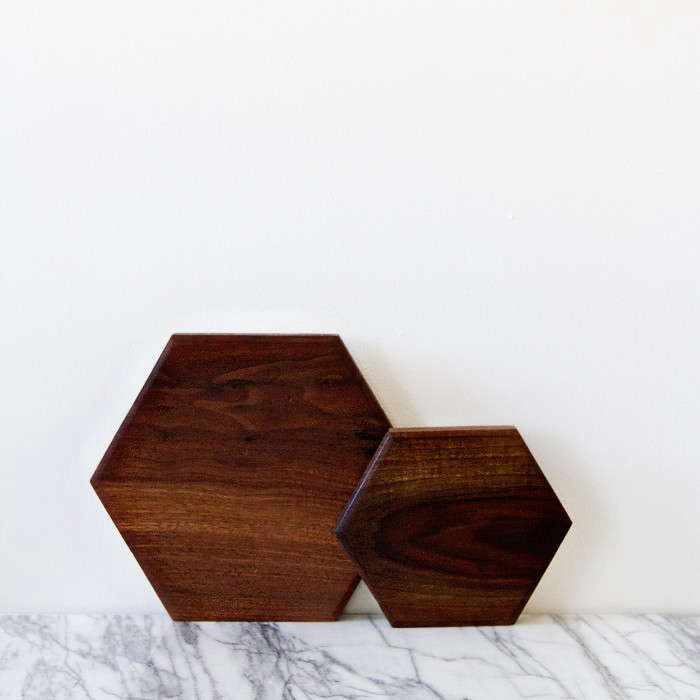
Some kitchen pieces are purely practical. Others are here to impress your guests, flatter your cheese selection, and quietly whisper, “Yes, I do in fact have my life together.” A walnut serving board in a hexagon shape belongs to the second category, though it still works hard enough to earn its counter space.
Warm, dark, and packed with character, walnut has long been admired for its rich color and smooth workability. Pair that wood with a hexagon silhouette, and suddenly a simple serving board feels more like a design object. It is functional, stylish, and just geometric enough to make people think you know what “intentional entertaining” means.
Whether you are shopping for one, making one, gifting one, or simply trying to understand why this shape has become such a favorite in modern kitchens, this guide breaks it all down. We will cover why walnut works so well, what makes the hexagon shape special, what to look for in quality craftsmanship, how to care for the board, and how to use it without treating it like a fragile museum artifact.
Why Walnut Makes a Beautiful Serving Board
Walnut is one of those woods that rarely needs help looking good. Its natural heartwood ranges from medium brown to deep chocolate tones, often with subtle streaks, soft contrast, and grain movement that gives every board a one-of-a-kind appearance. In plain English, walnut does the decorating for you.
It has warmth without looking rustic
One reason walnut is so appealing is that it bridges multiple styles. In a farmhouse kitchen, it adds depth and richness. In a modern home, it feels sleek and architectural. In a traditional dining room, it looks timeless. A walnut serving board can sit next to linen napkins, marble countertops, matte black flatware, or a very enthusiastic pile of crackers and still somehow look right at home.
It works well for detailed shaping
Walnut is also loved by woodworkers because it cuts, shapes, and sands beautifully. That matters for a hexagon serving board because clean angles, smooth edges, and crisp proportions are the whole point. A wood that tears out easily or fights the blade can make geometric designs look sloppy. Walnut usually cooperates, which is one reason it is such a strong choice for decorative serving pieces.
It is better suited to serving than heavy chopping
Here is the honest part: walnut is durable, but it is not the same as a thick, hard-use butcher block built for relentless knife work. Compared with hard maple, walnut is somewhat softer and more open-grained. That does not make it a bad material. It simply means a walnut hexagon board shines brightest as a serving board, presentation board, bread board, or light-duty prep surface rather than a daily chopping battlefield for everything from onions to frozen turkey ambitions.
Why the Hexagon Shape Feels So Fresh
Round boards are classic. Rectangular boards are practical. Hexagon boards, however, bring a little personality to the table.
It creates visual structure
The six-sided shape naturally creates order. When you arrange cheese, fruit, nuts, cured meats, olives, or desserts on a hexagon board, the form helps the spread look organized even when it is casual. Each side feels like a small boundary, which makes it easier to build sections without the board looking crowded.
It photographs extremely well
If food presentation matters to you, the hexagon shape does half the work. It frames ingredients with sharp symmetry, looks striking in overhead photos, and makes even a modest snack spread appear a little more deliberate. Put differently, a hexagon walnut board is the kind of object that can make grapes look like a lifestyle choice.
It stands out without becoming gimmicky
Some trendy serving pieces try too hard. A hexagon board does not need to. It feels current, but still classic enough to age well. That balance is important if you are buying one as a gift or investing in a handcrafted piece you want to keep for years.
What to Look for in a Quality Walnut Hexagon Serving Board
Not every walnut serving board deserves applause. Some are beautifully made. Others are one rough sanding session away from becoming kindling with ambition.
Solid walnut or well-planned walnut construction
Look for boards made from quality walnut stock with clean joins, stable construction, and attractive grain flow. If the board is made from multiple pieces, the arrangement should look intentional rather than patchy. Good makers pay attention to grain direction, matching color variation, and the overall balance of the design.
Comfortable thickness
A serving board should feel substantial without becoming a dumbbell. Too thin, and it may feel cheap or flex slightly. Too thick, and it becomes awkward to lift, especially once loaded with food. A moderate thickness usually offers the best mix of visual presence and easy handling.
Smooth edges and corners
Hexagons are supposed to have definition, but nobody wants sharp corners snagging sleeves or poking fingers during dinner. The best boards keep the crisp geometry while lightly easing the edges. That way, the shape still reads as clean and modern, but the board feels pleasant in use.
A food-safe finish
This is where quality gets serious. A board intended for food contact should have a finish appropriate for kitchen use. Common choices include food-grade mineral oil, walnut oil, conditioning wax blends, or fully cured pure tung oil, depending on the maker’s approach and the intended use. Some serving-only boards may also use a cured topcoat designed for food-contact pieces, but for boards that will see frequent refreshing and maintenance, penetrating oils are popular because they are easy to renew.
Best Finishes for a Walnut Serving Board
A beautiful board can be ruined by the wrong finish. Fortunately, the right options are simple.
Oil-and-wax finishes keep walnut looking natural
If you love the matte, hand-rubbed look of walnut, oil-and-wax maintenance finishes are hard to beat. They deepen the color, highlight the grain, and are easy to reapply at home. They also make sense for a serving board because the surface can be refreshed whenever it starts looking dry.
Pure tung oil can be a good option when fully cured
For people who want a little more water resistance than a basic maintenance oil, pure tung oil can be appealing. The key word is pure. Not every “tung oil finish” on a label is actually pure tung oil, and cure time matters. If you use this route, patience is part of the project.
What to avoid
Avoid treating your board with random cooking oils from the pantry, especially oils that can oxidize and turn rancid over time. That includes the “but olive oil is food” argument, which sounds logical until your serving board starts smelling like a sad salad. Use products intended for wood kitchenware instead.
How to Use a Walnut Hexagon Serving Board
The best thing about this kind of board is that it is more versatile than it looks.
Charcuterie and cheese service
This is the obvious use, and for good reason. The dark tone of walnut makes pale cheeses, green herbs, berries, crackers, and sliced meats pop visually. A hexagon layout also makes it easy to work in zones. You can dedicate one side to cheese, one to cured meats, one to fruit, one to nuts, and so on without the whole arrangement drifting into chaos.
Bread, pastries, and dessert presentation
A walnut serving board is just as effective for rustic bread, croissants, cookies, brownies, or mini tarts. The shape adds style, while the wood keeps the display warm and inviting. If you host brunch, this board earns its keep very quickly.
Table centerpiece styling
When it is not serving food, the board can still work as decor. Use it as a base for candles, a small vase, seasonal fruit, or a tidy collection of salt cellars and linen napkins. It becomes a visual anchor rather than a tool you hide in a drawer.
How to Care for It Without Ruining It
Wood is durable, but it is still wood. Treat it well, and it will age beautifully. Treat it like a plastic tray, and it will retaliate with cracks, warping, and disappointment.
Wash it gently
Clean the board with mild soap, warm water, and a soft cloth or sponge. Do not soak it. Do not leave it in standing water. And absolutely do not put it in the dishwasher unless your goal is to create an abstract sculpture about regret.
Dry it right away
After washing, dry the board thoroughly with a towel and let it finish air-drying upright or on edge if possible. Moisture left sitting on the surface or trapped underneath is what leads to swelling, dullness, and movement in the wood over time.
Re-oil when it looks thirsty
If the walnut starts looking chalky, faded, or rough, it is time for maintenance. Apply a thin coat of food-safe board oil, let it soak in, and wipe off the excess. Some households do this monthly. Others only do it when the board looks dry. The board will tell you. It is not subtle.
Handle stains and odors early
If the board picks up strong food smells, clean it promptly and let it dry fully. For light surface marks, a gentle rub with fine abrasive material or a light re-sanding followed by re-oiling can restore the surface. The benefit of an oil-finished board is that touch-ups are usually straightforward.
Should You Buy One or Make One?
That depends on your tools, patience, and tolerance for turning a “small weekend project” into a two-store cleanup operation.
Buy one if you want craftsmanship without the sawdust
A professionally made walnut hexagon serving board can be worth every penny if you want clean geometry, consistent finishing, and a polished result. This is especially true if you are buying it as a wedding gift, housewarming gift, or statement piece for entertaining.
Make one if you enjoy woodworking
If you have the tools and some basic experience, a hexagon serving board is a satisfying project. Walnut machines well, and the shape offers room for design choices like chamfered edges, juice grooves, inlays, finger holds, or a leather hanging loop. Just remember that precise angles matter. A hexagon is not the place for “close enough.” Geometry has a long memory.
Common Mistakes to Avoid
First, do not confuse a serving board with a heavy-duty cutting board. They can overlap, but they are not identical. Second, do not ignore finish maintenance. Walnut looks luxurious, but it still needs conditioning. Third, do not buy a board solely because the online photos look dramatic under moody lighting. Read details about thickness, finish, and care. A board should be beautiful in real life, not just on a suspiciously perfect countertop next to three figs and a brass knife nobody owns.
Experiences Related to “Walnut Serving Board : Hexagon”
The most memorable thing about using a walnut hexagon serving board is that it changes the feeling of the table almost instantly. A plain plate says, “Here is some cheese.” A walnut hexagon board says, “Welcome, we made an effort, and yes, the olives are supposed to be there.” It adds occasion without requiring a full event-planner personality.
One of the best experiences people describe with this style of board is how easy it is to build a spread that feels balanced. The six sides create natural visual sections, so you stop randomly piling everything into one nervous mountain. Soft cheese can live near fruit. Hard cheese can sit beside crackers. Nuts can fill the smaller gaps. Suddenly the arrangement looks intentional, even if you assembled it five minutes before the doorbell rang.
Walnut also changes the mood of the food itself. Green grapes look greener. Brie looks creamier. Strawberries look brighter. A dark wood background gives contrast in a way that ordinary trays rarely do. That is part of the reason these boards become favorites for holidays, date nights at home, casual wine evenings, and last-minute gatherings where you want the table to look polished without pretending you spent the entire day styling rosemary sprigs.
Another common experience is that guests notice the board. Not just the food on it, but the board itself. They pick it up, run a hand over the grain, ask where it came from, and then act surprised that a serving piece can feel both practical and luxurious. That reaction is one reason walnut hexagon boards make strong gifts. They feel personal, useful, and design-forward at the same time.
There is also something enjoyable about how the board ages. A good walnut serving board does not stay frozen in showroom condition forever, and that is fine. With gentle use and regular oiling, the wood develops a softer glow, a little more depth, and a lived-in quality that often makes it look even better over time. Tiny marks become part of its story rather than evidence of failure. Unlike trendy kitchen gadgets that disappear into a drawer after two weeks, a well-made board tends to become part of the routine.
For people who make their own boards, the experience adds another layer. Cutting the angles accurately, sanding the surface smooth, applying the finish, and watching the walnut grain come alive can be deeply satisfying. It is one of those woodworking moments where the final wipe of oil feels borderline magical. One minute the board looks dry and dusty. The next, the color deepens, the figure wakes up, and suddenly you are standing in the garage thinking you may have become the sort of person who casually says things like “the grain really opened up.”
In daily life, the board often ends up being more versatile than expected. It serves appetizers on Friday, pastries on Sunday, and candles in the middle of the dining table by Wednesday. That flexibility is part of its charm. A walnut hexagon serving board is not just a food surface. It is a small design piece that earns repeat use, which is exactly what good home objects should do.
Conclusion
A walnut serving board in a hexagon shape works because it combines beauty, usefulness, and modern design without trying too hard. Walnut brings warmth, grain, and richness. The hexagon shape adds structure and visual interest. Together, they create a serving piece that feels elevated but still approachable.
If you choose a well-made board, use a proper food-safe finish, and care for it with a little consistency, it can serve for years while looking even better with age. In other words, it is the rare kitchen item that manages to be stylish, functional, and worthy of compliments from people who normally only notice the snacks.