

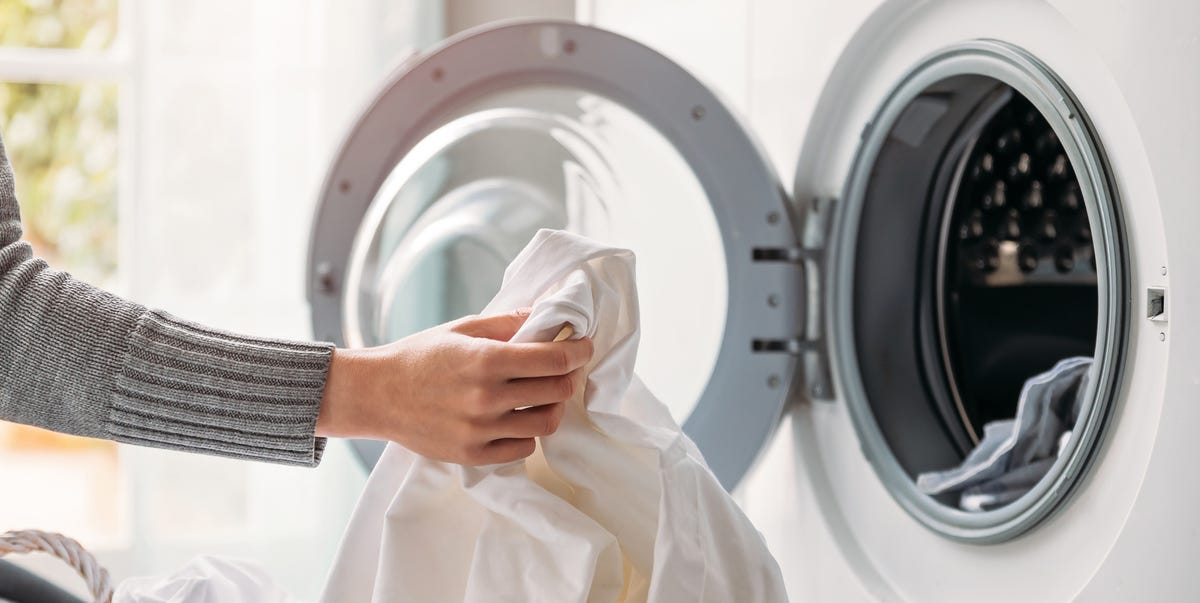
The “Quick Wash” (also called Speed Wash, Express, or Fast) button is basically the laundry equivalent of a microwaved burrito: incredibly convenient, occasionally lifesaving, and not what you want to rely on for every meal (or every load). Used the right way, a washing machine quick wash can rescue you from “I swear I had a clean shirt” moments. Used the wrong way, it can leave you with deodorant-streaked sleeves, lingering funk, and that special brand of disappointment that only damp socks can deliver.
Here’s the important part: quick wash isn’t just “Normal, but faster.” Manufacturers shave time by shortening the wash portion, reducing agitation, and often cutting down on rinses and extractions. That means it’s designed for the right loadnot the load you wish you had. If you treat it like a shortcut for a week’s worth of gym clothes, it’ll treat you right back by doing a mediocre job… quickly.
Below are the five things you need to know to get genuinely good results from your washing machine quick wash cyclewithout turning your laundry room into a regret factory.
1) Quick wash is a “refresh” cycle, not a “deep clean” cycle
Most quick wash cycles land somewhere around 15 to 45 minutes, depending on the washer and settings. Some brands describe quick wash as ideal for small, lightly soiled loadsthink “worn once,” “spilled water,” or “I sat in the car for an hour and now my shirt smells like fast-food fries.” Whirlpool notes that quick wash can handle small, lightly soiled loads in roughly 15–40 minutes, but warns against overloading or using it for heavily soiled items. Maytag’s guidance is even more specific: quick wash is meant for about 2–4 lightly soiled garments and runs roughly 15–20 minutes on some models.
What quick wash usually changes to save time
- Less wash time (shorter tumbling/agitation)
- Fewer rinses or fewer high-speed extractions between rinses (so suds and residue can be harder to remove)
- Faster spin (to pull out more water and shorten drying time)
- Less water on many models (helpful for efficiency, less helpful for rinsing heavy detergent doses)
Quick wash shines when you’re not asking it to perform miracles. If the load is truly lightly soiled, it can be a smart, time-saving choice. But if you’re dealing with heavy grime, body oils, stubborn stains, or “this towel has seen things,” a normal or heavy-duty cycle is the better tool for the job.
Quick reality check
If you’re choosing quick wash because you’re in a hurry, it’s tempting to throw in “just a few more items.” That’s how quick wash becomes “quick-ish wash” and then “why is my laundry still dirty?” Keep it small, keep it light, and quick wash will actually do what it promised.
2) Soil level matters more than load size (yes, really)
Here’s a sneaky truth: people often assume a small load automatically qualifies for quick wash. But laundry experts point out that how dirty the items are matters more than how many you toss in. A single very dirty shirt may not get enough agitation time in quick wash to come out truly clean. Meanwhile, a larger-but-barely-used set of guest towels might come out great because the soil level is low.
Use quick wash for these
- Lightly worn T-shirts, blouses, or office clothes (no visible stains, no heavy sweat)
- “Need it tonight” items that just need a refresh
- Guest linens used briefly (one-night sheets, lightly used towels)
- Small loads like a pair of pants + a couple shirts (the “I forgot laundry existed” special)
Skip quick wash for these
- Heavily soiled work clothes (dirt, grease, sawdust, mud)
- Stained items that need pretreating and time
- Loads exposed to illness, bodily fluids, or anything you’d describe as “germ-y”
- Thick items that hold water and odor (towels, hoodies, denim) if they’re truly dirty
If you’re unsure, do a quick sniff-and-spot check. If the clothing smells “fine” and looks “fine,” quick wash has a fighting chance. If you can smell the load from three feet away, give it a normal cycle and let time do what time does best: break down funk.
3) Your results depend on two dials: detergent and water temperature
Quick wash doesn’t give detergent much time to work, so your detergent choices matter more than usual. One common mistake is thinking “short cycle” means “add extra detergent so it cleans faster.” Unfortunately, laundry doesn’t work like a video game power-up. Extra detergent can create extra suds and residueespecially on cycles that use less water and fewer rinses.
Detergent: less drama, better laundry
- Use the smallest recommended amount for the load size and soil level. If your washer’s quick cycle uses fewer rinses, detergent leftovers are more likely.
- HE washer? Make sure your detergent is HE-compatible.
- If residue is a recurring issue (itchy clothes, stiff fabric, “why do my black shirts look chalky?”), consider using an extra rinse when appropriate.
Some detergent brands argue that concentrated formats can perform well in fast cycles because the cleaning ingredients get to work quickly. Whether you use pods, liquid, or powder, the key is matching dosage to the load. Quick wash is not the moment for freestyle chemistry.
Water temperature: speed vs. effectiveness
Cold water is great for saving energy and protecting colors, and it often cleans everyday laundry well. In a quick cycle, though, you’re compressing wash timeso warm water can help cleaning agents work more efficiently when the fabric care label allows it. For lightly soiled items that can handle it, warm (or even hot) water may improve cleaning on a shortened cycle. If you’re washing delicates or bright colors prone to bleeding, stick with cold and accept that quick wash is truly a refresh, not a heavy-duty scrub.
Bonus tip: if you’re using pods and they sometimes don’t dissolve (especially in winter or very cold “cold” water), running warm when safe for the fabric can help prevent leftover film.
4) Quick wash can help with odors… but it can also set problems if you use it wrong
Quick wash has one underappreciated superpower: it’s handy for dealing with “oops laundry”like when a load sits wet too long and starts smelling questionable. Home and laundry experts often recommend rewashing smelly loads instead of just drying them, because drying can lock odors into fibers. If your clothes sat damp in the washer long enough to smell musty, a short rewash can be a practical fixespecially if the items aren’t heavily soiled, just odor-y.
When quick wash helps with smell
- You forgot a load for several hours and it smells slightly stale
- The items are not heavily dirtyjust need a reset
- You can pair the cycle with proper dosing and (if appropriate) warm water
When quick wash is a bad idea for hygiene
- Someone in the house is sick and you’re washing bedding, towels, or pajamas
- You need true sanitizing results (you’ll want the right products and cycle time/contact time)
- Items are heavily sweaty (think: gym gear that could stand up on its own)
If you’re aiming for disinfection, follow product directions carefully. For example, bleach-based instructions often require sufficient contact time during the wash. And please don’t improvise with cleaning chemicals. Laundry is annoying, but it shouldn’t be hazardous.
5) Quick wash may save time, but it’s not always the “greenest” choice
It’s easy to assume quick wash automatically saves energy because it’s shorter. Sometimes it does! But the bigger picture is a little more complicated: clothes washers can use roughly similar amounts of energy regardless of load size, so running multiple tiny loads (even on quick wash) may be less efficient than washing fuller loads. Energy efficiency guidance often recommends running full loads when possible and washing in cold water to cut energy usebecause heating water is a huge part of laundry energy cost.
How to make quick wash smarter (not just faster)
- Use it strategically: quick wash is best for a small “save my day” load, not as your default for everything.
- Choose a high spin speed when appropriate: pulling out more water can reduce dryer time (and dryers can be big energy hogs).
- Don’t overdo the sanitary cycle: super-hot cycles increase energy use significantly; use them only when needed.
- Consider your weekly rhythm: one quick wash in a pinch is greatfive quick washes because you hate sorting laundry is… a lifestyle choice.
One more practical point: quick wash often uses faster spins. That’s great for shortening drying time, but it can be tougher on delicate fabrics. If you notice extra wrinkling or stretching, quick wash might be too aggressive for that garmenteven if it’s “lightly soiled.”
A quick “Should I use Quick Wash?” checklist
Yesquick wash makes sense if:
- The items are lightly worn and not visibly dirty
- You’re washing a small, breathable load (not stuffed tight)
- You’re using the correct detergent amount (usually less than you think)
- You can pick a temperature that fits the fabric label and helps cleaning
Nopick a normal/heavy cycle if:
- You see stains, ground-in dirt, or heavy sweat
- You’re washing thick fabrics that trap odor and moisture
- You’re concerned about germs after illness
- You’re tempted to “make it worth it” by overloading the drum
Common quick wash problems (and quick fixes)
Problem: Clothes come out with a detergent film
- Cause: Too much detergent + fewer rinses
- Fix: Use less detergent next time; add an extra rinse when appropriate; avoid packing the drum tightly.
Problem: “It’s still smelly”
- Cause: The load was too dirty for quick wash, or odor needs more wash time
- Fix: Rewash on Normal with the right temperature; pretreat; don’t rely on the dryer to “burn off” smells.
Problem: Wrinkles and twisted sleeves
- Cause: Fast spin + mixed fabrics + overloading
- Fix: Reduce load size; separate heavy and light fabrics; lower spin speed for wrinkle-prone items.
Quick Wash in the real world: what it’s like (and what people learn the hard way)
The first time most people try quick wash, it feels like discovering a cheat code. You toss in a small load, hit the button, andbamyour washer claims it’ll be done before you finish scrolling. It’s the appliance version of “I can change my life starting Monday,” except this time the promise is actually achievable.
Then comes the second quick wash, which is usually where optimism gets ambitious. You add “just one more shirt.” Then “a couple socks.” Then a hoodie sneaks in because it’s cold and you want it tonight. The washer finishes quickly, surebut the clothes come out with that oddly specific vibe of “technically washed, emotionally questionable.” This is the moment people learn the golden rule: quick wash isn’t about how fast you want laundry done. It’s about how fast your washer can do a good job on a specific type of load.
Another common quick-wash experience is the “detergent regret” phase. Because the cycle is shorter, people often assume they need extra detergent for extra cleaning power. In practice, extra detergent plus reduced rinsing can leave residueespecially on dark fabrics. The result? Black tees that look like they’ve been dusted with powdered sugar. The fix is delightfully boring: measure detergent, use less for lightly soiled loads, and consider an extra rinse if you’re sensitive to leftover soap.
Quick wash also becomes a hero during “forgotten laundry” incidents. You know the scene: you started a load, got distracted, and returned hours later to a washer full of damp clothes that smell like a basement trying to start a music career. Many people learn (sometimes after one tragic dryer cycle) that drying doesn’t magically erase mildew odorsit can actually lock them in. A quick rewash can reset the load when the issue is odor rather than heavy soil, especially if you catch it before the smell becomes a full-time roommate.
And finally, there’s the “quick wash lifestyle” realization: quick wash is amazing for emergencies, but not great as a default habit. Folks who switch everything to quick wash often report a slow build-up of “laundry weirdness”towels that feel stiff, workout clothes that never smell fully clean, and that nagging suspicion that the washer itself is developing opinions. The practical takeaway most households land on is simple: use quick wash like you use a shortcut on a road trip. It’s fantastic when it’s actually the right route. If you take it all the time, you’ll eventually end up on a gravel road behind a tractor, questioning your choices.
The best quick-wash wins tend to look the same: a small load, lightly soiled items, correct detergent dose, a smart temperature choice, and a high spin speed when appropriate. When people stick to that formula, quick wash really can be the MVP of busy weeksless waiting, less dryer time, and fewer late-night “why is nothing clean?” spirals.
Conclusion
Washing machine quick wash is a great tool when you treat it like what it is: a fast refresh for lightly soiled items and small loads. Keep the drum from turning into a packed sardine can, use the right detergent amount, choose a fabric-safe temperature, and save heavy-duty messes for longer cycles. Do that, and quick wash stops being a gamble and starts being the reliable, time-saving button it was meant to be.