

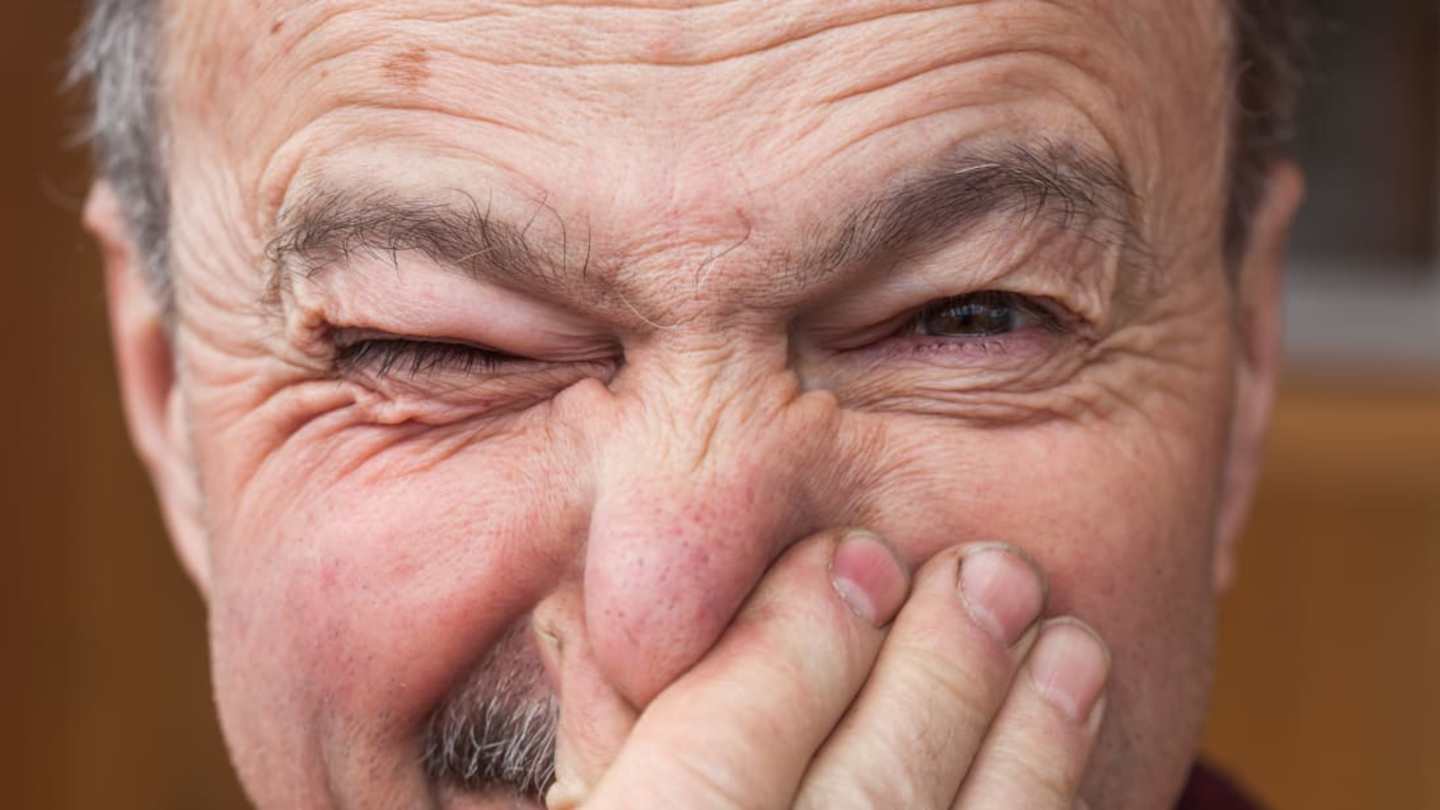
Let’s talk about the scent-shaped elephant in the room. “Old person smell” is one of those phrases people whisper like it belongs in a haunted house, but the truth is far less dramatic and much more interesting. The smell some people notice in older adults is real enough to have caught the attention of researchers, but it is not simply a sign that someone forgot to shower. In many cases, it comes from normal changes in skin chemistry, the way body oils break down, and the way age, medications, health conditions, and even the home environment can influence odor.
In other words, this is not a morality tale about soap. It is biochemistry wearing sensible shoes.
If you have ever wondered why some older adults seem to have a faint musty, dusty, grassy, or slightly greasy scent, this guide breaks it down in plain English. We will look at the science behind the smell, the everyday factors that can make it stronger, what is not normal, and what can actually help.
What People Mean by “Old Person Smell”
When people use the phrase “old person smell,” they are usually describing a subtle, persistent odor that feels different from ordinary sweat. It is often described as musty, stale, dusty, grassy, or oily. It may cling to clothing, bedding, chairs, or a bedroom more than to the person alone. That is one reason the smell can seem bigger than it really is: it is not just coming from skin, but from skin oils that transfer to fabrics and build up over time.
Another wrinkle in the story is that older adults may be less likely to notice the change themselves. Our sense of smell often weakens with age, and people also adapt to familiar odors in their own environment. So a family member may walk into the room and notice a scent right away, while the person who lives there smells exactly nothing unusual. That does not mean anyone is imagining things. It just means noses are sneaky.
The Main Scientific Explanation: A Skin-Oil Compound Called 2-Nonenal
The best-known scientific explanation for age-related body odor involves a compound called 2-nonenal. Researchers have linked it to the characteristic scent associated with aging skin. This compound forms when certain fatty acids on the skin surface break down through oxidation. Think of it as a chemical reaction involving skin oils, oxygen, and time.
Why does that matter? Because skin changes as we get older. The skin becomes thinner, drier, and more fragile. The mix of oils on its surface also changes. Some studies suggest that compounds related to skin lipid oxidation become more noticeable with age, which may help explain why the odor can appear even in people with good hygiene habits.
That point is worth underlining with the enthusiasm of a middle-school teacher who just discovered a red pen: this smell is not necessarily caused by being dirty. A person can bathe regularly and still notice a lingering odor because the issue is not just sweat sitting on the skin. It is also the chemistry of the oils on the skin and the fabrics that absorb them.
Why Soap Alone Does Not Always Solve It
Water-based sweat is relatively easy to rinse away. Skin oils are a little more stubborn. When oily compounds break down and settle into pajamas, sheets, sweaters, recliners, and pillowcases, the smell can hang around like an uninvited dinner guest who somehow knows where the leftovers are. That is why laundering clothing and bedding well can matter just as much as washing the body.
It is also why harsh scrubbing is not the answer. Scrubbing older skin too aggressively can irritate it, damage the barrier, and make dryness worse. Gentle cleansing plus moisturizing often works better than trying to sandblast the problem off.
Other Causes That Get Mistaken for “Old Person Smell”
Here is where things get practical. Not every odor in an older adult is caused by 2-nonenal. In real life, body scent is shaped by many overlapping factors. Some are harmless. Some are fixable. And some deserve a doctor’s attention.
1. Sweat Mixing With Skin Bacteria
Sweat itself is not usually the villain. The odor develops when sweat mixes with bacteria on the skin. Stress, heat, hot flashes, exercise, fever, and certain medications can all increase sweating. That extra moisture gives bacteria more chances to do what bacteria do best: turn ordinary body secretions into something a lot less ordinary.
For older adults, this can be especially noticeable if they are less active, get hot easily, have night sweats, or take medications that trigger excess sweating. Antidepressants, some diabetes medicines, hormonal treatments, pain relievers, and other drugs can make sweating more pronounced.
2. Dry Mouth, Dentures, and Gum Problems
Sometimes what people think is body odor is actually coming from the mouth. Dry mouth becomes more common with age, especially because many older adults take multiple medications. When there is not enough saliva, bacteria in the mouth can multiply more easily, which raises the risk of bad breath, gum disease, infections, and a bad taste in the mouth.
Dentures can add another layer to the issue if they are not cleaned properly or if food gets trapped. Gum disease can also cause a persistent unpleasant smell. So if the odor seems strongest during close conversation, after waking up, or around meals, the mouth may be the real culprit.
3. Skin Folds and Moisture Buildup
Warm, moist areas where skin rubs together can develop irritation called intertrigo. In those spots, sweat, friction, bacteria, and fungus can all join forces in a way that is deeply unfair to everyone involved. The under-breast area, groin, belly folds, armpits, neck folds, and backs of knees are common trouble zones.
When skin stays damp, it can begin to break down and develop a strong odor. This is not rare, especially in people who spend long periods sitting or lying down, wear absorbent products, or have limited mobility. In these cases, the odor is often less “musty old person smell” and more “something on the skin needs attention right now.”
4. Incontinence and Urinary Odor
Urinary leakage is another common contributor. Even small amounts of urine trapped in underwear, pads, absorbent briefs, or bedding can create a lingering smell. The odor may be stronger if the area is not cleaned promptly, if fabrics are reused, or if the urine is concentrated because the person is dehydrated.
If the urine smells unusually foul, very strong, or dramatically different from normal, it may point to infection or another medical issue. That is especially important if the person also has pain with urination, fever, confusion, side pain, or nausea.
5. Changes in Routine, Mobility, or Cognition
Sometimes the issue is not body chemistry at all. It is logistics. Arthritis can make bathing, shampooing, flossing, or changing clothes harder. Dementia can affect judgment and daily routines. Depression can reduce motivation. Limited mobility can make it difficult to reach certain areas of the body, shower safely, or change sheets often enough.
In those situations, the odor is not really about age. It is about access, energy, safety, and support. Framing it that way matters because it leads to more compassionate solutions.
6. The Home Itself Can Hold the Smell
One overlooked detail is that the room may smell stronger than the person. Curtains, upholstered furniture, mattress covers, blankets, carpets, and even the inside of closets can absorb body oils and moisture. Poor ventilation can make mild odors feel much stronger. So when someone says, “Grandma’s room smells old,” they may be reacting to a mix of skin oils, laundry residue, dust, stale air, and textiles that have quietly collected scent for months.
This is not glamorous, but opening windows, washing bedding more often, cleaning soft surfaces, and improving airflow can make a surprisingly big difference.
When Odor Is a Medical Clue, Not Just a Cosmetic Issue
Some smell changes should not be brushed off as “just getting older.” Odor can sometimes be a useful clue that something medical is going on.
Red Flags to Pay Attention To
- Fruity-smelling breath can be a warning sign of diabetic ketoacidosis, which is a medical emergency.
- Foul-smelling urine along with fever, painful urination, nausea, or back pain may point to a urinary or kidney infection.
- A strong odor from a wound, sore, or pressure injury can suggest infection.
- Sudden major changes in body odor or sweating can sometimes be linked to medication side effects, infections, thyroid problems, menopause, or other health conditions.
- Persistent bad breath may come from gum disease, dry mouth, mouth infection, sinus problems, reflux, or other issues worth checking.
If the smell is new, intense, or comes with other symptoms, it is smarter to call a clinician than to wage war with a deodorizing spray and hope for the best.
What Actually Helps Reduce Age-Related Odor
The good news is that there are practical ways to reduce the smell without treating the person like a laundry basket with opinions.
Use Gentle, Consistent Skin Care
Choose a mild cleanser instead of harsh soap. Focus on areas where sweat and oils collect: underarms, groin, feet, skin folds, scalp, and behind the ears. After bathing, dry the skin well, especially in folds. Then use a gentle moisturizer if the skin is dry. Healthy skin barrier, happy nose.
Wash Clothing and Bedding More Often
Pillowcases, pajamas, undershirts, underwear, socks, blankets, and sheets can hold onto oily odor compounds. More frequent laundering is often one of the most effective fixes. Changing what touches the skin daily or several times a week can help more than adding another scented product.
Improve Ventilation
Open windows when possible. Use fans. Let the room breathe a little. A stuffy bedroom can amplify odors that would otherwise be mild.
Keep the Mouth Clean
Brush twice a day, floss or clean between teeth, brush the tongue, clean dentures carefully, and stay on top of dental visits. If dry mouth is part of the problem, sipping water, avoiding too much alcohol and caffeine, and asking a dentist or doctor about dry-mouth products can help.
Review Medications and Health Conditions
If sweating or odor changed after starting a new medication, mention it to a healthcare professional. Do not stop the medication on your own, but do ask whether an adjustment is possible. The same goes for menopause symptoms, diabetes, thyroid issues, Parkinson’s disease, skin infections, or urinary symptoms.
Choose Breathable Fabrics
Loose, breathable clothing and moisture-wicking fabrics can help reduce sweat buildup. Tight, heavy fabrics tend to trap heat and moisture, which is exactly the kind of arrangement odor enjoys.
About the Experience of “Old Person Smell”: What It Feels Like in Real Life
For many families, this topic is less about chemistry and more about emotion. A grown child visits a parent and notices a smell in the hallway that was never there before. A spouse catches a faint dusty scent on a sweater collar and wonders whether to say something. An older adult hears a rude joke about “smelling old” and suddenly becomes self-conscious about every hug, every car ride, every seat cushion in the house. The odor may be mild, but the embarrassment can feel enormous.
That is why this subject deserves a little kindness. In real life, the smell often shows up gradually. At first it might be noticed only on bedding or in a bedroom after the windows have been closed all week. Then it starts to cling to a favorite cardigan or recliner. Sometimes the older adult does not notice it at all. Sometimes they do notice it and feel ashamed, even though they bathe faithfully and use the same soap they have used for years. That disconnect can be frustrating: “If I’m clean, why do I still smell different?”
Caregivers often describe the experience as a puzzle with several pieces. One piece is skin chemistry. Another is laundry that no longer gets washed as often because carrying baskets downstairs is harder than it used to be. Another might be dry mouth from medications, or urinary leakage that is too embarrassing to mention, or skin irritation in a place the person cannot easily see. None of those problems mean someone is neglectful. They usually mean aging has made ordinary routines less simple.
There is also a social side to it. Smell is powerful. It can trigger memory, comfort, annoyance, worry, or tenderness in a split second. Some people associate the scent with grandparents, nursing homes, old books, face powder, cedar closets, or a spare bedroom that always felt a little too warm. Those associations can shape how strongly the odor is perceived. In other words, part of the experience is chemistry, and part of it is the stories our brains attach to certain scents.
For older adults, the toughest part is often not the smell itself but the fear of becoming “that person” everyone notices and no one mentions. A calm, practical approach works best: wash the linens more often, check the mouth, look for skin irritation, improve airflow, review medications, and treat odor as a solvable care issue rather than a personal failure. Families who do this well tend to talk about it the same way they would talk about reading glasses, sore knees, or a slippery shower floor. Not as a character flaw. Just as one more thing to manage with a bit of humor and a decent detergent.
And sometimes that shift in tone changes everything. Once the shame leaves the room, the actual smell often follows close behind.
Final Takeaway
So, what causes “old person smell”? In many cases, it is a mix of age-related changes in skin oils, especially compounds like 2-nonenal, plus everyday contributors such as sweat, bacteria, dry mouth, medications, laundry buildup, skin-fold irritation, and health conditions. It is real, but it is not a sign that someone is lazy, dirty, or doomed to smell like an attic full of mystery sweaters forever.
The best approach is simple: be curious, be gentle, and be practical. When you understand the science, the stigma gets a lot smaller. And when you treat odor as a health and care issue instead of a personal failing, the solutions get much better.