

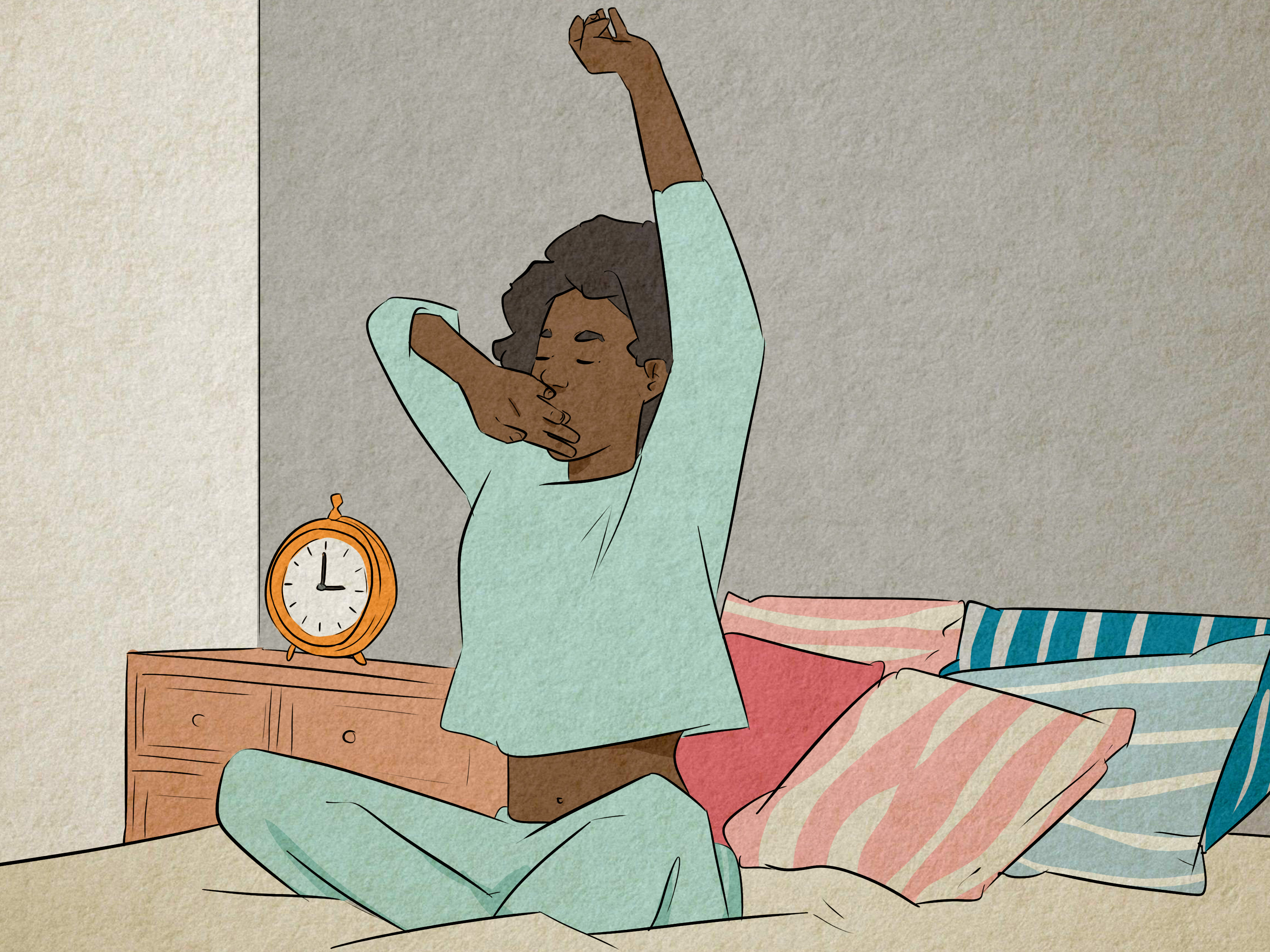
Before you’ve answered a single email, spoken to another human, or negotiated with your coffee maker, your morning routine is already saying something about you. Not in a spooky fortune-cookie way. More in a “your habits are leaving fingerprints all over your day” kind of way.
The way you wake up, what you reach for first, whether you open the curtains or hide from daylight like a dramatic Victorian character, all of it can offer clues about your priorities, stress level, energy patterns, and even your relationship with control. A morning routine does not reveal your destiny. It is not a personality test in sweatpants. But it can reveal what you value, what you avoid, and how well your life is supporting the person you want to be.
That matters because mornings are not just symbolic. They are biologically important. Sleep timing, light exposure, food, movement, hydration, and stress management all influence how alert, focused, and emotionally steady you feel. In other words, your morning routine is part mirror, part steering wheel. It reflects your current reality, and it also nudges the rest of your day in a particular direction.
Why mornings feel so revealing
Mornings tend to expose the truth because they happen before the day gets a chance to dress itself up. By 7:30 a.m., you are usually operating on your default settings. If your morning is frantic, that may signal overload. If it is rigid to the point of panic when one thing goes off script, that may hint at perfectionism or a deep need for control. If it is calm, flexible, and consistent, it often reflects decent boundaries and enough structure to keep life from becoming a full-contact sport before breakfast.
There is also a biological reason mornings matter. Your body runs on circadian rhythms, which help regulate when you feel sleepy, alert, hungry, and ready to move. Light exposure in the morning, regular wake times, and healthy movement patterns can help keep that internal timing system on track. So when your morning routine works, it is not just “good discipline.” It is often your biology and behavior finally agreeing to cooperate for once.
What your first move of the day may suggest
You hit snooze three times
This does not mean you are lazy. It may mean you are under-slept, waking at the wrong point in your sleep cycle, or trying to live on a schedule that does not match your natural rhythm. Repeated snoozing can also signal that your evenings are stealing from your mornings. If you keep borrowing from tomorrow’s energy, eventually tomorrow sends a strongly worded invoice.
What it may reveal: sleep debt, misaligned bedtime habits, or a schedule that does not fit your body well.
You check your phone before your feet hit the floor
This is the modern equivalent of inviting the whole world into your bedroom before you have even located your other sock. If your first habit is email, social media, or news alerts, your routine may be revealing reactivity. Instead of starting from your own priorities, you begin with everybody else’s demands. That does not make you irresponsible or weak. It makes you human in the age of glowing rectangles. Still, it can leave you feeling scattered before the day even starts.
What it may reveal: high mental clutter, low boundaries, fear of missing out, or a habit loop built around quick stimulation.
You go straight to water, light, or movement
This often reveals a person who understands, either intentionally or instinctively, that energy is something to support rather than just demand. Drinking water, opening the blinds, stepping outside, stretching, or taking a short walk are small actions, but they suggest self-awareness. You are not waiting to feel better by accident. You are creating conditions that make it easier.
What it may reveal: practical self-care, body awareness, and a long-game mindset.
You make your bed immediately
Ah yes, the classic sign of “I need one thing in this life to stay where I put it.” Bed-making can reflect order, self-respect, and a preference for visual calm. It can also simply mean you like not returning at night to a blanket pile that looks like a raccoon hosted a conference there. Either way, this habit often signals that small acts of order help you feel grounded.
What it may reveal: appreciation for structure, closure, and environmental cues that support calm.
You ease in slowly with journaling, prayer, or quiet time
A slower morning does not automatically mean you are deeply evolved and one oat milk latte away from enlightenment. But it can suggest that you value intention over immediacy. Quiet practices in the morning often reveal a need to regulate stress, organize thoughts, or begin the day from an internal center rather than outside noise.
What it may reveal: emotional awareness, reflection, and a desire for steadiness.
Your routine may reveal your chronotype, not your character
One of the biggest myths about mornings is that early risers are morally superior. Society loves to hand gold stars to people who are cheerful at dawn, even though some of us look at 5:30 a.m. the way raccoons look at tax paperwork. The truth is that sleep timing preferences vary. Your body may lean more toward “morning lark” or “night owl,” and that tendency can affect when you feel sharpest, hungriest, and most ready to exercise or focus.
So if your ideal morning starts later, that may reveal your chronotype more than your ambition level. That said, routines still matter. Research on sleep and circadian health suggests that consistency, morning light, and healthy daytime habits help anchor the body clock. In plain English: you do not need to become a sunrise influencer, but your body usually likes regularity more than chaos.
Healthy morning habits and what they often signal
A consistent wake-up time
A regular wake-up time often reveals stability. It suggests you are giving your body a predictable pattern, which can help support sleep quality and daytime alertness. You do not need a military-grade schedule, but if your wake time is wildly different every day, your internal clock may feel like it is constantly changing time zones.
Morning light exposure
Opening the curtains, taking a walk, or standing outside for a few minutes can reveal that you understand one of the most underrated health tools on Earth: daylight. Morning light helps cue your body that the day has started. It can support alertness now and better sleep later. People who build light into their routine often reveal an interest in working with their biology instead of arguing with it.
Eating breakfast, or at least eating with intention
Breakfast is not a moral issue. Skipping it does not make you chaotic, and eating it does not make you virtuous. But your approach to breakfast can reveal whether you tend to plan ahead or wing it. A balanced breakfast with protein, fiber, and some healthy carbs often suggests you are thinking about steadier energy rather than chasing emergency snacks by 10:17 a.m. A coffee-only breakfast may reveal time pressure, low appetite in the morning, or a long-running romance with convenience.
Hydration
Starting the day with water is a small habit with big “I would like my brain to function, thanks” energy. If your mornings include hydration, that often reveals basic body awareness and an ability to care for yourself in simple, repeatable ways. If they do not, and you are dragging by midmorning, your routine may be hinting that your body needs more support than caffeine alone can offer.
Movement
A few stretches, a dog walk, a short strength workout, or even marching around your kitchen while waiting for toast can reveal momentum. Morning movement does not have to be dramatic. It simply suggests that you are willing to generate energy instead of waiting passively for motivation to fall from the sky like a highly organized blessing.
Quiet planning
People who glance at a to-do list, calendar, or top priority before diving into the day often reveal mental clarity and a desire to reduce decision fatigue. That does not mean scheduling every breath. It just means you have told your brain where the runway is before asking it to take off.
Red flags your morning routine may be waving
Sometimes a morning routine is less “look at my healthy habits” and more “please send backup.” Here are a few patterns worth noticing.
Everything feels rushed all the time
If every morning feels like a hostage negotiation with the clock, your routine may be revealing chronic overcommitment. You may not actually need a better alarm. You may need more sleep, fewer morning decisions, or an evening setup that makes the next day easier.
Your phone dictates your mood
If your emotional state changes based on what you see online before breakfast, your routine may be revealing that your attention is not fully yours. That can raise stress and crowd out the calm start many people say they want.
You rely on caffeine to become a person
Coffee itself is not the villain here. For many Americans, it is basically a trusted colleague. But if caffeine is doing all the heavy lifting while sleep, hydration, food, and routine get ignored, your morning may be revealing compensation rather than support. You are not building energy. You are renting it.
You have no daylight, no movement, and no pause
If you go from bed to screen to chair without light or motion, your morning may be revealing a low-energy loop that feeds itself. The less awake you feel, the less likely you are to move. The less you move, the more sluggish you may feel. It is a rude little cycle, but a common one.
So what does your morning routine actually reveal?
Usually, it reveals four things more than anything else.
1. Your priorities
What gets the first minutes of your day gets your clearest energy. If your morning goes to scrolling, stress, or instant busyness, that tells a story. If it goes to light, movement, reflection, or a real breakfast, that tells a different one.
2. Your level of stress
Chaotic mornings often reflect overloaded lives. Even the smallest routine can become fragile when your schedule is too packed, your sleep is too short, or your nervous system is running hot.
3. Your relationship with control
Some people crave a tightly scripted morning because it creates calm. Others prefer a flexible routine because too much structure feels suffocating. Neither is automatically better. The key question is whether your routine serves you or whether you serve it.
4. Your self-respect in ordinary moments
This sounds grand, but it is actually very simple. Do you give yourself enough time to wake up? Do you nourish your body? Do you let in light? Do you move? Do you breathe before reacting? Morning routines often reveal whether you treat your own well-being like a real priority or like a side quest you will “get to later.”
How to build a better morning without becoming unbearable about it
If your current morning routine reveals “help,” there is good news. You do not need a 14-step ritual, a Himalayan singing bowl, or a refrigerator organized by emotional category. You need a few repeatable anchors.
Start with one fixed point
Pick one habit to do at roughly the same time each morning. It might be getting out of bed with the first alarm, drinking a glass of water, opening the blinds, or stepping outside for five minutes. One anchor is better than an elaborate plan you abandon by Wednesday.
Reduce friction the night before
Morning success is often decided at night. Lay out clothes. Prep breakfast. Charge your phone outside the bedroom if it hijacks your mornings. Tiny environmental changes can make good choices easier and bad habits more annoying, which is excellent strategy, frankly.
Match the routine to your real life
The best routine is not the prettiest one online. It is the one you can actually keep. Parents, shift workers, commuters, students, freelancers, and caregivers will all need different rhythms. A useful morning routine should support your life, not insult it.
Keep the essentials boring and reliable
Sleep, light, hydration, food, and movement are not glamorous. That is partly why they work. The most effective routines are often less exciting than people expect. They are built from ordinary habits repeated often enough that they stop needing heroic levels of motivation.
Experiences that show what a morning routine can reveal
Consider three familiar morning stories. First, there is the high-achiever who wakes up already tense. She checks email in bed, skips breakfast, rushes out the door with coffee in one hand and a charging cable in the other, and calls it productivity. But what her morning routine really reveals is not efficiency. It reveals pressure. Her routine says she has trained herself to react before she has had a chance to think. When she finally changes just two things, no-phone-first and ten minutes of actual breakfast, she notices something surprising: she is not getting less done. She is just getting less frazzled while doing it.
Then there is the self-described “not a morning person” who assumed early hours were simply not for him. He hit snooze repeatedly, felt foggy for hours, and believed he was doomed to be a permanent gremlin until noon. But once he started going outside for a short walk after waking and aimed for a steadier sleep schedule, his mornings became less miserable. What his original routine revealed was not a personality defect. It revealed a mismatch between his habits and his body clock. Once the routine changed, the story changed too.
Another common example is the parent of young kids whose mornings look nothing like a wellness ad. There are shoes missing, someone hates toast today, and the dog has chosen chaos. Still, even in that mess, the routine can reveal something meaningful. Maybe she fills a water bottle before waking the kids. Maybe she stands by the window for one deep breath. Maybe she plays the same upbeat song every day because it settles the house. Those tiny actions reveal resilience. A good morning routine is not always peaceful. Sometimes it is simply functional, loving, and realistic.
There is also the person whose morning routine is almost suspiciously polished. Bed made. Supplements sorted. Workout complete. Inbox triaged. Smoothie consumed. On the surface, this looks like peak life mastery. Sometimes it is. But sometimes it reveals anxiety hiding under organization. If one delayed train or missing banana can ruin the entire day, the routine may be serving as armor. That is not failure. It is just useful information. A routine should provide support, not become a glass sculpture that shatters at the first inconvenience.
On the other end of the spectrum is the creative soul whose mornings are loose, unstructured, and slightly feral. Breakfast at 10:30. Journal open. Phone ignored. Music on. Work starts later, but often with strong focus. This routine may reveal spontaneity, independence, and a brain that warms up gradually. If this person is sleeping enough, getting daylight, and functioning well, there is no law requiring a 5 a.m. boot-camp existence. Healthy routines can look different while still doing the same basic job: helping a person feel stable, awake, and ready.
That is the real lesson. A morning routine reveals patterns more than labels. It can show whether you are protected or depleted, intentional or reactive, steady or stretched too thin. It can reveal whether your current life supports your health or keeps asking your body and mind to “just deal with it.” Most of all, it reveals that small daily habits are not small at all. They are often the quietest and most honest clues about how you are really doing.
Conclusion
So, what does your morning routine reveal about you? Probably not that you are destined for greatness because you drink lemon water, and definitely not that you are doomed because you need a few extra minutes to become recognizable as a human. What it does reveal is more useful than that. It shows your patterns. Your pressures. Your preferences. Your boundaries. Your relationship with energy, stress, and self-care.
The goal is not to build a perfect morning. The goal is to build an honest one that helps you function well. If your mornings feel grounded, that is a clue. If they feel chaotic, that is a clue too. Either way, your routine is giving you information. The smart move is to listen.