

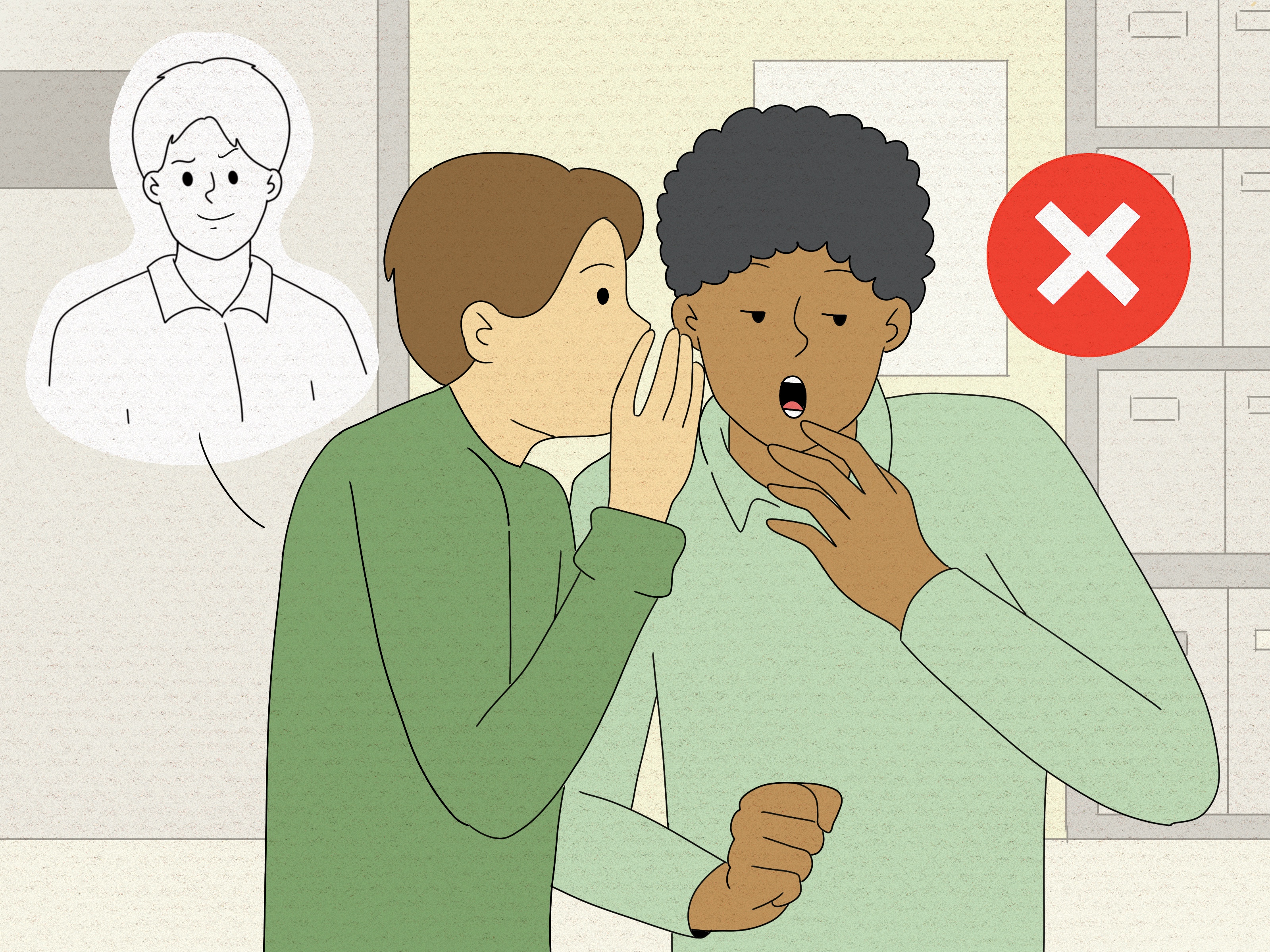
A friend’s betrayal can leave you grieving the person, questioning your judgment, and mentally replaying conversations ainst you, stole an opportunity, or disappeared when you needed support, healing is possible. These 12 practical tips can help you process the pain, protect your emotional well-being, and learn to trust again without pretending nothing happened.
Why a Friend’s Betrayal Hurts So Much
Friendship is built on an unwritten agreement: “I will treat your vulnerable information, feelings, and dignity with care.” Betrayal breaks that agreement. Because the harm comes from someone you trusted, the experience can feel more personal than a conflict with a stranger or casual acquaintance.
You may feel angry, embarrassed, rejected, confused, or even physically tense. You might also begin questioning past memories. Was the friendship ever genuine? Did your friend secretly dislike you? Did other people know what was happening? Your mind may conduct a full investigation at 2:13 a.m., despite receiving no salary or dental benefits for this work.
The end or disruption of a close friendship can also create genuine grief. You are not only reacting to what happened. You may be mourning shared routines, inside jokes, future plans, mutual friends, and the version of the relationship you believed you had.
Healing from betrayal does not require you to deny the damage, rush into forgiveness, or immediately decide whether the friendship should continue. It begins with giving yourself permission to respond honestly.
How to Get Over a Friend’s Betrayal
1. Name Exactly What Happened
Start by describing the betrayal in clear, specific language. Instead of saying, “My friend is terrible,” identify the behavior:
- “She shared private information after promising not to.”
- “He repeatedly lied when I asked what happened.”
- “They excluded me and then blamed me for noticing.”
- “My friend used something personal against me during an argument.”
Specific language helps separate facts from fear. It also keeps one person’s behavior from turning into a sweeping belief such as “Nobody can be trusted.” One friendship failed an important test. That does not mean every future relationship is carrying a tiny betrayal kit behind its back.
Write down what happened, what evidence you have, how it affected you, and which boundary was crossed. This exercise is not about building a courtroom case. It is about creating clarity when your emotions are understandably loud.
2. Allow Yourself to Feel Hurt
Trying to skip pain usually does not eliminate it. It simply gives the pain a fake mustache and lets it return later as irritability, numbness, anxiety, or distrust.
Give yourself permission to feel angry, disappointed, sad, or embarrassed without judging those emotions. You can acknowledge a feeling without allowing it to control every decision. For example, you can say, “I am furious right now, so I will wait before sending a message,” rather than either denying your anger or launching a 47-paragraph text.
Emotions often arrive in waves. You may feel calm in the morning, angry after seeing an old photograph, and unexpectedly sad when someone mentions a restaurant you visited together. This does not mean you are moving backward. Recovery is rarely a straight line.
3. Pause Before Confronting Your Friend
You may eventually want an explanation, apology, or final conversation. Before confronting your friend, however, allow your nervous system time to settle. A conversation held at the peak of anger can quickly become an Olympic event in competitive interrupting.
Ask yourself what you want from the discussion. Are you seeking information, accountability, an apology, a new boundary, or closure? Knowing your purpose makes it easier to stay focused.
When you are ready, use direct statements centered on behavior and impact:
“I trusted you with private information, and you shared it with other people. I felt exposed and betrayed. I need to understand why that happened before I decide whether this friendship can continue.”
Avoid getting trapped in debates over whether you are “too sensitive.” The central question is whether your friend understands the harm, accepts responsibility, and is willing to behave differently.
4. Stop Replaying the Betrayal All Day
Reflection can help you understand an experience. Rumination keeps you circling the same emotional block without finding a parking space.
If you repeatedly replay the betrayal, create a limited “processing window.” Set aside 15 or 20 minutes to write, think, or talk about what happened. When the thoughts return outside that period, gently remind yourself, “I have time scheduled for this. I do not need to solve it right now.”
You can also interrupt the loop with a concrete activity that requires attention, such as cooking, exercising, organizing a drawer, completing a work task, or calling someone supportive. The goal is not to suppress your feelings. It is to prevent one painful event from renting every room in your mind.
5. Talk to One or Two Trustworthy People
Support from safe people can reduce isolation and help you view the situation more clearly. Choose listeners who are calm, discreet, and unlikely to turn your pain into neighborhood entertainment.
Tell them what kind of support you need. You might say:
- “I need you to listen, not fix it.”
- “Please tell me if I am missing something important.”
- “Can we do something distracting for a few hours?”
- “Please keep this private.”
Avoid sharing the story with every mutual friend, especially while emotions are intense. Recruiting an audience may create more conflict and make future decisions harder. Support is helpful; launching a public-relations campaign is usually less so.
Research basis: Social support is widely recognized as a protective resource during stressful experiences. daries That Match the Risk
A boundary is not revenge. It is a decision about what access another person will have to your time, attention, information, or emotional energy.
Your boundary should reflect what happened. If your friend shared a secret, you may stop sharing sensitive information. If they manipulated you through social media, you may mute or block their account. If they repeatedly ignored your limits, you may take a longer break or end contact.
Possible boundaries include:
- Taking a temporary break from communication
- Keeping conversations polite but less personal
- Meeting only in group settings
- Removing access to private accounts or shared documents
- Declining to discuss the conflict through mutual friends
- Ending the friendship when the behavior is abusive or repeatedly harmful
You do not need to make a dramatic announcement for every boundary. Sometimes a calm reduction in access says everything necessary.
7. Decide Whether the Friendship Is Repairable
Not every betrayal requires the end of a friendship, but not every friendship deserves another chance. Consider the pattern rather than focusing only on the apology.
A friendship may be repairable when your friend:
- Admits what they did without minimizing it
- Shows concern for the effect on you
- Offers a specific and sincere apology
- Does not blame you for their decision
- Accepts reasonable boundaries
- Changes their behavior consistently over time
Be cautious when someone apologizes only because they fear consequences. Statements such as “I’m sorry you got upset,” “Everyone does it,” or “You made me do it” do not demonstrate genuine accountability.
Trust is not rebuilt by one emotional conversation. It is rebuilt through repeated evidence. Promises may begin the process, but dependable behavior must complete it.
Research basis: Rebuilding trust generally involves accountability, clear expectations, healthy boundaries, and consistent behavior. onfuse Forgiveness With Reconciliation
Forgiveness can mean releasing your commitment to resentment so the event no longer dominates your inner life. Reconciliation means restoring a relationship. These are separate decisions.
You can forgive someone and still decide they are not safe enough to remain close. You can wish them wellfrom a peaceful distance measured in miles, muted notifications, or both.
Forgiveness also does not require forgetting what happened, excusing harmful behavior, or pretending the betrayal was useful. You may eventually find meaning in the experience, but you do not have to call it a “blessing” while the emotional furniture is still on fire.
Do not pressure yourself to forgive on someone else’s schedule. Begin with a smaller goal: reducing the amount of attention the betrayal receives each day. Peace can arrive gradually.
Research basis: Forgiveness does not require excusing an offense or restoring the relationship. e the Beliefs the Betrayal Created
Betrayal can produce harsh conclusions:
- “I am foolish for trusting them.”
- “Everyone eventually leaves.”
- “I should have known.”
- “I cannot trust my judgment.”
- “There must be something wrong with me.”
Examine each belief instead of automatically accepting it. Trusting a friend is not evidence of stupidity. Trust is a reasonable part of a close relationship. The responsibility for deception belongs to the person who chose to deceive.
You can also review warning signs without blaming yourself. Perhaps you ignored repeated gossip, inconsistency, competitiveness, or disrespect. Recognizing those patterns can improve your future decisions, but hindsight should be used as a teachernot hired as a full-time bully.
10. Rebuild Your Life Outside the Friendship
A close friendship may occupy significant emotional and practical space. When it changes, your calendar can suddenly look as empty as a gym on the morning after New Year’s resolutions expire.
Deliberately refill that space. Reconnect with relatives, acquaintances, coworkers, neighbors, or old friends who make you feel respected. Join a class, volunteer, return to a neglected hobby, or establish a new routine that belongs entirely to you.
Take care of your physical needs as well. Emotional stress can interfere with sleep, appetite, concentration, and motivation. Regular meals, movement, rest, sunlight, and limited alcohol can support your overall ability to cope. These actions will not erase the betrayal, but they give your mind and body better conditions for processing it.
Choose small goals. A 20-minute walk is useful. You do not need to hike across a continent, discover your life purpose, and start a pottery business by Thursday.
Research basis: Healthy coping can include social support, physical activity, rest, nutrition, and multiple flexible coping strategies. People Earn Trust Gradually
After betrayal, you may swing between two extremes: trusting nobody or trusting the next friendly person immediately because you miss closeness. A healthier approach is gradual trust.
Share information in stages and observe what happens. Does the person respect privacy? Do their words match their behavior? Can they disagree without becoming cruel? Do they celebrate your success, or do they suddenly become a professional critic when something good happens to you?
Trust is not a single leap. It is a staircase. People earn greater access by handling smaller opportunities responsibly.
Remember that caution is not the same as permanent suspicion. The goal is not to turn every coffee invitation into a background investigation. It is to remain open while paying attention to patterns.
12. Seek Professional Support If the Pain Persists
Consider speaking with a licensed mental health professional if the betrayal continues to disrupt your sleep, work, appetite, concentration, or other relationships. Therapy may also help if you experience intense anxiety, persistent low mood, panic, intrusive memories, or overwhelming fear of trusting anyone.
A therapist can help you process the experience, challenge self-blame, strengthen boundaries, and decide whether reconciliation is emotionally safe. Professional support is especially important if the friendship involved threats, stalking, coercion, financial exploitation, harassment, or other abusive behavior.
Seeking help does not mean you are overreacting. It means the experience affected you deeply enough to deserve skilled support. If you feel at risk of harming yourself or someone else, contact local emergency services or an appropriate crisis service immediately.
Should You Give a Friend Another Chance?
Before reopening the friendship, ask yourself several practical questions:
- Was the betrayal a one-time failure or part of a repeated pattern?
- Did my friend admit the truth voluntarily?
- Did they apologize for the behavior or merely for the consequences?
- Can they explain what they will do differently?
- Do I feel emotionally and physically safe around them?
- Am I considering reconciliation because I want it, or because I feel guilty?
- Would I advise someone I love to accept this treatment?
You do not have to decide immediately. A temporary separation may reveal whether you genuinely miss the friendship or simply miss the comfort of familiarity. Sometimes distance confirms that a relationship is worth repairing. At other times, it reveals how much stress you had normalized.
What Healing From a Friend’s Betrayal Can Look Like
The following composite experience illustrates how recovery may unfold. It combines common situations rather than describing one identifiable person.
Maya had been friends with Leah for nearly eight years. They had survived bad jobs, questionable haircuts, family problems, and one vacation during which neither admitted they had booked the wrong hotel until midnight. Maya believed the friendship was permanent.
During a difficult period at work, Maya privately told Leah that she was considering leaving her job. She specifically asked Leah not to share the information because her decision was not final. Two days later, a coworker casually mentioned hearing that Maya was “about to quit.” The story had traveled from Leah to a mutual friend and eventually reached someone in Maya’s office.
Maya initially felt disbelief. Leah had always criticized people who gossiped, which apparently had not prevented her from applying for the position. When confronted, Leah said she had told “only one person” and insisted that Maya was making the situation too serious.
For the first week, Maya replayed every conversation they had shared. She wondered what other private information Leah might have repeated. She drafted several furious messages, deleted them, restored them, and then wisely placed her phone in another room.
Maya eventually wrote down the facts. Leah had disclosed confidential information, minimized the impact, and avoided responsibility. Seeing the situation in plain language helped Maya stop arguing with herself about whether she was allowed to feel betrayed.
She talked with her sister and one trusted friend outside the shared social circle. Instead of asking them to choose sides, she asked them to listen and help her decide what boundary would protect her. Maya then told Leah she needed a month without contact and would not discuss the conflict through mutual friends.
The distance was uncomfortable at first. Maya missed their daily messages and repeatedly reached for her phone when something funny happened. She gradually filled the empty space by taking evening walks, joining a weekend cooking class, and reconnecting with an old college friend. None of these activities magically erased the hurt, but they reminded her that her entire social world did not begin and end with Leah.
After several weeks, Leah sent a more thoughtful apology. She admitted that sharing the information had made her feel important and acknowledged that she had dismissed Maya’s reaction to avoid feeling guilty. She did not demand immediate forgiveness.
Maya decided against returning to the previous level of closeness. They began speaking occasionally, but Maya stopped sharing highly personal information. Over time, she noticed that Leah respected the new limits and no longer pressured her to “get over it.”
The friendship never returned to exactly what it had been. That was painful, but it was also honest. Maya eventually forgave Leahnot because the betrayal became acceptable, but because she no longer wanted to organize her emotional life around it.
Her most important realization was that healing did not require a perfect apology, a dramatic reunion, or total emotional amnesia. It meant trusting her own perception, protecting herself without becoming permanently closed, and allowing the experience to become one chapter rather than the entire book.
Moving Forward Without Becoming Bitter
Getting over a friend’s betrayal is not about proving that you are unaffected. It is about becoming less controlled by what happened. You can remember the lesson without carrying the original intensity of the pain forever.
Some friendships recover through accountability, patience, and changed behavior. Others end because distance is the healthiest response. Either outcome can be part of healing.
Focus on what remains within your control: your boundaries, your support system, your daily habits, your interpretation of the experience, and the amount of access the person receives in the future. You cannot rewrite the betrayal, but you can decide what role it will play in your next chapter.
Eventually, you may notice that an entire afternoon passed without thinking about it. Then a day. Then several days. That quiet progress is often what recovery looks likenot fireworks, not a movie speech, but the gentle return of your attention to your own life.