

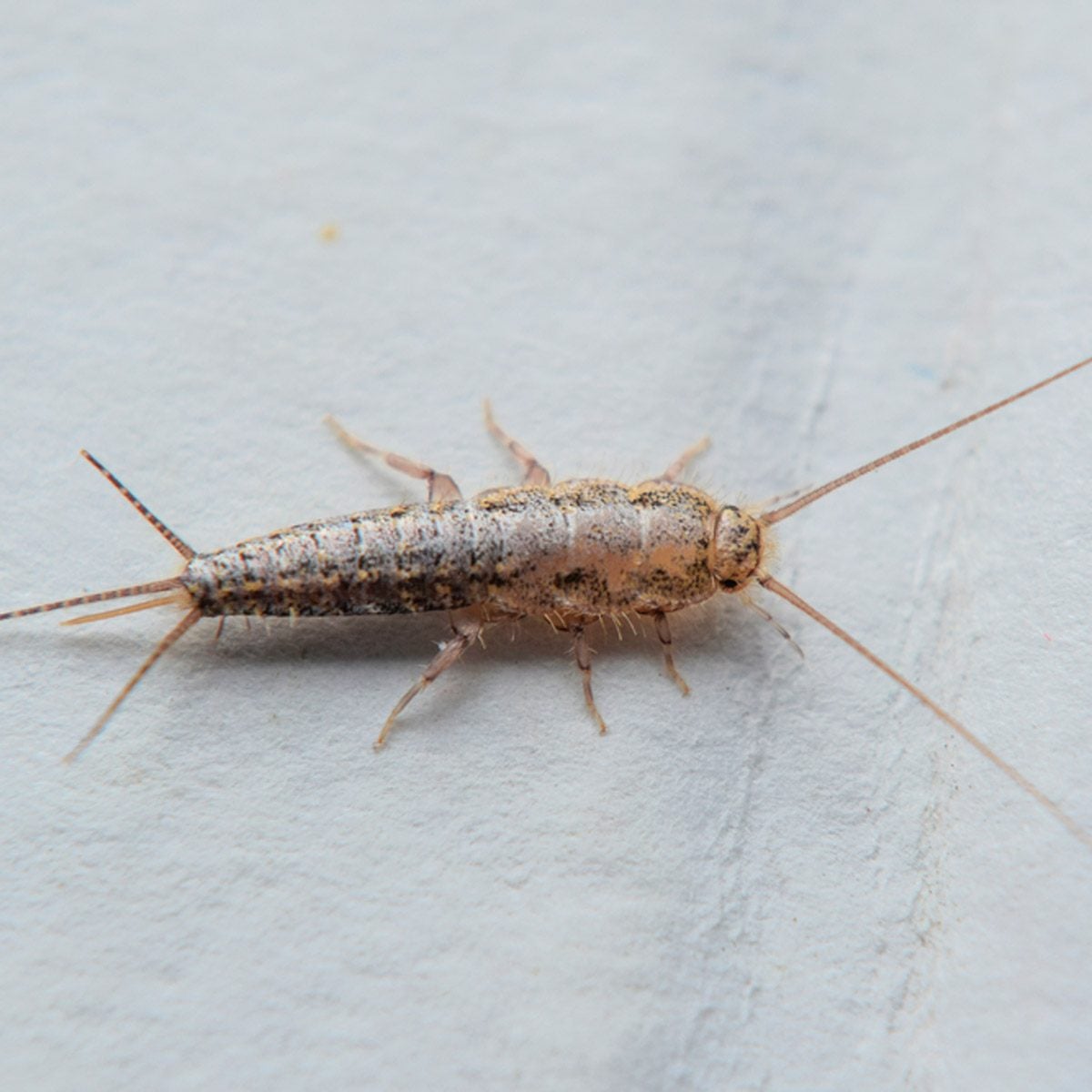
If you’ve ever flipped on a bathroom light and watched a tiny, shiny creature zigzag back into the darkness like it’s late for a meeting in your baseboards, you’ve probably met a silverfish. They look a bit like a cross between a shrimp and a tiny alien, but they’re actually one of the oldest insect species still hanging around our homes today. Before dinosaurs, there were silverfishand apparently, they saw no reason to leave.
So what is a silverfish, why is it in your house, and how do you convince it to move out without listing your home on the market? Let’s break down what homeowners need to know about these strange little houseguests, from identification and damage to prevention and control.
What Exactly Is a Silverfish?
Silverfish are small, wingless insects in the order Zygentoma. Adult silverfish usually measure about 1/2 to 3/4 of an inch long. Their bodies are flattened, carrot- or teardrop-shaped, and covered in fine, silvery-gray scales that give them their metallic sheen. They move with a distinctive, wiggling, fishlike motionhence the name “silverfish.”
You’ll notice a few signature features if you get close enough to look (no judgment if you’d rather not):
- Two long antennae on the head.
- Three tail-like bristles at the reartwo on the sides and one in the center.
- No wings, but very fast legs that help them sprint into tiny cracks.
They’re nocturnal, so you’re most likely to see them when you turn on a light unexpectedly or head to the bathroom or kitchen for a late-night snack.
Where Do Silverfish Live?
Silverfish are big fans of two things: darkness and moisture. In modern homes, that usually means:
- Basements and crawl spaces
- Bathrooms and laundry rooms
- Kitchens, especially under sinks
- Attics with poor ventilation
- Garages and storage areas with cardboard boxes
They thrive in humid environments, generally over 60% relative humidity, and are especially happy in damp, unventilated corners. Leaky pipes, condensation around windows, damp drywall, and poorly sealed foundations can all create silverfish-friendly conditions.
Their flat bodies and flexible exoskeletons make it easy for them to slip into cracks around baseboards, under flooring, and behind wall voids. They’re pros at hiding, which is why you may see only one silverfishbut there may be many more living just out of sight.
What Do Silverfish Eat?
Silverfish have surprisingly broad and destructive tastes. They love carbohydrates, especially starches and sugars, and they’ll happily snack on a wide range of common household materials, including:
- Books, paper, envelopes, and cardboard
- Wallpaper and wallpaper paste
- Fabric such as cotton, linen, and sometimes silk
- Stored dry foods like flour, cereal, pasta, and pet food
- Glues, adhesives, and certain types of insulation
They can even nibble on photos, tax records, or that handwritten recipe card from your grandma, which is where they go from “weird bug” to “absolutely not.” Their feeding marks often look like small, irregular holes or scraped, ragged edges around paper and cardboard.
Because they can survive for months without food and for long periods without water, simply moving a stack of papers or tossing one box won’t usually solve a full-blown silverfish problem.
Are Silverfish Dangerous?
Good news: silverfish do not bite, sting, or spread diseases to humans or pets. They’re considered nuisance pests rather than direct health threats.
The bad news is that their snacking habits can be costly. Over time, a silverfish infestation can damage:
- Books and magazines, especially older collections
- Important documents you’ve stored in boxes or file cabinets
- Wallpaper and decorative paper items
- Stored clothing, especially in damp closets or bins
- Dry pantry goods, which may become contaminated and unusable
Some people may also experience mild allergies to silverfish scales or droppings, similar to dust mite or cockroach allergies, although this is less common.
How to Tell If You Have Silverfish
You may spot the insects themselves, usually scurrying away when you:
- Turn on a bathroom or kitchen light at night
- Move boxes in the basement or attic
- Flip through old books, magazines, or files
Other signs of a silverfish infestation include:
- Feeding damage: Tiny holes, notches, or ragged edges on paper, cardboard, or fabric.
- Staining and droppings: Small pepper-like specks near places they feed.
- Yellowish dust or scales where they’ve shed their outer coating.
If you’re noticing repeated, unexplained damage to books or boxes stored in humid spaces, silverfish are strong suspects.
What Causes Silverfish in a Home?
Contrary to popular belief, silverfish are not a sign that your home is dirty. They’re more interested in moisture and shelter than housekeeping standards. They often enter in a few ways:
- Through cracks in foundations, gaps around windows, and poorly sealed doors
- In cardboard boxes, stacks of books, or other belongings you bring in
- From connected spaces such as shared walls in apartments or townhomes
Once inside, they stick around if they find the conditions they love: high humidity, dark hiding spots, and plenty of starchy materials within reach. Wet basements, leaky bathrooms, and stuffy attics are practically silverfish resorts.
How to Get Rid of Silverfish
Getting silverfish under control usually requires a combination of moisture control, sanitation, and targeted treatment. Think of it as a home improvement project with a pest-control bonus.
Step 1: Reduce Moisture
- Run dehumidifiers in basements, crawl spaces, and damp rooms.
- Use exhaust fans in bathrooms and kitchens during and after showers or cooking.
- Fix leaky pipes, dripping faucets, and condensation problems.
- Improve ventilation in attics and closed storage areas.
Most experts agree that keeping humidity below about 50–60% makes your home much less appealing to silverfish.
Step 2: Remove Food Sources and Hiding Places
- Store dry foods in airtight containers instead of opened boxes or bags.
- Keep books and important papers off the floor and away from damp walls.
- Use plastic bins instead of cardboard boxes in basements and garages.
- Declutter closets, under-sink cabinets, and storage shelves.
- Vacuum regularly along baseboards, around vents, and behind furniture.
These steps don’t just starve silverfish; they also make it easier to spot any new activity.
Step 3: Use Traps and Natural Remedies
For minor infestations, you can often reduce silverfish numbers with simple, low-toxicity tools:
- Sticky traps: Place insect glue boards along baseboards, behind toilets, and in closets.
- Jar traps: Line the outside of a glass jar with masking tape for grip, drop a bit of flour or cereal inside, and place it where you’ve seen silverfish. They climb in but can’t climb out.
- Diatomaceous earth: This fine powder acts as a desiccant, damaging insects’ protective outer layer and drying them out. Apply a thin line in inaccessible cracks and behind baseboards.
- Essential oils and herbs: Peppermint oil, cedar, clove, or bay leaves may help repel silverfish in small areas like closets or drawers.
Always follow label directions when using dusts and keep them out of reach of kids and pets.
Step 4: Targeted Chemical Treatments
Stubborn infestations may require stronger, targeted treatments:
- Boric acid can be used as a bait or dust in cracks, wall voids, and under appliances. It disrupts the insect’s digestive system and works as a slow-acting poison.
- Residual insecticidal sprays or aerosols labeled for silverfish may be used along baseboards, in wall voids, or around plumbing penetrations.
Because some products can be harmful if misapplied, many homeowners prefer to have a licensed pest control professional handle this step. Pros can also identify moisture issues and structural entry points you might miss.
How to Prevent Silverfish from Coming Back
Once you’ve done the hard work of evicting silverfish, a few maintenance habits can help you keep your home off their “favorite places” list:
- Use a dehumidifier in any room that feels damp or musty.
- Seal cracks in foundations, gaps around windows, and spaces where pipes enter walls.
- Store irreplaceable documents and photos in sealed containers away from humidity.
- Rotate items in storage so boxes don’t sit untouched in damp corners for years.
- Check secondhand books, cardboard, and storage boxes before bringing them inside.
Think of silverfish prevention as part home-care routine, part insurance policy for your books, archives, and off-season sweaters.
Real-Life Experiences: Living with (and Beating) Silverfish
Ask around at any backyard barbecue, and you’ll probably find at least one person with a silverfish story. These insects show up in all kinds of homesbrand-new construction, old bungalows, condos, townhouses. Here are some common experiences homeowners report, along with what they learned in the process.
The Case of the Haunted Bookshelf
One homeowner noticed that the edges of their favorite paperback novels looked like someone had gently chewed them with tiny scissors. The basement family room felt a little damp, but everything looked clean. After spotting a silverfish dart behind a stack of books, they pulled the shelf away from the wall and found more insects hiding where the carpet met the baseboard.
What finally worked wasn’t just spraying an insecticide and calling it a day. They:
- Added a dehumidifier and kept humidity under 50%.
- Swapped cardboard boxes for plastic bins and moved books higher off the floor.
- Ran a vacuum along baseboards weekly and used a thin line of diatomaceous earth behind the shelf.
Within a few weeks, the sightings dropped off. The lesson: moisture control plus better storage made the space far less attractive, and the remaining silverfish were caught in traps or dried out by the desiccant dust.
The “New” Home with Old Moisture Problems
Another family moved into a relatively new house and were surprised to see silverfish in the upstairs bathroom and walk-in closet. The home inspector hadn’t mentioned anything dramatic, but there were a couple of clues: a slightly musty smell near an exterior wall and some old water staining under a window.
They discovered that a poorly sealed window and a slow leak in the bathroom plumbing had been raising humidity in those spaces for months. Once a plumber fixed the leak and they resealed the window, they:
- Ran the bathroom fan for 20 minutes after showers.
- Used sticky traps behind the toilet and in the closet.
- Stored out-of-season clothes in sealable bags instead of open baskets.
Silverfish sightings dropped quickly. The takeaway: even a house that looks new and spotless can hide just enough moisture and darkness to invite silverfish.
The Archival Panic in the Home Office
Silverfish can be especially nerve-wracking if you have a home office full of files, old photos, or collectible books. One homeowner stored years of tax documents and family photo albums in a closet next to an exterior wall. A few silverfish showed up near the baseboard, and panic set in.
Instead of tossing everything into the recycling bin in a fit of frustration, they took a more measured approach:
- Sorted through paperwork and shredded anything no longer needed.
- Placed important documents and photos into latching, airtight plastic containers.
- Used a small dehumidifier in the office and checked humidity with a simple digital hygrometer.
- Laid out several sticky traps behind furniture and along baseboards.
They caught a handful of silverfish over the next couple of weeks, then none at all. The key insight: better organization and airtight storage protect not only against silverfish, but also against other pests and moisture-related damage.
When It’s Time to Call in the Pros
Some homeowners do everything rightdehumidifier, traps, sealing cracksand still see silverfish every time they open a closet. In these cases, the infestation may be larger or more deeply entrenched in wall voids, crawl spaces, or shared building systems.
Professional pest control companies can:
- Identify hidden moisture problems and entry points you might not see.
- Apply professional-grade desiccants and residual treatments in wall voids and other inaccessible areas.
- Develop an integrated plan that combines moisture management, exclusion, and follow-up visits.
Many pros will also reassure you about something important: having silverfish doesn’t mean your home is dirty or neglected. It usually means your home offers exactly what these ancient insects loveshelter, humidity, and a few starchy snacks. Fix those factors, and you’ll tip the balance in your favor.
Bottom Line
Silverfish are strange, prehistoric-looking insects that occasionally dash across your bathroom floor like they pay rent. They don’t bite, sting, or carry diseases, but they can quietly damage books, papers, fabrics, and stored food. The secret to dealing with them isn’t just spraying and hopingit’s understanding what they need and systematically taking those things away.
Control the moisture, protect your belongings, seal entry points, and use traps or targeted treatments as needed. Whether you DIY the process or bring in a pro, you can send these shiny little squatters packing and keep your homeand your book collectionsafe.