

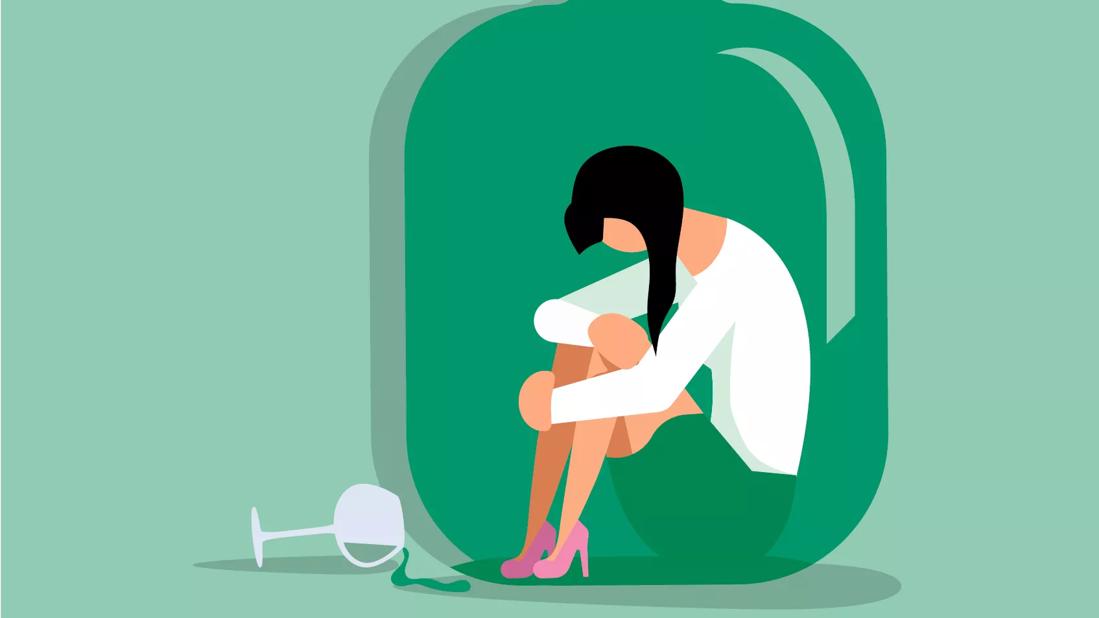
Binge drinking has a sneaky public relations team. It often shows up wearing the costume of “just having fun,” “blowing off steam,” or “it was only one wild night.” But underneath the party playlist and the oversized plastic cup, binge drinking is a serious pattern of alcohol use that can affect nearly every organ in the body. It is not just about waking up with a headache, a foggy memory, and a phone full of photos you would rather send into the sun. It is about how quickly alcohol can strain the brain, heart, liver, pancreas, immune system, and long-term health.
Understanding binge drinking matters because it is common, risky, and often misunderstood. Many people assume binge drinking only applies to someone who drinks every day or has a severe alcohol problem. Not true. A person can binge drink on weekends, at celebrations, during stressful seasons, or “only once in a while” and still face real medical consequences. In other words, you do not need to drink constantly for alcohol to hit the body like a wrecking ball.
This article explains what binge drinking actually means, why it is more dangerous than it sounds, and the 10 health impacts everyone should know. We will also look at realistic experiences people often have around binge drinking, because sometimes the lesson lands harder when it comes wearing real-life shoes instead of textbook loafers.
What Is Binge Drinking?
Binge drinking is a pattern of drinking that raises blood alcohol concentration to 0.08% or higher. For a typical adult, that usually means about four or more drinks for women or five or more drinks for men within about two hours. A “drink” is not a vague unit invented by party hosts with questionable ethics. In the United States, one standard drink is generally considered 12 ounces of regular beer, 5 ounces of wine, or 1.5 ounces of 80-proof distilled spirits.
That definition matters because binge drinking is about speed and quantity together. It is less about whether someone had alcohol at dinner and more about how much alcohol hit the bloodstream in a short window. Drinking quickly gives the body less time to metabolize alcohol, which means blood alcohol levels rise fast. When that happens, judgment drops, reflexes slow, memory can fail, and the risks move from “not ideal” to “medically serious” in a hurry.
Another important point: binge drinking is not identical to alcohol use disorder. Someone can binge drink without meeting the criteria for alcohol dependence. Still, repeated binge drinking raises the risk of developing alcohol use disorder over time. Think of it as a behavior that can be dangerous on its own and can also open the door to a much bigger problem later.
Why Binge Drinking Is So Risky
Alcohol affects the whole body, not just the liver. During a binge, the brain is often the first organ to wave a red flag. Decision-making gets sloppier, impulse control weakens, and coordination becomes unreliable. Then the rest of the body joins the complaint department. The heart may beat irregularly, blood pressure can shift, the stomach and pancreas can become irritated, and the immune system takes a hit. Over time, repeated binges can contribute to chronic disease, not just one bad night.
What makes binge drinking especially dangerous is how ordinary it can look from the outside. A packed stadium, birthday party, college event, wedding reception, office happy hour, or long holiday weekend can make high-risk drinking seem almost normal. The body, however, is not fooled by social camouflage. It still has to process the alcohol, and it still pays the bill.
10 Health Impacts of Binge Drinking
1. Alcohol Poisoning and Medical Emergencies
One of the most immediate dangers of binge drinking is alcohol poisoning. When alcohol levels climb high enough, the parts of the brain that control breathing, heart rate, body temperature, and gag reflex can begin to shut down. This is not “sleeping it off.” It is a medical emergency.
Warning signs can include confusion, trouble staying awake, vomiting, seizures, slow or irregular breathing, blue or pale skin, low body temperature, and unresponsiveness. A person with alcohol poisoning may choke on vomit or stop breathing. That is why binge drinking can become life-threatening faster than many people expect.
2. Injuries, Falls, Crashes, and Other Trauma
Alcohol is a masterclass in bad timing. It slows reaction time, weakens coordination, and lowers judgment all at once, which is a terrible combination for driving, swimming, crossing streets, using machinery, climbing stairs, or deciding that jumping off the porch “looks manageable.”
Binge drinking is strongly linked to falls, drownings, burns, car crashes, and other injuries. It is also associated with violence, including assault and intimate partner violence. In plain English, the body becomes less able to protect itself, while the brain becomes more likely to make risky choices. That is a rotten two-for-one deal.
3. Blackouts, Memory Problems, and Brain Disruption
Blackouts are one of the most unsettling effects of binge drinking. During an alcohol-related blackout, a person may still be awake and talking, but the brain is not properly forming new memories. Later, entire sections of the night may vanish like socks in a dryer.
Even when a blackout does not occur, binge drinking can impair attention, concentration, decision-making, and learning. Repeated heavy drinking over time can affect brain health more broadly, especially when it becomes a habit. The idea that “I seemed fine” is not proof that the brain was fine. Alcohol can disrupt memory formation long before someone looks obviously impaired.
4. Mental Health Strain and Mood Changes
People sometimes use alcohol as a shortcut to feeling relaxed, social, or temporarily less stressed. Unfortunately, alcohol is a lousy therapist. Binge drinking can worsen anxiety, deepen low mood, increase irritability, and contribute to poor emotional regulation. The short-term buzz can be followed by a very long emotional bill.
It can also fuel shame, regret, conflict, sleep disruption, and risky behavior that makes stress worse the next day. Over time, repeated binge drinking may contribute to a cycle in which people drink to cope, then feel worse because of the drinking, then drink again to escape the feelings created by the previous round. That loop is not freedom. It is a trap with a bar tab.
5. Heart Problems, High Blood Pressure, and Stroke Risk
The heart is not a fan of binge drinking. Heavy alcohol use and binge drinking are linked with worse cardiovascular outcomes, including high blood pressure, irregular heart rhythms, cardiomyopathy, heart disease, and stroke risk. Some people experience palpitations or a racing heartbeat after a binge, while others may not notice anything at first. The absence of symptoms does not mean the heart got a free pass.
Repeated binges can keep placing sudden strain on the cardiovascular system. That means a pattern that seems “occasional” can still be harmful if it happens often enough. The heart prefers consistency, oxygen, and moderation. It does not enjoy surprise chemistry experiments at midnight.
6. Liver Damage
The liver is the body’s cleanup crew, and alcohol gives it overtime without benefits. The liver breaks down alcohol, but when drinking is excessive, that workload becomes toxic. Repeated binge drinking can contribute to fatty liver, alcoholic hepatitis, fibrosis, and eventually cirrhosis.
Liver disease does not always announce itself early with dramatic symptoms. A person may feel mostly fine while damage builds quietly in the background. That is part of what makes alcohol-related liver disease so dangerous. The body can be raising a red flag while the person is still saying, “I only really drink on weekends.”
7. Pancreatitis and Digestive Trouble
Binge drinking can inflame the pancreas, an organ that helps with digestion and blood sugar regulation. Heavy alcohol use is a recognized cause of pancreatitis, which can be extremely painful and medically serious. The pain often shows up in the upper abdomen and may radiate to the back, sometimes with nausea and vomiting.
Alcohol can also irritate the digestive tract more generally, contributing to reflux, stomach irritation, nausea, and vomiting. So yes, that “I think I ruined myself with brunch mimosas and bad decisions” feeling can reflect real gastrointestinal stress, not just dramatic storytelling.
8. A Weakened Immune System
Binge drinking does not just make a person feel rundown. It can make the immune system less effective. Alcohol misuse has been associated with weaker immune defenses and greater susceptibility to infections. In practical terms, the body becomes less prepared to fight off illness.
That means repeated heavy drinking can leave people more vulnerable to getting sick and recovering more slowly. A lot of people think of alcohol as something that only affects the liver or brain, but the immune system is part of the story too. The body is interconnected, and alcohol does not limit its chaos to one department.
9. Higher Cancer Risk
Alcohol is linked to an increased risk of several cancers, including cancers of the mouth, throat, esophagus, liver, breast, colorectum, and voice box. The risk generally rises with greater alcohol consumption over time, and evidence shows that even lower levels of alcohol use can increase the risk for some cancers. In short, the myth that only “hardcore drinking” matters is not supported by the science.
This matters because many people still think cancer risk is only about smoking, genetics, or bad luck. Alcohol deserves a seat at that uncomfortable table. Binge drinking adds to overall alcohol exposure and may also stack risks when combined with tobacco or other unhealthy patterns.
10. Greater Risk of Alcohol Use Disorder
Binge drinking can be both a symptom and a stepping stone. Repeated episodes increase the chance that alcohol use becomes harder to control. Over time, a pattern of “sometimes I overdo it” can shift into cravings, more frequent drinking, stronger tolerance, and continued drinking despite social, health, or work problems.
That does not mean every person who binge drinks will develop alcohol use disorder. It does mean the behavior should not be brushed off as harmless. When alcohol repeatedly creates harm and still keeps getting invited back, that is not just partying. That is a warning sign.
Special Situations People Should Not Ignore
Some situations make alcohol especially risky. There is no known safe amount of alcohol during pregnancy, and prenatal alcohol exposure is associated with miscarriage, stillbirth, preterm birth, and fetal alcohol spectrum disorders. Alcohol is also particularly dangerous when mixed with other drugs, especially opioids, sedatives, or medications that slow breathing or impair alertness.
Another red flag is the phrase “I do not remember how I got home, but apparently I was fine.” That is not fine. It may point to a blackout, dangerous impairment, or both. Whenever alcohol causes memory loss, injuries, fainting, vomiting, or breathing concerns, the situation deserves serious attention.
What Real-Life Experiences Around Binge Drinking Often Look Like
Binge drinking does not always look like a movie scene with overturned tables and a dramatic soundtrack. Sometimes it looks painfully ordinary. A college student drinks fast to keep up with friends, laughs harder as the night goes on, then wakes up with missing memories, a bruised knee, and three messages asking if they got home safely. They are embarrassed, but they tell themselves it was just a rough night. Two weekends later, it happens again. The pattern starts as a story for friends and slowly turns into a private source of fear.
For some adults, the experience is less about parties and more about routine. It is the professional who says, “I do not drink every day,” but regularly has several drinks in a short stretch on Fridays or during social events. At first, the consequences seem manageable: a rough morning, missed workouts, maybe a few regrettable texts. Then the effects become more obvious. Blood pressure creeps up. Sleep gets worse. Mood gets shorter. Lab work comes back looking less friendly than expected. The person is shocked because they never thought of themselves as “someone with a drinking problem.”
Parents can experience it differently too. A stressed parent may use alcohol as a fast off-switch after a brutal week. One glass becomes several, and several become a pattern whenever stress peaks. They may notice that they are more impatient the next day, less present with family, and carrying guilt that does not quite wash off with coffee. The alcohol was supposed to create relief, but instead it quietly made home life harder.
Then there are the people who find out the hard way in an emergency room. Maybe it starts with vomiting that will not stop, a head injury from a fall, chest pounding after a night out, or a friend who cannot be awakened. In those moments, the myth of binge drinking as “not a big deal” falls apart very quickly. The experience becomes a dividing line between how someone used to think about alcohol and how they think about it now.
Not every story ends in catastrophe, and that is exactly why binge drinking is often underestimated. Many people live in the gray area for years. They are functioning, working, parenting, studying, and socializing. But underneath that normal-looking life, alcohol is still shaping health, memory, risk, and relationships. Sometimes the biggest clue is not a dramatic disaster. It is the quiet realization that drinking keeps costing more than it gives.
People who cut back or stop binge drinking often describe a surprisingly wide set of improvements: better sleep, steadier mood, clearer memory, fewer fights, better workouts, less anxiety, and the deeply underrated joy of not waking up to investigate one’s own behavior like a detective on a low budget. Those changes do not erase the past, but they do show that the body and brain can respond positively when alcohol stops hitting them like a freight train.
Conclusion
So, what is binge drinking? It is not merely “partying hard.” It is a high-risk pattern of alcohol use that can raise blood alcohol concentration quickly and trigger real harm, both immediately and over time. From alcohol poisoning and injuries to memory problems, heart strain, liver damage, pancreatitis, weakened immunity, cancer risk, and alcohol use disorder, the effects are broad and serious.
The main takeaway is simple: binge drinking is not harmless just because it is occasional, social, or common. The body does not care whether the drinks happened at a wedding, a football game, a college party, or on a random Tuesday that got out of hand. It still has to absorb the consequences. Knowing the risks is not about being dramatic. It is about being honest.