

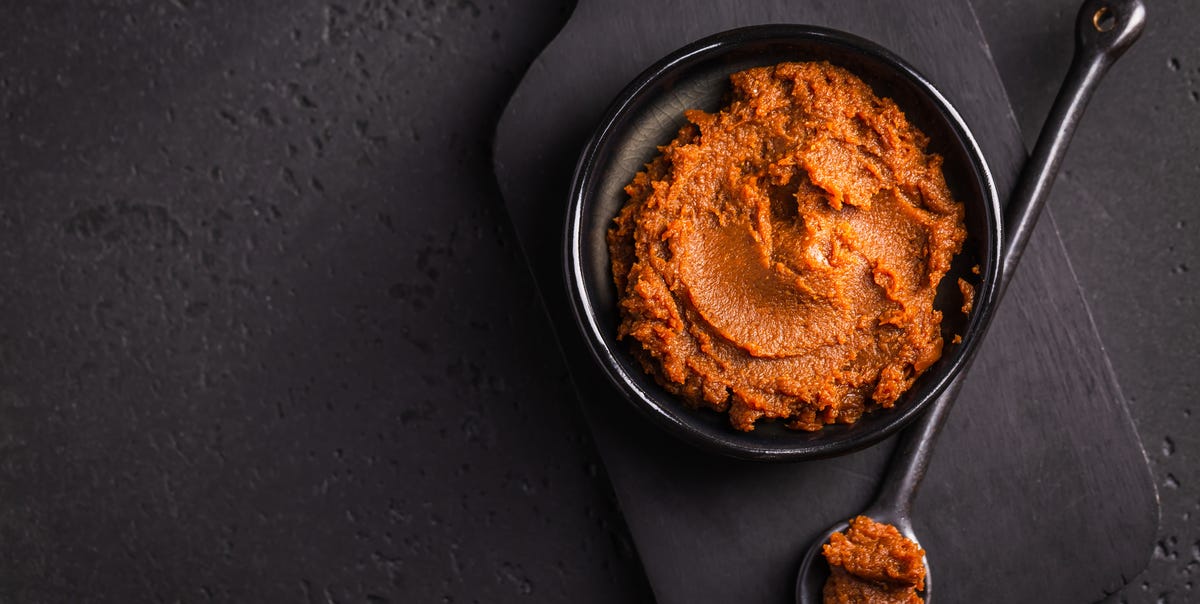
Miso is one of those ingredients that looks quiet in the refrigerator but behaves like a tiny flavor wizard once it hits food. A spoonful can turn a simple soup into something cozy, make salad dressing taste restaurant-level, give roasted vegetables a deep savory edge, and rescue a flat marinade from “fine” to “please make this again.” If you have ever wondered, “What is miso, exactly?” the short answer is this: miso is a fermented Japanese paste most commonly made from soybeans, salt, and koji, a cultured grain that helps create its famous umami flavor.
The longer answer is much more delicious. Miso is salty, savory, slightly sweet depending on the type, and packed with complexity. It is not just a soup ingredient, although miso soup deserves its celebrity status. Miso paste can be used in glazes, sauces, marinades, dips, butter, noodles, desserts, and even weeknight “I forgot to plan dinner” meals. It is a pantry hero with a passport stamp and a lot of personality.
In this guide, we will break down what miso is, how it is made, the main types of miso, what it tastes like, how to use it in everyday cooking, and the simple mistakes to avoid. By the end, that little tub of miso will no longer seem mysterious. It will look like what it really is: a flavor shortcut with centuries of kitchen wisdom behind it.
What Is Miso?
Miso is a thick fermented paste traditionally associated with Japanese cuisine. It is usually made by fermenting cooked soybeans with salt and koji, which is often rice or barley inoculated with the mold Aspergillus oryzae. That may sound like something from a science lab, but koji is one of the great behind-the-scenes stars of Japanese food. It is also used in making sake, soy sauce, mirin, and other fermented staples.
During fermentation, enzymes break down proteins, starches, and fats into flavorful compounds. The result is a paste rich in umami, the deep savory taste often described as meaty, brothy, or mouthwatering. Miso can be mild and sweet, bold and salty, earthy and nutty, or dark and intense depending on the ingredients, fermentation time, and regional style.
Most miso is made with soybeans, but not all miso tastes strongly like soy. Some varieties include rice koji, barley koji, or other grains, which influence the color, sweetness, texture, and aroma. Think of miso like cheese in the broadest sense: cheddar, brie, parmesan, and goat cheese are all cheese, but nobody would confuse them at a party. Miso has that same family-tree energy.
How Is Miso Made?
The basic miso-making process starts with cooked soybeans. These are mixed with koji, salt, and sometimes additional grains. The mixture is mashed into a paste and left to ferment in a controlled environment. Fermentation may last a few weeks, several months, or even years, depending on the desired style.
As miso ages, its color usually deepens. Lighter miso tends to be younger, sweeter, and milder. Darker miso is often older, saltier, and more intense. This color change is partly due to fermentation and browning reactions that create deeper flavors. In kitchen terms, light miso whispers politely; dark miso walks in wearing boots and announces dinner is ready.
The salt in miso does more than season the paste. It also helps control fermentation and preserve the product. That is why miso can last a long time in the refrigerator when stored properly. It is a fermented food, but it is also a salty one, so a little goes a long way.
What Does Miso Taste Like?
Miso tastes salty, savory, and rich, but the exact flavor depends on the type. White miso can taste mellow, lightly sweet, and creamy. Yellow miso is usually balanced and earthy. Red miso is deeper, saltier, and more robust. Some aged miso can taste almost smoky, mushroomy, or molasses-like.
The best way to understand miso is to taste a tiny amount straight from the spoon. You do not need much. In fact, please do not eat a heaping spoonful unless you want your taste buds to file a formal complaint. Try a pea-sized amount and notice the layers: salt first, then savory depth, then sweetness or earthiness depending on the variety.
Miso is famous because it creates depth without requiring hours of cooking. It can make a quick broth taste slow-simmered, a basic dressing taste polished, and vegetables taste like they had a meeting with a very talented chef.
Main Types of Miso
There are many regional and specialty varieties of miso, but most home cooks can start by understanding three common types: white, yellow, and red miso.
White Miso
White miso, also called shiro miso, is usually the mildest and sweetest of the common miso varieties. It is often made with a higher proportion of rice koji and a shorter fermentation period. Its color can range from pale cream to light golden beige.
White miso is great for beginners because it is friendly and flexible. Use it in salad dressings, light soups, sauces, dips, mashed potatoes, compound butter, and even desserts like miso caramel or cookies. It adds depth without taking over the whole dish. If red miso is a bass drum, white miso is a cozy acoustic guitar.
Yellow Miso
Yellow miso, sometimes called shinshu miso, lands in the middle. It is typically more savory than white miso but not as intense as red miso. Its color ranges from golden yellow to light brown, and its flavor can be earthy, slightly nutty, and balanced.
This is a reliable all-purpose miso. If you want one tub that can handle soup, marinades, glazes, dressings, and vegetable dishes, yellow miso is a strong choice. It plays well with sesame oil, ginger, garlic, rice vinegar, scallions, mushrooms, tofu, chicken, fish, noodles, and roasted squash.
Red Miso
Red miso, or aka miso, is usually fermented longer than white or yellow miso. It has a darker color, stronger aroma, and deeper flavor. It can be quite salty, so use it thoughtfully.
Red miso works beautifully in hearty dishes: braises, rich soups, ramen broth, grilled meat marinades, roasted root vegetables, eggplant glazes, mushroom sauces, and stews. It is not shy. If a recipe calls for white miso and you substitute red miso one-for-one, the dish may suddenly develop a dramatic personality. Start with less and adjust.
Is Miso Good for You?
Miso can be part of a healthy diet when used in moderation. Because it is fermented, unpasteurized miso may contain beneficial live cultures. It also contains plant-based protein, small amounts of minerals, and flavorful compounds created through fermentation. However, miso is also high in sodium, so it should be used as a seasoning rather than eaten by the bowlful.
The smartest way to use miso is to let it replace some salt in recipes. Instead of adding salt plus another seasoning, use miso to bring saltiness and complexity at the same time. For example, a teaspoon of miso in a vinaigrette can make the dressing taste rounder and more satisfying than salt alone.
People who need to watch sodium intake should choose lower-sodium miso when available and adjust other salty ingredients such as soy sauce, tamari, broth, or salted butter. Anyone with a soy allergy should avoid soy-based miso, and people avoiding gluten should check labels carefully because some miso is made with barley.
How to Use Miso in Everyday Cooking
Miso is incredibly versatile. Once you stop thinking of it as “just soup paste,” a whole world opens up. Here are practical ways to use miso in everyday meals.
1. Stir It Into Soup
Miso soup is the classic use, and for good reason. To make a simple version, warm dashi or broth, add tofu, seaweed, mushrooms, or greens, then dissolve miso into the hot liquid at the end. Avoid boiling miso once it has been added, especially if you want to preserve its delicate aroma and live cultures.
A helpful technique is to place miso in a small bowl, ladle in some hot broth, whisk until smooth, then stir that mixture back into the pot. This prevents clumps and gives you a silky soup instead of a treasure hunt for paste blobs.
2. Make a Miso Marinade
Miso is excellent in marinades because it brings salt, umami, and a little body. Mix miso with mirin, rice vinegar, sesame oil, ginger, garlic, or a touch of honey. Use it for salmon, cod, chicken, tofu, eggplant, mushrooms, or zucchini.
Because miso can brown quickly, especially under high heat, wipe off excess marinade before broiling or grilling. You want caramelized, not carbonized. There is a fine line between “chef’s kiss” and “smoke alarm concert.”
3. Whisk It Into Salad Dressing
A basic miso dressing can be made with white or yellow miso, rice vinegar, sesame oil, neutral oil, ginger, and a little maple syrup or honey. It tastes fantastic on cabbage slaw, cucumber salad, grain bowls, roasted sweet potatoes, or leafy greens.
Miso dressing is also a great way to make vegetables more exciting. If your salad has been giving “homework,” miso dressing can make it feel like lunch from a good café.
4. Add It to Butter
Miso butter is dangerously easy. Mash softened butter with a spoonful of miso until smooth. Use it on corn, baked potatoes, grilled steak, roasted mushrooms, steamed rice, noodles, or toast. White miso makes a sweeter, gentler butter, while red miso creates a bolder savory spread.
You can also add lemon zest, black pepper, scallions, garlic, or herbs. Keep it in the refrigerator and slice off a piece when dinner needs a quick upgrade.
5. Boost Pasta and Noodles
Miso can add major flavor to pasta sauce and noodle dishes. Stir a small amount into buttered noodles, creamy pasta, ramen broth, peanut sauce, or sesame noodles. It pairs beautifully with mushrooms, garlic, Parmesan, tahini, chili crisp, and scallions.
One easy weeknight trick: cook noodles, reserve a little pasta water, then toss the noodles with butter, white miso, garlic, and the pasta water until glossy. Add greens or mushrooms if you want to appear more responsible.
6. Use It in Glazes
Miso glazes are ideal for roasted vegetables, fish, tofu, and chicken. Combine miso with something sweet, something acidic, and sometimes a little fat. For example: miso, maple syrup, rice vinegar, and sesame oil. Brush it onto food near the end of cooking so it does not burn.
Try miso glaze on roasted carrots, Brussels sprouts, squash, eggplant, or sweet potatoes. The salty-sweet contrast makes vegetables taste deeply savory and slightly caramelized.
7. Add It to Dips and Spreads
Miso blends beautifully into hummus, yogurt dip, tahini sauce, mayonnaise, and sour cream-based dips. Start with a small amount, taste, then add more if needed. It can make a simple dip taste more complex without announcing itself too loudly.
For a quick snack, mix white miso with Greek yogurt, lemon juice, garlic, and black pepper. Serve with cucumbers, carrots, crackers, or roasted vegetables.
8. Try It in Desserts
Miso in dessert may sound unexpected, but it works for the same reason salt works in caramel or chocolate chip cookies. It balances sweetness and adds depth. White miso is the best starting point for sweets because it is mild and slightly sweet.
Use a small amount in caramel sauce, brownies, blondies, cookies, banana bread, or frosting. The result should not taste like soup. It should taste like the dessert has better posture.
Common Mistakes When Cooking With Miso
Boiling It Too Hard
One of the most common mistakes is adding miso to boiling liquid and letting it cook aggressively. High heat can flatten its flavor and reduce some benefits of live fermentation. For soups, turn off the heat or lower it before stirring in miso.
Using Too Much at Once
Miso is concentrated. Add a little, taste, then adjust. This is especially important with red miso, which can overpower a dish quickly. You can always add more, but removing miso from soup is not a life skill anyone has mastered.
Forgetting It Is Salty
Because miso contains salt, reduce other salty ingredients in the recipe. If you are using miso with soy sauce, broth, salted butter, cheese, or cured ingredients, taste before adding extra salt.
Choosing the Wrong Type
White miso is best for mild dressings, light soups, and desserts. Yellow miso is great for all-purpose cooking. Red miso shines in rich, hearty dishes. You can substitute one for another, but the flavor will change, so adjust the amount.
How to Store Miso
Miso should be stored in the refrigerator after opening. Keep it tightly covered to prevent it from drying out or absorbing refrigerator odors. Pressing a piece of parchment or plastic wrap directly onto the surface can help reduce air exposure.
Because miso is salty and fermented, it often lasts a long time when handled cleanly. Always use a clean spoon, keep the lid sealed, and check for unusual mold, off smells, or major texture changes. Some darkening over time is normal, but if it smells unpleasant or looks suspicious, do not use it.
Easy Miso Pairings for Beginners
If you are new to miso, start with combinations that almost always work. White miso plus butter is excellent on corn and potatoes. Yellow miso plus sesame oil and rice vinegar makes a dependable dressing. Red miso plus mushrooms creates a deep, earthy flavor. Miso plus ginger and garlic works in marinades. Miso plus maple syrup or honey makes a beautiful glaze.
Here are a few simple ideas:
- Miso soup: broth, tofu, wakame, scallions, and white or yellow miso.
- Miso salmon: white miso, mirin, rice vinegar, and a little sugar or honey.
- Miso vegetables: roasted carrots or squash brushed with miso-maple glaze.
- Miso noodles: noodles tossed with miso, butter, garlic, and pasta water.
- Miso dressing: miso, rice vinegar, sesame oil, ginger, and neutral oil.
- Miso dip: Greek yogurt, white miso, lemon juice, garlic, and herbs.
Can You Substitute Miso?
Miso has a unique flavor, so no substitute is perfect. However, depending on the recipe, you can use soy sauce, tamari, tahini mixed with soy sauce, fermented bean paste, or a small amount of fish sauce for savory depth. These substitutions may help with saltiness and umami, but they will not fully recreate miso’s fermented richness and thick texture.
If a recipe depends heavily on miso, such as miso soup or miso glaze, it is worth buying the real thing. A tub lasts a long time, and once you start using it, you may wonder how your refrigerator ever survived without it.
Which Miso Should You Buy First?
For most beginners, white miso is the easiest starting point. It is mild, flexible, and forgiving. You can use it in soups, sauces, dressings, marinades, and even desserts. If you cook a lot of savory meals and want something more balanced, yellow miso is another excellent first choice.
Red miso is wonderful, but it is more intense. Buy it when you are ready for deeper flavor in ramen, stews, braises, and bold glazes. Eventually, having both white and red miso gives you more range, much like keeping both olive oil and sesame oil in the kitchen. They are not the same tool, and that is exactly the point.
of Real-Life Cooking Experience With Miso
The first time many home cooks buy miso, it is usually for one recipe. Maybe it is miso soup, maybe miso salmon, or maybe a trendy noodle recipe that looked suspiciously easy online. Then the tub goes into the refrigerator, and for a few days it feels like a responsible culinary purchase. After that, it starts to look mysterious. The good news is that miso is one of the easiest “specialty” ingredients to use once you treat it like a seasoning instead of a project.
One of the best experiences with miso is discovering how quickly it improves simple food. A bowl of plain rice with a fried egg can become dinner with a little miso butter and scallions. Roasted vegetables that normally need a lot of seasoning can become deeply flavorful with a quick miso glaze. Even a basic vegetable soup can taste fuller if you stir in miso at the end. It is the kind of ingredient that makes people think you spent more time cooking than you did, which is one of the great harmless kitchen tricks.
Miso is also useful when food tastes flat. Every cook knows that moment: the sauce is technically finished, the soup is warm, the noodles are ready, but something is missing. Sometimes the answer is acid. Sometimes it is salt. Sometimes it is fat. And sometimes it is miso, quietly standing in the fridge like, “I was wondering when you would call.” A teaspoon can round out a sauce without making it taste obviously Japanese. That is important because miso is not limited to Japanese recipes. It can work in pasta, mashed potatoes, salad dressings, roasted vegetables, and even grilled cheese if you mix a tiny bit into butter or mayonnaise.
The biggest lesson from cooking with miso is restraint. At first, it is tempting to add a big spoonful because the flavor is exciting. Then the dish becomes too salty, and everyone drinks water like they have crossed a desert. Start small. Add half a teaspoon or one teaspoon, taste, and continue slowly. White miso is more forgiving, while red miso needs a confident but careful hand.
Another helpful experience is learning to dissolve miso before adding it to a dish. If you drop a chunk straight into soup, it may not fully blend. Whisk it with a little warm broth first, then stir it in. The same trick works for dressings and sauces: loosen the paste with liquid before combining it with everything else. Smooth miso equals smooth flavor.
Finally, miso teaches a bigger cooking lesson: flavor does not always require complexity. You do not need twenty ingredients to make something taste layered. Sometimes you need one deeply flavorful ingredient used well. Keep miso in the fridge, use it often, and let it do what it has done for generations: make simple food taste beautifully complete.
Conclusion: Miso Is the Small Spoonful That Changes Everything
Miso is a fermented Japanese paste made from soybeans, salt, koji, and sometimes grains such as rice or barley. It is famous for its savory umami flavor and its ability to add depth to soups, sauces, marinades, dressings, glazes, noodles, vegetables, and even desserts. White miso is mild and sweet, yellow miso is balanced and versatile, and red miso is bold, salty, and intense.
The easiest way to start using miso is to buy white or yellow miso, store it in the refrigerator, and add small amounts to foods that need more depth. Stir it into soup at the end, whisk it into dressing, blend it into butter, brush it onto vegetables, or use it in marinades. Avoid boiling it aggressively, remember that it is salty, and taste as you go.
Miso may look humble, but it is one of the most powerful flavor boosters in the kitchen. Once you understand how to use it, that little tub becomes less of a mystery and more of a secret weapon.
Note: This article is written in original, publish-ready American English and is based on real culinary and nutrition information about miso, fermentation, Japanese pantry ingredients, and practical home cooking uses.