

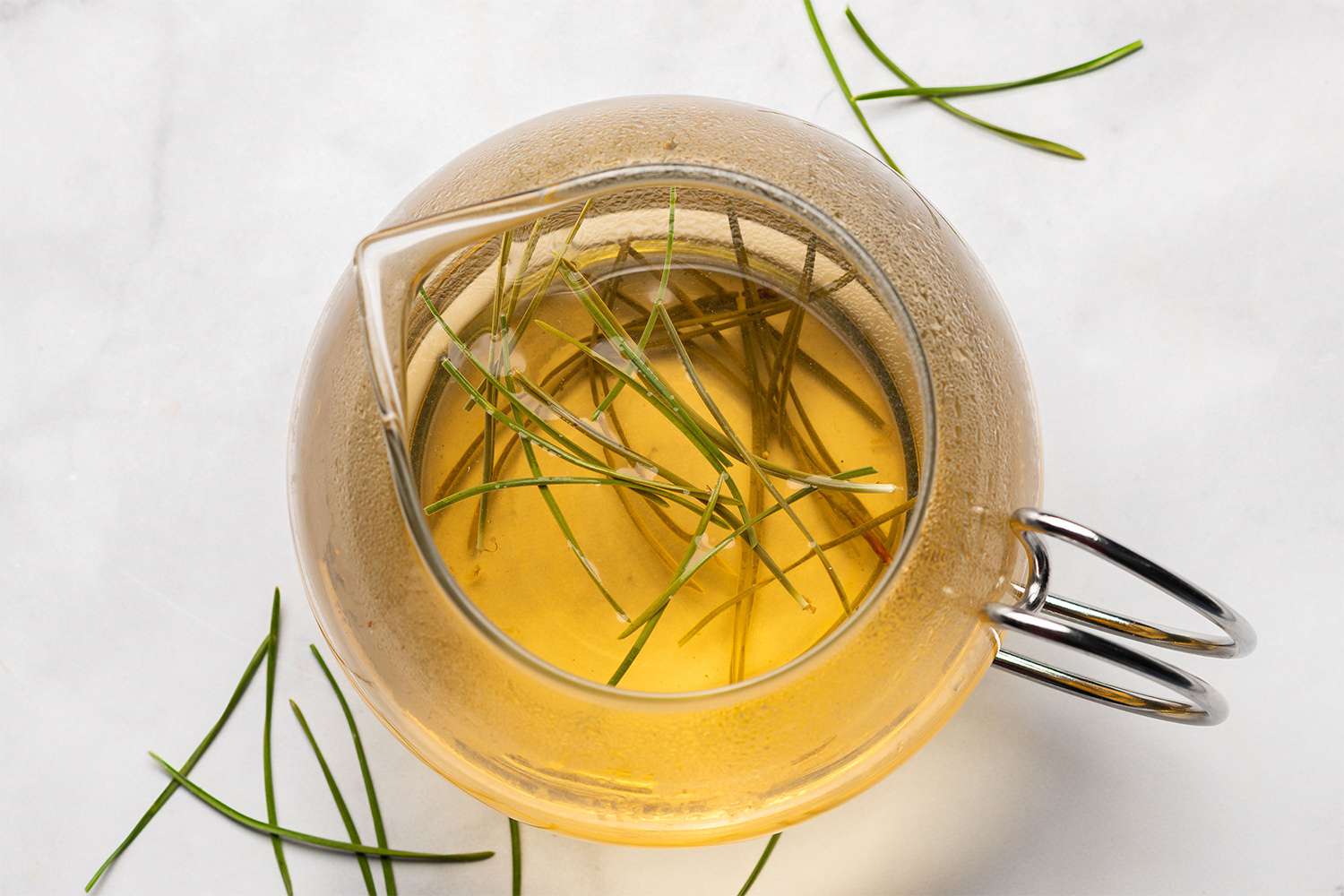
Pine needle tea sounds like something invented by a woodland wizard with excellent hydration habits. But it is very real, very drinkable, and surprisingly practical. At its simplest, pine needle tea is a caffeine-free herbal infusion made by steeping fresh, properly identified pine needles in hot water. The result is a woodsy, citrusy drink that feels like a forest decided to become cozy.
People are drawn to pine needle tea for a few reasons. Some love the novelty. Some enjoy the bright, resinous flavor. Others are interested in its traditional use and its reputation as a source of vitamin C. Whatever brings you to the cup, one thing matters more than anything else: correct identification. Pine needle tea is not a “grab any pointy green thing and hope for the best” beverage. When made from the right tree, it can be refreshing and enjoyable. When made from the wrong plant, it can be dangerous.
So what exactly is pine needle tea, what does it taste like, what are the potential benefits, and what should you know before you start snipping branches like a caffeinated squirrel? Let’s get into it.
What Exactly Is Pine Needle Tea?
Pine needle tea is an herbal tea made from the needles of certain pine trees and, in some regional traditions, from some other edible conifers such as fir or eastern hemlock. The needles are usually rinsed, chopped or bruised, and steeped in hot water for several minutes. That is the whole magic trick. No fancy machine. No tea sommelier certificate. Just needles, water, and good judgment.
Unlike black tea, green tea, or oolong, pine needle tea does not come from the Camellia sinensis plant. That means it is naturally caffeine-free. It is better understood as an herbal infusion, similar in category to peppermint tea, chamomile, or ginger tea. The flavor is usually described as fresh, piney, slightly citrusy, and resinous, with some cups tasting almost like a forest met a lemon peel and decided to become friends.
Why Do People Drink Pine Needle Tea?
The biggest reason pine needle tea gets attention is its long-standing reputation as a nutrient-rich, refreshing drink. Pine needles have historically been associated with vitamin C, and that is the claim you will see most often. Traditional uses also connect pine and other evergreen needles with winter wellness, especially in times and places where fresh produce was limited.
Modern interest in pine needle tea often falls into three buckets:
1. Flavor and ritual
Some people drink it because it tastes good. Freshly made pine needle tea can be crisp, bright, and aromatic. It feels seasonal without requiring a cinnamon stick to scream “holiday content.”
2. Traditional use
Various North American traditions have used conifer needles, bark, and resins in teas, steams, and remedies. Pine, fir, and eastern hemlock show up in ethnobotanical records for food, tea, and cold-weather use. That history gives the drink cultural depth beyond trendy foraging posts.
3. Nutrition curiosity
Pine needle tea is often discussed as a source of vitamin C and plant compounds such as polyphenols and aromatic oils. Lab-based research on pine needles has also explored antioxidant and anti-inflammatory properties. That said, “contains interesting plant compounds” is not the same thing as “proven miracle drink.” Pine needle tea may be a pleasant addition to a balanced diet, but it is not a magic potion, a detox cure, or a substitute for medical care.
Does Pine Needle Tea Have Health Benefits?
The most grounded answer is this: pine needle tea may offer some nutritional value and plant compounds of interest, but the evidence is not strong enough to justify dramatic health claims.
Here is the sensible middle ground.
Vitamin C is the star of the show
The main nutrient most often associated with pine needle tea is vitamin C. That is one reason the drink has historically been valued in colder regions and during winter months. If you are looking for the clearest, least-hyped reason people make pine needle tea, this is it.
Pine needles contain bioactive compounds
Research on pine needles has identified antioxidant compounds and other phytochemicals. Some lab and animal studies suggest pine needle extracts may have antioxidant, antimicrobial, or anti-inflammatory potential. Interesting? Yes. Enough to claim that your mug is basically a woodland pharmacy? Absolutely not.
There is not enough human evidence for big promises
This is the part internet hype likes to skip. While pine needle studies are scientifically interesting, many are preclinical, meaning they were conducted in a lab, in cells, or in animal models. That is very different from proving that pine needle tea can prevent disease, reverse aging, or fix whatever your social media feed says it can fix before breakfast.
In other words, pine needle tea can be a lovely herbal drink. It just should not be forced to carry the emotional burden of being your entire health plan.
What Does Pine Needle Tea Taste Like?
Good pine needle tea does not taste like chewing a furniture store. It is often surprisingly bright. Many people notice citrusy notes, especially when using tender, fresh needles from a well-identified tree. Others describe it as woodsy, resinous, minty, or slightly sweet.
The taste depends on the species, the freshness of the needles, and how you brew it. Steeping gently usually gives you a cleaner, fresher cup. Overdoing it can make the tea taste harsh, turpentine-like, or like you accidentally boiled the concept of a campground.
If you are completely new to it, think of pine needle tea as less “liquid Christmas tree” and more “herbal tea with forest perfume and a twist of citrus.”
How to Make Pine Needle Tea
Pine needle tea is easy to make, but easy should never be confused with careless. Correct tree identification comes first. If you are not completely sure what you have, do not brew it.
Basic method
- Harvest a small amount of fresh, properly identified needles from a clean, unsprayed area.
- Rinse the needles well.
- Remove any tough brown sheath material if needed and chop the needles into smaller pieces.
- Pour hot, nearly boiling water over the needles.
- Steep for about 10 to 15 minutes.
- Strain and drink plain, or add honey or lemon if you like.
Many foraging educators suggest that beginners start with white pine because it is easier to identify than some other conifers. White pine needles grow in bundles of five, which is a helpful clue for beginners. Even so, never rely on one clue alone if you are unsure. A tree guide, local extension resources, or a qualified foraging instructor can save you from a very bad cup and an even worse decision.
What Trees Are Commonly Used?
The answer varies by region, but eastern white pine is one of the most commonly recommended beginner options in North American foraging discussions. Some sources also note culinary or tea use for balsam fir and eastern hemlock.
That last one deserves a quick clarification because plant names enjoy being dramatic: eastern hemlock the tree is not the same thing as poison hemlock the toxic flowering plant. Similar common names, very different organisms, very different consequences.
Still, even when a tree species is considered usable, you should only harvest from trees you can identify with confidence and from areas free of pesticide sprays, roadside pollution, or questionable landscaping treatments.
Important Safety Warnings
This is the section that separates calm woodland charm from “please call Poison Control.”
Do not use yew
Yew is not a pine, and it is toxic. Poison Control has documented that adults have been poisoned by brewing tea from yew needles. If you remember one warning from this article, make it this one.
Not every evergreen is tea material
People often lump all needle-bearing plants together, but pines, firs, spruces, hemlocks, and yews are not interchangeable. Tree ID matters. A lot. This is not a “close enough” hobby.
Use extra caution in pregnancy
Some pine species, especially ponderosa pine, are associated with abortion in cattle, and related concerns exist for certain other species in livestock research. Human evidence is limited, but because of those safety concerns, many cautious guides advise pregnant people to avoid pine needle tea unless a qualified healthcare professional says otherwise. That is not fearmongering. That is called having a functioning survival instinct.
Start small
Even with a safe species, your body may not share your enthusiasm for botanical adventure. Try a small amount first. If you have allergies, chronic health conditions, or take medications regularly, ask a healthcare professional before making herbal infusions part of your routine.
Is Pine Needle Tea a Good Everyday Drink?
It can be, for some people, in moderation. Pine needle tea works best as a seasonal herbal beverage rather than a miracle daily tonic. If you enjoy the flavor, make it responsibly and occasionally, and treat it as one interesting drink among many healthy choices.
It also makes sense for people who like foraging, nature-based cooking, or low-caffeine beverages. If your dream afternoon involves a ceramic mug, a wool sweater, and pretending your kitchen is a tiny cabin, pine needle tea may be your thing.
If you hate resinous flavors, distrust anything that smells like a hike, or prefer your tea to come with a barista and a loyalty program, you may not become its biggest fan. That is okay. Pine needle tea does not need universal approval to be interesting.
Common Myths About Pine Needle Tea
“It cures everything.”
No. It is a traditional herbal drink with some promising plant chemistry, not a cure-all.
“All pine trees are fine.”
Also no. Correct identification is essential, and some species or look-alikes should be avoided.
“If it is natural, it must be safe.”
That is how people end up making terrible life choices with confidence. Natural does not automatically mean safe.
“It tastes like cleaning solution.”
Only if brewed poorly or made from an unsuitable tree. A well-made cup is usually gentler and more citrusy than people expect.
Experiences With Pine Needle Tea: What People Notice in Real Life
One reason pine needle tea keeps showing up in conversations about foraging and winter drinks is that the experience around it is bigger than the recipe itself. People often describe the first cup as surprisingly emotional. That sounds dramatic for boiled needles, but hear it out. There is something memorable about making a drink from a tree you usually walk past without a second thought. It changes the tree from background scenery into something personal and practical.
First-time drinkers often expect the flavor to be overpowering, like drinking liquid lumber. Then the tea hits with a cleaner taste than expected. Many notice a citrusy edge first, followed by a soft evergreen aroma. Some compare it to the smell of a fresh winter morning. Others say it tastes like the forest after rain. A few people try to be poetic and end up saying, “Wow, this tastes green,” which is not technically helpful but is emotionally accurate.
The gathering process also shapes the experience. Pine needle tea tends to slow people down. You cannot rush identification if you are being smart. You have to look at the tree, the needle arrangement, the branch structure, and the environment. You pay attention. That alone makes the tea feel different from tearing open a tea bag while answering emails you did not ask for.
For many people, the ritual becomes part of the appeal. Rinsing the needles, chopping them, pouring hot water, and watching the steam carry that sharp forest scent into the room can feel grounding. It is less about chasing a health trend and more about turning a simple plant into a thoughtful drink. Some people make it after a winter walk. Some make it during cold season because it feels comforting. Some make it because they are curious and slightly chaotic in the kitchen, which is honestly how many good discoveries begin.
There are also common beginner mistakes. New drinkers sometimes steep the needles too long and end up with a bitter, resin-heavy cup. Others harvest too much, use needles from a tree they cannot identify with confidence, or assume all conifers are basically cousins who share the same résumé. Pine needle tea quickly teaches respect. The best experiences usually come from using a well-identified species, a modest amount of needles, and a simple method.
People who keep making it often say the tea becomes less of a novelty and more of a seasonal habit. It is the kind of drink that feels especially right in cold weather, when warm mugs and woodsy aromas make everything seem slightly more manageable. It may not replace your regular tea or coffee, but it often earns a place as the drink you make when you want something calming, unusual, and connected to the outdoors.
Final Thoughts
So, what is pine needle tea? It is a traditional herbal infusion made from properly identified pine needles or certain other edible conifer needles, valued for its fresh flavor, vitamin C reputation, and connection to seasonal, nature-based living. At its best, it is bright, aromatic, and enjoyable. At its worst, when made carelessly, it is a reminder that botany does not reward overconfidence.
If you are curious, start with education before experimentation. Learn your trees. Use a safe, positively identified species. Keep your health claims modest and your safety standards high. Then brew a cup, take a sip, and enjoy the strange delight of drinking something that tastes like a forest finally decided to be hospitable.