

Lake Tahoe has always been a little dramaticin the best possible way. It has sapphire water, granite peaks, alpine forests, ski runs that look like they were sketched by someone with excellent taste, and sunsets that make even the most committed phone-scroller look up. But the modern Tahoe traveler is not always looking for a dusty cabin with plaid overload and a frying pan that has seen four generations of pancakes. Today’s dream is different: a high-style basecamp in Tahoe that feels polished, comfortable, practical, and ready for adventure without trying too hard.
That is where the idea of a stylish Tahoe basecamp comes in. It is not just a hotel room, rental cabin, or mountain lodge. It is a launchpad. It is the place where sandy shoes, ski jackets, hiking packs, design magazines, muddy dogs, and morning coffee can all coexist peacefully. The best Tahoe basecamps combine rugged function with modern mountain design: clean lines, warm textures, durable materials, smart storage, cozy lighting, and common spaces that invite people to linger after a day outdoors.
Whether you are planning a South Lake Tahoe weekend near Heavenly, a quieter stay in Tahoe City, a Truckee design escape, or a multi-season adventure around the lake, one thing is clear: Tahoe style has grown up. It still loves wood, stone, wool, canvas, and fire pitsbut now it also knows how to edit.
What Makes a Tahoe Basecamp “High-Style”?
A high-style basecamp in Tahoe is not about being fancy for the sake of being fancy. No one needs a crystal chandelier above a pile of snow boots. The magic is in balancing comfort, design, and durability. The best spaces feel elevated but not precious. You can sit on the sofa after a hike without feeling like you are about to offend an interior designer.
Modern Tahoe design often borrows from the landscape: pine bark browns, granite grays, lake blues, meadow greens, and snow-soft neutrals. Instead of heavy log-cabin clichés, many newer hotels and homes lean into “mountain modern” styleopen layouts, natural light, clean silhouettes, matte black fixtures, concrete or stone accents, wool throws, wood paneling, and practical furniture that can handle real life.
The goal is atmosphere, not clutter. A few well-chosen elements can do more than a room full of antlers, lanterns, and signs that say “Gone Fishin’.” Tahoe already provides the scenery. A well-designed basecamp simply frames it.
Basecamp Hotel and the Rise of Stylish Adventure Lodging
One of the most recognizable examples of this idea is Basecamp Hotel, which helped popularize the concept of design-forward adventure lodging in Tahoe. The South Lake Tahoe location transformed the humble motel format into something more playful and modern, with rooms designed for travelers who want easy access to the outdoors but still appreciate good design. The hotel’s concept centers on being a springboard for exploring the lake, mountains, trails, and ski areas.
What makes this model appealing is its lack of pretension. It is not trying to be a luxury resort where you whisper in the lobby. It is more like the stylish friend who owns a great cooler, packs extra socks, knows the trailhead parking situation, and somehow still has excellent lighting at home. Communal outdoor spaces, fire pits, group-friendly rooms, and casual gathering areas all support the basecamp feeling.
The Tahoe City location brings the same idea to the North Shore, with stylish rooms, a cozy social atmosphere, and easy access to lakefront walks, paddling, biking, and the charming pace of Tahoe City. South Lake Tahoe, meanwhile, offers a more energetic setting close to dining, entertainment, the lake, and Heavenly-area activities. Both sides of the lake show how a basecamp can be practical, social, and design-conscious at the same time.
Why Tahoe Is Built for the Basecamp Lifestyle
Tahoe is not a one-activity destination. It is a choose-your-own-adventure playground with better views. In winter, travelers come for skiing, snowboarding, snowshoeing, and cozy evenings by the fire. In warmer months, the lake becomes the star, with paddleboarding, kayaking, beach days, hiking, mountain biking, and scenic drives. Spring and fall bring their own rewards: fewer crowds, crisp mornings, quieter trails, and the kind of golden light that makes every photo look suspiciously professional.
That variety is exactly why a basecamp matters. You need somewhere that works for different rhythms. One person may want sunrise coffee before a hike. Another may want to sleep until the heroic hour of 9:30. Someone else may be reorganizing the car like they are preparing for a tiny expedition. A good Tahoe basecamp supports all of this with flexible spaces, hooks for gear, places to dry outerwear, comfortable seating, easy access to food, and enough personality to feel memorable.
Design Lessons from Modern Tahoe Mountain Homes
Recent Tahoe mountain homes featured in design publications show a clear shift: modern mountain style is warmer, cleaner, and more connected to the outdoors than ever. Large windows are used to pull in forest and lake views. Natural materials such as stone, wood, concrete, leather, and wool create texture without visual chaos. Interiors often avoid overly themed décor and instead let craftsmanship, scale, and light do the talking.
This approach works beautifully for hotels, cabins, and short-term rentals too. A Tahoe basecamp does not need to be huge. It needs to be intentional. A small room with a smart bunk layout, durable fabrics, warm lighting, and a good place to drop a backpack can feel more useful than a large room filled with fussy furniture. In Tahoe, style earns bonus points when it can survive melting snow, sandy towels, and someone loudly announcing they “definitely packed the sunscreen” when they definitely did not.
Texture Is the Secret Ingredient
Great Tahoe interiors are rarely flat. They layer materials: canvas, flannel, wool, raw wood, smooth stone, matte metal, woven rugs, and soft bedding. Texture creates comfort without needing too many colors or accessories. It also gives a room that mountain-ready feeling, as if it could host both a design editor and a tired hiker who has just discovered the spiritual power of dry socks.
Storage Should Be Beautiful and Obvious
Adventure travelers come with stuff. Lots of stuff. Boots, helmets, jackets, hydration packs, gloves, goggles, beach bags, snacks, and mysterious cables multiply quickly. A high-style basecamp needs visible, easy storage: wall hooks, benches, cubbies, open shelves, luggage racks, and mudroom-style zones. Hidden storage is nice, but after a long day outdoors, nobody wants to solve a cabinet puzzle.
Lighting Makes the Mood
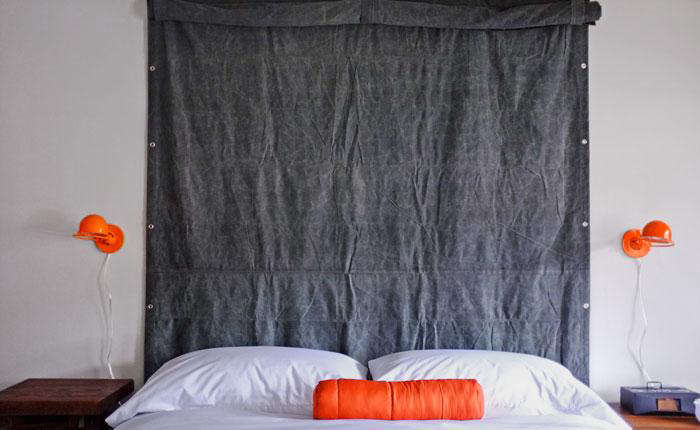
Tahoe days are bright and active, but evenings call for warmth. Soft bedside lamps, shaded sconces, fireplace glow, and dimmable fixtures can turn a simple room into a retreat. Avoid harsh overhead lighting whenever possible. Nothing ruins mountain coziness faster than lighting that makes a room feel like a dentist’s office with pine trees outside.
Where to Stay: Choosing Your Tahoe Basecamp
Your ideal Tahoe basecamp depends on your travel style. South Lake Tahoe works well for visitors who want easy access to the lake, Heavenly-area activities, restaurants, events, and a livelier atmosphere. It is a strong choice for first-time visitors because it puts many classic Tahoe experiences within reach.
Tahoe City offers a more relaxed North Shore feeling, with lake access, bike paths, cafés, and a charming small-town pace. It is a great fit for travelers who want design, comfort, and adventure without being in the busiest part of the basin.
Truckee, located near North Lake Tahoe, brings historic character, mountain-town energy, creative shops, restaurants, and access to trails and ski areas. It is especially appealing for travelers who want a basecamp with a little more local texture and less of a pure resort feel.
West Shore stays are ideal for those who want classic Tahoe beauty, forested roads, quieter beaches, and proximity to iconic areas such as Emerald Bay and the Rubicon Trail. The tradeoff is that driving and parking can require more patience, especially in peak summer. In Tahoe, “scenic drive” can occasionally mean “scenic sit in traffic,” so plan with grace.
What to Do from a High-Style Tahoe Basecamp
Explore the Water
Lake Tahoe’s shoreline is one of its greatest treasures. Kayaking and stand-up paddleboarding are especially popular because they let you experience the lake at a human pace. The Lake Tahoe Water Trail helps paddlers find public launch and landing sites, route information, safety guidance, and stewardship tips. For beginners, calmer mornings are usually friendlier than windy afternoons.
Hike for the View
Tahoe hiking ranges from gentle lakeside walks to challenging mountain routes. A good basecamp makes it easier to start early, pack layers, and return to comfort afterward. Trails around Emerald Bay, Fallen Leaf Lake, Tahoe Rim Trail segments, and Truckee-area paths offer a mix of forest, granite, lake views, and alpine air. Always check conditions before heading out, especially during shoulder seasons when snow and mud can linger.
Make Time for Town Life
A stylish Tahoe trip is not only about big outdoor achievements. Wandering through Tahoe City, browsing Truckee’s historic downtown, grabbing coffee, visiting local shops, and lingering over a casual meal can be just as memorable. The best basecamp itineraries leave room for unplanned discoveries. Tahoe rewards the traveler who knows when to stop scheduling and start strolling.
Respect the Place You Came to Enjoy
High-style travel should also be high-responsibility travel. Tahoe’s beauty depends on careful stewardship. Visitors can help by packing out trash, avoiding single-use plastics when possible, staying on marked trails, cleaning and draining paddle gear, respecting no-wake zones, and using shuttles or shared transportation where available. The lake may look indestructible, but it is a living ecosystem, not a giant blue postcard.
How to Bring Tahoe Basecamp Style Home
You do not need a lakefront property or a ski pass to borrow the look. Tahoe basecamp style can work in a city apartment, guest room, family cabin, or weekend rental. Start with a grounded palette: warm white, charcoal, stone gray, forest green, camel, rust, and deep blue. Add natural textures through wood furniture, wool blankets, canvas storage, leather pulls, woven baskets, and linen bedding.
Choose pieces that look better with use. A bench near the entry, wall hooks, a washable rug, and sturdy side tables can instantly create a basecamp mood. Add one or two playful detailsa vintage trail map, a graphic camp-style blanket, a framed mountain photograph, or a sculptural lamp. The trick is to suggest adventure without turning the room into a theme restaurant called “The Extremely Outdoorsy Moose.”
Sample Weekend Itinerary: Stylish, Simple, and Not Overpacked
Friday: Arrive and Settle In
Check into your basecamp, unpack just enough to feel civilized, and take a short walk to get oriented. Keep dinner easy. The first night is for decompressing, not proving your logistical excellence. Sit by a fire pit if available, sip something warm, and let the mountain air do its quiet little magic trick.
Saturday: Adventure First, Design Later
Start early with a hike, paddle, bike ride, or winter mountain activity depending on the season. Return for a proper reset: shower, stretch, snacks, and a change into something cozy. Spend the afternoon exploring Tahoe City, South Lake Tahoe, or Truckee. Look for local shops, galleries, home goods, and cafés that reflect the region’s mix of ruggedness and refinement.
Sunday: Slow Morning, Scenic Exit
Use your final morning for a lakeside walk or relaxed breakfast. Before leaving, take one last view seriously. Tahoe has a way of making people promise they will come back, usually while standing near the water pretending they are not already checking future hotel dates.
Extra Experiences: Living the High-Style Basecamp Life in Tahoe
The best way to understand a high-style basecamp in Tahoe is to imagine how it feels over the course of a real trip. You arrive after a drive that included at least one moment of wondering whether everyone packed too much. The answer is yes. Everyone always packs too much. But then you step into a room that knows what to do with your chaos. There are hooks for jackets, a bench for boots, a surface for keys, a soft bed, and lighting that says, “Relax, you are now officially on mountain time.”
In the morning, the basecamp becomes a staging zone. Someone makes coffee. Someone checks the weather. Someone cannot find one glove, despite owning two yesterday. Outside, the air is sharp and clean. The lake may be glassy, the trails may be calling, or the mountain may be wrapped in snow. A well-designed basecamp makes departure feel easy because everything has a place. Snacks go in the pack, layers go on the body, and the day begins without a full archaeological dig through luggage.
After the adventure, the basecamp changes personality. It becomes recovery headquarters. Wet gear gets hung up. Shoes are kicked off. People compare step counts, trail stories, and snack decisions. This is where design matters more than people realize. A comfortable chair, a warm throw, a practical bathroom, and a welcoming common area can turn basic lodging into part of the vacation itself. When a space supports the messy middle of travelnot just the pretty arrival photoit earns its style points honestly.
One of the most satisfying Tahoe experiences is the evening reset. Maybe you spend it around a fire pit, wrapped in a jacket, talking about tomorrow’s plan. Maybe you walk to dinner through pine-scented air. Maybe you stay in, read a few pages, and fall asleep embarrassingly early because fresh air is powerful and undefeated. A high-style basecamp does not pressure you to perform vacation correctly. It gives you options and lets the day unfold.
Families appreciate this kind of lodging because it is flexible. Friends like it because common spaces make group travel easier. Couples enjoy it because the atmosphere feels thoughtful without being stiff. Solo travelers benefit from the balance of privacy and casual community. For design lovers, the pleasure is in the details: the texture of a blanket, the simplicity of a built-in bunk, the honesty of durable materials, the way a window frames trees instead of demanding more decoration.
Even small inconveniences become part of the Tahoe rhythm. Parking takes patience. Weather changes quickly. Sand appears in places sand has no business being. Someone will underestimate the sun at elevation. Yet the right basecamp turns these things into manageable footnotes rather than trip-ruining dramas. It gives you a dependable place to return to, recharge, and laugh about the day’s minor nonsense.
That is the true luxury of a Tahoe basecamp. Not gold faucets. Not a lobby that smells like imported seriousness. The real luxury is a space that understands why you came: to be outside, to be comfortable, to feel inspired, to reconnect with people, and to let a wildly beautiful place reset your brain. Tahoe brings the grandeur. A high-style basecamp brings the welcome mat, the warm light, and somewhere excellent to put your boots.
Conclusion
A high-style basecamp in Tahoe is more than a place to sleep. It is the bridge between mountain adventure and modern comfort. The best Tahoe stays combine thoughtful design, durable materials, flexible gathering spaces, and easy access to the lake, trails, towns, and slopes. Whether you choose South Lake Tahoe, Tahoe City, Truckee, or the quieter West Shore, the secret is to find a place that works as hard as you play.
Great Tahoe style does not shout. It layers. It welcomes wet boots and good coffee. It makes room for friends, gear, quiet mornings, and tired legs. Most of all, it respects the landscape. Because in Tahoe, the lake is the headline, the mountains are the supporting cast, and your basecamp is the stylish backstage pass.