

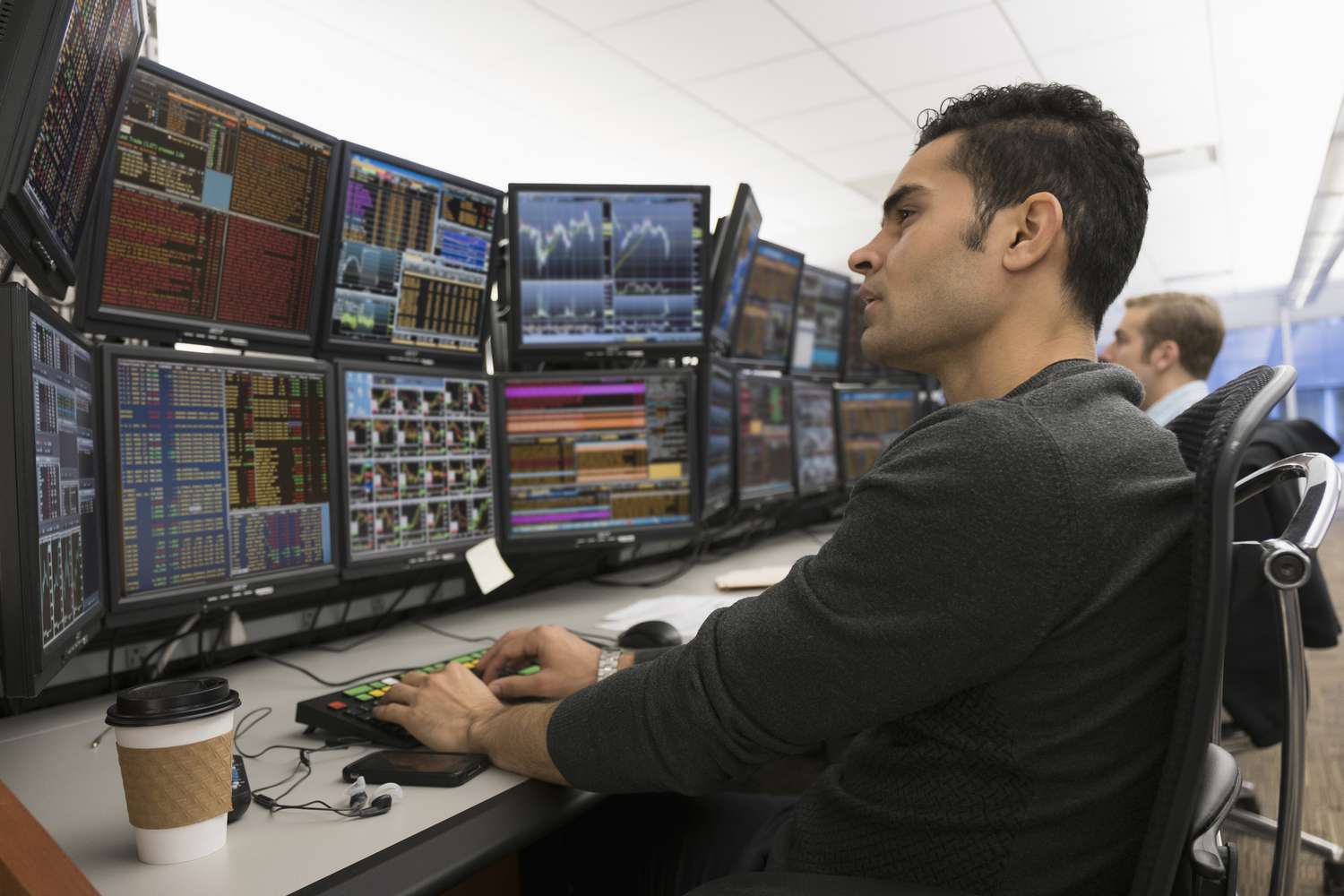
Imagine waking up before sunrise, making coffee, opening your brokerage app, and noticing that a stock is already moving like it just heard a juicy rumor at 4:01 a.m. Welcome to pre-market tradingthe odd, fascinating, slightly chaotic stretch of the trading day that happens before the regular U.S. stock market officially opens at 9:30 a.m. Eastern Time.
For some investors, pre-market trading is a chance to react early to breaking news, earnings reports, analyst upgrades, government data, or world events that happened while Wall Street was still asleep. For others, it is a place where prices can look tempting, spreads can look rude, and discipline matters a lot more than confidence. In other words, pre-market trading can be usefulbut it is definitely not a financial theme park ride for people who forgot to buckle up.
So, what is pre-market trading, how does it work, why do people use it, and what should you watch out for before pressing that buy or sell button in the dark? Let’s break it all down in plain English.
What Is Pre-Market Trading, Exactly?
Pre-market trading is the buying and selling of stocks and certain exchange-traded products before the regular market session begins. In the U.S., the standard market session for major exchanges typically runs from 9:30 a.m. to 4:00 p.m. Eastern Time. Pre-market trading happens earlier than that.
Depending on the exchange, trading venue, and your brokerage firm, the pre-market session may begin as early as 4:00 a.m. ET. Some brokers give customers access only during a narrower slice of that window, such as 7:00 a.m. to 9:25 a.m. or 7:00 a.m. to 9:30 a.m. That means “pre-market trading hours” are not always one neat universal block. The headline window may sound broad, but your personal access depends on your broker’s rules, eligible securities, and accepted order types.
In simple terms, pre-market trading is part of what investors call extended-hours trading. That broader phrase includes both the session before the opening bell and the session after the closing bell. Pre-market is just the early-bird version.
How Does Pre-Market Trading Work?
During regular trading hours, investors usually picture the stock market as a giant, highly active machine with deep liquidity and nonstop price discovery. Pre-market trading is different. It generally takes place through electronic trading systems and networks that match buyers and sellers outside the regular session.
That sounds sleek and modern, because it is. But it also means there may be fewer participants available at any moment. Fewer participants usually mean fewer shares changing hands, which can make prices jumpier and make it harder to get the exact execution you wanted.
Most brokerages that allow pre-market trading require or strongly favor limit orders instead of market orders. That is a big deal. A limit order lets you set the maximum price you are willing to pay when buying, or the minimum price you are willing to accept when selling. In pre-market trading, that protection matters because prices can move quickly and quoted prices may not tell the full story.
Think of it this way: during the regular session, the stock market is like a crowded supermarket at noon. During pre-market, it is more like a convenience store at 4:45 a.m.open, functional, and occasionally helpful, but not exactly overflowing with options.
Why Do Investors Trade Before the Market Opens?
People use pre-market trading for one main reason: timing. News does not wait for the opening bell.
Companies often release earnings reports in the morning before the market opens. Economic reports can come out early as well. Overseas events may shape sentiment overnight. A merger announcement, a regulatory decision, a surprising forecast, a CEO departure, or a major product headline can all send a stock moving before the regular session begins.
Pre-market trading gives investors a chance to respond to that information immediately rather than sitting on their hands until 9:30 a.m. For active traders, that can feel like an advantage. For long-term investors, it can offer flexibility if something meaningful changes the investment thesis before the market opens.
Common reasons investors use pre-market trading
- Reacting to earnings reports released before the opening bell
- Responding to overnight geopolitical or macroeconomic news
- Adjusting positions before a potentially volatile regular session
- Managing risk when a stock is expected to gap up or gap down
- Watching early market sentiment for clues about the day ahead
That last point is important. Some traders are not even trying to place a trade. They are simply using pre-market action as a temperature check. If a stock is up 8% before the open on heavy volume, that tells you something. It does not tell you everything, but it definitely tells you the market did not spend the morning quietly knitting sweaters.
What Makes Pre-Market Trading Different From Regular Trading?
The biggest difference is liquidity. During the regular session, there are usually more buyers, more sellers, and more trading volume. In pre-market, activity is generally thinner. That can create a chain reaction of differences:
1. Wider bid-ask spreads
The bid is what buyers are willing to pay, and the ask is what sellers want to receive. In pre-market trading, the gap between those two prices can be much wider than it is during normal hours. That means you may pay more than expected when buying or receive less than expected when selling.
2. Higher volatility
With fewer trades happening, even a relatively small order can move the price more than it would during the regular session. A stock can look wildly bullish at 8:12 a.m. and weirdly unimpressed by 9:27 a.m. Pre-market prices can swing fast, and sometimes dramatically.
3. Lower volume
Not every stock sees meaningful pre-market activity. Widely followed large-cap stocks may trade actively before the open, especially when news hits. But many smaller or less-followed stocks may barely trade at all. That can make execution difficult.
4. Partial fills or no fills
Your order may fill only in partor not at allbecause there may not be enough matching interest on the other side of the trade. That can be frustrating if you are trying to enter or exit quickly.
5. Fragmented quotes
During extended-hours trading, prices across venues may differ more than many investors expect. The cleanest quote on your screen may not always represent a broad, unified market. Translation: the “price” is sometimes less of a universal truth and more of a suggestion with attitude.
What Are the Risks of Pre-Market Trading?
This is where the glamorous music fades and the disclosure documents walk onto the stage.
Pre-market trading can be useful, but it carries real risks. In fact, many of the same features that make it attractivespeed, flexibility, reaction timealso make it more dangerous when used carelessly.
Lower liquidity risk
Fewer participants mean less liquidity. Less liquidity means it may be harder to buy or sell the number of shares you want at the price you expect.
Price volatility risk
Pre-market moves can be sharp, emotional, and sometimes temporary. A stock may surge on a headline, then retrace after investors digest the details once regular trading begins.
Execution risk
Your order may sit there awkwardly, half-filled, while the market moves away from you. That is not ideal, especially if your strategy depends on precise entry or exit points.
Information imbalance
Professional traders, institutions, and highly active market participants often monitor overnight markets and news flows closely. Retail investors can absolutely trade pre-market, but they are not always entering a level playing field.
Emotional decision-making
Pre-market trading rewards preparation, not panic. Chasing a stock after a dramatic headline can lead to poor entries, sloppy exits, and regret by breakfast.
What Are the Benefits of Pre-Market Trading?
It is not all doom, gloom, and suspiciously wide spreads. Pre-market trading can offer genuine advantages for the right investor and the right situation.
Faster reaction to news
If a company reports earnings at 7:00 a.m. and the results materially change your outlook, pre-market access lets you act before the official opening bell.
Potential price opportunities
When markets are thin, prices can move quickly. Skilled traders may find opportunities to buy or sell at attractive levelsprovided they know what they are doing and use disciplined order management.
Better planning for the regular session
Even if you do not place a trade, watching pre-market action can help you prepare. It can reveal which stocks are attracting interest, which sectors are hot, and where volatility may show up once the market opens.
Flexibility for busy investors
Some investors simply like the convenience of being able to place trades earlier in the day, especially if work or other commitments make the regular session inconvenient.
Who Should Use Pre-Market Trading?
Pre-market trading is not automatically “bad,” and regular-hours trading is not automatically “better.” The better choice depends on your experience, risk tolerance, and strategy.
Pre-market trading tends to make more sense for investors who:
- Understand how limit orders work
- Can tolerate faster price swings
- Have a specific reason for trading before the open
- Are reacting to real information, not social-media drama
- Know that a pre-market move may reverse after 9:30 a.m.
It may be less suitable for people who are brand-new to trading, uncomfortable with volatility, or prone to making split-second decisions based on hype. If your investing style is long-term and fundamentals-based, there is often no prize for being the earliest person awake with a brokerage app.
Example: How Pre-Market Trading Can Play Out
Let’s say a fictional company called Maple Rocket Systems reports earnings at 6:45 a.m. ET. Revenue beats expectations, profits come in higher than analysts anticipated, and management raises full-year guidance. By 7:10 a.m., the stock is up 9% in pre-market trading.
A trader who believes the earnings beat will carry momentum into the regular session might place a limit order to buy shares at a specific price before the market opens. Another investor who already owns the stock might use pre-market trading to lock in gains early. A cautious long-term investor might do nothing at all and wait to see whether the initial excitement fades once the broader market begins trading.
Now flip the story. The same company misses earnings badly, lowers guidance, and the stock drops 14% before 8:00 a.m. An investor may want to reduce risk immediately. But because liquidity is thin, the execution price might be less favorable than expected. That is the central tension of pre-market trading: more access, but often less certainty.
Best Practices for Trading in the Pre-Market
Use limit orders
In pre-market trading, limit orders are usually your best friend. They help you avoid ugly surprises when prices move suddenly.
Know your broker’s rules
Not all brokers offer the same pre-market window, the same eligible securities, or the same order handling rules. Learn the details before you need them.
Check the volume
A stock that is technically trading pre-market but has almost no volume may not provide reliable price signals.
Read the actual news
Never trade just because a stock is moving. Find out why. A dramatic price move based on a misunderstood headline can reverse fast.
Have a plan before the click
Know your entry, your exit, your size, and the reason for the trade. “Because it was up a lot” is not a strategy. It is a sentence people say right before learning a memorable lesson.
Pre-Market Trading vs. After-Hours Trading
Both are types of extended-hours trading, but they behave a little differently.
Pre-market trading happens before the regular session and often reflects reactions to earnings, overnight news, and economic data due before the open. After-hours trading happens after 4:00 p.m. ET and often responds to earnings releases, analyst commentary, or end-of-day developments.
Neither session is guaranteed to behave like the regular market. Both can feature lower liquidity and higher volatility. The key difference is context: pre-market sets the mood for the day, while after-hours often reflects the day’s closing thoughts, plus any fresh surprises that arrived after the bell.
So, Is Pre-Market Trading Worth It?
It can bebut only when used thoughtfully.
Pre-market trading is valuable because it gives investors access to the market before the crowd fully arrives. That can be helpful when important news breaks early and timing matters. But it also comes with more risk, less liquidity, and more room for price distortions.
For experienced traders with a clear strategy, pre-market trading can be a useful tool. For beginners, it may be smarter to observe first, learn how extended-hours sessions behave, and avoid treating every 7:15 a.m. price jump like a golden ticket.
In the end, pre-market trading is not magic. It is simply a different market environmentfaster in some ways, thinner in others, and much less forgiving of sloppy decisions. If you use it, use it with a plan, patience, and a healthy respect for the fact that markets before sunrise can be brilliant, bizarre, and brutally honest.
Experiences Related to “What Is Pre-Market Trading?”
People’s real-world experiences with pre-market trading often sound less like movie scenes and more like lessons in patience. A common first experience goes something like this: an investor sees a stock up sharply before the open, assumes the move will continue, enters a trade too quickly, and then watches the price reverse after 9:30 a.m. That moment teaches one of the oldest lessons in the marketearly price action is information, but it is not a promise.
Another common experience involves earnings season. An investor wakes up, checks a company that reported results before the bell, and sees heavy pre-market movement. At first glance, the move seems obvious. Great earnings should mean the stock goes up, right? Not always. Many traders learn that a company can beat expectations and still fall if guidance disappoints, if margins weaken, or if the stock had already priced in perfection. Pre-market trading often teaches investors that the market reacts not just to headlines, but to expectations versus reality.
Some of the most useful experiences are not even about trading. Many investors start by simply watching pre-market activity without placing orders. They notice which stocks attract volume, which sectors react to economic news, and how often big pre-market moves fade after the open. Over time, they learn to separate meaningful momentum from temporary excitement. That observational stage can be incredibly valuable, especially for beginners.
There are also experiences tied to order execution. Investors sometimes place an order, see the stock quoted near their price, and assume the trade will fill immediately. Then nothing happens. Or only part of the order fills. That can be frustrating, but it teaches an important truth: pre-market trading is often a thinner environment with fewer counterparties. In regular hours, execution may feel routine. In pre-market, it can feel more conditional.
Experienced traders often describe pre-market trading as a tool, not a lifestyle. They use it when there is a specific catalystearnings, major news, guidance changes, macro dataand avoid it when there is no clear edge. That is probably the healthiest experience-based takeaway of all. The most successful approach is usually not “trade more because the market is open earlier.” It is “trade only when the setup actually deserves attention.”
In short, experiences with pre-market trading tend to make investors more disciplined. They learn to use limit orders, read actual news releases, respect liquidity, and avoid chasing random movement. The market may open early, but wisdom usually arrives a little later.
Conclusion
Pre-market trading is the session before the regular U.S. stock market opens, and it gives investors a chance to react to news, earnings, and overnight developments ahead of the opening bell. It can create opportunity, but it also comes with thinner liquidity, wider spreads, and faster price swings.
If you understand how it works, use the right order types, and trade with a reason instead of adrenaline, pre-market trading can be a smart addition to your investing toolkit. If not, it can turn a simple morning into a very educational one. Either way, it is one of the clearest reminders that Wall Street starts talking long before most people are fully awake.