

Note: This is body-only HTML for web publishing. Source links are intentionally omitted.
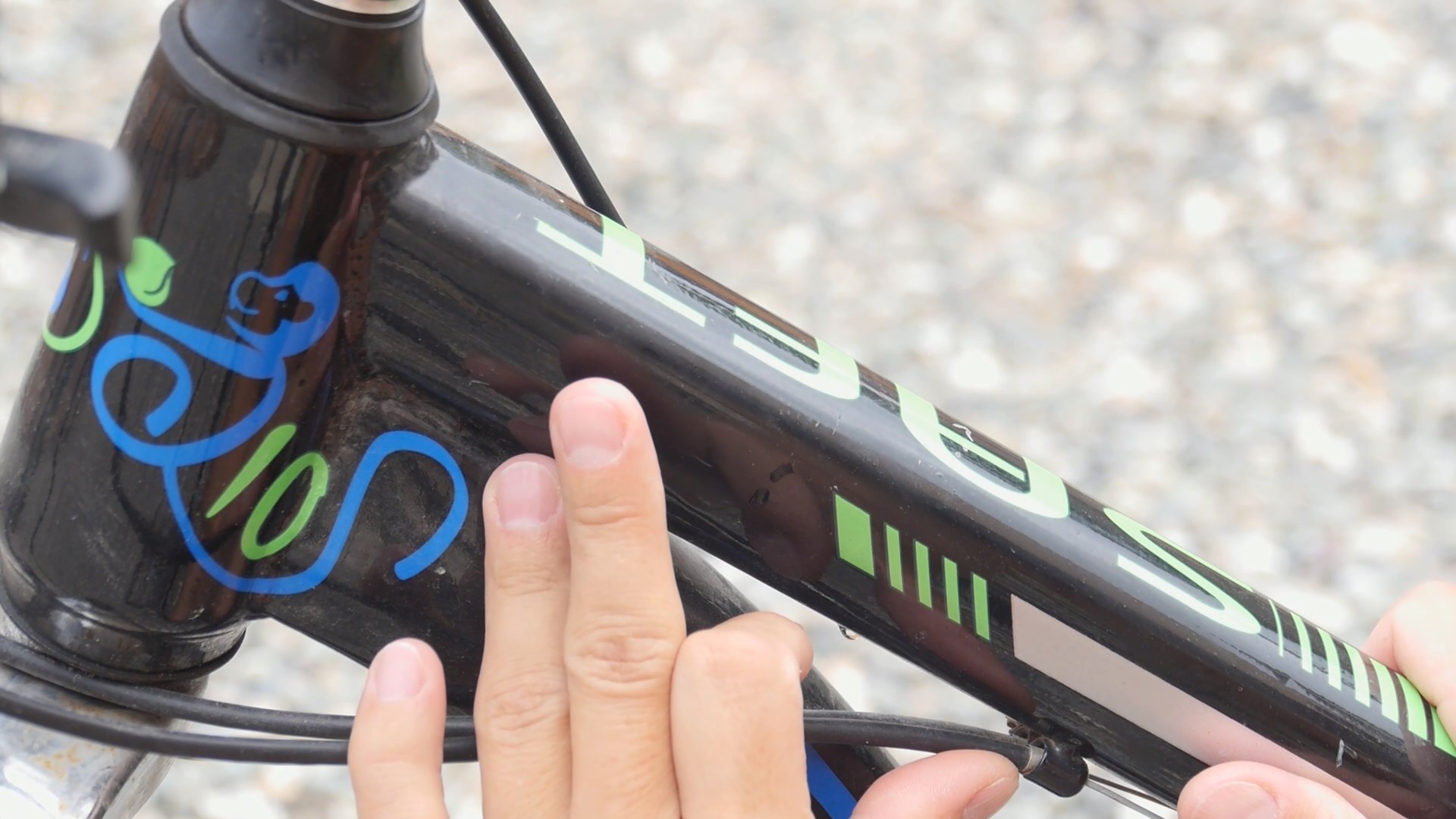
Stickers on a bike can be charming for about five minutes. Then one starts peeling at the edges, collecting dust, and making your frame look like it lost an argument with a middle-school locker. Whether you are removing a shop label, an old event decal, a kid’s surprise “art project,” or a crusty brand sticker that has overstayed its welcome, the goal is simple: get the sticker off without wrecking the paint, finish, or frame underneath.
The good news is that sticker removal is usually not a battle of strength. It is a battle of patience, heat, and using the right stuff in the right order. If you go at it with a metal blade and pure rage, you might remove the sticker and your dignity at the same time. If you take a gentler route, you can usually lift the sticker cleanly, remove the gummy residue, and leave the bike looking fresh instead of freshly traumatized.
This guide walks through seven practical steps for removing stickers from a bike safely. It also covers what to avoid, what to use on painted or carbon frames, and what real riders often learn the hard way. The method is beginner-friendly, wallet-friendly, and much kinder to your bike than random scrubbing with mystery chemicals from the back of the garage.
Why Sticker Removal on a Bike Takes a Little Strategy
A bike frame is not the same as a cheap glass jar or an old plastic storage bin. Bike finishes can include glossy paint, matte paint, clear coat, carbon fiber surfaces, anodized metal parts, and protective frame films. Some bikes also have factory decals under a clear coat, while others have surface-level graphics that can be damaged if you get too aggressive. That means the best sticker removal method is gentle first, stronger only if needed.
Adhesive also behaves differently depending on age, weather, and storage. A brand-new sticker may peel off in one satisfying sheet. An old sun-baked sticker may come off like stale confetti. Cold temperatures can make glue brittle. Heat can soften it. Water can help in some cases, while oil-based removers work better in others. In other words, the sticker is annoying, but it is not random. There is a reason it is fighting back.
Before You Start: Know What You Are Working With
Before you touch the sticker, look at the surface around it. If it is on the painted frame, fork, chain guard, fender, or a plastic cover, use the gentlest method first. If it is on bare metal accessories like a rack or kickstand, you may have a little more room to work. If the bike has a matte finish, be extra cautious with strong cleaners and aggressive rubbing, because matte surfaces can show shiny spots if overworked.
Also check whether the sticker might actually be useful. Some bikes have serial-number labels, safety labels, or manufacturer information that should stay put. If you are unsure, do not remove it just because it looks boring. A boring sticker can become very interesting the day you need warranty information.
Gather a few simple supplies before you begin: a soft cloth, mild dish soap, warm water, a hair dryer, a plastic card or plastic scraper, rubbing alcohol or a bike-safe adhesive remover, and a dry microfiber towel. This is not a glamorous toolkit, but neither is scrubbing glue for half an hour because you started with your fingernails and blind optimism.
Simple Ways to Take Stickers Off a Bike: 7 Steps
Step 1: Clean the Area Around the Sticker First
Start by wiping the area with a soft cloth and mild soapy water. This removes grit, dust, dried mud, and tiny abrasive particles that can scratch the frame when you begin peeling. It also lets you see what you are doing instead of working through a layer of bike grime that looks like it was imported from three separate trails.
Keep the cloth damp, not dripping. You do not need to soak the bike. In fact, you should avoid sending water into bearings, bottom brackets, hubs, or electrical parts on an e-bike. The goal here is simple surface cleaning, not a pressure-washer action movie. After wiping, dry the area lightly with a towel.
Step 2: Warm the Sticker Gently
Next, use a hair dryer on a low to medium setting to warm the sticker. Hold it a few inches away and move it back and forth for about 30 to 60 seconds. This softens the adhesive and makes the sticker more willing to let go. Think of it as negotiation, but with warm air.
Do not blast one spot for too long. Too much heat can stress delicate finishes, especially on thin decals, painted surfaces, plastic parts, and protective films. You want the sticker warm, not sizzling. If the frame feels hot enough that you would not want to touch it, back off and let it cool slightly before continuing.
Step 3: Lift One Edge With a Plastic Tool
Once the sticker is warm, try lifting one corner with your fingernail. If that does not work, use a plastic card, plastic scraper, or even an old gift card. Slide it gently under the edge and work slowly. Avoid metal tools unless you enjoy turning a simple cleaning job into a paint repair project.
The trick is to get under the sticker without gouging the finish. If the edge will not lift, apply a little more heat and try again. Some stickers need two or three short warming sessions before they start behaving. That is normal. The sticker is stubborn, not immortal.
Step 4: Peel Slowly at a Low Angle
After you get a corner free, peel the sticker back slowly and keep it close to the surface. A low, steady angle usually works better than yanking straight up. Pulling too fast can tear the sticker into pieces and leave more adhesive behind, which is the sticker equivalent of leaving a bad party and somehow making it louder.
If the sticker starts shredding, stop and apply more heat. Then continue peeling in small sections. On older stickers, it is common to remove a layer, reheat, and remove more. Be patient. Slow removal usually means less residue and less risk to the finish.
Step 5: Remove the Leftover Sticky Residue
If the sticker comes off cleanly, congratulations. You have beaten the odds. But most of the time, there is still a hazy patch of sticky residue left behind. This is where a soft cloth and the right remover earn their paycheck.
Start with rubbing alcohol on a cloth, not directly poured onto the bike. Gently rub the residue in small circles and let the alcohol sit for a short time if needed. This often works well on painted metal and many hard surfaces. If the residue is stubborn, try a bike-safe adhesive remover or a citrus-based remover that is appropriate for finished surfaces. Always test in a hidden area first.
Another mild option is a small amount of cooking oil or a baking soda-and-oil paste, especially for stubborn gummy spots. These can help break down adhesive, but they also leave a greasy film behind, so they should be followed with soap and water. Commercial removers can be very effective, but more is not better. Use a little, let it work, and wipe gently. Your bike is not a frying pan, and it does not need to be marinated.
Avoid harsh scraping, excessive pressure, and random solvents you cannot identify. Just because something can remove glue from a garage floor does not mean it belongs anywhere near your bike frame.
Step 6: Wash the Spot Again and Dry It Well
After the adhesive is gone, wipe the area again with mild soapy water to remove any leftover alcohol, oil, or remover. Then rinse with a clean damp cloth and dry thoroughly with a microfiber towel. This step matters because residue from the remover itself can attract dust or leave the surface looking dull.
Once dry, inspect the area in good light. Sometimes a sticker leaves a faint outline, especially if the surrounding paint faded in the sun while the covered area did not. That is not leftover glue. That is the frame showing its life story. In many cases, a gentle polish or wax can help reduce the contrast on glossy painted surfaces.
Step 7: Finish With Light Protection
If the bike has a glossy painted frame, you can apply a bike polish or a small amount of wax made for painted finishes. This helps restore shine and can make the cleaned area blend in better. If the bike has a matte finish, use only products clearly safe for matte surfaces, or skip the shine products entirely. Matte bikes do not want to sparkle like disco balls. They want to look cool and slightly intimidating.
This final step is optional, but it is a nice touch. It leaves the bike looking intentional instead of “I removed a sticker in the driveway and called it personal growth.”
Common Mistakes to Avoid
The first big mistake is using a metal scraper, razor blade, or knife on a bike frame. That may work on glass, but it is risky on paint, carbon, and plastic. The second mistake is using too much heat. A hair dryer is helpful; a heat gun used like a flamethrower is not. The third mistake is soaking the sticker area with strong solvent and hoping for the best. Bikes have varied finishes, and not every frame responds kindly to harsh chemicals.
Another common mistake is rushing. People often get halfway through peeling, hit resistance, and yank harder. That usually tears the sticker and doubles the work. Slow peeling with reheating is almost always the smarter route. Finally, many people forget to clean the area afterward. That is how you end up with a bike that is technically sticker-free but still somehow sticky enough to trap every dust particle in the zip code.
When You Should Leave the Sticker Alone
Not every sticker is a target. Leave the sticker in place if it contains the serial number, battery information, safety warnings, suspension setup references, or warranty data. Some protective frame patches also look like stickers at first glance. Removing those can create cable rub or paint wear later.
If the sticker is cracked, buried under clear coat, or sitting on a fragile vintage finish, consider asking a bike shop or detailer before going further. A thirty-second question can save you from a much more expensive “learning experience.”
Rider Experiences: What Actually Works in Real Life
In real-world bike ownership, sticker removal rarely happens under perfect conditions. It happens in a garage with one good light bulb, on a Saturday afternoon, while somebody says, “This should only take a minute.” That sentence has launched many avoidable disasters. Riders who get the best results usually have one thing in common: they stop treating the sticker like an enemy and start treating it like a small restoration project.
One common experience is with kids’ bikes. Parents often discover that the factory sticker, price tag, and mystery cartoon decal have fused into one mega-label after a summer in the sun. In those cases, warm water and a hair dryer do most of the heavy lifting. The sticker softens, the top layer lifts, and then the real villain appears: the gummy shadow underneath. That is where rubbing alcohol on a soft cloth often saves the day. The frame looks clean again, and suddenly the bike seems two years newer.
Mountain bike riders tend to run into a different problem. Dirt works its way under peeling edges, and what started as a harmless decal turns into a grimy flap that catches mud and looks terrible. Riders often say the biggest improvement came from cleaning around the sticker before trying to remove it. It sounds boring, but it matters. Mud is basically free sandpaper. If you rub that into the paint while peeling, the sticker may come off but the scratches stay behind as a permanent souvenir.
Road cyclists often care most about keeping the frame finish pristine. For them, the biggest lesson is not to overdo the solvent. A little on the cloth usually works better than flooding the area. Too much liquid can run where you do not want it, especially around decals, frame joints, or protective films. The riders who stay calm and use several light passes usually end up happier than the ones who attack the residue like they are stripping old wallpaper from a haunted house.
Another real-life lesson is that older stickers almost never come off in one perfect peel. People imagine that satisfying movie moment where the label lifts in one piece and the surface beneath shines like destiny. Real life is messier. Half the sticker peels. A corner tears. You reheat. You peel again. You mutter something dramatic. Then, ten minutes later, it is done. The process works, but it often works in stages.
Riders with matte bikes learn another important lesson: less rubbing is usually better. Matte surfaces can show changes in sheen if scrubbed too hard or treated with the wrong cleaner. A patient combination of gentle heat, slow peeling, and minimal product usually beats aggressive polishing. The goal is not to make the area shiny. The goal is to make the sticker disappear without creating a weird glossy patch that looks like the bike is sweating.
One of the most overlooked experiences comes after the sticker is gone. Sometimes the removed area looks brighter than the rest of the frame. That does not always mean you did anything wrong. It can simply mean the surrounding paint aged in sunlight while the sticker-covered spot stayed protected. A quick clean and a light finish treatment can reduce the difference, but sometimes the frame is just showing its history. Bikes earn marks, fade, rub spots, and stories. That is not damage. That is mileage with personality.
The big takeaway from real riders is wonderfully unglamorous: clean first, warm gently, peel slowly, dissolve residue carefully, and do not improvise with aggressive tools. It is not flashy advice, but it works. And in the world of bike care, “works without causing new problems” is pretty much the gold medal.
Conclusion
Removing stickers from a bike is simple when you do it in the right order. Clean the area, warm the sticker, lift the edge with a plastic tool, peel slowly, treat leftover residue with a gentle remover, wash the area again, and finish with light protection if appropriate. That approach is effective, easy on the frame, and much safer than scraping and hoping.
The best method is not the harshest one. It is the one that respects the bike’s finish. Whether you ride a tough commuter, a glossy road bike, a carbon gravel machine, or a tiny kid’s bike with heroic amounts of sparkle, the same principle applies: go gentle first. Your frame will thank you, your hands will stay calmer, and your bike will stop looking like it lost a fight with a sticker aisle.