

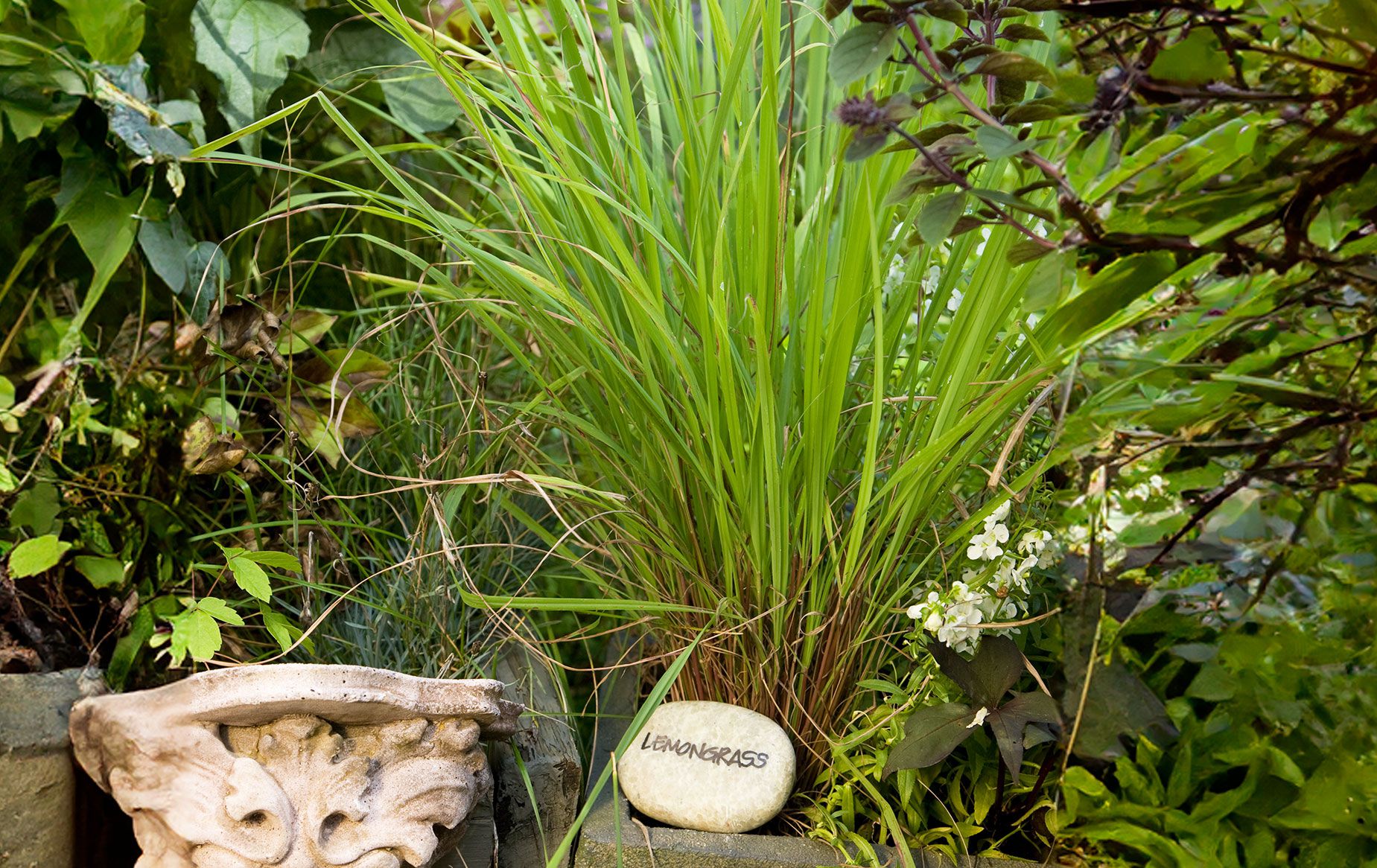
Lemongrass is one of those plants that makes gardeners feel wildly accomplished. You grow a dramatic clump of green blades, the air smells faintly like a fancy spa, and then one day you realize dinner could come straight from your backyard. Not bad for a plant that looks like it might also audition for a role as “ornamental grass number three.”
But harvesting lemongrass successfully is not just about yanking out a stalk and hoping for the best. Timing matters. Technique matters. And if you want the plant to keep producing instead of throwing a tiny leafy tantrum, you need to know which stalks to take, how low to cut, and what to do with the harvest afterward.
This guide covers exactly when to harvest lemongrass, how to harvest it without damaging the plant, how to store it, and how to keep it productive through the season. Whether you grow lemongrass in a raised bed, a backyard herb patch, or a container on the patio, these tips will help you get tender, fragrant stalks instead of fibrous disappointment.
What Makes Lemongrass Worth Harvesting?
Lemongrass is a tropical herb prized for its citrusy aroma and flavor. The base of the stalk is the star of the show: pale, swollen, fragrant, and perfect for soups, curries, marinades, tea, broths, and infused syrups. The leaves are useful too, especially for steeping in tea or flavoring stock, but the lower stalk is what most cooks are after.
What makes lemongrass especially satisfying for home gardeners is that it is a cut-and-come-again herb when harvested properly. Instead of taking the whole plant every time, you can remove the mature outer stalks and let the center continue growing. In other words, it is the herb equivalent of a subscription service you actually enjoy.
When to Harvest Lemongrass
Harvest when the stalks are mature, not just tall
The best time to harvest lemongrass is when the stalks are thick enough to be useful. As a general rule, wait until individual stalks are about one-half inch thick at the base. That is the sweet spot where the stalks have enough substance for cooking, but are still tender enough to prepare without a wrestling match.
Do not judge readiness by height alone. A tall, floppy plant can still have skinny stalks that are all leaf and very little tender base. Thickness matters more than drama. If the clump looks lush but the bases are still narrow, give it a little more time.
Harvest throughout the growing season
Once the stalks reach harvestable size, you can begin harvesting lemongrass throughout the growing season. In warm climates, that can mean repeated harvests over many months. In cooler regions, gardeners often start harvesting in mid to late summer and continue until temperatures begin to drop.
If you live in a place with cold winters, plan your biggest harvest before the first fall frost. Lemongrass is a tropical plant, so frost is not a character-building experience for it. A light chill can stall growth, and a hard frost can damage or kill the tops.
Morning harvests are a smart move
If possible, harvest in the morning after the dew has dried but before the day turns brutally hot. That is when the plant is typically well hydrated and easier to handle. It also makes garden work far more pleasant, especially if your summer afternoons feel like the inside of a toaster oven.
Signs Your Lemongrass Is Ready
If you are unsure whether your plant is ready, look for these signs:
- Stalk bases are about one-half inch thick.
- Outer stalks feel firm and substantial.
- The clump has several mature shoots, not just a few thin blades.
- The lower portion of the stalk looks pale green to creamy white and slightly swollen.
- The plant has been actively growing in warm weather for several weeks or months.
If your lemongrass is in a container, it may mature a little more slowly than plants growing in the ground, especially if the pot is small. That does not mean it will not produce well. It just means you should let the plant bulk up before harvesting aggressively.
How to Harvest Lemongrass Successfully
Start with the outer stalks
The best stalks to harvest are the mature outer stalks around the edge of the clump. These are usually the oldest and thickest. Leave the younger stalks in the center alone so they can keep growing. Think of it like taking the crispy fries from the outside of the basket and letting the rest finish cooking.
Use one of two reliable methods
You can harvest lemongrass in two main ways:
- Twist and pull: Push an outer stalk to the side, grasp it low near the base, twist gently, and pull upward. This often removes the stalk cleanly from the clump.
- Cut at soil level: Use a clean, sharp knife or garden pruners to cut the stalk as close to the soil line as possible.
Both methods work. If the soil is loose and the stalk is mature, twisting and pulling can be quick and easy. If the clump is dense or you want a cleaner job, cutting is usually neater and less likely to disturb neighboring shoots.
Wear gloves if the leaves are large
Lemongrass leaves can be surprisingly sharp along the edges. They look innocent, but so do paper cuts until they happen. A good pair of gardening gloves can save you from tiny slices while you work through a big clump.
Do not scalp the whole plant unless the season is ending
For regular harvesting, remove only a few mature stalks at a time. Taking too much at once can slow the plant down. A good approach is to harvest what you need plus a little extra, then let the clump refill.
The exception is the end of the season in colder climates. If frost is coming and you are not planning to overwinter the plant outdoors, it makes sense to harvest the entire clump or cut it back heavily and bring part of it inside. That final harvest is your “empty the fridge before vacation” moment.
How to Clean and Prepare Fresh Lemongrass
After harvesting, trim away the long leaf blades if your recipe only needs the stalk base. Peel off the dry or tough outer layers until you reach the tender inner core. That inner section is where the best flavor lives.
Here is the basic prep process:
- Rinse off any soil.
- Cut away the roots if attached.
- Trim the leafy tops.
- Peel off fibrous outer layers.
- Use the tender lower stalk whole, bruised, sliced, or minced depending on the recipe.
For soups and broths, many cooks bruise the stalk with the back of a knife to release flavor, then simmer it whole and remove it before serving. For marinades, curry paste, or stir-fries, the tender core can be finely sliced or minced.
How Much Can You Harvest at One Time?
If your goal is continued production, harvest conservatively. Taking a few mature outer stalks every week or two during active growth is usually better than removing half the clump in one enthusiastic session. Gardening rewards patience, even when your recipe is yelling for flavor.
If your plant is large, vigorous, and well established, you can harvest more generously. If it is still young or recovering from transplanting, be selective. A stressed plant will regrow more slowly, especially in containers or during dry weather.
Best Growing Conditions for Better Harvests
If you want thicker, more flavorful stalks, focus on the conditions that help lemongrass bulk up. This herb likes warmth, sun, moisture, and rich, well-drained soil. It is not especially high-maintenance, but it definitely performs better when treated like a tropical favorite rather than a forgotten side project.
Give it full sun
Lemongrass grows best in full sun, ideally at least six hours of direct light daily. In hotter regions, a little afternoon relief is tolerable, but more sun usually means stronger growth and chunkier stalks.
Keep the soil evenly moist
Lemongrass likes regular moisture, especially in summer. Do not let it sit in soggy soil, but do not allow it to dry out repeatedly either. Drought-stressed plants often produce thinner stalks and slower regrowth after harvest.
Feed for growth
Because lemongrass is a grassy plant, it responds well to nitrogen-rich feeding during active growth. Compost, fish emulsion, or a balanced fertilizer can help encourage the lush growth that leads to better harvests. No, it does not need a motivational speech. Just nutrients.
Give container plants extra attention
Potted lemongrass dries out faster and can become root-bound. If your container-grown plant seems to stall, check whether it needs a larger pot, more feeding, or more frequent watering. A huge plant in a tiny pot is basically trying to run a marathon in dress shoes.
How to Store Lemongrass After Harvest
Use fresh for the best flavor
Freshly harvested lemongrass has the brightest aroma and flavor. If you can use it within a few days, that is ideal. Wrap the stalks loosely or place them in a sealed bag in the refrigerator.
Refrigerate short term
Lemongrass stores well in the refrigerator for short-term use. Keep it in a tightly sealed plastic bag or airtight container. Properly stored, fresh stalks can last for a couple of weeks, and in some cases close to three weeks, especially if harvested cleanly and kept dry.
Freeze for later
Freezing is one of the easiest ways to preserve lemongrass. You can freeze whole trimmed stalk sections, chopped pieces, or minced lemongrass packed into small portions. Frozen lemongrass is especially handy for cooked dishes where texture is less important than flavor.
If you know you will be using it in soups or curry, portion it before freezing. Your future self will be deeply grateful when dinner prep takes five minutes less and involves far less chopping.
Dry the leaves for tea or broth
The leafy tops can be dried for tea or for flavoring soups and stocks. Spread them out in a warm, airy place, or use a dehydrator or very low oven setting. Once fully dry, store them in an airtight jar away from heat and light.
Keep in mind that the tender stalk base usually shines brightest fresh or frozen. Drying is more useful for the leaves than for the thick lower core.
What to Do Before Frost Arrives
If you garden in a colder climate, the end-of-season plan matters almost as much as the harvest itself. Before the first frost, you have three practical options:
- Harvest heavily and preserve the stalks.
- Dig and pot part of the clump to overwinter indoors.
- Bring the whole container inside if it is already potted.
To overwinter lemongrass successfully, cut the plant back, reduce watering, and place it in a bright, warm indoor location. In some cases, gardeners keep it semi-dormant rather than actively growing. The goal is survival through winter and a strong restart in spring, not a lush indoor jungle beside the toaster.
Common Harvesting Mistakes to Avoid
Harvesting too early
Thin stalks are harder to use and have less of the juicy base you want. Waiting until the plant matures pays off in flavor and ease of prep.
Taking the center first
The center contains younger shoots that will become future harvests. Start with the outside and let the middle continue producing.
Ignoring water and nutrition
A neglected plant can survive, but it will not necessarily thrive. If you want harvest-worthy stalks, keep growing conditions consistent.
Leaving harvested stalks untrimmed and damp
Storage quality drops when stalks sit wet or dirty. Clean them up before refrigerating or freezing.
Waiting until after frost damage
Once frost hits, quality can go downhill fast. Harvest before cold weather turns your beautiful herb into garden confetti.
Practical Examples of Lemongrass Harvest Timing
Example 1: Warm-climate backyard bed. A gardener in a hot southern climate plants lemongrass in spring. By midsummer, the clump is dense and several outer stalks are half an inch thick. They begin harvesting a few stalks every week for tea and curry while the plant continues growing through fall.
Example 2: Patio container in a cooler region. A gardener grows lemongrass in a large pot. The plant bulks up in July and August. They harvest lightly during late summer, then take a larger final harvest in early fall before moving the container indoors.
Example 3: End-of-season rescue mission. A surprise cold snap is forecast. The gardener cuts most mature stalks, freezes the usable bases, dries the leaves for tea, and divides a few rooted sections to overwinter inside. Crisis managed. Herb dignity preserved.
Experience-Based Lessons Gardeners Often Learn the Hard Way
One of the most common experiences gardeners have with lemongrass is underestimating how fast it goes from “cute little herb” to “why is this plant suddenly the size of a golden retriever?” At first, the growth seems slow. Then warm weather arrives, the roots settle in, and the plant starts throwing up blades and thickening its base with real determination. Many people make the mistake of harvesting too early because the plant looks big from a distance. Up close, though, the stalks may still be too thin. The lesson is simple: always check the base before you harvest.
Another frequent experience is discovering that container-grown lemongrass behaves differently from garden-grown lemongrass. In the ground, the plant often becomes massive and easier to harvest in batches. In a pot, it can still do very well, but it needs more water, more feeding, and occasionally a larger container than you expected. Gardeners often learn this when the plant looks healthy on top but stops thickening at the bottom. The fix is usually not magic. It is usually a bigger pot, richer soil, and more consistent moisture.
Many gardeners also learn that harvesting the outer stalks really does make a difference. The first time someone cuts straight through the middle of the clump, the plant tends to look ragged and recovery is slower. When they switch to removing mature stalks from the edge, the plant keeps its shape and continues sending up new shoots from the center. This one small change often turns a mediocre harvest into a steady season-long supply.
Then there is the classic frost lesson. Plenty of people assume they have more time than they do, only to wake up after a cold night and find the leaves browned and sad. Lemongrass does not enjoy surprise weather drama. Experienced gardeners usually become very practical about this. If chilly nights are in the forecast, they harvest first and ask questions later. It is much better to have a freezer full of trimmed stalks than a garden full of regret.
Storage teaches its own lessons too. Fresh lemongrass in the refrigerator feels like a triumph for about four days, and then life happens. That is why seasoned gardeners often prep it right after harvest. They trim the tops, peel the outer layers, portion the usable cores, and freeze what they cannot use quickly. Future weeknight cooking becomes much easier, and nothing gets wasted in the back of the fridge next to a suspicious cucumber.
Finally, gardeners often find that lemongrass becomes more useful the more they grow it. At first, they harvest it for one soup recipe. Soon they are steeping the leaves for tea, flavoring rice, infusing broths, and tucking stalks into marinades. Harvesting stops feeling like a one-time chore and starts feeling like part of the rhythm of the kitchen garden. That is really the sweet spot with lemongrass: once you learn when to harvest and how to do it cleanly, the plant becomes less of a novelty and more of a dependable favorite.
Conclusion
Harvesting lemongrass successfully comes down to a few simple rules: wait until the outer stalks are thick enough, harvest from the edges, cut low or twist carefully, and protect the plant from frost if you want it to keep going. Give it sun, warmth, moisture, and decent soil, and it will reward you with fragrant stalks that make ordinary meals taste like you know exactly what you are doing.
That is the beauty of lemongrass. It looks dramatic, smells amazing, and once you learn the rhythm of harvesting it, it becomes one of the most practical herbs in the garden. It is productive, versatile, and just fussy enough to make you feel accomplished when you get it right.