

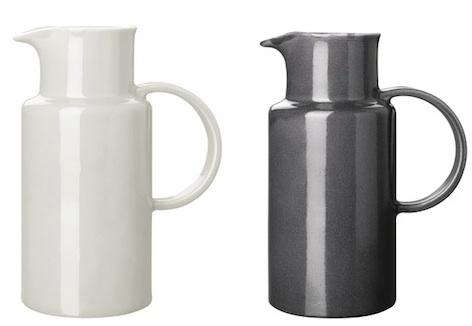
Some kitchen pieces are born to multitask. Others are born to sit on the counter and look charming while doing absolutely nothing, like a cat in a sunbeam. The Emile Henry Urban Pitcher manages to do both. It is the kind of piece that makes plain old water look intentional, lemonade look fancy, and a bunch of grocery-store tulips look like you have your life together.
At first glance, it seems simple: a ceramic pitcher with a clean silhouette, a sturdy handle, and that unmistakable French sense of restraint that says, “Yes, I am beautiful, but I don’t need to brag about it.” But once you look closer, the appeal becomes clearer. This is not just a serving vessel. It is a small lesson in why well-made kitchenware still matters.
In a world of plastic jugs, giant insulated tumblers, and mystery pitchers that somehow smell faintly like refrigerator leftovers, the Emile Henry Urban Pitcher feels refreshingly grown-up. It is practical, yes, but it also brings mood, texture, and personality to the table. And in the kitchen, mood matters more than people admit. Nobody ever plated brunch dramatically with a flimsy container from aisle seven.
What Makes the Emile Henry Urban Pitcher Stand Out?
The first thing worth loving is the material. Emile Henry is known for ceramics made in France, with a long-standing reputation for using Burgundy clay and high-fired finishes. That heritage matters because it shapes how the piece feels in hand and how it performs in daily use. Ceramic has a tactile comfort that glass often lacks and metal rarely delivers. It feels grounded, substantial, and quietly elegant.
The Urban Pitcher itself has been described as a 1-liter ceramic pitcher, which places it in a sweet spot for daily use. It is large enough to serve water, iced tea, juice, or a small batch of sangria for lunch, but not so oversized that it becomes awkward on the table. In practical terms, that means it is perfect for households that want a real serving piece rather than a restaurant-sized tank disguised as tableware.
Its design is one of its best tricks. The shape is modern without being cold, rounded without being bulky, and polished without feeling precious. It looks just as natural next to a rustic cutting board as it does on a cleaner, more modern countertop. That flexibility is part of its charm. Some kitchen accessories demand an entire aesthetic renovation. This one simply arrives and gets along with everybody.
Why Ceramic Pitchers Still Deserve Counter Space
Ceramic feels intentional
Glass pitchers are useful, but they often fade into the background. Stainless steel pitchers can feel utilitarian. Plastic pitchers are the sweatpants of the kitchen world: comfortable, familiar, and not always invited to the nice dinner. A ceramic pitcher lands in a more interesting place. It feels deliberate. When you set one on the table, it sends a message that this meal, drink, or gathering was actually thought through.
That may sound dramatic for a pitcher, but kitchen objects often do more than hold things. They shape the atmosphere. The Urban Pitcher turns plain hydration into a visual moment. Add lemon slices, cucumber ribbons, or mint and suddenly the table looks considered instead of accidental.
Ceramic has a softer visual presence
One reason the Emile Henry Urban Pitcher keeps attracting attention is that ceramic interacts beautifully with light. Instead of the hard glare you get from some glassware, glazed ceramic has a softer, more velvety presence. It adds warmth to a room. That matters if your kitchen is full of metal appliances, hard surfaces, and bright overhead lighting. A piece like this balances the space.
It moves easily from kitchen to table
Good serveware saves effort. Rather than pouring a drink into one container for mixing and another for serving, a well-designed pitcher can do both without making the whole setup look like you forgot to finish the job. The Urban Pitcher was clearly built with that kitchen-to-table philosophy in mind. It looks polished enough for guests, yet practical enough for everyday use.
The Appeal of the Urban Colors
One of the most memorable things about the Emile Henry Urban Pitcher is its color story. Earlier coverage highlighted several shades, including slate, sand, fig, nougat, and pale blue. These are not loud, candy-bright colors begging for attention. They are muted, usable, livable shades that work with actual homes and actual dishes.
That matters more than it seems. Color in the kitchen is tricky. Too little, and the room feels sterile. Too much, and it starts looking like a crayon uprising. The Urban Pitcher finds the middle ground. A slate version can feel modern and grounding. Sand or nougat looks soft and neutral. Fig adds a richer, moodier accent. Pale blue brings a bit of airy charm without veering into “grandmother’s curio shelf” territory.
Because the palette is restrained, the pitcher can stay out on the counter without looking like clutter. That alone makes it more useful. The prettiest items are often the ones you actually keep within reach.
Everyday Uses That Make Sense
The obvious use is serving water, tea, juice, or cocktails. And yes, it does that beautifully. But the best kitchen pieces earn their keep through versatility, and the Urban Pitcher has plenty.
At breakfast
It works wonderfully for orange juice, cold brew concentrate, or milk for a weekend pancake spread. It looks especially nice when the rest of the table is simple: toast, fruit, butter, coffee, and one good ceramic pitcher doing heroic visual work.
At lunch and dinner
For lunch, it can hold infused water, iced tea, or homemade vinaigrette for a help-yourself salad setup. At dinner, it makes sense for wine spritzers, lemonade, or just cold water that looks nicer than the bottle it came in. It adds hospitality without requiring a major performance.
As a styling piece
Off-duty, it also works as a vase. That is one of the oldest tricks in the kitchen decor book, and it still works because a ceramic pitcher already has the right proportions for flowers. Branches, eucalyptus, tulips, hydrangeas, or even a grocery-store bouquet suddenly look more expensive when tucked into something substantial and well made.
For seasonal hosting
In summer, it suits citrus water and garden flowers. In fall, it looks right at home next to cider and a loaf cake. In winter, it can hold evergreen stems or sit on open shelving as part of the room’s texture. In spring, pale floral arrangements practically volunteer for the job.
How It Compares to Other Pitcher Materials
If you are deciding between ceramic, glass, or metal, the choice depends on what matters most.
Glass pitchers are great when you want to show off the drink itself, especially layered beverages, fruit slices, or colorful cocktails. But they can also feel fragile, and many have a generic look that disappears into the background.
Metal pitchers are durable and useful for more commercial or heavy-duty settings, but they rarely bring softness or warmth to the table. They do the job. They do not usually romance the room.
Ceramic pitchers, particularly one like the Emile Henry Urban Pitcher, offer a middle ground between utility and character. They are sturdy, decorative, and pleasant to use. They may not reveal the contents in the same theatrical way glass does, but they contribute something arguably more valuable: atmosphere.
And let us be honest, atmosphere is why half of us buy kitchenware in the first place. The other half is because the old pitcher somehow vanished during holiday cleanup and was never seen again.
Care, Durability, and Daily Life
A beautiful kitchen piece only becomes a favorite if it is easy to live with. That is where Emile Henry’s broader reputation helps the Urban Pitcher’s case. The brand is known for durable glazed ceramics, easy cleaning, and everyday usability. Older descriptions of the pitcher itself specifically pointed to a smooth glazed finish that resists scratches and chips and is dishwasher safe.
That combination is important. Many attractive tabletop pieces are secretly exhausting. They need hand-washing, special storage, emotional support, and probably a background in diplomacy. A pitcher that is actually easy to clean has a much better shot at becoming part of your routine rather than a decorative object you admire twice a year.
For best results, ceramic serveware like this benefits from sensible handling. Avoid hard knocks against stone countertops or crowded sinks. Dry it fully before storing. If you are using it as a vase, give it a thorough rinse afterward so mineral marks do not linger. Nothing complicated. Just normal good manners for a nice object.
Who Will Love the Emile Henry Urban Pitcher Most?
This pitcher makes sense for several kinds of people.
It suits the cook who likes functional beauty and wants kitchen tools that do not need to be hidden away. It suits the host who prefers small, thoughtful touches over elaborate tablescapes. It suits the design lover who enjoys French ceramics and appreciates objects with heritage. And it suits the person who simply wants one nice thing on the counter that makes the whole kitchen look a little more finished.
It is also a smart gift. Wedding gift, housewarming gift, “you finally renovated your kitchen and I come bearing tasteful ceramic diplomacy” gift. Because it is useful without feeling boring, and decorative without feeling frivolous, it lands in that rare category of presents people actually continue using.
Why the Emile Henry Urban Pitcher Still Feels Relevant
Kitchen trends change constantly. One year everything is matte black. The next year everything is ribbed glass, brushed brass, or “quiet luxury,” which is just a very expensive way of saying beige. Through all of that, a piece like the Emile Henry Urban Pitcher stays relevant because it is not trend-chasing. It is proportion, color, material, and craftsmanship doing the long game.
That is the secret. It is not flashy. It does not try too hard. It just solves a familiar kitchen need with more grace than most alternatives. That is often what timeless design looks like. Not louder. Smarter.
If you are building a kitchen full of pieces you will still enjoy five years from now, this is exactly the kind of object worth noticing. Not because it screams for attention, but because it quietly improves the room every time you use it.
Experiences and Everyday Moments with the Emile Henry Urban Pitcher
Living with a piece like the Emile Henry Urban Pitcher is less about dramatic product-testing language and more about the way it slides into daily life. The first experience many people notice is simple: it makes ordinary drinks feel less ordinary. Water for dinner suddenly looks intentional. Iced tea looks like a weekend decision instead of an afterthought. Even something as basic as chilled tap water with lemon feels more welcoming when poured from a ceramic pitcher that has real presence.
Another experience people tend to love is the visual calm it brings to the counter. Some kitchen items are useful but chaotic. They are too bulky, too bright, or too obviously “storage solution” in energy. The Urban Pitcher has a quieter effect. Set it near a bowl of fruit, a stack of plates, or a wooden board, and it contributes to the room instead of cluttering it. It can stay out in the open without making the kitchen feel crowded.
Hosting is where a piece like this really earns compliments. Put it on the table during brunch filled with orange juice, cucumber water, or even a batch cocktail, and guests notice. Not in a “what is the retail price of this object” way, but in a “your table looks so nice” way. That is usually the better compliment anyway. Great serveware works in the background. It supports the moment without trying to become the entire conversation.
There is also something satisfying about the feel of ceramic in use. The handle feels sturdy. The body feels stable. The glaze feels smooth in the hand. These are tiny experiences, but they add up. A lot of modern kitchen stuff looks fine online and disappointing in person. A well-made ceramic piece tends to do the opposite. It feels better than the photos suggest.
People who enjoy seasonal styling also get a lot from this kind of pitcher. In warmer months, it can move from serving lemonade on the patio to holding flowers on the counter. In cooler months, it can sit beside baked goods, hot cider ingredients, or evergreen stems and still feel relevant. It does not belong to one narrow season or one specific entertaining style. That adaptability is part of the long-term value.
Even in quieter households, where nobody is throwing elaborate dinner parties on a Tuesday, the experience of using a beautiful pitcher matters. It creates a small ritual. Fill it in the morning. Set it on the table at lunch. Refill it for dinner. Use it for flowers between meals. Those little cycles make a kitchen feel lived in and cared for. The object becomes part of the rhythm of the home rather than just another item taking up shelf space.
That may be the most appealing thing about the Emile Henry Urban Pitcher. It is not trying to revolutionize hydration, transform your cooking, or solve all known kitchen problems before breakfast. It simply performs a familiar job with more beauty, more substance, and more ease. And sometimes that is exactly what a kitchen needs: one dependable, attractive piece that makes the everyday feel a bit more special.