

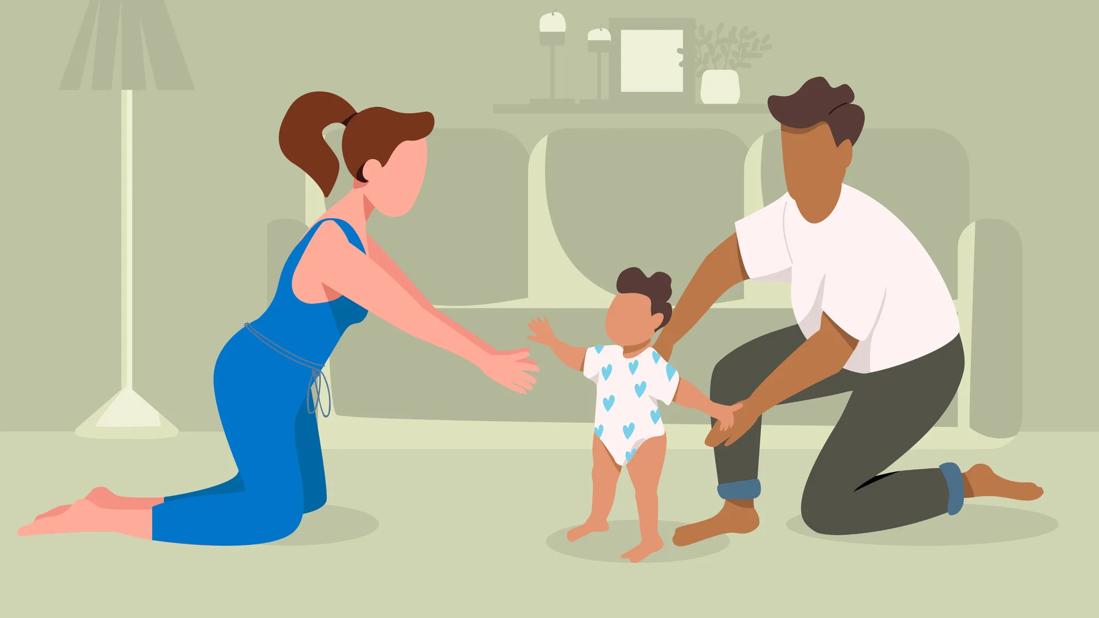
Few baby milestones make parents grab a phone faster than those first wobbly steps. One moment your little one is cruising along the couch like a tiny furniture inspector, and the next they let go, wobble forward, and accidentally become the CEO of the living room. But naturally, the big question shows up long before the first step: when do babies start walking?
The honest answer is: most babies start walking sometime between 12 and 15 months, but the normal range is wider than many parents expect. Some babies take independent steps as early as 9 or 10 months, while others wait until 16, 17, or even 18 months. Walking depends on strength, balance, coordination, confidence, personality, and opportunity. In other words, babies do not read milestone charts. They chew on them.
This guide explains the usual baby walking timeline, the most common signs your baby will walk soon, how to encourage walking safely, what not to worry about, and when to talk with your pediatrician.
When Do Babies Start Walking?
Most babies take their first independent steps around their first birthday or during the months shortly after. A typical walking timeline looks something like this:
- 6 to 9 months: Many babies sit well, roll, pivot, scoot, or begin crawling.
- 8 to 10 months: Some babies start pulling up to stand using furniture, crib rails, or your legs.
- 9 to 12 months: Many babies cruise, meaning they walk sideways while holding onto furniture.
- 11 to 15 months: Many babies take first independent steps.
- 15 to 18 months: Many toddlers become steadier walkers, practice turning, and may start climbing or moving faster.
Remember, these are general patterns, not deadlines. A baby who walks at 10 months is not automatically “advanced,” and a baby who walks at 16 months is not automatically delayed. Development has a range. The important part is whether your child is gaining skills over time, showing interest in movement, using both sides of the body, and continuing to progress.
Why Walking Happens at Different Ages
Walking looks simple to adults because we have been doing it for years without applauding ourselves after every hallway trip. For babies, walking is a full-body project. They need strong legs, stable hips, core control, balance, visual coordination, and the confidence to let go of support. That is a lot for someone who recently discovered their own toes.
Several factors can influence when a baby starts walking:
1. Muscle Strength and Balance
Babies build the muscles needed for walking through tummy time, rolling, sitting, crawling, pulling up, squatting, and cruising. These earlier skills are like training sessions before the main event.
2. Temperament
Some babies are bold little explorers who launch themselves toward a toy without much concern for gravity. Others are careful observers who prefer to perfect the plan before taking action. Both personalities can be completely normal.
3. Practice Space
Babies need safe floor time to move, reach, pull up, and experiment. A baby who spends most awake time in seats, swings, strollers, or carriers may have fewer chances to build walking skills.
4. Premature Birth
Babies born prematurely may reach milestones based on their adjusted age, not only their birth age. If your baby was premature, your pediatrician can help you understand what timeline makes sense.
5. Family Patterns
If parents or siblings were late walkers, a baby may follow a similar rhythm. Genetics can play a role, though environment, health, and practice still matter.
Signs Your Baby Will Walk Soon
Before the first independent steps, babies usually show several signs of walking readiness. These signs do not always arrive in a perfect order, but they suggest your baby is getting close.
Pulling Up to Stand
One of the strongest signs your baby may walk soon is pulling up to a standing position. This usually happens when a baby grabs furniture, crib rails, a parent’s pant leg, or anything sturdy enough to support their ambitious little body. Pulling up builds leg strength and teaches babies how their feet work against the floor.
Cruising Along Furniture
Cruising is when a baby moves while holding onto a couch, coffee table, wall, or low shelf. It often looks like sideways walking. Cruising helps babies learn weight shifting, balance, and coordination. It also teaches them that the remote control is always just slightly out of reach.
Standing Without Support
A baby who lets go and stands independently for a few seconds is practicing balance. At first, this may happen accidentally. They might be holding a toy, forget to hold the couch, freeze like a tiny statue, then plop down. That brief stand is a big deal.
Squatting and Standing Back Up
Squatting is a powerful walking-readiness sign. When babies squat to pick up a toy and then stand again, they are developing leg strength, hip control, and balance. This movement prepares them for walking, stopping, turning, and recovering from wobbles.
Walking While Holding Your Hands
If your baby loves taking steps while holding your fingers, walking may be approaching. Keep your hands low and relaxed rather than pulling upward. The goal is to give support, not lift your baby like a tiny parade balloon.
Climbing Everything in Sight
Climbing onto cushions, stairs, low furniture, or your lap can mean your baby is strengthening the same muscles needed for walking. It also means it is time to double-check babyproofing because your baby has discovered vertical ambition.
Increased Confidence and Curiosity
Many babies become extra determined before walking. They may reach farther, move between furniture pieces, or try to carry toys while standing. Some also become frustrated because their brain says “go,” while their balance says “maybe not yet.”
Do Babies Need to Crawl Before Walking?
Many babies crawl before walking, but not all of them do. Some babies army crawl, scoot on their bottoms, roll to destinations, bear crawl, or skip classic hands-and-knees crawling altogether. Crawling can help build strength and coordination, but skipping it does not always mean something is wrong.
What matters most is that your baby is developing movement skills in some form. If your baby is not moving much, seems unusually stiff or floppy, uses one side much more than the other, or loses skills they previously had, it is wise to talk with your pediatrician.
How to Encourage Your Baby to Walk Safely
You cannot force walking, and you should not rush it. But you can create an environment that helps your baby practice safely and confidently.
Give Plenty of Floor Time
Floor time is walking practice before walking begins. Let your baby roll, crawl, sit, reach, climb over pillows, pull up, and cruise in a safe area. Movement builds strength better than sitting in equipment for long stretches.
Use Motivating Toys
Place a favorite toy on a low couch or stable surface so your baby has a reason to pull up. Later, place toys slightly farther apart to encourage cruising from one support to another. Choose toys your baby loves, because nothing motivates a baby like a forbidden-looking object that is actually safe.
Practice Barefoot Indoors
When indoors and safe, barefoot practice helps babies feel the floor, grip with their toes, and develop foot muscles. Socks can be slippery, so choose nonskid socks if the floor is cold. Shoes are useful outside or on rough surfaces, but indoors, flexible bare feet often work best.
Choose the Right First Shoes
When your baby begins walking outdoors, look for lightweight, flexible shoes with nonskid soles and enough room for toes to wiggle. Avoid stiff, heavy shoes that make walking harder. A good first shoe protects the foot without acting like a tiny boot-shaped brick.
Let Your Baby Fall Safely
Falling is part of learning to walk. Babies learn balance by wobbling, sitting down, trying again, and discovering what their bodies can do. Create a safe space by padding sharp corners, removing small hazards, securing furniture, and using safety gates near stairs.
Avoid Sit-In Baby Walkers
Sit-in baby walkers with wheels are not recommended. They can move quickly, increase injury risks, and may delay natural walking practice. Safer alternatives include supervised floor play, stationary activity centers used briefly, sturdy push toys for babies who are already pulling up well, and lots of hands-on play.
What Is Normal When Babies First Start Walking?
Early walking is not graceful. It is more “adorable penguin on a mission” than smooth athlete. Common early walking patterns include:
- A wide stance
- Arms held up or out for balance
- Frequent falls
- Short, stiff steps
- Walking fast because stopping is still under construction
- Turning by falling, sitting, or dramatically changing plans
These early patterns usually improve as your toddler practices. Over time, steps become smoother, feet move closer together, balance improves, and your child learns to stop, turn, squat, and carry objects while walking.
When Should Parents Be Concerned?
Many babies who walk later are perfectly healthy late bloomers. Still, certain signs deserve a conversation with your pediatrician. Talk with your child’s doctor if:
- Your baby is not walking independently by 18 months.
- Your baby is not pulling to stand or bearing weight on legs by around 12 months.
- Your baby strongly favors one side of the body.
- Your baby seems very stiff, very floppy, or unusually weak.
- Your baby loses a skill they previously had.
- Your baby has delays in several areas, such as movement, communication, feeding, or social interaction.
- You feel something is not right, even if the milestone chart says “wait.”
Parents know their children well. If you are concerned, asking early is not overreacting. Pediatricians can check muscle tone, reflexes, hip movement, foot position, vision, overall development, and whether physical therapy or early intervention may help. Early support can be simple, playful, and very effective.
Common Myths About Baby Walking
Myth 1: Early Walking Means a Baby Is Smarter
Walking early is exciting, but it does not guarantee future genius, athletic scholarships, or a toddler who will stop throwing peas. Development is complex. Early walking simply means that baby was ready to walk early.
Myth 2: Late Walking Always Means a Problem
Not true. Some babies walk later because they are cautious, busy mastering other skills, or simply following their own developmental rhythm. The key is steady progress and checking with a pediatrician if walking has not started by 18 months or if other concerns appear.
Myth 3: Baby Walkers Teach Babies to Walk
Sit-in walkers do not teach natural walking. Babies need to practice balance, weight shifting, and controlled movement using their own bodies. Floor play, cruising, squatting, and supervised practice are much better teachers.
Myth 4: Shoes Help Babies Walk Faster
Supportive shoes may be useful outside, but babies do not need stiff shoes to learn to walk indoors. Barefoot practice on safe surfaces helps babies feel the ground and use their feet naturally.
How to Babyproof Before Walking Begins
The moment your baby starts cruising, your home changes. Suddenly, the edge of the coffee table, the dog bowl, the bookshelf, and one mysterious crumb under the chair become thrilling destinations. Before walking starts, prepare your space:
- Anchor heavy furniture and televisions to the wall.
- Use safety gates at stairs.
- Cover sharp furniture corners.
- Move cords, lamps, and fragile items out of reach.
- Lock cabinets with cleaning products or medicines.
- Keep small choking hazards off the floor.
- Check that low tables and shelves are stable enough for cruising.
Babyproofing is not about creating a boring home. It is about creating a safe training gym for a tiny person with big goals and questionable judgment.
Helpful Activities for Walking Readiness
You can encourage walking through playful, low-pressure activities:
Play “Reach and Stand”
Place a toy on a couch cushion and encourage your baby to pull up. Celebrate the effort, not just the result.
Encourage Cruising Between Supports
Set up two stable pieces of furniture close together. Put a favorite toy on the second surface so your baby has a reason to move sideways.
Practice Sit-to-Stand
Have your baby sit on your lap or a low cushion with feet flat on the floor. Encourage them to stand by reaching for a toy. This builds leg and core strength.
Use a Sturdy Push Toy Carefully
For babies who already pull up and cruise confidently, a weighted push toy may help practice forward steps. Choose one that does not roll too fast and always supervise.
Cheer Without Pressure
Clap, smile, and encourage, but avoid turning walking into a performance. Babies learn best when they feel safe, supported, and free to try again.
Real-Life Experiences: What the First Steps Phase Feels Like
Parents often imagine baby’s first steps as a movie moment: soft lighting, gentle music, everyone gathered in the same room, and the baby walking directly into loving arms. Sometimes that happens. Other times, the first step happens while one parent is in the kitchen rinsing a bottle, the dog is barking at a delivery truck, and the baby is trying to grab a sock. Milestones are magical, but they are not always organized.
One common experience is the “almost walking” stage that feels like it lasts forever. A baby may cruise beautifully for weeks, stand alone for three seconds, squat to pick up toys, and still refuse to take independent steps. Parents may think, “Surely today is the day.” Then baby drops to the floor and speed-crawls away like walking was merely a rumor. This is normal. Babies often practice the ingredients of walking long before they combine them.
Another familiar experience is the confidence switch. Some babies seem cautious for months, then suddenly take five steps in a row as if they have been secretly training at night. A baby who previously clung to the couch may let go because a favorite snack, toy, sibling, or pet is just out of reach. Motivation matters. Never underestimate the power of a cracker.
Parents also notice that early walking can temporarily affect routines. A baby learning a major motor skill may seem clingier, fussier, or more restless at bedtime. Their brain and body are busy. They may want to practice standing in the crib instead of sleeping, which is adorable at 7 p.m. and much less adorable at 2 a.m. Keeping routines calm and consistent helps babies settle while they work through the new skill.
There is also the emotional roller coaster. First steps bring pride, excitement, and sometimes a tiny pang of sadness because the baby stage is changing. One day you are placing toys in front of a sitting baby; the next day you are rescuing that same baby from the laundry basket, the hallway, or the forbidden cabinet they somehow reached in record time. Walking expands a child’s world, and it expands a parent’s cardio routine.
If your baby is not walking yet while other babies the same age are toddling around, comparison can be hard. At playgroups, family gatherings, or online parenting spaces, milestone talk can feel like a competitive sport nobody agreed to join. Try to remember that development is not a race. Some early walkers are cautious talkers. Some late walkers are busy building language, fine motor skills, or social confidence. Children develop as whole people, not as milestone checklists.
The best experience you can give your baby is patient opportunity. Offer safe space, loving encouragement, and plenty of chances to move. Celebrate pulling up, cruising, balancing, falling safely, trying again, and even deciding to crawl for another week. Walking will come when your baby’s body and confidence are ready. And once it does, you may find yourself fondly remembering the peaceful days when your little one stayed exactly where you put them.
Conclusion
So, when do babies start walking? Most babies begin walking between 12 and 15 months, but some start earlier and others take more time. The biggest signs that walking is near include pulling up, cruising, standing briefly without support, squatting, climbing, and walking while holding your hands. You can encourage progress with safe floor time, barefoot indoor practice, motivating toys, sturdy support surfaces, and lots of cheerful patience.
Avoid pressure, skip sit-in baby walkers, and remember that wobbles are part of the process. If your baby is not walking by 18 months, is not making progress, loses skills, or shows unusual stiffness, weakness, or asymmetry, talk with your pediatrician. Most of the time, those first steps arrive in their own wonderfully unpredictable way. Then the real adventure begins: keeping up.
Note: This article is for general informational purposes only and is not a substitute for personalized medical advice. Always contact your pediatrician if you have concerns about your child’s development.