

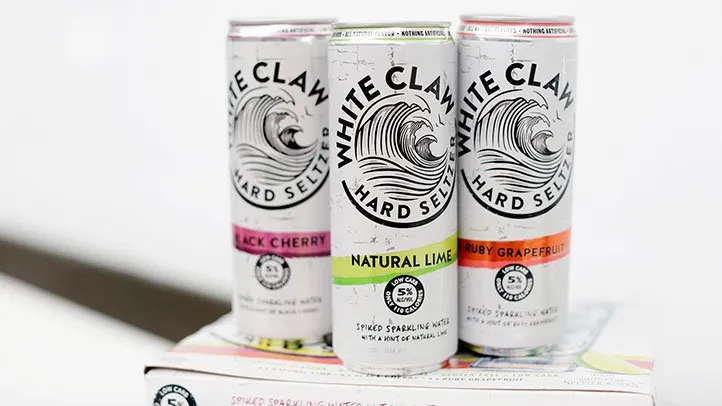
White Claw and other spiked seltzers did something impressive: they convinced America that a can of fizzy alcohol could look like sparkling water, taste like fruit, and still show up at the party wearing a “lighter choice” badge. Compared with sugary margaritas, syrupy cocktails, and some heavy craft beers, hard seltzer can seem almost angelic. It is bubbly. It is usually clear. It often has around 100 calories per can. It may contain only a gram or two of sugar. If marketing had a halo, hard seltzer would be polishing it with a lime wedge.
But here is the tiny can-shaped plot twist: spiked seltzer is still alcohol. The bubbles do not cancel that out. The fruit flavor does not turn it into a smoothie. And “gluten-free” does not mean “risk-free.” For adults of legal drinking age, hard seltzer may be a lower-calorie alcoholic option, but calling it healthy is a stretch big enough to qualify as yoga.
This article breaks down what is actually in White Claw and similar drinks, how hard seltzer compares with beer and cocktails, what health experts say about alcohol, and why the smartest answer to “Is spiked seltzer healthy?” is: healthier than some alcoholic drinks, maybe; healthy, not really.
What Is Spiked Seltzer?
Spiked seltzer, also called hard seltzer, is a carbonated alcoholic beverage usually made with sparkling water, alcohol, flavoring, and sometimes a small amount of sweetener. Many popular versions are around 5% alcohol by volume, which puts them in the same neighborhood as many regular beers. A typical 12-ounce can of hard seltzer at 5% ABV counts as roughly one standard alcoholic drink.
White Claw, Truly, Bud Light Seltzer, High Noon, and other brands helped turn hard seltzer into a major beverage category. The appeal is easy to understand. The cans are portable, the flavors sound refreshing, and the nutrition panels often look less dramatic than the label on a creamy cocktail or high-calorie beer. For people watching calories or sugar, that matters.
What Is in White Claw?
White Claw Hard Seltzer is made with seltzer water, a gluten-free alcohol base, and fruit flavor. Many classic White Claw flavors contain about 100 calories, 5% alcohol by volume, and 2 grams of carbohydrates per 12-ounce can. Truly Hard Seltzer is similar, with many varieties listing 100 calories, 5% ABV, and 1 gram of sugar per 12-ounce can.
Those numbers are part of why spiked seltzer became popular. A frozen restaurant margarita can be loaded with sugar. A strong craft beer can climb well above 200 calories. A creamy cocktail can enter dessert territory and start asking for a spoon. Next to those, a 100-calorie hard seltzer looks modest.
Still, nutrition labels do not tell the whole story. Alcohol itself contains calories and affects the body differently than protein, fiber, or complex carbohydrates. A spiked seltzer may be low in sugar, but it is not a nutrient-dense drink. It does not provide meaningful vitamins, minerals, protein, or fiber. It is basically sparkling water with alcohol and flavoring, not a wellness tonic that accidentally wandered into the cooler aisle.
Is White Claw Healthier Than Beer?
In some ways, White Claw and other spiked seltzers can be lighter than regular beer. Many regular beers contain about 140 to 150 calories per 12-ounce serving, and some craft beers contain far more. Hard seltzer often stays near 100 calories, with fewer carbohydrates than many beers. For adults who already drink alcohol and are comparing calorie counts, that difference may matter.
But the alcohol content is the key equalizer. A 12-ounce hard seltzer at 5% ABV and a 12-ounce beer at 5% ABV deliver about the same amount of alcohol. Your liver does not look at a White Claw and say, “Ah, this one has mango flavor. We shall process it as self-care.” Alcohol is alcohol, whether it arrives in beer, wine, liquor, or a slim can with beachy branding.
So, is hard seltzer healthier than beer? It can be lower in calories and carbs, yes. But from an alcohol-risk perspective, it is not automatically safer just because it is lighter, clearer, or easier to drink.
Is Spiked Seltzer Healthier Than Cocktails?
Compared with many cocktails, spiked seltzer often has a simpler nutrition profile. A cocktail made with juice, syrup, soda, cream, or sweet liqueurs can carry a large load of added sugar and calories. A pina colada, for example, can be more like a tropical milkshake with a vacation problem. In that comparison, hard seltzer is often the lower-calorie choice.
However, cocktails vary widely. A spirit mixed with plain soda water may have fewer carbs than most flavored hard seltzers. A sugary canned cocktail may have much more sugar. The category matters less than the actual label: serving size, ABV, calories, sugar, and how many servings are in the container.
The biggest issue is that hard seltzer can be easy to underestimate. Because it tastes light and refreshing, some adults may drink it faster than beer or stronger-tasting alcohol. That can make it easier to consume more alcohol than intended, especially in social settings where the cans keep appearing like magic tricks with consequences.
The “Low-Calorie” Trap
One of the strongest selling points of White Claw is that it is lower in calories than many alcoholic drinks. But low-calorie alcohol is still alcohol, and alcohol can affect weight and appetite in several ways.
First, alcohol contributes calories without providing much nutritional value. Second, drinking can lower inhibitions, including food-related inhibitions. That means the “I’ll just have one light drink” plan can turn into “why is there a mountain of nachos in front of me, and why do I respect it?” Third, alcohol can interfere with sleep quality, and poor sleep may affect hunger, cravings, and energy the next day.
A single 100-calorie can may fit into an adult’s overall calorie budget. But several cans can add up quickly. Four hard seltzers can mean about 400 calories plus four standard drinks of alcohol. The calories are only part of the equation; the alcohol exposure is the bigger health concern.
What About Sugar and Carbs?
Hard seltzer usually contains less sugar than many sweet cocktails, hard lemonades, wine coolers, and regular sodas. That is a legitimate advantage for adults who are choosing among alcoholic beverages and want to avoid sugar-heavy drinks.
But low sugar does not mean healthy. A drink can be low in sugar and still carry alcohol-related risks. It is also worth noting that different brands and flavors vary. Some “seltzer-style” drinks, canned cocktails, and higher-ABV versions may contain more calories, more sugar, or more alcohol than the standard 100-calorie hard seltzer people picture in their heads.
The label is your friend. The front of the can is marketing. The nutrition facts and alcohol percentage are the receipts.
Alcohol Health Risks Do Not Disappear in a Slim Can
Public-health guidance has become more cautious about alcohol in recent years. The CDC notes that drinking less is better for health than drinking more, and even moderate drinking may increase certain health risks compared with not drinking. The U.S. Surgeon General has also highlighted the connection between alcohol consumption and increased risk of several cancers, including breast, colorectal, liver, mouth, throat, voice box, and esophageal cancers.
That does not mean one can of hard seltzer causes instant doom. Health risk is usually about patterns, frequency, amount, genetics, medical history, and other behaviors. But it does mean alcohol should not be marketed to your brain as “basically sparkling water with confidence.” It is a substance the body has to metabolize, and the risk generally rises as consumption rises.
Alcohol Can Affect Sleep
Alcohol may make some people feel relaxed or sleepy at first, but it can disrupt sleep quality later in the night. Poor sleep can affect mood, concentration, appetite, and energy. A hard seltzer before bed may seem harmless, but if it turns your sleep into a low-budget mystery series, your body noticed.
Alcohol Can Affect the Liver
The liver processes alcohol. Regular heavy drinking can contribute to fatty liver, inflammation, liver disease, and other serious problems. Hard seltzer does not get a special liver bypass because it has black cherry flavor.
Alcohol Can Increase Injury Risk
Alcohol can affect coordination, reaction time, judgment, and decision-making. That matters for driving, swimming, biking, cooking, sports, and nearly any activity involving gravity, metal, water, fire, or group chats.
Alcohol Is Linked to Cancer Risk
Major health organizations recognize alcohol as a cancer risk factor. The risk is dose-related, meaning more alcohol generally means more risk. This is one reason experts increasingly advise people not to start drinking for health benefits and to reduce alcohol intake when possible.
Does Gluten-Free Mean Healthy?
Many hard seltzers are gluten-free, which can matter for adults with celiac disease or gluten sensitivity. White Claw and Truly both describe their alcohol bases as gluten-free. That makes them different from many beers, which are commonly brewed from barley or wheat.
But gluten-free is not the same as healthy. Gluten-free cookies are still cookies. Gluten-free alcohol is still alcohol. The claim is useful for people avoiding gluten, but it should not be mistaken for a green light from the nutrition gods.
Why Hard Seltzer Feels “Healthier” Than It Is
Hard seltzer benefits from what might be called the sparkling-water effect. Sparkling water is associated with hydration, wellness, minimal ingredients, and people who own reusable tote bags. Hard seltzer borrows that image, adds alcohol, and keeps the clean look.
The branding often emphasizes words like “pure,” “natural flavor,” “light,” “refreshing,” and “low calorie.” Those words are not necessarily false, but they can create a health halo. A health halo happens when one positive trait makes the whole product seem better than it really is. For example, “only 100 calories” can distract from “contains alcohol.”
This is why the central question should not be “Is White Claw healthy?” A better question is: “Compared with what, and how often?” Compared with a sugar-loaded cocktail, a standard hard seltzer may be lighter. Compared with water, unsweetened tea, or a nonalcoholic seltzer, it is clearly not the healthier option.
Who Should Avoid Alcohol Completely?
Some people should avoid alcohol altogether. That includes anyone under the legal drinking age, pregnant people, people who are trying to become pregnant, individuals with certain medical conditions, people taking medications that interact with alcohol, anyone recovering from alcohol use disorder, and anyone who cannot reliably control how much they drink.
People with liver disease, certain heart conditions, a personal or family history of addiction, sleep disorders, or elevated cancer risk may also need stricter limits or full avoidance. The safest advice is personal: talk with a qualified healthcare professional if alcohol is part of your routine and you are unsure how it fits with your health.
So, Is White Claw Healthy?
No alcoholic drink is truly healthy in the way vegetables, beans, fruit, nuts, or water can be healthy. White Claw and other spiked seltzers can be lower in calories, carbs, and sugar than many alcoholic alternatives. That makes them a lighter alcoholic option, not a health drink.
If an adult who legally drinks alcohol chooses a hard seltzer instead of a sugary cocktail, that may reduce sugar and calorie intake for that occasion. But if the easy-drinking nature of hard seltzer leads to drinking more often or drinking more cans, the advantage disappears quickly.
The healthiest choice is not drinking alcohol. The next-best approach for adults who do drink is to drink less, pay attention to ABV and serving size, avoid binge drinking, and avoid treating any alcoholic beverage as a wellness product.
Real-Life Experiences: What People Notice About Hard Seltzer
In everyday life, the popularity of White Claw and other spiked seltzers makes perfect sense. At cookouts, beach days, tailgates, and apartment gatherings, hard seltzer feels easy. It does not have the heaviness of beer, the sweetness of many canned cocktails, or the “somebody brought a blender” drama of frozen drinks. The can opens, the bubbles appear, and the flavor says, “Relax, I’m just raspberry.” That casual feeling is exactly why people like itand why it deserves a little extra attention.
Many adults describe hard seltzer as something they choose when they do not want to feel overly full. Beer can be bready and bloating for some people. Sweet cocktails can feel like dessert with a side quest. A spiked seltzer is crisp, cold, and usually less sugary. That can make it seem like the responsible adult in the cooler. In a narrow nutrition comparison, that can be true. Someone replacing a syrupy mixed drink with a 100-calorie hard seltzer may reduce sugar and calories that day.
But the experience can change after the first can. Because hard seltzer is light and easy to sip, it may not feel as strong as it is. A 5% ABV seltzer can contain about the same alcohol as a standard beer, but it may go down faster because it tastes closer to flavored sparkling water. People sometimes realize too late that “just a few light cans” was not so light after all. The next morning does not grade on branding.
Another common experience is the snack effect. Hard seltzer may be low in calories, but the setting around it often is not. It shows up with chips, pizza, wings, fries, sliders, and dips that could legally qualify as structural engineering. Alcohol can also make high-calorie foods more tempting. The drink may be 100 calories, but the evening can become much more than that when the snack table starts making eye contact.
Some people also notice sleep changes. They may not feel especially intoxicated, yet they wake up at 3 a.m., feel dehydrated, or have a lighter, choppier night of sleep. This is one reason “I did not drink that much” can still come with a sluggish morning. Alcohol can affect sleep quality even when the drink seems mild.
The biggest lesson from real-world hard seltzer culture is simple: the product feels casual, but the alcohol is real. White Claw and similar drinks can fit into some adults’ occasional social routines, but they should not be confused with hydration, recovery, or health optimization. The can may look like sparkling water’s fun cousin, but it belongs in the alcohol category, with all the responsibility that comes with it.
Conclusion
White Claw and other spiked seltzers are popular because they meet modern drinkers where they are: looking for lighter flavors, fewer calories, less sugar, and something that does not feel like a meal in a glass. In that sense, hard seltzer has earned its place in the beverage aisle. It can be a lower-calorie alcoholic option compared with many beers and sweet cocktails.
But healthy? Not quite. The core ingredient that matters most is alcohol, and alcohol carries health risks no matter how refreshing the bubbles are. A hard seltzer can be “better” than some alcoholic drinks while still being worse for health than not drinking. That is the honest answer, even if it does not fit as neatly on a slim can.
For adults of legal drinking age, the smartest approach is to see spiked seltzer clearly: a light alcoholic beverage, not a wellness drink. Enjoying the flavor does not require pretending it is healthy. Sometimes the most grown-up thing a person can do is read the label, know the risk, and let sparkling water keep its innocent reputation.