

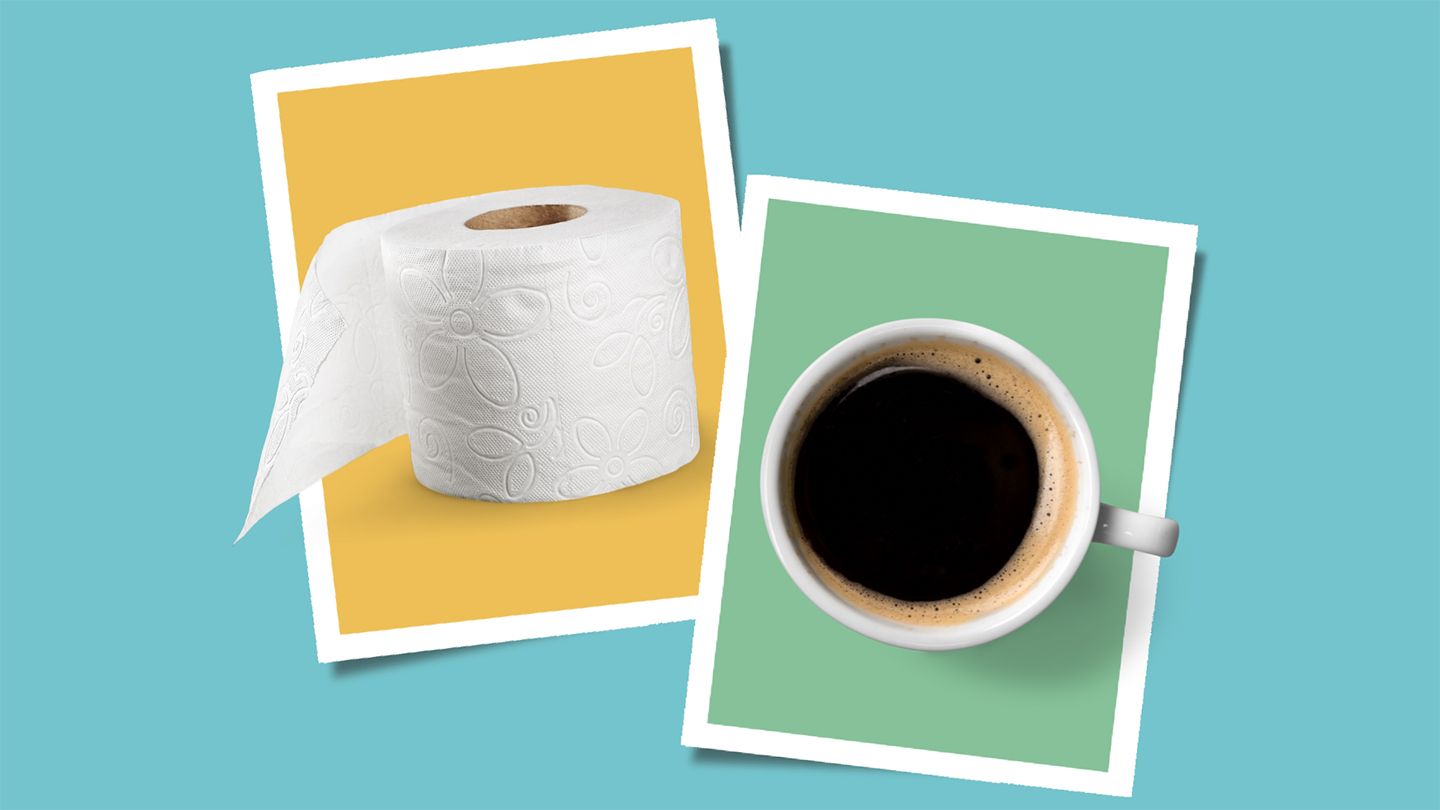
Coffee is supposed to wake up your brain, not activate an emergency evacuation protocol in your lower intestine. Yet for millions of people, the morning routine goes something like this: brew coffee, take two glorious sips, feel alive again, then suddenly walk very quickly toward the bathroom while pretending everything is normal.
If coffee makes you poop, you are not imagining it. You are also not alone, defective, cursed, or secretly part espresso machine. Coffee can stimulate the digestive system in several ways: through caffeine, natural gut reflexes, digestive hormones, stomach acid, warmth, timing, and even what you add to the cup. For some people, the effect is gentle and helpful. For others, it feels like their colon has received an urgent Slack message marked “high priority.”
This guide explains why coffee sends you running to the bathroom, when it is normal, when it may be a sign of sensitivity, and how to enjoy your cup without turning every morning into a bathroom-based obstacle course.
Why Coffee Makes You Poop: The Short Answer
Coffee can trigger bowel movements because it stimulates colon contractions, activates the gastrocolic reflex, increases digestive hormone activity, and may irritate sensitive stomachs or intestines. Caffeine plays a major role, but it is not the whole story. Even decaf coffee can make some people poop, which proves this drama is more complicated than “blame the caffeine.”
The effect can happen within minutes for some people, especially in the morning. That is when the digestive system is naturally more active after a night of fasting and sleep. Add a hot cup of coffee to that already-awake gut, and your colon may decide it is time for a staff meeting.
The Gastrocolic Reflex: Your Gut’s Morning Alarm Bell
The gastrocolic reflex is one of the biggest reasons coffee can send you to the bathroom. This reflex is a normal response that happens when food or drink enters the stomach. Your stomach stretches, your digestive system gets the message, and your colon begins moving stool forward to make room for what is coming in.
Think of it like a restaurant host clearing a table when new guests arrive. Your digestive tract says, “Incoming breakfast? Great. Let’s move yesterday’s leftovers along.”
Coffee is especially good at amplifying this reflex. Many people drink coffee first thing in the morning, right when the colon is already more likely to be active. That timing matters. A cup of coffee at 7 a.m. may have a stronger bathroom effect than the same cup at 3 p.m., partly because your gut follows a daily rhythm just like your sleep cycle, appetite, and energy levels.
Caffeine Stimulates Colon Contractions
Caffeine is a natural stimulant. Most people know it can wake up the brain, sharpen alertness, and make a Monday feel slightly less illegal. But caffeine can also stimulate the muscles in the digestive tract.
When caffeine enters your system, it can increase intestinal motility, which means it helps move contents through the gut faster. In practical terms, your colon contracts more actively. Those contractions push stool toward the rectum, creating the familiar “I should probably find a bathroom soon” sensation.
This is one reason coffee may be helpful for people who occasionally feel constipated. A morning cup can gently encourage bowel movement regularity. However, for people with diarrhea, irritable bowel syndrome, anxiety-related gut sensitivity, or a naturally fast digestive system, caffeine may push things along too aggressively.
Regular Coffee vs. Decaf: Why Both Can Work
Regular coffee tends to have a stronger effect because it contains more caffeine. But decaf coffee is not completely innocent. Decaf still contains small amounts of caffeine, and it also contains acids and other bioactive compounds that may influence digestive hormones and colon activity.
That is why some people can switch to decaf and still experience a bathroom rush, although it may be milder. Coffee is not just caffeine water. It is a complex drink with hundreds of compounds, many of which interact with the digestive system in subtle ways.
Coffee May Increase Digestive Hormones
Coffee can stimulate the release of digestive hormones such as gastrin. Gastrin helps increase stomach activity and supports the digestive process. When gastrin rises, movement in the gut may also increase. In other words, coffee can press more than one digestive button at the same time.
This hormonal effect helps explain why coffee feels different from plain water. A glass of water can help digestion, hydration, and stool softness, but coffee brings extra chemical enthusiasm. It does not merely enter the room; it claps loudly, turns on the lights, and asks the colon what its goals are for the quarter.
The Warmth of Coffee Can Also Help Move Things Along
Hot drinks can stimulate digestion for some people. Warm liquids may relax the digestive tract and encourage movement, especially in the morning. This is why tea, warm water, or hot lemon water may also help some people have a bowel movement.
But coffee has a double advantage: warmth plus chemical stimulation. A hot cup of caffeinated coffee combines temperature, caffeine, acids, aroma, and morning routine into one powerful digestive signal. Iced coffee can also trigger bowel movements, but some people find hot coffee works faster.
Coffee Acidity Can Irritate Sensitive Stomachs
Coffee is naturally acidic, although acidity varies depending on bean type, roast level, brewing method, and serving style. For many people, this is not a problem. For others, coffee acidity can contribute to stomach discomfort, urgency, loose stool, heartburn, or that sour “why did I drink this on an empty stomach?” feeling.
If you notice that coffee sends you to the bathroom with cramps, burning, nausea, or diarrhea, acidity may be part of the issue. Drinking coffee with food, choosing a lower-acid coffee, trying cold brew, or reducing serving size may help. Cold brew is often perceived as smoother and less acidic, although individual reactions vary.
Milk, Cream, Sweeteners, and Add-Ins May Be the Real Culprit
Sometimes coffee gets blamed for a crime committed by the supporting cast. If your usual cup includes milk, cream, flavored syrup, sugar alcohols, whipped topping, or a suspiciously large mountain of caramel drizzle, the bathroom effect may not come from coffee alone.
Dairy and Lactose Intolerance
Many adults have some difficulty digesting lactose, the natural sugar in milk. If you are lactose intolerant, adding milk or cream to coffee can cause bloating, gas, cramps, and diarrhea. The timing may make it look like coffee is the problem, when the real issue is the dairy hitching a ride in your mug.
Sugar Alcohols and Artificial Sweeteners
Some sugar-free syrups, creamers, and sweeteners contain sugar alcohols such as sorbitol, xylitol, or erythritol. These ingredients can pull water into the intestines or ferment in the gut, causing gas and loose stool in sensitive people. Your “skinny vanilla latte” may be less innocent than it looks.
High-Fat Creamers
Heavy cream, butter coffee, and rich creamers can also speed up digestion in some people. Fat stimulates digestive activity, and for those with sensitive guts, a high-fat coffee drink can become a fast-track ticket to the restroom.
Why Coffee Affects Some People More Than Others
Not everyone poops after coffee. Some people drink three cups and feel nothing but ambition. Others take one sip and start mapping bathroom locations like a survival expert. The difference comes down to biology, habit, sensitivity, and gut health.
1. Caffeine Sensitivity
People metabolize caffeine at different speeds. Some clear it quickly and tolerate it well. Others feel jittery, anxious, sweaty, or urgently digestive after a modest amount. If caffeine makes your hands shake and your gut sprint, your body may simply be more sensitive to it.
2. IBS and Functional Gut Disorders
People with irritable bowel syndrome, especially diarrhea-predominant IBS, may find that coffee worsens urgency, cramps, or loose stools. Coffee does not cause IBS by itself, but it can act as a trigger. The gut-brain connection is already more reactive in IBS, and caffeine may turn up the volume.
3. Anxiety and Stress
Caffeine can increase alertness, but it can also intensify anxiety in sensitive people. Stress and anxiety can affect the gut through the nervous system. Combine caffeine with a stressful morning commute, a full inbox, and no breakfast, and the digestive system may join the chaos.
4. Habit and Tolerance
Daily coffee drinkers may develop some tolerance to caffeine’s stimulating effects. Occasional coffee drinkers may feel the bathroom effect more strongly because their bodies are less used to it. This is also why cutting back suddenly or increasing your intake quickly can change your bathroom routine.
5. Empty Stomach Drinking
Coffee on an empty stomach can feel harsher for some people. Without food to buffer acidity and slow absorption, caffeine may hit faster. If black coffee before breakfast causes urgency or discomfort, try drinking it after eating or alongside a balanced meal.
Is It Normal to Poop After Coffee?
Yes, it can be completely normal. If coffee leads to a comfortable bowel movement without pain, diarrhea, or panic, it is usually just your digestive system responding to a stimulant. Many people even use coffee as part of a regular morning routine.
However, “normal” should not mean “miserable.” If coffee causes severe cramps, repeated diarrhea, dehydration, nausea, blood in stool, unexplained weight loss, or bathroom urgency that disrupts daily life, it is worth talking with a healthcare professional. Coffee may be revealing an underlying sensitivity or digestive condition rather than being the only problem.
How Fast Can Coffee Make You Poop?
For some people, the urge can arrive within minutes. For others, it may take 30 to 60 minutes or longer. The speed depends on what is already in the colon, how sensitive your gut is, whether you drank coffee with food, how much caffeine you consumed, and what else is in the cup.
It is important to understand that coffee does not instantly travel from your mouth to your colon and become stool. Instead, it triggers nerves, hormones, and muscle contractions that move existing stool through the lower digestive tract. In plain English: coffee does not create the poop; it sends the memo.
Can Coffee Cause Diarrhea?
Coffee can contribute to diarrhea in some people, especially when consumed in large amounts or on an empty stomach. Caffeine increases gut motility, and faster movement can mean less time for the colon to absorb water from stool. The result may be loose stool or urgency.
Add-ins can make the situation worse. Dairy, artificial sweeteners, high-fat creamers, and large amounts of sugar can all irritate sensitive digestive systems. If you frequently get diarrhea after coffee, experiment carefully: reduce the serving size, switch to decaf, drink it with food, remove dairy, avoid sugar-free syrups, or try a lower-acid option.
Does Coffee Dehydrate You and Affect Bowel Movements?
Caffeine has a mild diuretic effect, meaning it can increase urination, especially in people who do not consume it regularly. However, moderate coffee intake still contributes fluid to your day. For most healthy adults, coffee is not automatically dehydrating when consumed in normal amounts.
That said, if coffee gives you diarrhea, dehydration becomes more relevant because loose stools can increase fluid loss. The solution is not complicated: drink water, especially if you are having multiple cups of coffee or experiencing digestive upset.
How Much Coffee Is Too Much?
For many healthy adults, up to about 400 milligrams of caffeine per day is commonly considered a moderate upper range. Depending on the strength and size of your coffee, that may be around two to four cups. But caffeine content varies wildly. A small home-brewed cup and a large coffee-shop drink are not the same animal.
Your personal limit may be lower if you are pregnant, breastfeeding, sensitive to caffeine, taking certain medications, managing anxiety, dealing with reflux, or living with a digestive condition. When your gut starts filing complaints, listen before it escalates to a full workplace strike.
How to Drink Coffee Without Running to the Bathroom
You do not necessarily have to break up with coffee. Sometimes you just need to renegotiate the relationship.
Try These Practical Fixes
- Drink coffee after food: A small breakfast can buffer acidity and slow the caffeine hit.
- Reduce the size: Try half a cup instead of a giant mug that could double as a soup bowl.
- Switch to half-caf: This keeps the flavor while lowering the stimulant effect.
- Test decaf: It may reduce urgency, though it can still affect digestion.
- Remove dairy: Try lactose-free milk, oat milk, almond milk, or black coffee.
- Avoid sugar alcohols: Check labels on sugar-free creamers and syrups.
- Choose cold brew or low-acid coffee: Some people find these gentler.
- Drink water too: Hydration supports healthier stool consistency.
- Do not chug it: Sip slowly and give your gut time to respond like a civilized organ.
When Coffee Might Actually Help
For people with occasional constipation, coffee may be useful as part of a regular morning routine. The combination of warm liquid, caffeine, and digestive stimulation can help encourage bowel movement. Pairing coffee with a fiber-rich breakfast, such as oatmeal, berries, whole-grain toast, or chia pudding, may support even better regularity.
Still, coffee should not be your only digestive strategy. A healthy bowel routine also depends on fiber, fluids, movement, sleep, and consistent meals. If you cannot poop without coffee or laxatives, it may be time to review your diet, hydration, medications, and overall gut health with a professional.
Common Myths About Coffee and Pooping
Myth 1: Only Caffeinated Coffee Makes You Poop
False. Caffeinated coffee often has a stronger effect, but decaf can still stimulate bowel movements in some people because coffee contains acids and other compounds that influence digestion.
Myth 2: Coffee “Goes Right Through You”
Not exactly. Coffee does not become stool within minutes. It triggers your colon to move stool that is already there. Your digestive system is quick, but it is not a teleportation device.
Myth 3: If Coffee Makes You Poop, Something Is Wrong
Not necessarily. A comfortable bowel movement after coffee can be normal. Pain, severe diarrhea, bleeding, or ongoing digestive distress is different and should not be ignored.
Myth 4: Black Coffee Is Always the Problem
Sometimes the problem is the milk, cream, sweetener, syrup, or serving size. Before blaming coffee, test the extras.
Real-Life Experiences: The Coffee-to-Bathroom Connection
The coffee bathroom effect is one of those everyday experiences people joke about because it is both funny and inconvenient. You will hear it in offices, college dorms, road trips, airports, and kitchens everywhere: “I need coffee before I can function,” followed ten minutes later by, “I need to step away for a moment.” Translation: the beans have spoken.
One common experience is the “morning countdown.” A person wakes up, pours coffee, checks messages, and barely finishes the first mug before the body announces that the digestive department is open for business. For these people, coffee is not just a beverage. It is a calendar invite from the colon. The effect is often predictable enough that they plan around it. They may drink coffee only at home, never in the car, and absolutely not five minutes before a meeting with no break scheduled.
Another familiar scenario is the “coffee shop surprise.” Someone orders a large latte before shopping, traveling, or walking through a city. Everything feels fine until the combination of espresso, dairy, and movement creates a sudden need to locate the nearest restroom. This is where people discover that not all public bathrooms are created equal, and that confidence is directly related to knowing where the restroom is.
Then there is the “black coffee experiment.” A person suspects dairy is the issue, so they try black coffee. Sometimes the urgency disappears, proving that lactose or creamer was the real troublemaker. Other times, the black coffee still works like a digestive starter pistol. That is when caffeine, acidity, or the gastrocolic reflex becomes the more likely explanation.
Some people experience coffee as helpful rather than annoying. They may struggle with slow digestion and find that one morning cup creates a reliable, comfortable routine. In that case, coffee feels less like a bathroom emergency and more like digestive housekeeping. The key difference is comfort. If the result is regular and painless, coffee may simply be part of a healthy rhythm.
Others notice that stress changes everything. On a relaxed Saturday, coffee may be no problem. On a Monday before a presentation, the same coffee may trigger cramps and urgency. That does not mean the coffee changed. It means the nervous system joined the conversation. The gut and brain are closely connected, and caffeine can make that connection louder.
Travel also changes the experience. Many people rely on coffee to “reset” digestion after flying, sleeping in a hotel, eating different foods, or sitting for long periods. Others avoid coffee while traveling because they do not want to gamble on restroom access. Both approaches make sense. Coffee can be either a helpful routine or a risky wildcard depending on the person and the situation.
The best personal strategy is observation without panic. Notice the pattern: Does coffee cause urgency only when you drink it black? Only with milk? Only on an empty stomach? Only when you drink more than one cup? Only during stressful mornings? Your gut is basically leaving clues. You do not need to quit coffee immediately; you need to understand your version of the coffee effect.
In the end, coffee sends many people running to the bathroom because it is powerful, personal, and perfectly timed with the body’s morning digestive rhythm. The goal is not to fear your cup. The goal is to make it work for you instead of against you. Coffee should help you start the day, not make you sprint through it.
Conclusion
Coffee makes you poop because it stimulates the digestive system from several angles. Caffeine increases colon activity, coffee compounds may influence digestive hormones, warm liquid can encourage movement, and the morning gastrocolic reflex makes the gut especially responsive. Add dairy, sweeteners, stress, or an empty stomach, and the bathroom effect can become even stronger.
For many people, this is normal and harmless. For others, it can signal caffeine sensitivity, lactose intolerance, IBS triggers, reflux, or a need to adjust timing and serving size. The smartest move is not necessarily quitting coffee. It is learning how your body responds and making small changes: drink it with food, reduce the amount, try half-caf, change the creamer, or switch brewing styles.
Note: This article is for educational publishing purposes and is based on established information from reputable U.S. medical, nutrition, and scientific sources. It is not a substitute for personal medical advice. Anyone with severe, persistent, or unusual digestive symptoms should consult a qualified healthcare professional.