

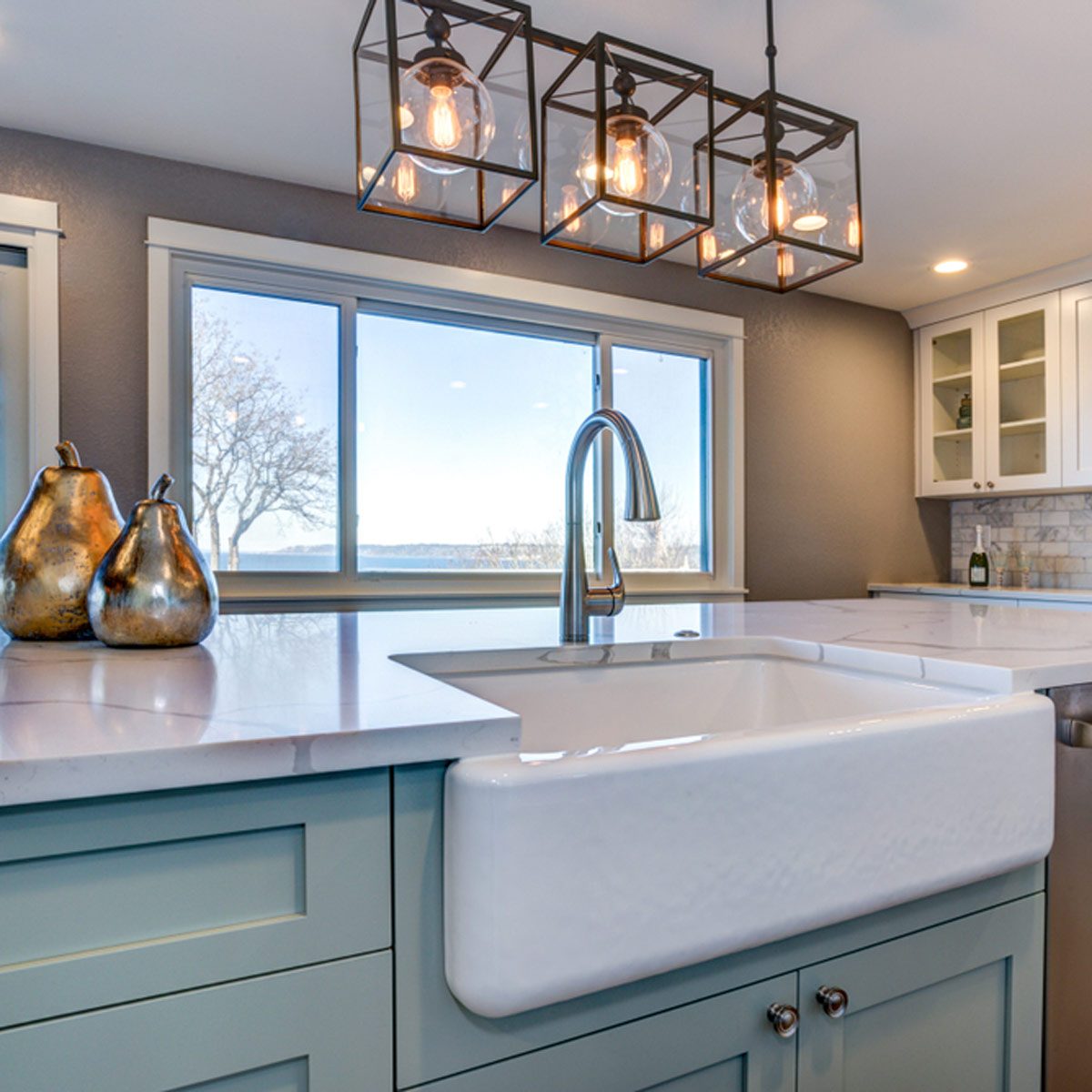
A white farmhouse sink can look charming at first glance. It is big, bright, nostalgic, and photogenic enough to make a bowl of lemons look like it has a publicist. But before you design your entire kitchen around that apron-front beauty, it is worth asking a practical question: will this trend still make sense after the first coffee stain, chipped edge, spaghetti-sauce splash, or cabinet repair bill?
The white farmhouse sink trend has been a favorite in rustic, cottage, coastal, and modern farmhouse kitchens for years. Its deep basin and exposed front create a bold focal point, and yes, it can be useful for washing big pots, sheet pans, and the occasional muddy garden harvest. But the same features that make it attractive can also make it demanding, expensive, and surprisingly hard to live with.
This does not mean every farmhouse sink is a design disaster. Some are beautiful, durable, and perfectly suited to the right home. The problem is the trend itself: the automatic assumption that a white apron-front sink is the “dream kitchen” choice. In many kitchens, it can be the opposite. It can date the room, expose every mark, complicate installation, reduce storage, and turn everyday cleanup into a tiny domestic courtroom drama.
The White Farmhouse Sink Became Popular for Good Reasons
Before we politely escort this trend out of the kitchen, let’s be fair. White farmhouse sinks became popular because they solve some real problems. The large basin makes it easier to wash oversized cookware. The apron front can reduce the need to lean over a long stretch of countertop. The look also adds instant character to builder-basic kitchens that need warmth and personality.
In photos, the white farmhouse sink is almost unbeatable. It frames the kitchen like a classic movie close-up. It pairs well with shaker cabinets, brass faucets, wood beams, subway tile, open shelving, and every other element that makes the internet whisper, “save this to your renovation board.” But kitchens are not just photo sets. They are splash zones, snack stations, homework desks, coffee labs, and the place where someone always leaves a spoon with peanut butter on it.
That is where the white farmhouse sink begins to lose its shine. The trend often prioritizes a nostalgic visual over long-term function. And when a kitchen feature is hard to replace, expensive to install, and impossible to ignore, “cute” is not enough.
1. It Can Date Your Kitchen Faster Than You Expect
The biggest reason to avoid the white farmhouse sink trend is not that the sink is ugly. It is that the look has become extremely recognizable. For years, the white apron-front sink was almost a shorthand for modern farmhouse style. Pair it with white cabinets, black hardware, subway tile, and a wood-toned island, and you have a kitchen that many buyers can identify by decade.
Trends are not bad. They make design fun. The trouble begins when a trend becomes so widely copied that it stops feeling personal. White farmhouse sinks have appeared in countless remodels, flips, catalogs, and social feeds. What once looked fresh can now feel predictable, especially in homes that do not naturally suit a farmhouse or cottage style.
Today’s kitchen design is moving toward warmer materials, layered textures, mixed finishes, and more individualized choices. Homeowners are still using white, but the most successful kitchens often balance it with wood tones, stone, handmade tile, colored cabinetry, or warmer metals. A stark white farmhouse sink can feel flat in that environment, especially if it is installed simply because it was trendy rather than because it supports the architecture of the home.
When the Sink Becomes the Whole Personality
A good kitchen should feel cohesive. The sink should support the design, not shout over it. A white farmhouse sink has a strong visual presence because the apron front is visible from across the room. In a small kitchen, that bright white block can dominate the lower cabinetry. In a sleek contemporary kitchen, it may look too traditional. In a warm transitional kitchen, it can interrupt the softer palette.
The result is a kitchen that looks less timeless and more like it was assembled from a trend checklist. And no one wants their renovation to feel like it came with a “Live, Laugh, Love” receipt.
2. White Shows Every Mark, Stain, and Water Spot
White sinks are honest. Sometimes brutally honest. Coffee, tea, red wine, tomato sauce, turmeric, berries, cast-iron pan residue, and hard-water minerals can all leave visible marks. Even when the surface is technically stain-resistant, white makes every bit of residue easier to see.
This is especially frustrating in busy kitchens. A stainless steel sink can look casually lived-in after dinner. A dark composite sink can hide minor splashes. A white farmhouse sink, however, may look like it is keeping a diary of everything you cooked that week.
Many white sinks can be cleaned with mild soap, baking soda, or manufacturer-recommended products. But “can be cleaned” is not the same as “effortless.” If you are the type of person who wipes the sink dry after every use, you may be fine. If your kitchen operates more like a small airport during breakfast, the maintenance may become annoying fast.
Metal Marks Are a Common Surprise
One of the most common complaints about white kitchen sinks is gray metal marking. Pots, pans, utensils, and baking sheets can leave streaks that look like scratches. Sometimes these are surface marks that can be removed, but they still create extra cleaning work. The sink may not be damaged, but it looks damaged, which is almost as irritating.
Bottom grids can help protect the basin, but they introduce another object to clean. Food particles, soap film, and mineral buildup can collect around the grid feet. Congratulations: your sink now has accessories with maintenance responsibilities.
3. Chips and Scratches Look More Obvious on White
Farmhouse sinks come in several materials, including fireclay, enameled cast iron, porcelain, stainless steel, copper, and composite. Some materials are extremely durable, and high-quality fireclay or enameled cast iron can last for years with proper care. But white finishes have one unforgiving quality: damage stands out.
A tiny chip on a white sink can become the kitchen equivalent of a chipped front tooth. You may be the only one who notices it at first, but once you see it, you keep seeing it. If the dark underlayer of a cast iron sink shows through, the contrast can be especially noticeable. If the glaze wears or the surface dulls, the sink may lose the crisp, polished look that made you choose it.
Heavy cookware is another issue. Dutch ovens, cast-iron skillets, and big roasting pans are exactly the kinds of items people love washing in deep farmhouse sinks. They are also the items most likely to clang against the basin. A sink designed for big jobs can still suffer from big impacts.
Repairs Are Not Always Invisible
Touch-up kits exist, and professional repair may be possible depending on the material. But repairs are not always seamless. Matching the exact shade of white can be tricky because “white” is not one color. There is cool white, warm white, creamy white, bright white, antique white, and the mysterious renovation shade known as “why does this look yellow next to my cabinets?”
If you want a low-stress kitchen, choose materials that age gracefully. Stainless steel develops a patina of fine scratches. Copper changes color over time. Certain composite sinks hide wear better. A white farmhouse sink often demands perfection to look its best, and perfection is a lot to ask from a fixture that meets dirty dishes for a living.
4. Installation Can Be Expensive and Complicated
A white farmhouse sink is not usually a quick swap. Because apron-front sinks are large, heavy, and highly visible, they often require special cabinetry, precise countertop cuts, and strong support. If you are replacing an existing standard sink, the project may involve modifying the sink base cabinet or replacing it entirely.
That can raise labor costs. Countertops may need to be cut or templated around the sink. The front apron must align neatly with the cabinets. The sink must be supported properly before plumbing is connected. A small measurement mistake can become a large and expensive headache.
Farmhouse sinks can also limit future flexibility. Once the cabinetry and countertop are customized for that sink shape, switching later to a different sink style may not be simple. If you change your mind in five years, your kitchen may respond with a bill and a sarcastic laugh.
Heavy Sinks Need Serious Support
Fireclay and cast iron sinks can be very heavy, especially in large single-basin sizes. That weight matters. The cabinet below must support the sink safely when it is empty, full of water, or loaded with cookware. In older homes or budget remodels, this can create additional carpentry needs.
This is one reason the white farmhouse sink trend is risky for quick cosmetic renovations. It looks like a style upgrade, but it behaves like a structural decision. If the rest of the kitchen is not being remodeled, the sink may be more trouble than it is worth.
5. The Deep Basin Is Not Always Comfortable
People love farmhouse sinks because they are deep. People complain about farmhouse sinks because they are deep. Both can be true.
A deep basin is useful for soaking large cookware, rinsing baking sheets, and hiding dishes when surprise guests arrive. But deep sinks can also require more bending, especially for shorter homeowners or anyone with back discomfort. Washing dishes at the bottom of a deep basin can feel like you are reaching into a well to rescue a fork.
Depth can also increase breakage. Glasses and plates have farther to fall, and hard sink surfaces are not forgiving. A dropped wine glass in a stainless sink may survive. A dropped wine glass in a fireclay or cast iron sink may decide its earthly journey is complete.
Single-Basin Designs Are Not for Everyone
Many white farmhouse sinks feature one large basin. This layout is excellent for oversized items, but it can be inconvenient if you like separating clean and dirty dishes, washing produce on one side while soaking pans on the other, or using one basin for hand-washing delicate items.
Double-basin farmhouse sinks exist, but the divider can reduce the dramatic open space that draws people to the style in the first place. The best sink layout depends on how you cook, clean, and use your kitchen every day. A trend cannot answer that question for you.
6. It Can Reduce Under-Sink Storage
Under-sink storage is not glamorous, but it is valuable. Cleaning supplies, trash bags, dishwasher tablets, sponges, brushes, and plumbing all have to live somewhere. A large farmhouse sink can take up more vertical and horizontal cabinet space than a standard undermount or drop-in sink.
In a large kitchen with plenty of cabinetry, this may not matter. In a compact kitchen, it can be a serious trade-off. The sink may look spacious from the outside while quietly stealing storage from the inside. That is not charm. That is cabinet theft.
Garbage disposals, water filtration systems, instant hot water tanks, and pull-out organizers can all compete for space below the sink. Before choosing a farmhouse model, measure the cabinet interior carefully and plan where every functional item will go.
7. It Is Not Always the Best Choice for Resale
A white farmhouse sink can attract buyers who love cottage or modern farmhouse style. But it can also turn off buyers who prefer contemporary, transitional, or minimalist kitchens. Because the apron front is so visible, it is harder for a buyer to mentally ignore than a faucet or cabinet pull.
Resale-friendly design usually means balancing personality with flexibility. A sink that locks the kitchen into one style may narrow the room’s appeal. This is especially true if the rest of the home has a different architectural personality. A farmhouse sink in a genuine cottage can look natural. A farmhouse sink in a sleek city condo may look like it took a wrong turn at a barn.
If you plan to stay in your home for decades and love the look, resale may not matter much. But if you are renovating with future buyers in mind, a less style-specific sink may be smarter.
Better Alternatives to a White Farmhouse Sink
Avoiding the white farmhouse sink trend does not mean settling for a boring sink. It means choosing a sink that fits your kitchen’s function, style, and maintenance tolerance.
Stainless Steel Undermount Sink
Stainless steel remains popular for a reason. It is durable, versatile, easy to pair with appliances, and less visually demanding than a bright white apron-front sink. It can scratch, but those scratches often blend into the finish over time. For busy family kitchens, stainless steel is the practical friend who shows up with a mop and no drama.
Granite or Quartz Composite Sink
Composite sinks offer a modern matte look and are available in shades like black, gray, brown, and warm neutrals. These sinks can hide water spots and minor marks better than white surfaces, depending on the color and water quality in your area. They also pair well with warmer kitchen palettes and natural materials.
Workstation Sink
If function is your top priority, consider a workstation sink with integrated ledges for cutting boards, colanders, drying racks, and trays. This can be especially helpful in small kitchens where counter space is limited. Instead of choosing a sink mainly for its front-facing charm, you choose one that actively helps with prep and cleanup.
Apron-Front Sink in a Softer Finish
If you love the farmhouse shape, consider a non-white finish. Stainless, concrete-look composite, matte black, copper, or warm off-white can soften the trend and make it feel more custom. The apron-front silhouette remains, but the kitchen does not look like it was copied from every renovation board of the last decade.
When a White Farmhouse Sink Still Makes Sense
There are situations where a white farmhouse sink can still be the right choice. It works best when the home’s architecture supports it, the kitchen has enough space, and the homeowner understands the maintenance. A cottage, historic farmhouse, coastal home, or warm traditional kitchen can carry the look beautifully.
The key is intention. Do not choose a white farmhouse sink because it is trendy. Choose it because it supports your daily habits and your home’s character. Look for a high-quality material, use a protective bottom grid, follow the manufacturer’s cleaning instructions, and avoid harsh abrasives that can dull the finish.
Also, test your tolerance for visible mess. If a water spot on a white surface makes your eye twitch, this may not be your sink soulmate. If you enjoy cleaning and love the look enough to maintain it, you may be happier than someone who wants a sink that can quietly survive chaos.
Conclusion: Skip the Trend, Choose the Kitchen That Works
The white farmhouse sink trend is easy to love in photos and harder to live with in real life. It can be beautiful, but it can also be high-maintenance, expensive to install, visually dominant, and less timeless than many homeowners expect. The biggest problem is not the sink itself. The problem is choosing it automatically because it has become a symbol of the “dream kitchen.”
A better approach is to start with your habits. Do you cook with heavy pans? Do you have hard water? Do you want low maintenance? Do you need under-sink storage? Is your kitchen modern, traditional, cottage, transitional, or something wonderfully in between? Once you answer those questions, the best sink often becomes clear.
If the answer is still a white farmhouse sink, great. Buy a good one and treat it well. But if you are drawn to it only because it is familiar, trendy, or heavily featured online, pause before committing. The smartest kitchen choices are not always the most photographed. Sometimes the best sink is the one that quietly does its job, hides a few sins, and does not demand a full cabinet surgery to feel special.
Real-Life Experiences: What Homeowners Often Learn After Choosing a White Farmhouse Sink
Many homeowners start with the same dream: a bright kitchen, warm wood accents, a pretty faucet, and a white farmhouse sink sitting proudly beneath a window. The first few weeks can feel magical. The sink is roomy. The apron front looks expensive. Even rinsing lettuce feels oddly cinematic. Then real life arrives with coffee grounds, pasta night, a cast-iron skillet, and one family member who believes “soaking” means abandoning a pan until further notice.
One common experience is the surprise of daily visibility. A standard stainless sink can look a little messy without becoming the center of attention. A white farmhouse sink puts mess on display. A few coffee drips near the drain, a gray streak from a baking sheet, or a faint ring from a pot can make the whole kitchen look less clean. Homeowners who enjoy a spotless sink may not mind. Others quickly realize that the sink has become another surface to manage.
Another frequent lesson is that the deep basin changes the way you wash dishes. At first, the extra depth feels luxurious. It hides dirty plates and handles large pans. But after a long dinner cleanup, some people notice more bending and reaching than expected. Shorter users may find the bottom of the sink uncomfortable to access. Parents may discover that children cannot easily help with dishes because the basin is too deep. The sink works beautifully for big cookware but less beautifully for quick, everyday routines.
Homeowners also learn that “durable” does not mean “carefree.” A quality fireclay or enameled cast iron sink may resist many stains and scratches, but heavy impacts can still matter. Dropping a skillet, knocking a pan against the apron edge, or letting metal utensils scrape across the basin can leave marks. Even removable marks require effort. That effort may be small, but over years of daily use, small chores become part of the sink’s true cost.
Installation is another experience people often underestimate. A farmhouse sink is not just a sink; it is a design commitment. The cabinet, countertop, plumbing, and supports all need to cooperate. If the sink is part of a full remodel, that may be manageable. If it is a replacement in an existing kitchen, the project can become more complicated than expected. Homeowners may need custom cabinet cuts, extra bracing, or countertop adjustments. Suddenly, the charming sink has invited a carpenter, a plumber, and a countertop fabricator to brunch.
There is also the matter of style fatigue. Some people still adore their white farmhouse sink years later. Others find that as their taste shifts toward warmer woods, stone textures, or cleaner modern lines, the sink feels too theme-specific. Because the apron front is so prominent, it is not easy to ignore. It can become the one feature that keeps the kitchen tied to a trend instead of allowing the room to evolve naturally.
The most useful lesson is simple: choose a sink based on your life, not your mood board. If your kitchen is busy, your cookware is heavy, your water is hard, or your cleaning style is relaxed, a white farmhouse sink may create more frustration than joy. If you still love the look, choose the best material you can afford, protect the basin, and accept the maintenance before installation day. A beautiful kitchen should not require you to live in fear of tomato sauce.