

Anxiety has a sneaky talent for showing up at the least convenient times: before a meeting, during a quiet Sunday night, in the middle of a grocery store aisle, or right when your brain decides that 2:13 a.m. is the perfect moment to review every awkward sentence you have ever spoken. Lovely, right?
The good news is that anxiety relief does not always require a dramatic life overhaul, a mountain retreat, or a personal guru named Sage who owns seven linen outfits. Sometimes, small tools can help your body and mind shift out of panic mode and back into “I can handle this” mode. Anxiety relief products are not magic cures, and they should never replace therapy, medical care, or professional support when anxiety interferes with daily life. But the right items can support healthy coping habits such as deep breathing, better sleep, mindfulness, journaling, exercise, and sensory grounding.
Below are 10 incredibly useful anxiety relief products that are practical, accessible, and easy to work into real life. Think of them as a calm-down toolkit: not a cure-all, but a helpful backup band when your nervous system starts playing heavy metal at full volume.
What Makes an Anxiety Relief Product Actually Useful?
A useful anxiety relief product should do at least one of three things: help calm the body, redirect attention, or support healthier routines. Anxiety often comes with racing thoughts, tense muscles, shallow breathing, poor sleep, restlessness, and sensory overload. Products that encourage slow breathing, gentle movement, relaxation, sleep hygiene, or emotional expression can make coping feel more manageable.
That said, a product should not promise to “erase anxiety forever.” If it does, please imagine a tiny red flag waving in the background. Real anxiety support is usually a combination of daily habits, professional guidance when needed, and tools that help you practice those habits more consistently.
10 Incredibly Useful Anxiety Relief Products
1. Weighted Blanket
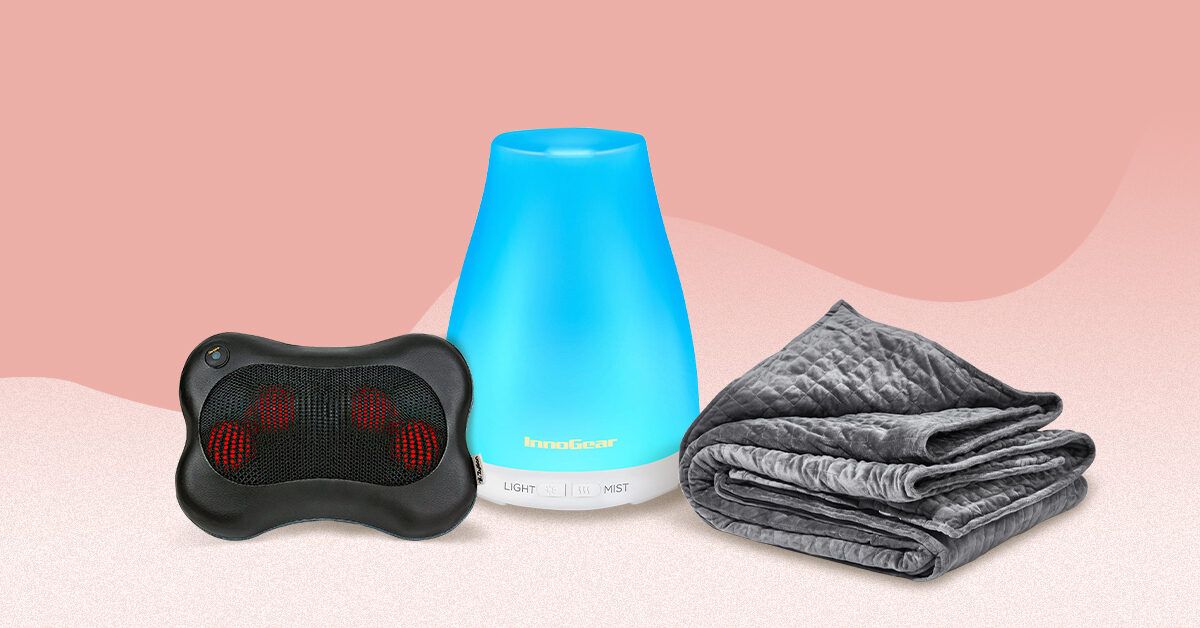
A weighted blanket is one of the most popular anxiety relief products for a reason: it offers gentle, even pressure that many people find calming. The sensation is often compared to a firm hug, minus the small talk. This type of pressure may help the body feel more settled, especially during nighttime stress or restless evenings.
Weighted blankets are often used as part of a sleep-friendly routine. Since anxiety and poor sleep love to travel as a duo, improving bedtime comfort can be a meaningful step. A common guideline is choosing a blanket around 10% of your body weight, though comfort and safety matter more than any strict formula. People with breathing problems, mobility limitations, circulation issues, or certain medical conditions should ask a healthcare professional before using one.
Best for: bedtime anxiety, restless evenings, people who enjoy deep pressure, and anyone who wants their couch to feel like a supportive cloud with boundaries.
2. Breathing Exercise Tool or Visual Breathing Timer
When anxiety hits, breathing often becomes fast and shallow. Unfortunately, your body may interpret this as “danger incoming,” even if the danger is only an email subject line that says “quick question.” A breathing exercise tool, breathing necklace, visual timer, or simple guided breathing app can help slow the pace.
Products in this category work by giving your attention something steady to follow. Some people like a small handheld breathing device, while others prefer a phone timer, animated breathing circle, or printed breathing card. Box breathing, belly breathing, and slow exhale practices are common techniques. The key is not perfection; it is giving the nervous system a rhythm to borrow until it remembers how to chill.
Best for: sudden stress, pre-presentation nerves, panic-like feelings, and moments when your brain is running 47 tabs at once.
3. Meditation or Mindfulness App
A meditation app can be a pocket-sized calm coach. Guided meditation, body scans, mindfulness exercises, and sleep stories can help users practice paying attention to the present moment instead of getting dragged into the mental swamp of “what if.”
Mindfulness is not about emptying your mind. If that were required, most of us would fail before the opening bell. It is more about noticing thoughts without treating every single one like breaking news. A good app can offer short practices for beginners, longer sessions for regular users, and structured programs for stress, sleep, or focus.
Look for apps with clear privacy policies, qualified instructors, and realistic claims. Bonus points if the app lets you download sessions for offline use, because anxiety does not always wait for perfect Wi-Fi.
Best for: beginners, busy people, bedtime routines, and anyone who needs a calm voice saying, “Return to the breath,” instead of, “Have you tried worrying harder?”
4. Noise-Canceling Headphones or Calming Earplugs
Noise can turn everyday stress into a full orchestra of irritation. For people who feel overwhelmed by traffic, chatter, construction, loud classrooms, open offices, or household chaos, noise-canceling headphones or high-quality earplugs can be a small miracle.
These products do not “treat” anxiety directly, but they can reduce sensory overload. That matters because overstimulation can make anxious thoughts louder. Headphones can also support relaxation when paired with calming music, guided meditation, nature sounds, or white noise. Earplugs are more discreet and portable, making them useful for commutes, studying, travel, or crowded events.
Best for: sensory-sensitive people, students, commuters, remote workers, travelers, and anyone whose nervous system files leaf blowers under “personal attack.”
5. White Noise Machine or Sleep Sound Device
A white noise machine can help create a more consistent sound environment. For anxious sleepers, silence is not always peaceful; sometimes it becomes a stage where every tiny creak performs a solo. White noise, fan sounds, rain sounds, or gentle nature audio can mask sudden noises and make a room feel more predictable.
Sleep is a major part of emotional regulation. When you are exhausted, even small problems can look like villains with theme music. A sound machine can be especially helpful for people who live near traffic, share a home, work unusual hours, or wake easily.
Choose a device with adjustable volume, non-looping sounds if possible, and a timer. Keep the volume at a comfortable level rather than blasting it like a tiny thunderstorm concert.
Best for: light sleepers, bedtime overthinkers, apartment dwellers, and people who need their room to stop sounding like a haunted documentary.
6. Guided Journal or Worry Notebook
A guided journal is one of the simplest anxiety relief products, but do not underestimate paper. Paper has seen things. Writing down thoughts can help you organize worries, name emotions, track triggers, and separate real problems from anxiety’s dramatic fan fiction.
A worry notebook can be used in several ways. You might write a quick brain dump before bed, list what is inside and outside your control, track anxiety patterns, or answer prompts such as “What do I need right now?” and “What is one small next step?” Guided journals are helpful because they remove the pressure of staring at a blank page like it owes you money.
For best results, keep it low-pressure. This is not a writing contest. Grammar can go take a nap. The goal is emotional clarity, not a Pulitzer Prize for Panic Management.
Best for: overthinking, bedtime rumination, emotional processing, and people who need a place to park their thoughts before the thoughts park on them.
7. Fidget Toy, Stress Ball, or Anxiety Ring
Fidget tools can provide tactile input that helps some people self-regulate. A stress ball, textured stone, fidget cube, spinner ring, putty, or discreet desk toy can give restless hands something to do while the mind works through tension.
These products are especially useful during waiting periods, phone calls, study sessions, or stressful conversations. The goal is not to distract yourself into another dimension. It is to create a small physical anchor, something steady and repetitive that helps bring attention back to the present.
Choose a fidget product that fits the setting. A silent anxiety ring may be better for class or meetings, while a squishy stress ball may be perfect for home. Avoid anything noisy enough to make everyone nearby develop a new anxiety.
Best for: restless hands, nervous energy, focus support, and people who need a tiny object to absorb the emotional chaos.
8. Aromatherapy Diffuser or Lavender Sachet
Scent can be a powerful cue. A familiar calming smell can remind the brain that it is time to slow down. Aromatherapy diffusers, lavender sachets, roll-ons, or scented eye pillows are popular because they pair sensory comfort with routine.
The evidence for aromatherapy is mixed, so it is best viewed as a supportive comfort tool rather than a medical treatment. Some people find lavender or citrus scents soothing; others get headaches or coughing from strong fragrances. Start lightly, avoid applying essential oils directly to skin unless properly diluted, keep oils away from children and pets, and do not ingest essential oils.
Aromatherapy works best when paired with another calming habit, such as stretching, journaling, breathing, or bedtime reading. Basically, let the scent be the background music, not the entire concert.
Best for: bedtime routines, relaxation rituals, bath time, and people who want their room to smell less like laundry panic.
9. Yoga Mat, Stretching Strap, or Foam Roller
Anxiety does not only live in thoughts. It often moves into the shoulders, jaw, chest, stomach, and back like an unwanted roommate who never does dishes. Gentle movement products such as a yoga mat, stretching strap, foam roller, or massage ball can help release physical tension.
Yoga, stretching, tai chi, walking, and other mindful movement practices can support stress management. You do not need to become a human pretzel. Even five to ten minutes of slow stretching can help you reconnect with your body and notice where tension has been hiding.
A yoga mat also creates a visible “calm zone.” Roll it out, and your brain gets a cue: this is where we breathe, stretch, and stop arguing with imaginary future problems.
Best for: muscle tension, work-from-home stiffness, anxious energy, and anyone whose shoulders have been living next to their ears since Tuesday.
10. Calming Music Playlist Device or Small Bluetooth Speaker
Music can influence mood, pace, and emotional state. A small Bluetooth speaker, simple playlist device, or comfortable headphones can help turn music into a reliable anxiety relief ritual. Slow instrumental music, nature sounds, acoustic tracks, or personally meaningful songs can help many people unwind.
There is a difference between clinical music therapy and everyday therapeutic listening. Music therapy is guided by a trained professional with specific goals. But listening to calming music on your own can still be a useful relaxation tool. The trick is to listen intentionally. Put the phone down, breathe with the rhythm, and let the music become the thing you are doingnot background noise while you continue doom-scrolling like it is an Olympic sport.
Best for: evening relaxation, emotional reset breaks, gentle focus, and people who process feelings better through sound than silence.
How to Build a Practical Anxiety Relief Kit
You do not need every product on this list. In fact, buying 10 anxiety products in one afternoon may create a new problem called “Where did my money go?” Start with one or two tools that match your most common anxiety pattern.
If Anxiety Shows Up in Your Body
Choose a weighted blanket, yoga mat, foam roller, breathing timer, or stress ball. These products focus on physical calming through pressure, movement, breath, or touch.
If Anxiety Shows Up at Night
Try a white noise machine, guided journal, meditation app, lavender sachet, or weighted blanket. A consistent bedtime routine can teach your brain that the day is officially closed for business.
If Anxiety Shows Up in Crowded or Noisy Places
Noise-canceling headphones, calming earplugs, a discreet fidget ring, or a breathing card can be helpful. Portable products are best because anxiety rarely sends a calendar invite.
If Anxiety Shows Up as Overthinking
A guided journal, meditation app, calming playlist, or visual breathing tool may help slow the thought spiral. The goal is not to win an argument with every anxious thought. The goal is to step back and decide which thoughts deserve your attention.
What to Avoid When Shopping for Anxiety Relief Products
Be careful with products that make extreme promises. Anything claiming to cure anxiety instantly should be treated with healthy skepticism. Anxiety is complex, and effective care may include therapy, lifestyle changes, support systems, and sometimes medication prescribed by a professional.
Also be cautious with supplements, ingestible products, and strong essential oils, especially if you take medication, have allergies, are pregnant, have asthma, or are shopping for a child or teenager. “Natural” does not always mean “risk-free.” A cactus is natural, and nobody wants that in their tea.
Finally, avoid building a coping routine that depends entirely on buying things. The most useful product is the one that helps you practice a skill: breathing, sleeping, moving, reflecting, grounding, or asking for support.
of Real-Life Experience: What These Products Feel Like in Everyday Anxiety
The most helpful anxiety relief products are usually not the flashiest ones. In real life, anxiety support is less like a dramatic movie transformation and more like slowly assembling a drawer of tiny rescue tools. A stress ball in a backpack. A journal beside the bed. Earplugs in the pocket of a jacket. A breathing app that gets opened only after three minutes of pretending everything is fine. Glamorous? Not exactly. Useful? Absolutely.
Many people discover that anxiety relief is personal through trial and error. For example, a weighted blanket may feel heavenly to one person and too heavy to another. A lavender diffuser may turn one bedroom into a spa and give someone else a headache worthy of a dramatic fainting couch. A meditation app may feel calming on Monday and annoying on Thursday. That does not mean the product failed. It means your nervous system has preferences, and apparently it did not hire a public relations team to explain them clearly.
One of the most relatable experiences is nighttime anxiety. The day ends, the room gets quiet, and suddenly the brain opens a committee meeting about everything that could possibly go wrong. This is where a small routine can help. A person might write three worries in a journal, turn on a white noise machine, dim the lights, and use a guided body scan. None of these steps is dramatic. Nobody bursts into applause. But after a week or two, the routine can start to feel like a signal: we are safe enough to rest now.
Another common experience happens during work or school stress. Your chest tightens, your focus slips, and your hands need something to do. A fidget ring or stress ball can help channel that restless energy without making the situation worse. It gives the body a task while the mind stays present. This is especially helpful during phone calls, waiting rooms, or meetings where standing up and yelling “My nervous system has left the building!” would be socially memorable but probably not ideal.
Sensory tools can also be surprisingly powerful. Noise-canceling headphones or calming earplugs can make a crowded commute, noisy office, or busy home feel more manageable. For someone who gets anxious from overstimulation, reducing noise is not being dramatic; it is basic maintenance. People charge their phones before the battery dies. Nervous systems deserve the same courtesy.
Movement-based products create a different kind of relief. A yoga mat, foam roller, or stretching strap reminds people that anxiety is physical too. After a tense day, stretching the shoulders or rolling out the back can feel like telling the body, “You do not have to keep bracing for impact.” Even a short walk with calming music can reset the mood. It may not solve the original problem, but it can make the problem feel less like a dragon and more like an email that needs a sensible reply.
The biggest lesson from using anxiety relief products is that they work best when they become habits. A journal helps more when it is used regularly. Breathing tools help more when practiced before anxiety peaks. Meditation apps feel less awkward after repetition. Calming music works better when you actually listen instead of scrolling through stressful news while a flute plays bravely in the background.
In other words, the product is not the hero. You are the hero. The product is the sidekick with decent timing.
Final Thoughts: Small Tools Can Create Big Breathing Room
Anxiety relief products are not a replacement for therapy, medical care, or trusted support, especially when anxiety is intense, persistent, or interfering with school, work, sleep, relationships, or daily responsibilities. But the right tools can make healthy coping easier to practice. They can help you slow your breathing, soften muscle tension, improve sleep, reduce sensory overload, and get worries out of your head and onto paper.
Start small. Choose one product that matches your biggest anxiety pattern. Use it consistently. Notice what helps. Adjust without judging yourself. Anxiety may be loud, but with the right routines and tools, you can lower the volume one practical step at a time.