

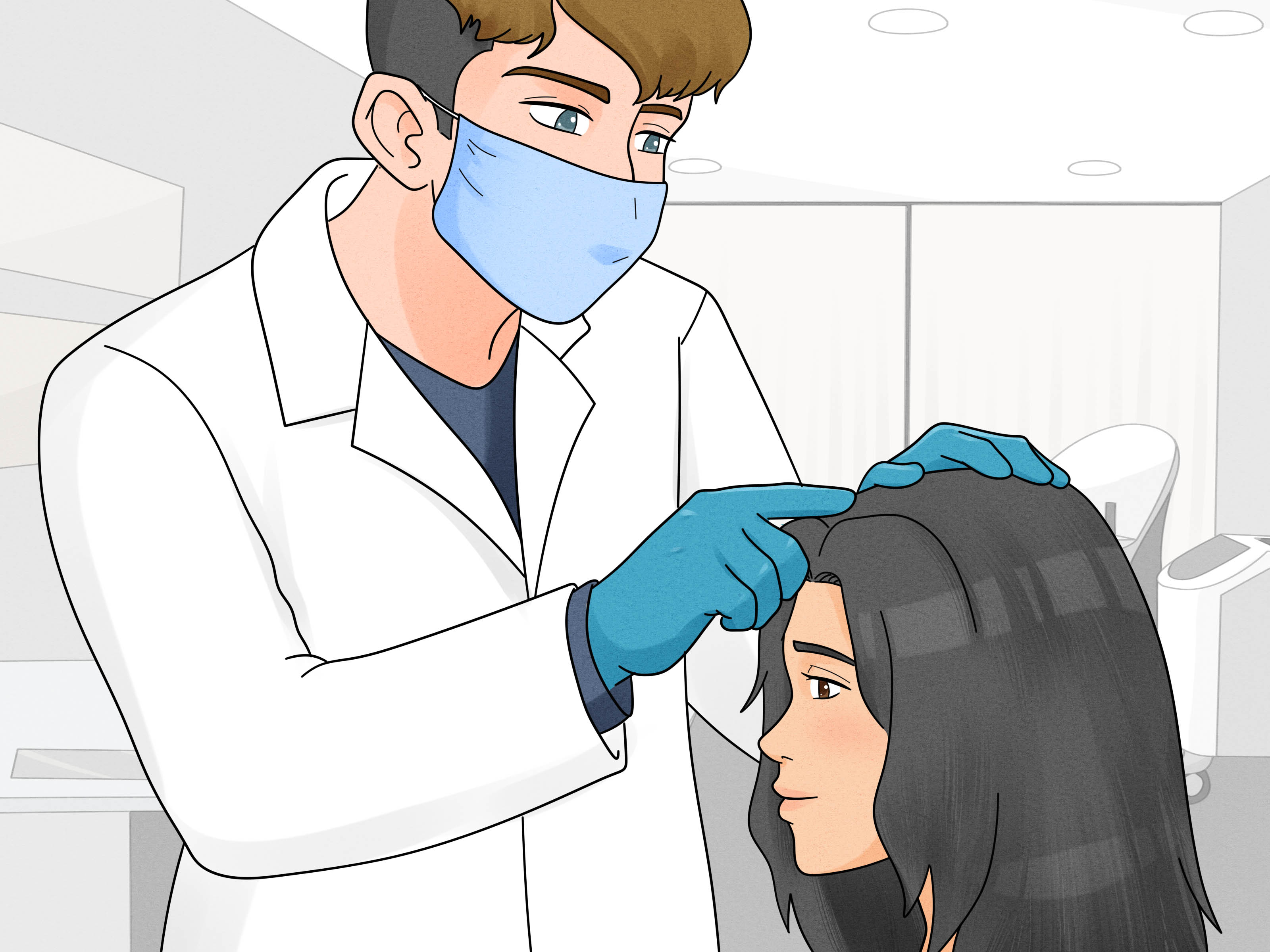
Dry hair and a dry scalp are a little like that one houseplant you forgot to water: dramatic, crunchy, and suddenly making everything around it look suspicious. One day your hair is behaving. The next, your ends feel like straw, your scalp feels tight, and tiny flakes are staging a snowstorm on your black T-shirt. The good news? In many cases, dry hair and dry scalp can improve with a smarter routine, gentler products, and a little patience.
Before we start blaming the weather, your shampoo, your blow-dryer, or your pillowcase with the full energy of a courtroom drama, it helps to understand what is happening. Dry hair usually means the hair shaft is not holding enough moisture or protective oil. Dry scalp means the skin on your scalp is lacking moisture, irritated, or reacting to products, weather, overwashing, medical conditions, or buildup. Sometimes the problem is simple dryness. Other times, what looks like dry scalp may actually be dandruff, seborrheic dermatitis, eczema, psoriasis, or another scalp condition.
This guide breaks down 10 practical, dermatologist-informed ways to get rid of dry hair and dry scalp without turning your bathroom into a chemistry lab. You will learn how to wash smarter, moisturize better, choose the right ingredients, prevent flakes, protect your strands, and know when it is time to call a dermatologist.
What Causes Dry Hair and Dry Scalp?
Dry hair and dry scalp can come from several everyday habits and environmental factors. Cold air, indoor heating, hot showers, frequent washing, harsh shampoos, chemical treatments, heat styling, chlorine, sun exposure, hard water, and product buildup can all make hair feel rough and the scalp feel uncomfortable. Curly, coily, textured, thick, color-treated, or chemically processed hair may be more prone to dryness because natural scalp oils do not always travel easily from the roots to the ends.
Dry scalp can also be confused with dandruff. A dry scalp often feels tight and may shed small, dry flakes. Dandruff and seborrheic dermatitis may cause itchiness, visible flakes, redness, and sometimes greasy or yellowish scaling. That difference matters because moisturizing alone may help a dry scalp, while dandruff often needs an anti-dandruff shampoo with active ingredients such as zinc pyrithione, selenium sulfide, ketoconazole, salicylic acid, sulfur, or coal tar.
10 Ways to Get Rid of Dry Hair and Dry Scalp
1. Wash Your Hair Based on Your Scalp, Not a Random Internet Schedule
There is no universal shampoo schedule that works for every head. Some people need to wash daily because their scalp gets oily quickly. Others, especially people with dry, curly, coily, thick, or textured hair, may need to shampoo less often. The key is to watch your scalp, not someone else’s routine.
If your scalp feels greasy, itchy, or flaky from buildup, you may need to wash more often. If your hair feels brittle and your scalp feels tight after every wash, you may be washing too frequently or using products that are too harsh. For dry hair, start by spacing out wash days slightly and pay attention to how your scalp responds. You want clean, comfortable skin without stripping your hair into a hay bale.
When shampooing, focus the product on your scalp rather than scrubbing the full length of your hair. Shampoo is meant to cleanse the scalp and remove oil, sweat, dead skin, and product buildup. The suds that rinse through the ends are usually enough to clean the hair shaft. Your ends do not need a full soap opera every time.
2. Switch to a Gentle, Moisturizing Shampoo
If your shampoo leaves your hair squeaky-clean, that squeak may not be a compliment. Hair that feels too squeaky after washing can be a sign that too much natural oil has been removed. For dry hair and dry scalp, look for a gentle, moisturizing shampoo designed for hydration, sensitive scalp, curls, color-treated hair, or damaged hair.
Helpful ingredients may include glycerin, aloe vera, panthenol, hyaluronic acid, ceramides, oat extract, shea butter, or nourishing plant oils in balanced formulas. If your scalp is sensitive, fragrance-free or low-fragrance options may be better. Avoid using clarifying shampoos every wash unless your stylist or dermatologist recommends it, because frequent deep cleansing can worsen dryness.
A good shampoo should leave your scalp clean and your hair manageable, not stiff, tangled, or desperate for a rescue mission. If you try a new shampoo, give it several washes before judging it, unless it causes burning, rash, swelling, or obvious irritation. In that case, stop using it and consider professional advice.
3. Use Conditioner Every Time You Shampoo
Conditioner is not an optional luxury for dry hair. It is one of the easiest ways to reduce roughness, tangles, breakage, frizz, and that “my hair has filed a formal complaint” feeling. Conditioner coats the hair strands, improves slip, and helps the hair feel softer and easier to manage.
If your hair is fine or straight, apply conditioner mainly from mid-length to ends so your roots do not look flat or greasy. If your hair is dry, curly, coily, thick, or textured, you may benefit from applying conditioner more generously through the length of the hair. Let it sit for a few minutes before rinsing, especially if your hair is thirsty.
Once or twice a week, consider using a deeper conditioning treatment or hair mask. Look for formulas that say moisturizing, repairing, strengthening, or hydrating. However, do not overdo heavy protein treatments if your hair feels stiff or brittle afterward. Hair care is about balance: moisture for softness, protein for strength, and common sense for not buying twelve masks because one influencer had shiny lighting.
4. Add a Leave-In Conditioner or Scalp-Friendly Moisturizer
Leave-in conditioner can help dry hair stay smoother between wash days. Apply a small amount to damp hair, concentrating on the mid-lengths and ends. Thick, curly, or coily hair may need more product, while fine hair usually needs less. Start small; you can always add more, but removing too much product usually requires a wash and a sigh.
For dry scalp, a lightweight scalp serum or scalp moisturizer may help if the issue is true dryness rather than dandruff or a medical condition. Look for soothing ingredients such as aloe, glycerin, hyaluronic acid, niacinamide, or ceramides. Avoid applying heavy oils directly to the scalp if they make itching, greasiness, or flakes worse.
If you use oils, keep them light and limited. Coconut oil, argan oil, jojoba oil, and sunflower oil are commonly used in hair care, but not every scalp loves oil. Patch test first, avoid undiluted essential oils, and stop if you notice irritation. Essential oils may smell like a spa vacation, but your scalp does not care about the vibes if it is inflamed.
5. Turn Down the Water Temperature
Hot showers feel amazing, especially when the weather is cold, but very hot water can strip oils from the scalp and hair. If your scalp already feels dry or itchy, high heat can make it feel tighter and more irritated. Wash with lukewarm water instead, and rinse conditioner with cool or mildly warm water if that feels comfortable.
You do not need to suffer through an ice bath for your hair. The goal is simply to avoid steaming your scalp like a vegetable. A gentler water temperature helps preserve the scalp’s natural barrier and keeps the hair cuticle from feeling rougher than necessary.
After washing, avoid aggressively rubbing your hair with a towel. Wet hair is more fragile, and rough towel-drying can lead to breakage and frizz. Instead, gently squeeze out water with a soft towel or cotton T-shirt. If you detangle wet hair, use a wide-tooth comb and start at the ends, slowly working upward.
6. Treat Dandruff Differently From Dry Scalp
This is one of the most important steps: do not treat every flake like it is simple dryness. Dandruff is common, and it can happen even when the scalp is oily. If your flakes are persistent, your scalp is itchy, or the scaling looks greasy, yellowish, red, or inflamed, a moisturizing routine alone may not solve it.
Anti-dandruff shampoos can help when flakes are caused by dandruff or seborrheic dermatitis. Common active ingredients include zinc pyrithione, selenium sulfide, ketoconazole, salicylic acid, sulfur, and coal tar. These ingredients work in different ways, such as reducing yeast, calming scaling, or helping loosen flakes.
Use medicated shampoo exactly as the label directs. Many dandruff shampoos need to sit on the scalp for several minutes before rinsing. Apply them to the scalp, not the full length of dry hair, because some medicated formulas can make strands feel drier. If you have curly, coily, or very dry hair, you may want to apply the medicated shampoo only to the scalp and use a moisturizing shampoo or conditioner on the rest of the hair.
7. Clarify Buildup, But Do Not Declare War on Your Scalp
Dry scalp can sometimes be made worse by product buildup. Styling creams, dry shampoo, hairspray, oils, gels, and heavy conditioners can accumulate on the scalp and trap flakes, sweat, and debris. Dry shampoo is useful in a pinch, but it does not actually clean your scalp. It absorbs oil; it does not replace shampoo and water.
If your roots feel coated, itchy, dull, or weighed down, use a gentle clarifying shampoo occasionally. For many people, once every two to four weeks is enough. If your hair is very dry, color-treated, curly, or damaged, clarify less often and follow with a rich conditioner or mask.
Scalp scrubs can feel satisfying, but be careful. Scrubbing too hard can irritate the scalp and worsen flakes. If you exfoliate, choose a gentle product and use light pressure. Your scalp is skin, not a kitchen pan. It should not need aggressive scouring to look clean.
8. Protect Your Hair From Heat Styling
Blow-dryers, flat irons, curling irons, and hot brushes can make dry hair worse when used too often or at high temperatures. Heat weakens the hair cuticle, removes moisture, and may lead to split ends and breakage. If your hair already feels dry, reduce heat styling while you repair your routine.
When you do use heat, apply a heat protectant first. Use the lowest effective temperature, keep tools moving, and avoid pressing hot tools over the same section repeatedly. Let hair air-dry partway before blow-drying to reduce exposure time. A microfiber towel or soft T-shirt can help absorb water gently before styling.
Protective hairstyles can also help, as long as they are not too tight. Loose braids, buns, twists, or satin scrunchies can reduce friction. At night, a satin or silk pillowcase, bonnet, or scarf may help dry hair retain moisture and reduce tangles. Your hair deserves a comfortable bedtime too.
9. Pause Harsh Chemical Treatments Until Your Hair Recovers
Bleach, permanent color, relaxers, perms, and frequent chemical services can leave hair more porous and prone to dryness. If your hair feels brittle, gummy, rough, or breaks easily, it may need a break from chemical processing. Stretching time between touch-ups can help reduce damage, especially during dry winter months or in low-humidity climates.
If you color your hair, ask your stylist about gentler options, bond-building treatments, glosses, demi-permanent color, or spacing appointments farther apart. At home, use color-safe moisturizing shampoo and conditioner. Deep conditioning once a week can help improve softness, although it cannot fully reverse severe chemical damage.
Think of damaged hair like a sweater with tiny snags. You can smooth it, protect it, and make it look better, but yanking on it with more chemicals every weekend will not help. Give your hair time to recover, and trim split ends when needed so damage does not travel farther up the strand.
10. Support Your Scalp From the Inside and Know When to Get Help
Hair and scalp health are affected by your overall health. Hydration, balanced meals, enough protein, healthy fats, sleep, and stress management all matter. Dry hair is not always caused by diet, but restrictive eating, dehydration, illness, and nutrient deficiencies can affect hair quality over time.
Try to eat a balanced diet with protein sources, fruits, vegetables, whole grains, and healthy fats. Drink water regularly, especially if you are active or live in a hot climate. Manage stress where possible, because stress can worsen some scalp conditions and trigger scratching, picking, or flare-ups.
See a dermatologist or healthcare professional if your scalp is very itchy, painful, red, swollen, bleeding, crusted, oozing, or not improving after several weeks of gentle care. Also get help if you notice sudden hair loss, bald patches, thick plaques, signs of infection, or flakes that keep coming back despite anti-dandruff shampoo. Dry scalp is common, but persistent scalp problems deserve real medical attention, not just another product haul.
Best Ingredients for Dry Hair and Dry Scalp
Choosing the right ingredients can make your routine more effective. For dry hair, look for moisturizing and smoothing ingredients such as glycerin, panthenol, aloe vera, shea butter, argan oil, coconut oil, jojoba oil, sunflower oil, ceramides, and silicones such as dimethicone. Silicones are not automatically “bad”; they can reduce friction, add shine, and protect dry strands when used in a balanced routine.
For dry scalp, look for soothing and barrier-supporting ingredients such as aloe, oat, niacinamide, hyaluronic acid, glycerin, ceramides, and fragrance-free moisturizers. For dandruff-like flakes, look for medicated ingredients such as ketoconazole, selenium sulfide, zinc pyrithione, salicylic acid, sulfur, or coal tar.
Avoid assuming that natural always means gentle. Lemon juice, baking soda, undiluted apple cider vinegar, and essential oils can irritate the scalp. Your scalp has a protective barrier and a natural pH. Treat it kindly. It is not asking to be marinated.
A Simple Weekly Routine for Dry Hair and Dry Scalp
If you feel overwhelmed, start with a simple routine instead of buying a shelf full of products. On wash day, use a gentle moisturizing shampoo on the scalp. Rinse well, then apply conditioner from mid-lengths to ends, or throughout the hair if it is very dry or curly. Detangle with a wide-tooth comb while the conditioner is in your hair. Rinse, gently squeeze out water, and apply a small amount of leave-in conditioner to damp hair.
Once a week, use a deep conditioner or moisturizing mask. If you have dandruff, use an anti-dandruff shampoo according to the label directions, and follow with conditioner. If you use lots of styling products, clarify occasionally, but avoid clarifying too often. Limit heat styling, protect hair at night, and keep your scalp clean without over-cleansing.
Track your results for three to four weeks. Is your scalp less itchy? Are flakes reduced? Does your hair feel softer? Are your ends breaking less? A routine that works should make your scalp calmer and your hair easier to manage. If nothing improves, the issue may be more than dryness.
Common Mistakes That Make Dry Hair and Dry Scalp Worse
One common mistake is overwashing with harsh shampoo. Another is under-washing and letting buildup sit on the scalp for too long. Both extremes can cause problems. Dry hair needs moisture, but the scalp still needs regular cleansing. Balance is the goal.
Another mistake is applying heavy oils to flakes and assuming the problem is solved. Oil may soften dry skin temporarily, but it can also worsen greasy flakes or seborrheic dermatitis in some people. If your scalp becomes itchier or flakier after oiling, stop and reassess.
Skipping conditioner is also a classic dry-hair mistake. So is blasting wet hair with high heat, brushing aggressively, sleeping on rough fabric, and ignoring symptoms that need medical care. Your routine does not need to be fancy. It needs to be consistent, gentle, and suited to your hair type.
Personal Experience: What Actually Helps When Hair and Scalp Feel Desert-Dry
Anyone who has dealt with dry hair and dry scalp knows the emotional arc: confusion, product shopping, disappointment, more product shopping, and finally realizing that the answer is usually less dramatic than expected. The biggest lesson is that dry hair rarely improves from one miracle product. It improves from a routine that stops making the dryness worse.
One practical experience is learning to separate the scalp from the hair. The scalp may need cleansing, while the ends need moisture. Treating both the same way often causes trouble. For example, applying a heavy conditioner directly to the scalp can make roots greasy and itchy, while using a strong dandruff shampoo on the full length of the hair can make ends feel drier. A better approach is targeted care: shampoo the scalp, condition the lengths, and use medicated products only where needed.
Another real-world lesson is that water temperature matters more than people think. Hot showers are relaxing, but they can leave the scalp tight and the hair rough. Switching to lukewarm water may sound boring, but it can make a noticeable difference within a few washes. The scalp feels calmer, and conditioner seems to work better because the hair is not being stripped every time.
Deep conditioning also works best when it is consistent. A single hair mask before a big event may make hair feel softer for a day, but weekly conditioning is where the real improvement shows up. The trick is not to use the thickest mask on the shelf automatically. Fine hair may prefer a lightweight hydrating mask, while thick or coily hair may need richer creams and leave-ins. Using the wrong product can make hair either greasy or still dry, which is unfair but very on-brand for hair care.
Dry shampoo is another experience worth mentioning. It can be convenient, especially on busy mornings, but relying on it too much can create buildup. The scalp may feel dusty, itchy, and flaky even though the hair looks less oily. Washing with water and shampoo regularly is still necessary. Dry shampoo is a shortcut, not a shower in a can.
Finally, patience matters. Hair that has been bleached, heat-styled, sun-exposed, or neglected for months will not become silky in two days. It may take several weeks of gentle washing, conditioning, reduced heat, and better scalp care to see a real change. The goal is progress: fewer flakes, less itching, softer ends, less breakage, and hair that no longer sounds crunchy when you touch it. That is the quiet victory. No fireworks, no dramatic slow-motion makeover, just hair that behaves like it has rejoined society.
Conclusion
Getting rid of dry hair and dry scalp starts with understanding what your hair and scalp actually need. Wash based on your scalp type, use a gentle shampoo, condition every time, add leave-in moisture, avoid hot water, treat dandruff properly, clarify buildup carefully, reduce heat, pause harsh chemical treatments, and support your scalp with healthy daily habits.
If your symptoms are mild, these steps can make your hair softer and your scalp more comfortable. If your scalp is painful, inflamed, severely itchy, or not improving, a dermatologist can help identify whether you are dealing with dandruff, seborrheic dermatitis, eczema, psoriasis, an allergy, or another condition. Your scalp is skin, and it deserves the same respect you give your face possibly more, because it has to hold up your entire hairstyle.
Note: This article is for general educational purposes only and is not a substitute for professional medical advice, diagnosis, or treatment. If scalp irritation, flaking, or hair breakage persists, consult a licensed dermatologist or healthcare professional.