

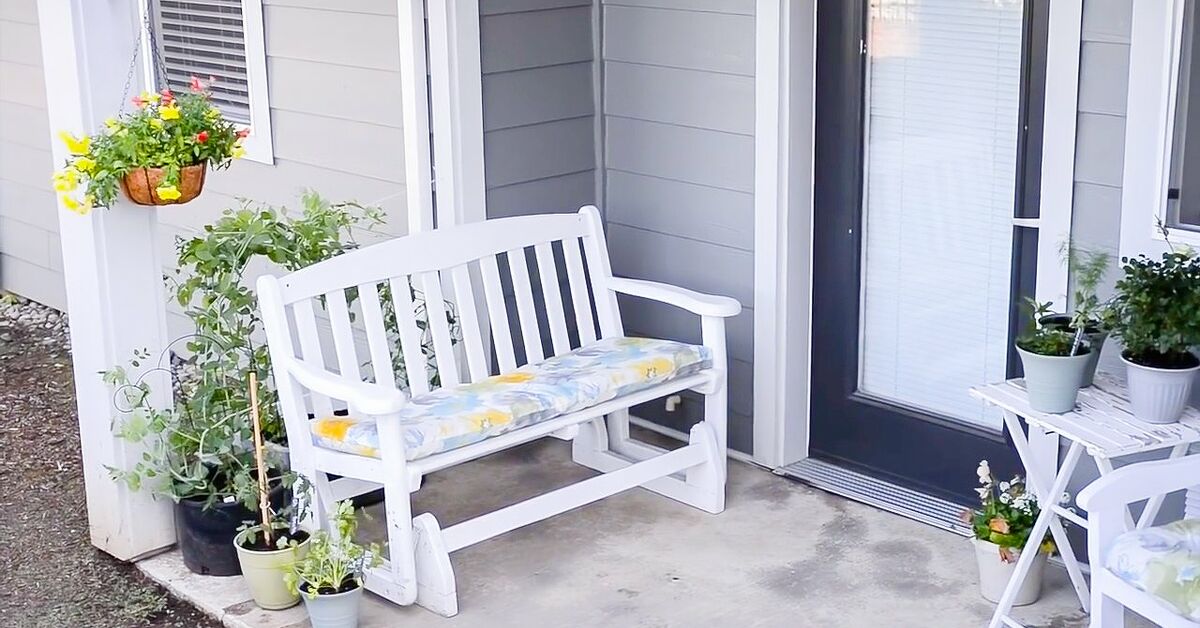
Your porch is the handshake of your home. It greets guests, charms neighbors, corrals muddy shoes, and quietly judges everyone’s Amazon packages. The good news? You do not need a luxury renovation budget to make it look warm, stylish, and intentionally designed. A smart DIY porch makeover can be done with paint, plants, lighting, thrifted furniture, clever styling, and a little weekend motivation.
Whether you have a tiny front stoop, a narrow farmhouse porch, a covered back porch, or a tired concrete entry that has seen better decades, the right low-cost updates can dramatically improve curb appeal. The secret is not buying more stuff. It is choosing the few changes that make the biggest visual difference: clean surfaces, fresh color, better lighting, comfortable seating, and greenery that looks alive on purpose.
Below are 13 DIY porch makeover ideas on a budget that are realistic, renter-friendly in many cases, and flexible for different home styles. Grab your tape measure, your favorite playlist, and maybe a snack. We are about to make your porch stop looking like a forgotten waiting room.
Why a Budget Porch Makeover Is Worth It
A porch makeover does more than make your home look pretty from the street. It creates a transition between indoors and outdoors, adds usable living space, and makes your entry feel more welcoming. Even small upgrades such as painting the front door, replacing a worn mat, cleaning railings, or adding planters can make the whole exterior feel fresher.
The best part is that many porch improvements are low-risk DIY projects. You can work in phases, reuse what you already own, and spend money only where it counts. Start with function, then add personality. A porch should look good, but it should also handle weather, foot traffic, pollen, muddy paws, and that one chair everyone fights over.
13 DIY Porch Makeover Ideas on a Budget
1. Start With a Deep Clean Before You Spend a Dollar
Before you buy paint, pillows, or a decorative lantern that may or may not become a spider condominium, clean the porch thoroughly. Sweep away leaves, cobwebs, dust, and old mulch. Wash the siding, railings, steps, windows, and floor. A clean porch instantly looks brighter, and it helps you see what truly needs fixing.
For wood floors or painted surfaces, use a gentle cleaner and a scrub brush. For concrete, brick, or stone, a pressure washer can be helpful, but use the right setting so you do not damage mortar, wood, or peeling paint. Clean the light fixture glass, wipe down the front door, and polish hardware if possible. This first step costs little but creates the foundation for every other porch makeover idea.
2. Paint the Front Door for an Instant Curb Appeal Boost
If your porch has a main character, it is the front door. A fresh coat of paint can transform the entire entry in one afternoon. Classic black, navy, deep green, brick red, warm white, and charcoal work beautifully on many homes. If your exterior is neutral, a brighter door color can add cheerful personality without repainting the whole house.
Remove or tape off hardware, clean the surface, sand lightly, prime if needed, and use an exterior paint made for doors and trim. The finish should be durable enough to handle sun, rain, hands, keys, and the occasional grocery bag collision. For a polished look, coordinate the door color with planters, cushions, shutters, or house numbers.
3. Refresh Porch Floors With Paint, Stain, or a Faux Rug
A worn porch floor can make everything else look tired. If the surface is structurally sound, paint or stain can be one of the most affordable porch upgrades. Use porch and floor paint designed for exterior, high-traffic surfaces. Preparation matters: clean thoroughly, scrape peeling areas, sand glossy spots, and let the surface dry before painting.
For concrete porches, consider masonry paint or concrete stain. For wood, choose an exterior floor product that can handle weather and foot traffic. Want the look of an outdoor rug without buying one? Use painter’s tape and stencils to create a painted rug pattern. Stripes, checkerboards, simple borders, and geometric designs can add charm for the cost of paint and patience.
If your home was built before 1978 and you plan to scrape old paint, be cautious. Older painted surfaces may contain lead-based paint, and disturbing them can create unsafe dust. In that case, testing or hiring a lead-safe professional is the smarter move. Budget DIY is great; mystery dust is not the vibe.
4. Add an Outdoor Rug to Define the Space
An outdoor rug makes a porch feel like a real outdoor room. It anchors furniture, adds color, hides imperfect flooring, and softens hard surfaces. Look for weather-resistant materials such as polypropylene or polyester, low-pile construction, and quick-drying designs. A rug that traps moisture can invite mildew, so choose one that suits your climate and porch exposure.
Size matters. A tiny rug floating under a chair can look awkward, while a larger rug can visually connect seating, planters, and the front door. On a small porch, even a runner or oversized doormat can create the same effect. Choose patterns that complement your home’s exterior rather than competing with it. Your porch should say “welcome,” not “fabric sample warehouse.”
5. Upgrade the Welcome Mat and Layer It
A welcome mat is a small detail with surprising power. Replace a faded, curling, or permanently muddy mat with a fresh one that matches the season or your home’s style. For a designer look on a budget, layer a natural coir mat over a larger patterned outdoor rug. Buffalo check, stripes, jute-style weaves, and neutral geometric patterns are popular because they work with many porch styles.
Layered mats are especially useful for tiny porches because they add pattern without taking up vertical space. Just make sure the setup does not create a tripping hazard. If your door has low clearance, measure before buying. Few things are more humbling than purchasing a gorgeous mat only to discover your door treats it like a snowplow.
6. Bring in Symmetrical Planters
Symmetry is one of the easiest tricks for making a porch look intentional. Place matching planters on both sides of the door or steps. They do not have to be expensive. You can repaint old pots, use lightweight resin planters, or upgrade basic containers with spray paint made for outdoor surfaces.
For a full, layered look, use the “thriller, filler, spiller” method. Add one tall plant for height, medium plants for fullness, and trailing plants to soften the edges. Evergreen shrubs, ferns, ornamental grasses, coleus, petunias, sweet potato vine, and seasonal flowers can all work depending on your light conditions. If you frequently forget to water plants, choose drought-tolerant options or self-watering containers. Plants are decor, but they are also living roommates with demands.
7. Use Hanging Baskets and Rail Planters for Vertical Color
When floor space is limited, go vertical. Hanging baskets, wall planters, and railing boxes can add color without crowding the porch. This is ideal for small front porches, apartment entries, and narrow walkways. Choose plants based on your sunlight: ferns and impatiens like shade, while petunias, geraniums, lantana, and calibrachoa enjoy more sun.
Hang baskets low enough that you can water them safely and easily. Baskets placed too high often dry out faster and become hard to maintain. Railing planters are another budget-friendly way to create a lush look, especially when filled with trailing flowers or herbs. Bonus: herbs near the kitchen door make you feel like a gourmet chef even when dinner is toast.
8. Add Budget-Friendly Seating
Every porch, even a small one, benefits from a place to sit. You do not need a full outdoor sofa set. A painted thrift-store bench, a pair of secondhand rocking chairs, a compact bistro set, or a DIY crate stool can work beautifully. The key is scale. Choose furniture that allows people to move comfortably without performing a sideways crab walk.
If your existing furniture is sturdy but dull, refresh it with outdoor spray paint, new cushion covers, or washable pillows. For wood furniture, sanding and staining can bring it back to life. For metal pieces, remove rust and use exterior paint designed for metal. When shopping secondhand, check stability before buying. Charming is good. Wobbly is less good, especially when lemonade is involved.
9. Replace or Refresh Outdoor Cushions and Pillows
Textiles can make an outdoor space feel cozy, but they need to be practical. Choose outdoor cushions and pillows made with weather-resistant fabric. If new cushions are too expensive, look for replacement covers, sew simple envelope-style covers, or use fabric paint to update faded pieces.
Keep your color palette simple for a more polished look. Two or three colors are usually enough. For example, combine navy and white with natural wood, sage green with cream, or terracotta with black accents. Store pillows in a deck box or indoor closet during heavy rain to extend their life. Outdoor fabric is tough, but it is not a superhero.
10. Improve Porch Lighting Without Rewiring Everything
Good lighting makes a porch safer, warmer, and more useful after sunset. If your fixture is outdated, replacing it with a modern outdoor-rated sconce can create a big visual upgrade. If you are not comfortable with electrical work, hire a professional for wired fixtures.
For no-wiring options, use solar path lights, battery lanterns, LED candles, or outdoor string lights. Choose warm white bulbs for a cozy glow. Lighting should help people see steps, pathways, house numbers, and the door lock. Use outdoor-rated cords and lights only, and avoid running cords where people walk. A glowing porch is charming; a tripwire porch is less charming.
11. Update House Numbers, Mailbox, and Door Hardware
Small hardware changes can make a porch feel newer without a big renovation. Replace faded house numbers with larger, easy-to-read ones. Update the mailbox, door knocker, lockset, or kick plate if they look worn. Black, brass, bronze, nickel, and matte finishes can all work depending on your exterior style.
Keep finishes consistent for a cohesive look. If your light fixture is black, black house numbers and planters can help tie everything together. If your home leans traditional, brass or oil-rubbed bronze may feel more classic. These upgrades are budget-friendly, practical, and highly visible from the street.
12. Create Privacy With Curtains, Screens, or Tall Plants
If your porch faces a busy street or a very curious neighbor, add privacy without building a fortress. Outdoor curtains, bamboo shades, lattice panels, trellises, or tall planters can create a softer, more relaxing space. Curtains work especially well on covered porches, while lattice and trellises can support climbing plants.
For a budget DIY screen, attach lattice to a simple wood frame and paint it to match your trim. Add vines, hanging planters, or solar lights for extra charm. Tall grasses, boxwoods, arborvitae in containers, or large ferns can also create privacy while adding greenery. Just avoid blocking walkways or covering house numbers.
13. Style the Porch With Seasonal Decor You Can Reuse
Seasonal decor keeps a porch fresh, but it does not need to become a storage crisis. Choose reusable basics: lanterns, neutral planters, wreath bases, baskets, outdoor pillow covers, and simple faux stems. Then change only a few accents by season. In spring, add tulips or ferns. In summer, use bright flowers and lightweight textiles. In fall, bring in pumpkins and mums. In winter, try evergreen branches, pinecones, and warm lights.
The key is restraint. A porch packed with decorations can look cluttered, especially if the space is small. Leave room for the door to open, people to stand, and packages to land. Think “welcoming entry,” not “seasonal obstacle course.”
Budget Porch Makeover Plan: What to Do First
If you are not sure where to begin, use this simple order of operations:
- Clean and declutter: Remove anything broken, faded, or unnecessary.
- Repair safety issues: Fix loose steps, unstable railings, peeling paint, and poor lighting.
- Refresh major surfaces: Paint the door, floor, railings, or trim.
- Add function: Bring in seating, shade, privacy, or storage.
- Style with decor: Use rugs, plants, pillows, mats, and seasonal accents.
This sequence prevents the classic DIY mistake of buying pretty accessories before solving the real problem. A new pillow cannot save a porch floor that looks like it survived a pirate attack. Start with the basics, then decorate.
Low-Cost Materials That Make a Porch Look Expensive
Some affordable materials deliver a high-end look when used thoughtfully. Exterior paint is one of the biggest value players because it can update doors, railings, floors, planters, benches, and old furniture. Outdoor rugs and layered mats add softness and pattern without construction. Solar lights create atmosphere without electrical work. Large planters make an entry feel grand, even if the plants inside are budget-friendly.
Thrifted furniture is another smart option. Look for solid wood, metal, wicker, or resin pieces that can be cleaned and painted. Facebook Marketplace, yard sales, estate sales, and local reuse stores often have benches, rockers, side tables, and plant stands for far less than retail. With a little sanding and paint, many pieces can look custom.
Porch Makeover Mistakes to Avoid
Overcrowding the Space
A porch needs breathing room. Too much furniture or decor can make the area feel smaller and less useful. Measure before buying and leave clear walking paths.
Ignoring Weather Exposure
A covered porch can handle different materials than an uncovered porch. Choose outdoor-rated rugs, cushions, lights, and paint. If your porch gets intense sun, look for fade-resistant fabrics and durable finishes.
Choosing Tiny Decor for a Large Porch
Small planters and undersized rugs can look lost on a large porch. Bigger pieces often look more intentional. Two large planters usually make a stronger statement than six tiny pots.
Skipping Maintenance
Even the prettiest porch loses charm when the plants are crispy, the rug is dirty, or the light fixture is full of bugs. Schedule quick maintenance every few weeks to keep your makeover looking fresh.
Small Porch Makeover Ideas for Tight Spaces
If your porch is more “postage stamp” than “wraparound dream,” focus on vertical style and clean lines. Use a narrow bench, a slim planter, wall hooks, a hanging basket, or a compact stool. Paint the door a bold color and choose one excellent mat instead of several accessories. Keep the color palette tight so the area feels calm rather than cramped.
A small porch can still have personality. A beautiful sconce, a stylish house number plaque, and one lush planter can be enough. In small spaces, every item should earn its spot. If it does not serve a purpose or make you smile, it may be porch clutter in disguise.
Back Porch Makeover Ideas on a Budget
A back porch usually has a different job than a front porch. It may support casual dinners, morning coffee, kids’ shoes, grilling supplies, or pet gear. For a budget back porch makeover, prioritize comfort and storage. Add a weatherproof deck box, a washable rug, a small dining table, or string lights. Use curtains or screens if you need shade or privacy.
Back porches are also great places for DIY projects because they are often less formal. Try a pallet coffee table, painted concrete floor, herb wall, repurposed cabinet, or mismatched chairs unified with one paint color. The goal is not perfection. The goal is a porch that makes you want to sit down for five minutes and then accidentally stay for an hour.
of Real-Life Experience: What Actually Makes a Budget Porch Makeover Work
The biggest lesson from budget porch makeovers is that the porch usually does not need more money first. It needs editing. Most tired porches have too many faded things, too many random colors, and not enough structure. When you remove broken pots, old mats, dead plants, cracked plastic chairs, and mystery items that migrated there “just for now” three years ago, the porch instantly improves.
A practical makeover often starts with one honest question: how do you actually use this space? If the porch is mainly an entry, spend money on a great mat, lighting, house numbers, and planters. If it is a sitting area, prioritize comfortable chairs, shade, a side table, and an outdoor rug. If it is a back porch used by kids and pets, choose washable surfaces and storage before delicate decor. A porch should support real life, not just look cute in a photo taken from one suspiciously flattering angle.
Paint is usually the most satisfying budget upgrade because it changes the mood quickly. Painting a door can make an older home feel cared for. Painting railings can sharpen the whole exterior. Painting a concrete floor can turn a dull slab into something that looks designed. The catch is prep work. DIY beginners often want to rush straight to the fun part, but cleaning, sanding, and priming are what keep the finish from peeling later. Future you will appreciate present you for not cutting corners.
Plants are another high-impact improvement, but they need to match the homeowner’s habits. If you travel often or forget watering, choose hardy plants and larger containers that dry out more slowly. If the porch gets shade, do not torture sun-loving flowers and then wonder why they are dramatic. Ferns, caladiums, hostas, and begonias can be lovely in shade. Geraniums, lantana, petunias, herbs, and ornamental grasses can work well in sunnier spots. The right plant in the right place looks expensive even when it came from the clearance rack.
Lighting is the upgrade people often underestimate. A porch can look charming during the day and gloomy at night if the lighting is weak or harsh. Warm bulbs, lanterns, solar path lights, and a clean fixture can make the entry feel safer and more welcoming. If guests can read the house number and find the keyhole without using their phone flashlight, you have already won.
The best budget porches usually have a simple formula: one clean focal point, one repeated color, one comfortable feature, and one living element. That might mean a green door, black planters, a bench with striped pillows, and ferns. Or it could be a navy rug, white rockers, brass hardware, and terracotta pots. Repetition makes affordable items look intentional. Randomness makes even expensive items look confused.
Finally, a budget porch makeover should leave room for everyday life. Do not style away the function. Leave space for deliveries, shoes, umbrellas, dog leashes, and people. A porch that looks beautiful but cannot handle normal use becomes frustrating fast. The sweet spot is a porch that feels welcoming, works hard, and still makes you smile when you pull into the driveway.
Conclusion
A beautiful porch makeover does not require a contractor, a giant shopping cart, or a dramatic reality-TV reveal. With smart DIY choices, you can clean, paint, plant, light, furnish, and style your porch on a realistic budget. Focus on the updates that offer the biggest return: a fresh front door, clean floors, durable rugs, layered lighting, healthy plants, comfortable seating, and cohesive details.
The best porch is not necessarily the most expensive one. It is the one that feels cared for, suits your home, and invites people to pause before stepping inside. Start small, work in phases, and let your porch become the friendly little preview of the home you love.