

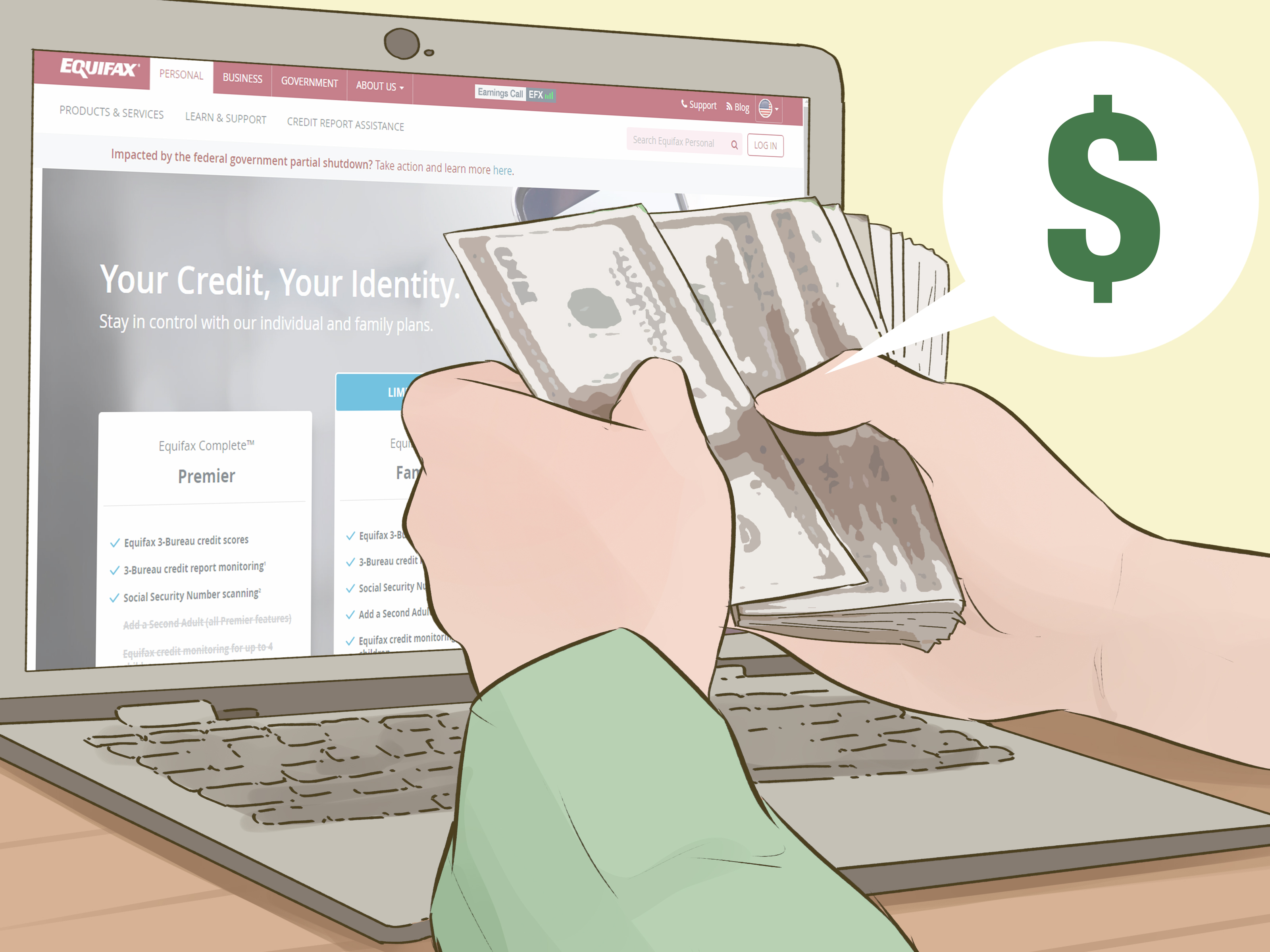
Reporting information to credit bureaus sounds simple enough: collect payment data, send it in, and wait for the magical credit-score fairy to sprinkle numbers over everyone’s financial life. In reality, it is more like joining a very serious club where the dress code is data accuracy, the handshake is compliance, and the bouncer is the Fair Credit Reporting Act.
Whether you are a lender, landlord, property manager, utility provider, small business, or consumer trying to get accurate information reflected on a credit report, understanding how to report to credit bureaus matters. The three major U.S. credit bureausExperian, Equifax, and TransUniondo not simply accept random spreadsheets from anyone with Wi-Fi and confidence. Credit reporting affects loan approvals, insurance pricing, apartment applications, employment screening in some cases, and the overall financial reputation of millions of people. So yes, the process has rules. Many rules. Rules wearing tiny reading glasses.
The good news is that there are practical ways to get information reported. The right method depends on who you are and what kind of data you want to report. Businesses that regularly extend credit may become official data furnishers. Landlords and smaller organizations may use third-party rent or payment reporting services. Consumers can also take steps to correct inaccurate reports or add certain positive payment history through approved tools.
This guide explains three main ways to report to credit bureaus, what each method involves, and how to avoid turning a well-intentioned credit-reporting effort into a paperwork casserole.
What Does It Mean to Report to Credit Bureaus?
To report to credit bureaus means to furnish account or payment information to a consumer reporting agency. This information may include account opening dates, balances, credit limits, payment history, delinquencies, charge-offs, collections, account closures, and other credit-related activity.
Credit bureaus collect this data from lenders, creditors, collection agencies, property managers, financial institutions, and other approved furnishers. Then they organize it into consumer credit reports. Credit scores are calculated from the information in those reports using scoring models such as FICO or VantageScore.
One important point: creditors are generally not required to report to all three major credit bureaus. Some report to one, some report to two, some report to all three, and some do not report at all. That is why a consumer’s Experian, Equifax, and TransUnion reports may look like three siblings who share DNA but have very different personalities.
Way 1: Become a Direct Data Furnisher
The most formal way to report to credit bureaus is to become a direct data furnisher. This path is usually best for banks, credit unions, auto lenders, mortgage companies, student loan servicers, credit card issuers, finance companies, collection agencies, and larger businesses that manage many consumer accounts.
How Direct Credit Reporting Works
Direct furnishers send account information to one or more credit bureaus on a regular schedule, often monthly. The data must be formatted correctly, transmitted securely, and updated consistently. In the U.S., consumer credit data is commonly reported using the Metro 2 format, a standardized reporting format maintained by the Consumer Data Industry Association.
Metro 2 is not a casual “type a few things into Excel and hope for the best” format. It is designed to standardize credit account data so credit bureaus can process it accurately. It covers details such as account type, payment status, balance, past-due amount, date of first delinquency, account ownership, consumer identification, and special reporting conditions.
Each bureau has its own onboarding process. A business may need to apply, verify its legitimacy, meet technical requirements, sign agreements, pass testing, and demonstrate that it can furnish accurate information. TransUnion, for example, describes requirements such as Metro 2 software, electronic data transfer, valid identifiers, and a minimum account threshold. Other bureaus also have their own data furnisher requirements and approval processes.
What Businesses Need Before Reporting Directly
Before a business tries to report directly to credit bureaus, it should prepare more than enthusiasm and a logo. At minimum, a responsible furnisher should have accurate customer records, written credit reporting policies, secure systems, trained staff, dispute-handling procedures, and a clear understanding of federal obligations.
Under the Fair Credit Reporting Act and Regulation V, furnishers must maintain reasonable written policies and procedures concerning the accuracy and integrity of information they provide. In plain English: if you report consumer data, you are responsible for making sure it is correct, complete, and handled with care. “Oops” is not a compliance strategy.
Furnishers must also investigate disputes. If a consumer says an account is wrong, outdated, incomplete, or fraudulent, the furnisher may be required to review records, respond within required timelines, and correct or delete information when necessary. This is why direct reporting is powerful but not casual. It can help customers build credit, but mistakes can harm people and create legal risk.
Example: A Small Auto Finance Company
Imagine a small auto finance company with 2,000 active accounts. Customers make monthly payments, and the company wants those payments reflected on credit reports. Direct reporting may make sense because the company has recurring consumer credit accounts, enough volume to justify the process, and a business reason to report both positive and negative payment activity.
The company would contact Experian, Equifax, and TransUnion separately, complete each bureau’s data furnisher onboarding process, use Metro 2-compatible software, test its data files, and create internal procedures for corrections and disputes. Once approved, it could begin reporting account updates. Done properly, customers who pay on time may benefit from positive payment history, while the lender gains a stronger repayment incentive.
Way 2: Use a Third-Party Reporting Service
Not every organization needs to become a direct data furnisher. For landlords, property managers, utility providers, subscription businesses, medical offices, and smaller creditors, a third-party reporting service may be more realistic. These services act as a bridge between the business and credit bureaus.
Why Third-Party Reporting Services Exist
Credit bureau reporting is technical, regulated, and not exactly famous for being beginner-friendly. Third-party services help businesses report eligible payment data without building a full internal credit reporting department. They may handle formatting, transmission, bureau relationships, consumer notifications, payment verification, and compliance support.
Rent reporting is one of the most common examples. Historically, rent payments often did not appear on consumer credit reports, even though rent may be a person’s largest monthly bill. That meant millions of renters could pay on time for years and receive no credit-reporting benefit. Rent reporting services attempt to solve that problem by reporting eligible rental payment history to one or more bureaus.
How Rent Reporting Works
A landlord, property manager, or renter may enroll in a rent reporting service. Depending on the service, rent payment data may be verified through property management software, landlord confirmation, bank account activity, or payment platform records. The service then reports eligible rent payments to one or more credit bureaus.
Some services report only positive payments. Others may report both positive and negative payment history. That distinction matters. Positive-only reporting may help renters build credit without adding late rent payments to their reports. Full-file reporting may give a more complete picture, but consumers should understand exactly what will be reported before enrolling.
Property managers may also use rent reporting as a resident benefit. It can encourage on-time payments and help renters build a stronger credit profile. In other words, rent reporting can turn “please pay by the first” from a sticky note into a credit-building opportunity.
Choosing a Reporting Service
Before choosing a third-party reporting service, compare which credit bureaus it reports to, whether it reports past rent or only future payments, whether it reports late payments, how it verifies payments, what fees apply, and whether the renter or landlord must participate. A service that reports to all three major bureaus may provide broader visibility than one that reports to only one bureau.
Businesses should also ask about compliance. A reputable reporting service should understand consumer consent, data security, dispute handling, and bureau requirements. If a vendor’s entire compliance plan is “trust us, bro,” that is not a plan. That is a red flag wearing sunglasses.
Example: A Property Manager With 80 Units
Suppose a property manager handles 80 rental units and wants tenants’ on-time rent payments to help their credit. Direct bureau reporting may be too complex and expensive. A rent reporting service may be a better fit. The property manager can choose a provider that integrates with rent collection software, verifies payments, explains the program to tenants, and reports eligible data to selected bureaus.
Tenants benefit because consistent rent payments may appear as positive credit history. The property manager benefits because residents may have an extra reason to pay on time. The credit bureaus receive verified data. Everyone wins, assuming the program is transparent and accurate. Even the spreadsheet gets to relax.
Way 3: Report Errors, Updates, or Positive Payments as a Consumer
Consumers usually cannot directly report a random account to credit bureaus by simply mailing in proof of payment. Credit bureaus rely on approved furnishers and verified data sources. However, consumers still have several ways to influence what appears on their credit reports.
Dispute Inaccurate Information
If something on your credit report is wrong, you can dispute it with the credit bureau that shows the error. You can also dispute the information with the company that furnished it, such as a lender, debt collector, or loan servicer.
Common errors include accounts that do not belong to you, incorrect late payments, wrong balances, duplicate collection accounts, outdated negative information, mixed files, incorrect personal details, and accounts opened through identity theft.
A strong dispute should clearly identify the item, explain what is wrong, state what correction you want, and include supporting documents. Examples include payment confirmations, account statements, identity theft reports, court documents, payoff letters, or letters from the creditor. Keep copies of everything. If sending documents by mail, certified mail can provide proof that your dispute was received.
Credit bureaus and furnishers generally must investigate disputes within required timelines. If the information is inaccurate or cannot be verified, it should be corrected or removed. Disputing accurate negative information simply because it is inconvenient usually will not work. Credit bureaus are not erasers with a customer service number.
Add Eligible Positive Payment History
Some consumers can add certain positive payment history through approved tools. Experian Boost, for example, allows eligible consumers to add certain on-time payments such as utilities, phone bills, streaming services, insurance, and eligible rent payments to their Experian credit file. This does not mean every bill can be added to every bureau, but it can help some consumers strengthen a thin credit file.
Renters may also use rent reporting services if their landlord participates or if the service can verify payments independently. Before enrolling, consumers should check which bureaus receive the data, whether late payments are reported, whether past payments can be included, and what the service costs.
Ask the Creditor Whether It Reports
If you are opening a new account and want it to help build credit, ask the lender or service provider whether it reports to Experian, Equifax, and TransUnion. A secured credit card, credit-builder loan, auto loan, or student loan may help build credit only if the account is actually reported.
This is especially important for people with limited credit history. Paying on time is wonderful, but if the payment never reaches a credit report, the scoring models may never see it. That is like studying all night for a test and then leaving the answer sheet in your backpack.
Important Rules Before Reporting to Credit Bureaus
Accuracy Comes First
Credit reporting is not a tool for revenge, pressure, or guesswork. If you are a business, never report information unless it is accurate, complete, and properly documented. A disputed debt, identity theft claim, bankruptcy issue, or payment arrangement may require special handling. Incorrect reporting can damage a consumer’s financial life and expose the furnisher to complaints, investigations, and legal consequences.
Report Consistently
Credit reporting should be consistent. If you report positive payment history, you must understand whether you are also expected to report negative history. Selective reporting can create fairness and compliance problems. For example, reporting only when a customer is late but never when the customer pays on time may be misleading.
Protect Consumer Data
Reporting to credit bureaus involves sensitive personal information, including names, addresses, Social Security numbers, account numbers, balances, and payment histories. Businesses must protect this data from unauthorized access. A sloppy data process is not just embarrassing; it can become a full-blown security incident with paperwork, penalties, and the kind of meetings nobody enjoys.
Have a Dispute Process
If you furnish data, you need a process for consumer disputes. That means knowing who reviews disputes, what documents are checked, how corrections are submitted, and how quickly responses must be completed. A good dispute process is not optional decoration. It is part of responsible credit reporting.
Common Mistakes to Avoid
Trying to Report Without Approval
Credit bureaus do not accept consumer credit data from just anyone. A business usually must be approved as a data furnisher or work through a recognized reporting partner. Sending an email that says “Please add this debt” will not do the trick.
Assuming All Bureaus Receive the Same Data
Experian, Equifax, and TransUnion may have different information because not every furnisher reports to every bureau. If accuracy matters, check all three reports. Consumers can access free weekly credit reports through the official AnnualCreditReport.com site.
Ignoring Consumer Consent
Some reporting arrangements, especially rent reporting or alternative data programs, may require consumer authorization. Always understand consent requirements before reporting. Transparency builds trust. Surprise credit reporting builds complaints.
Confusing Business Credit With Consumer Credit
Business credit reporting and consumer credit reporting are not the same. Business credit bureaus may include Dun & Bradstreet, Experian Business, Equifax Business, and others. Consumer reporting involves stricter rules because it affects individuals. If you are reporting business trade lines, make sure you are working with the correct type of bureau and reporting system.
Experiences and Lessons From Real-World Credit Reporting
One of the biggest real-world lessons about reporting to credit bureaus is that the process rewards preparation. Businesses that treat credit reporting as a quick administrative task often run into problems. The companies that do it well usually build a workflow first: clean data, clear account terms, documented payment history, secure systems, and trained employees. Then they report. Not the other way around.
For example, a small lender may be excited to report customer payments because it wants to help borrowers build credit. That is a good goal. But if the lender’s internal records are messy, credit reporting can become risky. If payment dates are stored inconsistently, customer names are misspelled, addresses are outdated, or account statuses are unclear, the bureau file may create errors. Once those errors land on credit reports, consumers may dispute them, regulators may notice patterns, and the business may spend months cleaning up a problem that could have been prevented with better data hygiene.
Another common experience involves landlords. Many renters want their rent payments reported because rent is often their largest monthly expense. A tenant who pays $1,800 every month for three years may reasonably wonder why that responsibility does not automatically help their credit. The answer is that traditional credit reporting was built around loans and revolving credit, not rent. Rent reporting services help bridge that gap, but renters should read the details. Some services report only to one bureau. Some charge monthly fees. Some require landlord participation. Some report past payments, while others start only from the enrollment date.
Consumers also learn quickly that “reported” does not always mean “score increased.” Credit scores depend on many factors, including payment history, utilization, length of credit history, account mix, and new credit. Adding a positive rent or utility record may help some people, especially those with thin files, but it may have little impact for others. Credit scoring is not a vending machine where you insert one bill and receive exactly twelve points. It is more like a recipe, and every ingredient matters.
Disputes offer another practical lesson: documentation wins arguments. A consumer who says “this is wrong” may be right, but a consumer who says “this is wrong, here is the statement, here is the payment confirmation, and here is the account number” has a much stronger case. When disputing credit report errors, organize evidence before submitting the dispute. Circle or identify the incorrect item, explain the issue in plain language, and request a specific correction. Keep copies, dates, and confirmation numbers. Future you will be grateful. Future you may even buy present you a snack.
Businesses should also remember that reporting negative information can have serious consequences for consumers. A wrongly reported late payment can raise borrowing costs, delay a mortgage approval, or affect a rental application. That is why furnishers should never use credit reporting as a threat. The goal is accurate reporting, not financial intimidation.
The best experience for everyone happens when credit reporting is transparent. Tell consumers what will be reported, when it will be reported, which bureaus may receive the data, and how disputes can be submitted. For renters, explain whether late payments are included. For borrowers, explain when monthly updates usually occur. For customers in hardship programs, explain how special arrangements may appear.
In short, credit reporting works best when it is boring in the best possible way: accurate, consistent, documented, secure, and predictable. Exciting credit reporting usually means something has gone wrong.
Final Thoughts
There are three main ways to report to credit bureaus: become a direct data furnisher, use a third-party reporting service, or take consumer-level action by disputing errors and adding eligible positive payment history through approved tools. Each path has its purpose.
Direct reporting is best for organizations with regular consumer credit accounts and the ability to meet bureau and compliance requirements. Third-party services are useful for rent, utilities, and smaller businesses that need a simpler reporting bridge. Consumer actions are essential for correcting errors and making sure credit reports reflect accurate, useful information.
Credit reporting can help people build stronger financial profiles, but it must be handled carefully. Accuracy is not a bonus feature. It is the foundation. Treat credit data like it matters, because it does. Behind every account number is a real person trying to rent an apartment, buy a car, qualify for a mortgage, or simply avoid being financially haunted by someone else’s typo.
Note: This article is for general educational purposes only and is not legal, financial, or compliance advice. Businesses should consult qualified compliance professionals before furnishing consumer credit data.