

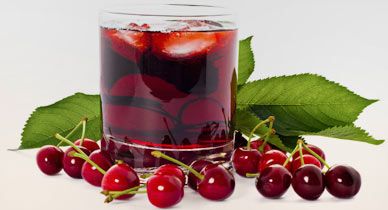
Cherry juice has had quite a glow-up. Once known mainly as the liquid that turns your kitchen into a crime scene during pie season, it is now a full-fledged wellness celebrity. Athletes sip it for recovery. Sleep-deprived adults keep it next to their magnesium. People with gout bring it up with the seriousness usually reserved for tax documents. So, what is actually true?
The short answer: cherry juice, especially tart cherry juice, does have some promising health benefits. The longer answer, which is much less dramatic but far more useful, is that it is not magic. It is a nutrient-rich drink packed with plant compounds such as anthocyanins and other polyphenols, and those compounds may help with inflammation, exercise recovery, sleep quality, gout support, and even some aspects of heart health. As for immunity, the benefit is real but more indirect: better nutrition, antioxidants, and better sleep can all help support the immune system.
If you are looking for a smart, evidence-based reason to pour a small glass, this is where cherry juice earns its reputation. Let’s break down the six biggest benefits of cherry juice, what the science suggests, and where the hype should probably calm down and go sit in the corner.
Why Cherry Juice Gets So Much Attention
Not all cherry juice is the same. When people talk about the health benefits of cherry juice, they are usually talking about 100% tart cherry juice or tart cherry concentrate, often made from Montmorency cherries. Tart cherries are especially rich in naturally occurring plant pigments called anthocyanins, which give cherries their deep red color and much of their anti-inflammatory reputation.
These compounds act like tiny bodyguards for your cells. They help fight oxidative stress, which is the wear-and-tear damage linked to inflammation and chronic disease. Cherry juice also contains vitamin C, potassium, and smaller amounts of other nutrients that support normal body function. In other words, this is not just sweet red water with good public relations.
1. Cherry Juice May Help Reduce Inflammation
This is the headline benefit, and honestly, it deserves top billing. Inflammation is part of the body’s normal defense system, but when it sticks around too long, it becomes a troublemaker. Chronic inflammation is tied to heart disease, metabolic issues, joint pain, and a long list of conditions nobody puts on a vision board.
Cherry juice may help because its anthocyanins and polyphenols appear to reduce some inflammatory processes in the body. Research on tart cherry products has found improvements in markers related to inflammation and oxidative stress, including C-reactive protein in some studies. That does not mean one glass will instantly turn your joints into brand-new hardware, but it does suggest tart cherry juice can be part of an anti-inflammatory diet.
This is also why cherry juice often gets mentioned in conversations about arthritis, soreness, and general body aches. The key word, though, is support. Cherry juice is not a replacement for medical treatment, physical therapy, or a balanced diet. It is more like a helpful teammate than a solo superhero.
Why this matters in daily life
If you spend your days sitting at a desk, lifting weights, chasing children, or just existing after age 30, reducing inflammation matters. Small improvements in inflammation and oxidative stress may translate into feeling less beat-up over time, especially when cherry juice is part of a broader healthy routine.
2. It May Improve Post-Workout Recovery
Cherry juice has become especially popular with runners, cyclists, and gym regulars because of its potential role in muscle recovery. Several studies suggest tart cherry juice may help muscles recover faster after intense exercise, especially when it is used before a hard event rather than only after it.
That is an important detail. Some researchers even call it “precovery” instead of recovery. In practical terms, that means tart cherry juice seems to work best when taken consistently for several days leading up to strenuous exercise, and sometimes for a few days after. The benefit appears strongest for reducing strength loss and helping muscles bounce back, while the effect on soreness alone is more mixed.
So, if you are training for a race, a tournament, or a workout that you already know will humble you, cherry juice may be worth considering. But if you down a glass after doing 14 lunges and one emotional support plank, do not expect fireworks.
Best use case
Cherry juice seems most useful for people doing repeated, intense exercise with limited recovery time. Weekend warriors may notice some benefit, but athletes in heavy training blocks are the group most often discussed in the research.
3. Cherry Juice May Support Better Sleep
This is the benefit that made cherry juice wildly popular with people who would like to sleep peacefully instead of staring at the ceiling and replaying conversations from 2017.
Tart cherry juice for sleep gets attention because tart cherries naturally contain melatonin, along with other compounds that may influence sleep. Small studies suggest tart cherry juice can modestly improve sleep duration and sleep quality, especially in adults with insomnia. The catch is that the studies are small, and the improvements are modest, not miraculous.
That means cherry juice is not a substitute for good sleep hygiene, stress management, or treatment for persistent insomnia. Still, it may be a useful add-on. If your bedtime routine currently involves bright screens, doomscrolling, and caffeine at 4 p.m., cherry juice cannot save you from yourself. But if your routine is already decent, it may offer a gentle extra nudge.
How to use it sensibly
Many experts suggest starting with a small serving, such as 4 ounces of unsweetened tart cherry juice, and seeing how your body responds. Unsweetened juice is the smarter choice because added sugar is not exactly famous for supporting restful sleep.
4. It May Help People Who Struggle With Gout
Of all the claims around cherry juice, this is one of the most interesting. Gout is a painful type of inflammatory arthritis caused by uric acid crystals building up in the joints. Translation: tiny crystals, major drama.
Cherry intake has been associated with a lower risk of gout attacks in several studies, and organizations focused on arthritis and gout often mention cherries or cherry juice as potentially helpful. The thinking is that cherries may help lower uric acid and reduce inflammation at the same time. That is a very attractive combo if you are trying to avoid flare-ups.
But there is a nuance here that matters: cherry juice is not a cure for gout. It may be a useful dietary tool, but it should not replace medication or a treatment plan prescribed by a healthcare professional. Also, while cherry juice may help lower gout risk, some fruit juices can raise uric acid because of concentrated sugar, which is why portion size and product choice matter.
A smarter gout strategy
If you want to try cherry juice for gout support, choose 100% tart cherry juice without added sugar, keep servings moderate, and think of it as one part of a bigger plan that includes hydration, medical care, and a gout-conscious diet.
5. It May Offer Heart and Metabolic Support
Cherry juice does not get as much attention for heart health, but there is some promising research here too. In older adults, tart cherry juice has been linked in some studies with lower systolic blood pressure, lower LDL cholesterol, and improvements in certain markers tied to inflammation and oxidative stress.
Why might that happen? Again, the likely stars are polyphenols and anthocyanins. These compounds may help protect blood vessels, reduce oxidative damage, and support healthier cardiovascular function. Cherry juice also contains potassium, which plays a role in blood pressure regulation.
Now for the adult-in-the-room disclaimer: cherry juice is still juice. It contains natural sugars, and some products contain added sugars too. So while it may fit into a heart-smart diet, it should not be treated like a free-for-all health elixir. Portion size matters, especially for people watching calories, blood sugar, or triglycerides.
What this benefit really means
Cherry juice may support cardiovascular health when used in moderation as part of a diet rich in fruits, vegetables, fiber, whole grains, and healthy fats. It is helpful, not heroic.
6. It Can Support Immunity, But in a Quiet, Indirect Way
The phrase “immune-boosting” gets thrown around so casually online that it has lost all dignity. So let’s be precise. Cherry juice probably does not “boost” immunity in the cartoonish sense of giving your body a shiny superhero shield. What it may do is support normal immune function in several reasonable ways.
First, cherries provide vitamin C and antioxidant compounds, both of which help protect cells from oxidative stress. Second, the anti-inflammatory effects of cherry polyphenols may support a healthier internal environment overall. Third, and this is often overlooked, better sleep supports the immune system. If tart cherry juice helps you sleep a little better, that can indirectly help immune function too.
In other words, cherry juice supports immunity the same way many healthy habits do: not by performing a miracle, but by improving the conditions your immune system likes best. That is less flashy than a marketing slogan, but much more believable.
How to Choose the Best Cherry Juice
If you want the benefits without the nonsense, look for:
- 100% tart cherry juice or unsweetened tart cherry concentrate
- No added sugars if possible
- A reasonable serving size instead of treating the bottle like a hydration challenge
- Products that clearly say Montmorency tart cherry if you want the type most often used in research
If the label reads more like dessert than juice, put it back on the shelf and slowly walk away.
Who Should Be Careful With Cherry Juice?
Cherry juice is generally safe for most people, but it is not ideal for everyone. People with diabetes or those closely monitoring blood sugar should be careful with serving sizes because even unsweetened juice contains natural sugar. Some people may also notice gastrointestinal discomfort, especially with larger amounts.
If you have kidney disease, are on blood thinners, take medications that affect sleep, or have a medical condition that makes potassium intake important, it is smart to check with a healthcare professional before making tart cherry juice a daily habit.
Real-Life Experiences With Cherry Juice: What People Often Notice
One reason cherry juice keeps showing up in wellness conversations is that the experience of using it often feels practical, not dramatic. People do not usually describe it like some cinematic transformation where the clouds part, the knees stop creaking, and birds land gently on the windowsill. Instead, the stories tend to sound smaller and more believable. Someone starts drinking tart cherry juice after a week of hard training and says their legs feel a little less wrecked the next day. A person with a stressful schedule adds a small glass to their evening routine and notices they seem to wind down faster. Someone prone to gout starts keeping tart cherry juice in the fridge because it feels like a helpful extra layer of protection.
That pattern matters. Health habits that stick are often the ones people can actually live with. Cherry juice is easy to use. There is no blender assembly, no complicated supplement stack, and no ritual involving twelve powders and a motivational podcast. You pour it, drink it, and move on with your life. For a lot of people, that simplicity is part of the appeal.
There is also the taste factor. Tart cherry juice has that bold sweet-sour flavor that feels a little more grown-up than standard fruit juice. Some people love it immediately. Others make a face the first time, then come back two days later like, “Fine. I miss it.” A common experience is diluting it with water or sparkling water, especially when using concentrate. That can make it easier to drink regularly without overdoing the sugar.
Sleep is probably where the most interesting personal experiences show up. People who use tart cherry juice at night often say the effect, when it happens, feels subtle. They may not instantly fall asleep like a cartoon character getting bonked on the head, but they notice bedtime feels calmer, or they wake up fewer times, or they feel less restless. That kind of feedback matches the research pretty well: modest benefit, not knockout potion.
Among active adults, the experience is often tied to consistency. People usually do not rave after one serving. The more common report is that after several days around a hard race, tournament, or training block, they feel less trashed. Not invincible, just more functional. And honestly, “more functional” is one of the best compliments any nutrition strategy can get.
Of course, not every experience is positive. Some people find cherry juice too sweet, too acidic, or too rough on their stomach. Others try it for sleep or soreness and notice absolutely nothing. That does not mean the research is useless. It just means food-based strategies are not one-size-fits-all. Bodies are weird, schedules are messy, and human biology rarely reads the product label.
The most realistic takeaway from real-world experience is this: cherry juice tends to work best when expectations are sane. People who treat it as one helpful habit among many usually seem happiest with it. People who expect it to fix sleep, inflammation, recovery, and their entire personality by Tuesday are usually disappointed. Cherry juice is not magic. But in the right routine, it can be surprisingly useful.
Final Thoughts
Cherry juice earns more respect than many trendy wellness drinks because there is actual science behind several of its claims. The best-supported benefits are reduced inflammation, improved exercise recovery, modest help with sleep, and possible support for people dealing with gout. It may also contribute to heart health and provide indirect immune support through antioxidants, vitamin C, and better sleep.
The trick is to keep expectations realistic. Cherry juice is not a cure, a detox, or a replacement for medical care. But as part of a healthy lifestyle, especially when you choose unsweetened tart cherry juice and keep portions sensible, it can be a smart and enjoyable addition to your routine. Not bad for a fruit that most of us first met on top of ice cream.