

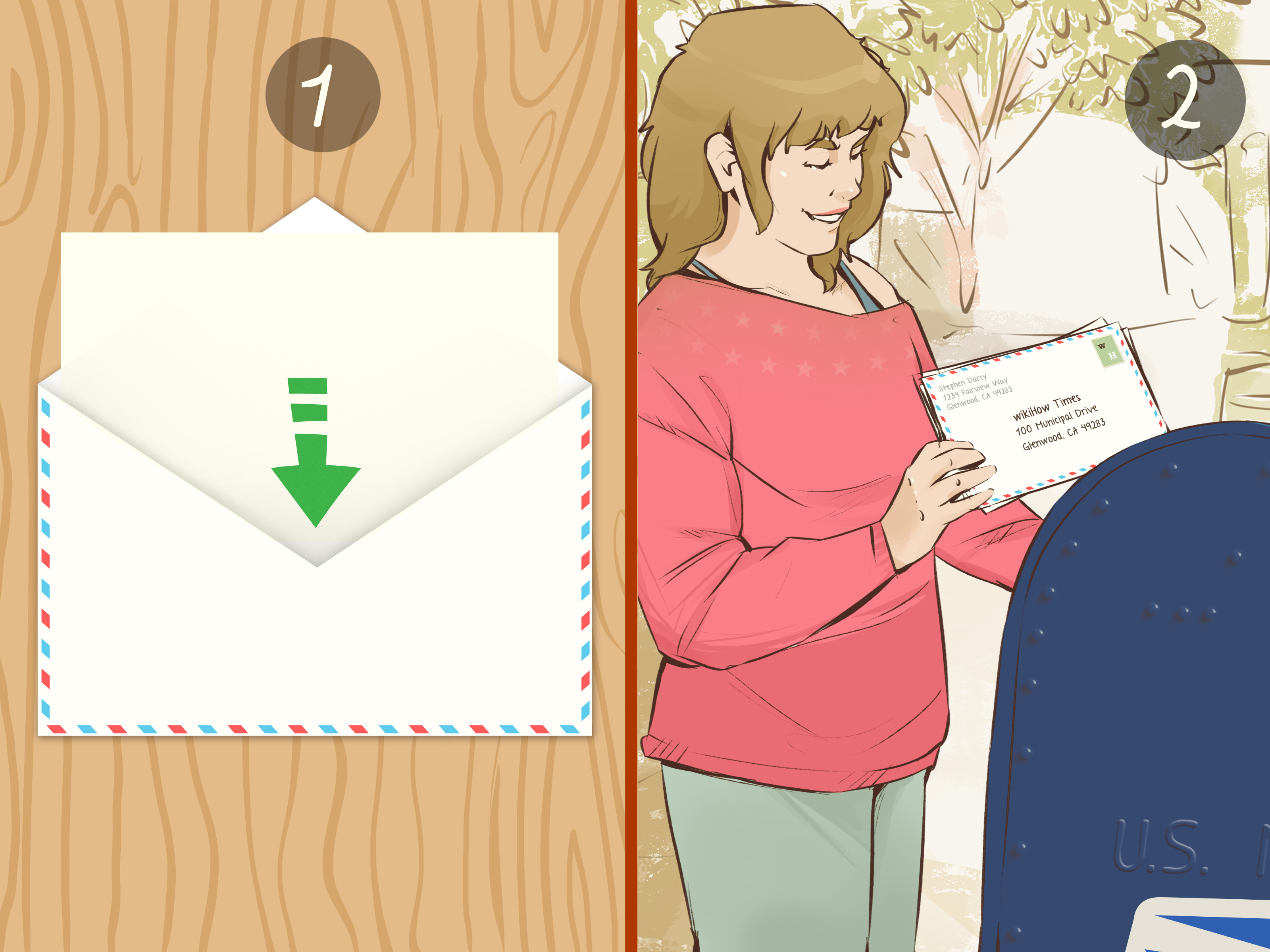
A thank you letter is one of those tiny gestures that can do surprisingly heavy lifting. It can smooth over an awkward first impression, strengthen a professional relationship, make a gift feel truly appreciated, and remind another human that their effort actually mattered. Not bad for a few paragraphs and a decent sign-off.
If you have ever stared at a blank page thinking, How many times can I say “thank you” before I sound like a malfunctioning robot?, you are in the right place. The best thank you letters are not dramatic, overly fancy, or stuffed with glittery adjectives. They are clear, warm, specific, and human. In other words, they sound like a thoughtful person wrote them on purpose.
This guide walks you through exactly how to write a thank you letter in 13 practical steps. You will also find examples, a simple template, common mistakes to avoid, and real-world experiences that show why these letters still matter in a world of fast emails and even faster thumbs.
Why Thank You Letters Still Matter
People remember appreciation because most people do not receive enough of it. A thoughtful thank you letter tells the recipient, “I noticed what you did, and I did not take it for granted.” That message works in almost every context: after a job interview, after receiving a gift, after someone hosted you, after a teacher helped you, after a client made a purchase, or after a mentor gave you valuable advice.
In professional settings, a thank you letter can reinforce your interest, remind someone of your strengths, and keep the connection warm. In personal life, it adds sincerity that a quick “thx!!” text usually cannot match. The secret is not length. It is intention. A short, specific note often lands better than a long, generic essay that sounds like it was assembled by a committee of greeting cards.
How to Write a Thank You Letter: 13 Steps
Step 1: Choose the right format
Before you write a single word, decide whether your message should be handwritten, typed, or sent by email. A handwritten note feels personal and memorable, which makes it great for gifts, hospitality, personal favors, or meaningful milestones. An email works well when speed matters, especially after interviews, networking meetings, or business conversations. A typed letter is useful when you want a polished, formal tone.
Think of the format as part of the message. A warm handwritten card says, “You matter enough for me to slow down.” A professional email says, “I appreciate you, and I also understand deadlines exist.”
Step 2: Send it promptly
Timing matters more than perfection. A thank you letter has the most impact when it arrives while the interaction is still fresh. For personal situations, send it as soon as reasonably possible. For professional situations, especially job interviews, send it quickly while your conversation is still top of mind.
Do not let the pursuit of the perfect sentence turn your note into a historical document. A sincere message sent today beats a flawless masterpiece sent three weeks from now.
Step 3: Use the recipient’s correct name and title
This sounds obvious, but names are emotional territory. Misspelling someone’s name in a thank you letter is like showing up with flowers and accidentally stepping on them. Double-check the spelling, the title, and the level of formality. “Dear Ms. Ramirez” and “Dear Nina” create very different tones, and you should choose the one that fits your relationship.
When in doubt, lean slightly more formal, especially in workplace or academic settings. You can always sound warmer in the body of the letter.
Step 4: Open with a direct, warm greeting
Skip the long runway. Start with a greeting that feels natural and respectful, then get to the point. A thank you letter does not need a dramatic introduction. You are not opening the Oscars. You are expressing appreciation.
Good openings include:
- Dear Mr. Carter,
- Dear Professor Lee,
- Hi Maya,
- Dear Aunt Rachel,
The best greeting is the one that matches the relationship and makes the recipient feel seen, not processed.
Step 5: Say thank you in the first sentence
Do not bury the purpose of the letter in paragraph three. State your appreciation right away. The first sentence should clearly say what you are thanking the person for.
For example:
- Thank you for taking the time to meet with me yesterday.
- Thank you so much for the thoughtful housewarming gift.
- Thank you for hosting us for dinner on Saturday night.
This simple move makes your letter clear, confident, and easy to read. It also prevents the note from sounding vague or overly theatrical.
Step 6: Be specific about what you appreciate
Specificity is what turns a routine thank you letter into a memorable one. Instead of writing, “Thanks for everything,” name the action, gift, support, or kindness you are acknowledging. Mention the book they gave you, the advice they shared, the meal they cooked, the opportunity they offered, or the extra time they spent helping you.
Compare these two lines:
- Thank you for your help.
- Thank you for staying after the meeting to walk me through the budget changes.
The second one wins by a mile because it proves you were paying attention. A thank you letter should feel personal, not copy-and-paste friendly.
Step 7: Explain why it mattered
Once you name what the person did, explain why it meant something. This is the heart of a strong thank you letter. Tell them how their action helped you, encouraged you, comforted you, or made an experience better. This gives the note emotional weight without making it overly sentimental.
For instance, you might write, “Your advice helped me feel more confident before the presentation,” or “Your gift made our new apartment feel like home.” That one sentence answers the silent question every recipient has: Did what I did really make a difference?
Step 8: Add one personal detail from the moment
A personal detail makes your note breathe. Mention the funny story from dinner, the project you discussed in the interview, the kindness of their children, the homemade pie that nearly ruined your self-control, or the small comment that stayed with you.
This detail does two things. First, it proves the note is genuinely for them. Second, it creates a small memory inside the letter, which makes it more enjoyable to read. A thank you letter should not feel like a receipt. It should feel like a conversation with intention.
Step 9: Keep it short, but not cold
Most thank you letters do not need to be long. In fact, shorter is often better. Aim for enough detail to sound thoughtful, but not so much that the reader needs a snack break halfway through. A few strong paragraphs are usually enough.
That said, do not confuse short with stiff. You can be concise and still sound warm. “I truly appreciated your time and insight” feels much better than “Thank you for your assistance regarding the above-referenced matter,” which sounds like it escaped from a filing cabinet.
Step 10: Match the tone to the relationship
Your wording should fit the situation. A note to a hiring manager should sound polished and professional. A thank you letter to your grandmother can be more affectionate and playful. A note to a teacher or mentor can be warm, respectful, and a little more reflective.
Read your draft and ask yourself one question: would I actually say this to this person? If the answer is no, revise. The best thank you letters sound like your best self, not like a Victorian butler or a corporate chatbot.
Step 11: Include a forward-looking line when it makes sense
A thoughtful closing often looks ahead. In a professional note, this could mean expressing interest in staying in touch, continuing the conversation, or moving forward in the process. In a personal note, it might mean saying you look forward to seeing them soon or using the gift they gave you.
Examples include:
- I look forward to speaking with you again soon.
- I cannot wait to use the cookbook this weekend.
- I hope we can get together again next month.
This small touch gives the letter momentum and keeps the connection open.
Step 12: Close warmly and sign your name clearly
End with a closing that matches the tone of the note. “Sincerely,” “Warmly,” “Best,” “With gratitude,” and “Thanks again” are all solid choices depending on the situation. Then sign your name clearly. For professional emails, include your full name and relevant contact information when appropriate.
If you are mailing a formal letter, a handwritten signature adds a personal finish. It is a small detail, but small details are basically the entire point of thank you letters.
Step 13: Proofread before sending
A thank you letter should feel thoughtful, and typos can distract from that. Read it once for spelling, once for tone, and once for clarity. Check names, dates, job titles, and any specific detail you referenced. Make sure your note sounds like appreciation, not obligation.
Then send it. Do not keep tweaking it until it dies of overediting. Gratitude likes momentum.
A Simple Thank You Letter Template
Use this flexible structure for almost any situation:
Greeting
Dear [Name],
Opening
Thank you for [specific reason].
Middle
I really appreciated [specific detail]. It meant a lot because [why it mattered].
Forward-looking line
I look forward to [future connection, using the gift, or staying in touch].
Closing
Warmly,
[Your Name]
Example 1: Thank You Letter After an Interview
Dear Ms. Bennett,
Thank you for taking the time to speak with me yesterday about the marketing coordinator position. I enjoyed learning more about your team’s content strategy and the way your company approaches audience growth.
I especially appreciated our conversation about balancing creative storytelling with analytics. It reinforced how excited I am about the role, and it gave me an even clearer picture of how my experience with campaign reporting and editorial planning could contribute to your team.
Thank you again for your time and consideration. I would be glad to provide any additional information, and I hope to speak with you again soon.
Sincerely,
Jordan Miles
Example 2: Personal Thank You Letter for a Gift
Dear Aunt Denise,
Thank you so much for the beautiful ceramic serving bowl you sent for our wedding. It was such a thoughtful gift, and the color is perfect for our kitchen.
I especially loved your note about Sunday dinners, because that is exactly the kind of tradition we hope to build in our new home. Your gift feels both practical and meaningful, which is a very impressive combination.
Thank you again for your kindness and generosity. We are so grateful, and we hope to see you soon.
With love,
Emma
Common Mistakes to Avoid
- Being too generic: If your note could be sent to fifty different people unchanged, it needs more detail.
- Waiting too long: A late thank you can still be worth sending, but prompt is better.
- Overwriting: Appreciation is not improved by turning your note into a memoir.
- Sounding fake: Overly dramatic praise can feel less sincere than simple honesty.
- Forgetting proofreading: Misspelled names and sloppy details weaken the impression.
- Making it about you only: The recipient should feel appreciated, not trapped in your autobiography.
When a Thank You Letter Works Best
A thank you letter is especially useful after job interviews, networking meetings, scholarship support, mentorship, referrals, dinner invitations, overnight stays, wedding gifts, graduation gifts, customer purchases, volunteer support, and professional favors. It also works well after moments that are harder to categorize but clearly meaningful, such as when someone showed up for you during a stressful season.
If you are ever unsure whether to send one, this rule usually works: if someone gave time, effort, thought, money, opportunity, or encouragement, a thank you letter is probably a good idea.
Experiences and Lessons From Writing Thank You Letters
One of the most useful things people learn about thank you letters is that the note often matters just as much as the event that triggered it. For example, imagine a student who meets with a professor after class because she is struggling with a major decision. The professor spends twenty extra minutes listening, asks thoughtful questions, and points her toward resources she did not know existed. A quick “thanks” on the way out is polite, but a short letter the next day does something different. It tells the professor that the conversation had value beyond the room. Many teachers and mentors remember those notes for years because they rarely get to see the full effect of their help.
Another common experience happens in job searching. Two candidates may leave the same interview with similar qualifications, but the one who sends a clear, thoughtful thank you email often leaves a sharper impression. Not because the note magically creates experience that was not there, but because it highlights professionalism, attention to detail, and genuine interest. A candidate who references a specific part of the discussion shows that they were engaged, not just waiting for the interview to end so they could inhale a granola bar in the parking lot.
Thank you letters also have a quiet way of repairing distance in personal relationships. A grown child who writes to a parent after a difficult move, a friend who sends a note after being cared for during an illness, or a newlywed couple who thanks relatives for their support often discovers that the letter expresses more than appreciation. It captures memory. It says, “I know what you did for me, and I want it on the record.” That is powerful in families, where people sometimes assume gratitude is understood without ever saying it plainly.
There are practical lessons, too. People often discover that handwritten notes feel more meaningful in personal situations, while email is the hero when timing matters. They also learn that writing gets easier once they stop trying to sound impressive. The strongest notes are usually the simplest ones: mention the gift, mention the kindness, mention the impact, and close warmly. No fireworks required.
Perhaps the biggest lesson is this: a thank you letter is not really about etiquette for etiquette’s sake. It is about attention. It is about slowing down long enough to recognize another person’s effort. In a distracted world, that kind of attention feels rare, and rare things tend to be remembered. So if you are hesitating over whether your note is necessary, send it. The odds are good that it will brighten someone’s day, strengthen a relationship, and make you look like the kind of person people are happy to hear from again.
Final Thoughts
Writing a thank you letter is not complicated, but doing it well requires intention. Choose the right format, send it promptly, be specific, explain why the gesture mattered, and keep your tone natural. Whether your note is for an interviewer, a friend, a teacher, a host, or a generous relative with excellent taste in kitchen gifts, the goal is the same: make the other person feel genuinely appreciated.
And that is the whole magic trick. Not perfection. Not poetry. Just sincere gratitude, written clearly, and sent before the moment goes cold.
{ "meta_title": "How to Write a Thank You Letter: 13 Steps", "meta_description": "Learn how to write a thank you letter in 13 simple steps, with examples, mistakes to avoid, and tips for personal and professional notes.", "sapo": "Need to write a thank you letter that sounds warm, polished, and genuinely human? This in-depth guide breaks the process into 13 simple steps, from choosing the right format to adding personal details that make your note memorable. You will also get practical examples, a flexible template, common mistakes to avoid, and real-life lessons that show why thank you letters still matter in professional and personal life.", "keywords": [ "how to write a thank you letter", "thank you letter examples", "thank you note etiquette", "professional thank you letter", "thank you email after interview", "personal thank you note", "thank you letter template" ]}