

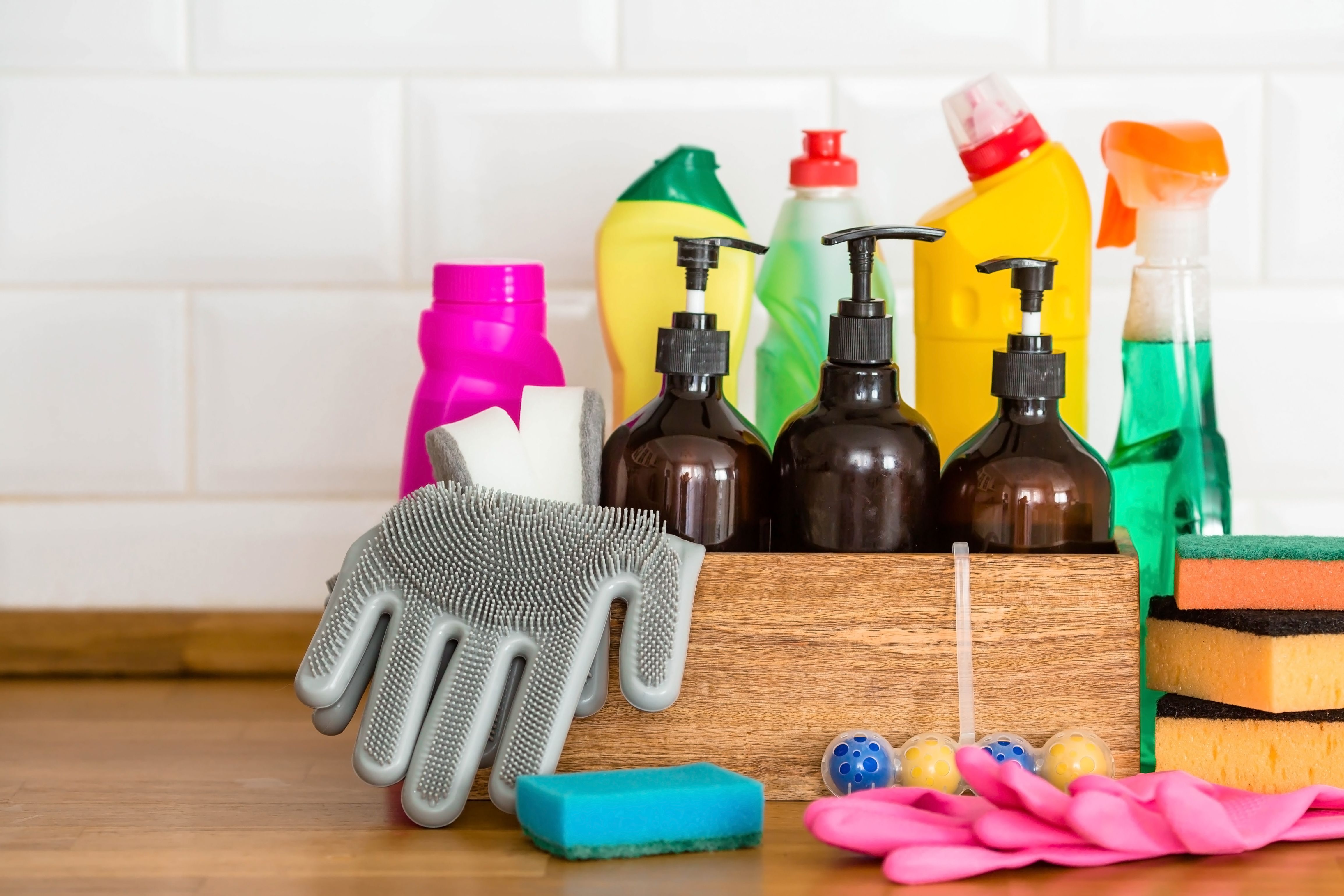
Cleaning should make your home safer, fresher, and less likely to smell like last Tuesday’s leftovers staged a tiny rebellion in the fridge. But here is the twist: some of the most common cleaning habits can create real hazards when products are mixed, misused, overused, stored poorly, or applied in the wrong space.
The good news? You do not need a chemistry degree, a hazmat suit, or a dramatic slow-motion exit from your bathroom. You just need to understand a few cleaning product mistakes that many smart, careful people make without realizing the risks. Household cleaners, disinfectants, bleach, ammonia, sprays, wipes, detergents, and “natural” formulas can all be useful when used correctly. The trouble starts when we assume that more product means more clean, stronger smell means stronger protection, or viral cleaning hacks are automatically safe because they look satisfying on video.
This guide breaks down six hazardous cleaning mistakes, explains why they matter, and shows safer alternatives you can use immediately. Think of it as a friendly safety checklist for your kitchen, bathroom, laundry room, and anywhere else you wage war on grime.
1. Mixing Cleaning Products Like You’re Making a Super-Cleaning Potion
The biggest cleaning mistake is also the one people often make with the best intentions: combining products to “boost” their power. Unfortunately, your bathroom is not a science fair, and bleach does not play nicely with many other cleaners.
Mixing bleach with ammonia can produce chloramine gases, which may irritate the eyes, nose, throat, and lungs. Ammonia can show up in glass cleaners, some multipurpose cleaners, and even urine around toilets, litter boxes, or pet accidents. That means pouring bleach into a toilet bowl or onto a pet stain without thinking can become riskier than expected.
Bleach mixed with acidic cleaners, such as vinegar, limescale removers, rust removers, or toilet bowl cleaners, can release chlorine gas. This is not a “fresh clean scent.” It is a respiratory hazard. Symptoms may include coughing, watery eyes, chest tightness, shortness of breath, and throat irritation. In small bathrooms with poor ventilation, the risk increases quickly.
Common combinations to avoid
- Bleach and ammonia-based cleaners
- Bleach and vinegar
- Bleach and toilet bowl cleaners
- Bleach and drain cleaners
- Bleach and rubbing alcohol
- Hydrogen peroxide and vinegar in the same container
- Two different drain cleaners used back-to-back
The safer rule is beautifully simple: use one cleaning product at a time. Rinse the surface if switching products. Let the area air out. Read labels before use. If a label says “do not mix with bleach,” believe it. That tiny sentence is not legal decoration; it is there because chemistry has a spicy temper.
2. Treating “Clean,” “Sanitized,” and “Disinfected” as the Same Thing
Another hazardous cleaning product mistake is assuming every wipe, spray, or bottle does the same job. Cleaning, sanitizing, and disinfecting are related, but they are not identical.
Cleaning removes dirt, grease, food residue, dust, and many germs from a surface using soap, detergent, water, and friction. Sanitizing reduces certain bacteria to safer levels. Disinfecting kills or inactivates many bacteria and viruses on hard, nonporous surfaces when the product is used exactly as directed.
Why does this matter? Because disinfectants usually work only when the surface is already clean and stays wet for the required contact time. If you spray disinfectant onto a greasy stove, then wipe it dry in five seconds, you may have mostly created a shiny illusion. Congratulations, the counter looks productive, but the disinfectant may not have had enough time to do its job.
The contact time mistake
Many disinfectants require the surface to remain visibly wet for a set amount of time, sometimes from seconds to several minutes. That time is usually listed on the label as “contact time,” “dwell time,” or “wet time.” If the product dries too quickly, you may need to reapply it according to the directions.
This is especially important with disinfecting wipes. A single wipe may not be enough for a large countertop, table, or bathroom surface. If the wipe becomes dry and you keep dragging it around like a tired little paper towel, you are not disinfecting effectively.
A safer routine is easy: first clean visible dirt with soap or detergent, then disinfect only when needed, such as after illness, raw meat preparation, bathroom contamination, or high-touch exposure. Let the product remain wet for the label’s required time, then rinse food-contact surfaces if the label tells you to.
3. Cleaning in a Closed Room With No Ventilation
A clean bathroom should not feel like you are trapped inside a lemon-scented dragon’s breath. Yet many people spray cleaners in a small bathroom, shut the door, scrub hard, and wonder why their eyes sting or their chest feels tight.
Many household cleaning products can release vapors, fumes, fragrances, or volatile organic compounds. Aerosol sprays, oven cleaners, bleach products, rug cleaners, air fresheners, glass cleaners, polish, and disinfectant sprays can all affect indoor air quality. For people with asthma, allergies, chronic lung conditions, migraines, or chemical sensitivities, poor ventilation can turn a routine cleaning session into a miserable afternoon.
How to ventilate while cleaning
- Open windows and doors when possible.
- Run the bathroom exhaust fan.
- Use portable fans to move air out, not toward your face.
- Take breaks if odors become strong.
- Avoid leaning over freshly sprayed surfaces.
- Never use strong products in a sealed, tiny room.
Ventilation is not just about comfort. It helps reduce inhalation exposure. If a product label recommends gloves, eye protection, or fresh air, treat that guidance like a friend who has already made the mistake for you.
Also, do not confuse fragrance with safety. A cleaner that smells like “spring meadow sunrise” can still contain irritating ingredients. Meanwhile, a low-scent or fragrance-free product may be a better choice for households with children, older adults, pets, or people with breathing issues.
4. Storing Cleaners in Unmarked Bottles or Food Containers
Decanting cleaners into cute glass bottles may look charming on a pantry shelf, but it can create a serious poisoning hazard. Cleaning products should stay in their original containers whenever possible because the original packaging includes directions, warnings, ingredients, emergency instructions, and child-resistant features.
Pouring bleach, detergent, disinfectant, or degreaser into an unlabeled spray bottle can lead to dangerous confusion later. Is it vinegar? Is it bleach? Is it diluted cleaner from three months ago? Is it the mysterious blue liquid of destiny? Nobody knows, and that is the problem.
Using food or drink containers is even more hazardous. A cleaner stored in a water bottle, soda bottle, jar, or cup can be mistaken for something drinkable, especially by children, guests, older adults, or anyone moving too quickly. Laundry detergent packets are another major concern because their bright colors and soft texture can attract children.
Safer storage habits
- Keep products in original containers with labels intact.
- Store chemicals out of sight and reach of children.
- Use locked cabinets or high storage areas when possible.
- Keep lids tightly closed after each use.
- Do not store cleaners near food, medicine, or pet supplies.
- Discard old, leaking, or unidentified products safely.
If you must use a secondary spray bottle for a diluted cleaner, label it clearly with the product name, dilution ratio, date mixed, and warnings. Even then, never use a bottle that once held food or beverages. Your future self should not need detective skills to clean a mirror.
5. Assuming “Natural” Means Automatically Safe
Natural cleaning products can be excellent, but “natural” does not mean harmless. Poison ivy is natural. So are lightning, mold, and raccoons with opinions. A natural label may indicate plant-based ingredients or fewer harsh chemicals, but it does not remove the need for safe use.
Vinegar, baking soda, hydrogen peroxide, lemon juice, essential oils, alcohol, and castile soap all have cleaning uses. Still, they have limits. Vinegar is acidic and can damage natural stone, grout, rubber seals, and some finishes. Hydrogen peroxide can discolor fabrics and surfaces. Alcohol is flammable. Essential oils can irritate skin, trigger headaches, and pose risks for pets, especially cats.
Essential oils and pets
Many people add tea tree, eucalyptus, peppermint, citrus, cinnamon, or lavender oils to homemade cleaning sprays because they smell pleasant. But pets experience the world nose-first and paw-first. Cats, in particular, can be sensitive to certain essential oils. Exposure may occur through inhalation, licking residue from paws, or walking on wet surfaces.
If you have pets, keep them away while cleaning and until surfaces are fully dry and odor has cleared. Avoid diffusing essential oils in areas where pets cannot leave. Do not use concentrated oils on pet bedding, litter boxes, crates, floors, or toys unless your veterinarian has approved the product.
For safer buying decisions, look for credible third-party programs and clear labels. EPA Safer Choice-certified products can help consumers identify cleaners made with ingredients that meet safer chemical criteria while still performing their job. That does not mean you can ignore directions, but it gives you a smarter starting point.
6. Using Too Much Product Because “More Must Be Better”
When a surface is gross, the temptation is real: spray until the counter looks like it survived a tropical storm. But more cleaner does not always mean more clean. Overusing cleaning products can leave residue, irritate skin and lungs, damage surfaces, attract dirt, or create slippery floors.
Disinfectants, in particular, are not meant to be used like room perfume. Spraying large amounts into the air does not make your home healthier. It may increase inhalation exposure and settle chemicals onto surfaces where children or pets touch, crawl, lick, or nap.
Overuse also happens in laundry. Too much detergent can leave residue on clothes and inside the washing machine. That residue may irritate sensitive skin and make towels feel stiff or oddly musty. Your washer is not asking for a detergent smoothie. It wants the right amount.
Smarter product use
- Measure concentrates instead of guessing.
- Follow dilution instructions exactly.
- Use microfiber cloths to improve cleaning with less product.
- Spot-test delicate surfaces before applying strong cleaners.
- Do not spray products near open flames or hot appliances.
- Choose the mildest effective product for the task.
In many everyday situations, soap, water, and a little elbow grease are enough. Save disinfectants for moments when they are actually needed, and use them correctly when you do. Your surfaces, lungs, pets, and wallet will all quietly applaud.
What to Do If You Accidentally Mix Cleaners
If you mix cleaning products and notice a strong odor, burning eyes, coughing, chest tightness, dizziness, nausea, or trouble breathing, stop immediately. Do not lean in to investigate. Do not try to “finish quickly.” Cleaning pride is not worth a lung adventure.
Leave the area right away and get fresh air. Keep others, including children and pets, away from the space. Open doors or windows only if you can do so safely without re-entering a dangerous cloud of fumes. If symptoms are severe, call emergency services. For poisoning questions in the United States, contact Poison Control at 1-800-222-1222 for expert guidance.
Do not add water, vinegar, baking soda, or another chemical unless a poison specialist or emergency professional tells you to. The safest move is to remove yourself from exposure and get help.
Real-Life Experiences: Lessons From the Cleaning Closet
Most hazardous cleaning product mistakes do not happen because people are careless. They happen because people are busy, tired, distracted, or trying to do the right thing quickly. The cleaning aisle is packed with confident labels, powerful verbs, and bottles that promise to destroy grime, eliminate odors, blast soap scum, and restore sparkle. It is easy to believe that combining two “powerful” products will create one mega-product. In real life, that logic can backfire faster than a vacuum cleaner eating a shoelace.
One common experience starts in the bathroom. Someone sprays a bleach-based cleaner in the toilet, then adds a toilet bowl cleaner because the stain still looks stubborn. Within seconds, the smell changes. The eyes begin watering. The person coughs, feels pressure in the chest, and realizes the room suddenly feels smaller than a suitcase. This is exactly why labels warn against mixing products. Toilet bowl cleaners often contain acids, and bleach plus acid is not a cleaning upgrade. It is a reason to leave the room.
Another familiar situation happens in the kitchen after raw chicken, fish, or a refrigerator spill. A person wipes the counter with a disinfecting wipe, sees the surface dry almost immediately, and assumes the job is done. The counter looks clean, so the brain gives itself a gold star. But if the disinfectant required several minutes of wet contact time, the wipe may not have delivered full disinfection. The better routine is to wash away food residue first, then apply the disinfectant according to the label and keep the surface wet for the required time.
Pet owners often learn another lesson the awkward way. A floor cleaner smells wonderful to humans, but the dog refuses to walk across the room, or the cat starts grooming paws after stepping on a damp surface. Pets are close to the ground, and they do not read warning labels. A safer habit is to clean when pets can be kept in another room, rinse when required, and wait until floors are fully dry before reopening the area. If a cleaner contains essential oils or strong disinfectants, extra caution is wise.
Laundry rooms offer their own little drama. Many people use extra detergent because clothes are extra dirty. Then towels start smelling musty, athletic shirts feel waxy, and the washer develops a funk that could qualify as a roommate. Too much detergent can leave residue that traps soil and odor. Measuring the correct amount, using the right water temperature, and cleaning the washer periodically usually works better than pouring detergent with the enthusiasm of a cooking show host adding olive oil.
There is also the “pretty bottle” problem. A household pours cleaner into a decorative spray bottle for a tidier look. Weeks later, nobody remembers what is inside. Someone uses it on a surface where it does not belong, mixes it with another product, or sprays it around a child or pet. The original container may not win interior design awards, but it carries critical safety information. Function beats aesthetics when chemicals are involved.
The biggest experience-based lesson is this: safe cleaning is not about fear. It is about rhythm. Read the label, open the window, use one product at a time, keep containers closed, store them safely, and choose the gentlest product that solves the problem. Once those habits become automatic, cleaning gets calmer, faster, and safer. Your home still gets the sparkle, but without the accidental chemistry subplot.
Conclusion: Clean Smarter, Not Scarier
Cleaning products are tools, and like all tools, they work best when used for the right job in the right way. The six hazardous cleaning mistakes above are common because they feel logical: mix products for extra strength, disinfect everything, use more spray, trust natural ingredients, store cleaners where they look neat, and rush through contact time. But a safer home starts with small decisions that add up.
Use one cleaner at a time. Read the label before you spray. Keep surfaces wet when disinfecting. Ventilate small spaces. Store products in original containers and out of reach of children and pets. Be cautious with essential oils and strong fragrances. And remember that ordinary soap and water are often more useful than people give them credit for.
Note: This article is for general household safety education. If someone may have inhaled fumes, swallowed a cleaner, splashed chemicals into the eyes, or developed breathing symptoms after cleaning, contact Poison Control or emergency services immediately.