

Lyme disease testing can feel like trying to solve a mystery while the suspect is tiny, eight-legged, and long gone. You may have a rash, flu-like symptoms, joint pain, nerve symptoms, or simply the sinking feeling that a recent tick bite was more than just an unpleasant souvenir from the woods. The good news: there are reliable Lyme disease tests when they are used at the right time, for the right symptoms, and interpreted by someone who understands the limits of the results.
The not-so-good news? There is no magical “yes or no” Lyme test that works perfectly on day one. Most Lyme disease tests look for antibodies, not the bacteria itself. That means your immune system needs time to respond before many tests can detect infection. In early Lyme disease, especially when the classic erythema migrans rash appears, a blood test may still be negative. In other words, the best Lyme disease test is not always a test at allit may be a clinician recognizing the rash and risk factors quickly enough to treat.
This guide breaks down the best Lyme disease tests available, when each test makes sense, which tests to avoid, and how to talk with a healthcare provider so you do not get lost in alphabet soup like ELISA, EIA, IgM, IgG, Western blot, PCR, and CSF antibody index. Bring snacks. Medical acronyms travel in herds.
What Is Lyme Disease Testing Looking For?
Lyme disease is most often caused in the United States by Borrelia burgdorferi, a bacterium transmitted through the bite of infected blacklegged ticks. Symptoms can vary by stage. Early illness may include fever, fatigue, headache, muscle aches, swollen lymph nodes, and a spreading rash. Later disease can involve arthritis, facial palsy, heart rhythm problems, meningitis-like symptoms, or nerve pain.
Most standard Lyme disease tests do not directly hunt down the bacteria like a detective with a magnifying glass. Instead, they look for antibodiesproteins your immune system makes in response to infection. The two main antibody classes are IgM and IgG. IgM may appear earlier, while IgG usually becomes more important later. However, antibodies can take weeks to become detectable, and they can remain positive long after an infection has been treated. That is why test timing matters so much.
The Best Lyme Disease Test Overall: FDA-Cleared Two-Tier Blood Testing
For most people with symptoms that suggest Lyme disease, the best laboratory approach is FDA-cleared two-tier serologic testing. “Serologic” simply means it checks blood for antibodies. “Two-tier” means the result depends on two steps, not one lonely test trying to carry the whole diagnosis on its back.
Step 1: ELISA, EIA, or IFA Screening Test
The first step is usually an enzyme immunoassay, often called an EIA or ELISA. Some algorithms may use an immunofluorescence assay, or IFA. This first test is designed to be sensitive, meaning it tries to catch possible cases. If the first test is negative, the overall result is usually considered negative, especially if symptoms have been present long enough for antibodies to develop.
Step 2: Confirmatory Test
If the first test is positive or equivocal, the lab performs a second test. In standard two-tier testing, that second step is an immunoblot, often called a Western blot. In modified two-tier testing, the second step is another EIA. The final Lyme disease test result is considered positive only when the testing sequence meets the required criteria.
This matters because a single positive screening test can be misleading. False positives happen, especially when symptoms are vague or the chance of Lyme exposure is low. Two-tier testing helps improve accuracy by balancing sensitivity and specificity.
Standard Two-Tier Testing vs. Modified Two-Tier Testing
When people ask for the “best Lyme disease test,” they often want one name. Real life is slightly less tidy. The two main evidence-based options are standard two-tier testing and modified two-tier testing.
Standard Two-Tier Testing
Standard two-tier testing uses an EIA or ELISA first, followed by an IgM and/or IgG immunoblot when the first result is positive or equivocal. This has been the classic approach for years. It is especially useful when symptoms have been present long enough for antibodies to develop.
One important rule: IgM results should generally be interpreted only during the first 30 days of symptoms. After that, relying on IgM can increase the risk of false-positive confusion. IgG becomes more meaningful in later disease. Think of IgM as the early alarm bell; if it keeps ringing months later by itself, someone should check whether the alarm system is glitchy.
Modified Two-Tier Testing
Modified two-tier testing uses two different EIAs instead of an EIA followed by Western blot. This approach can be more efficient and may improve detection in some early cases while maintaining strong specificity when FDA-cleared assays are used correctly. Many labs now offer modified two-tier testing as a modern alternative to the traditional EIA-plus-Western-blot pathway.
For patients, the key takeaway is simple: ask whether the lab uses an FDA-cleared two-tier algorithm. The exact brand name matters less than whether the method is validated, appropriate for your symptoms, and interpreted in clinical context.
When a Rash Is the Best “Test”
If you have a classic expanding erythema migrans rash after possible tick exposure in an area where Lyme disease occurs, a healthcare provider may diagnose Lyme disease clinically without waiting for lab confirmation. This is because early blood tests can be falsely negative during the first few weeks of infection.
The rash is often described as a “bull’s-eye,” but it does not always look like a perfect red target from a cartoon archery range. It may be evenly red, oval, warm, expanding, or oddly shaped. It is usually not as itchy or painful as a typical allergic reaction, although people vary. If a suspicious rash appears days to weeks after a tick bite or outdoor exposure, take photos, mark the edge gently with a pen if advised by a clinician, and seek medical care promptly.
Best Test for Early Lyme Disease
Early Lyme disease is the trickiest testing window. During the first days or weeks, antibody levels may still be too low for detection. If there is a classic erythema migrans rash, clinical diagnosis is often stronger than a negative blood test.
If symptoms are suggestive but the rash is absent or unclear, a healthcare provider may order two-tier antibody testing. If the first test is negative but suspicion remains high, repeat testing a few weeks later may be considered. This is not because the lab is playing hard to get; it is because the immune response may need time to become measurable.
Best Test for Later Lyme Disease
For later symptoms, such as Lyme arthritis, two-tier serologic testing is generally much more useful. By the time Lyme arthritis appears, most people have developed detectable IgG antibodies. A strongly positive IgG result plus compatible symptoms and exposure history can support the diagnosis.
Lyme arthritis often affects large joints, especially the knee. The joint may swell dramatically with less pain than people expect from such impressive puffiness. If serology is positive and the diagnosis still needs clarification, PCR testing may sometimes be used on synovial fluid or tissue. PCR looks for bacterial genetic material, but it is not recommended as a routine blood test for Lyme disease because sensitivity is limited in blood.
Best Test for Neurologic Lyme Disease
Neurologic Lyme disease can include facial palsy, meningitis-like symptoms, radiculoneuritis, numbness, tingling, or shooting nerve pain. In many neurologic cases, serum antibody testing is still the first and most useful test. If central nervous system Lyme disease is suspected, clinicians may evaluate cerebrospinal fluid, also called CSF.
The most useful CSF approach is not a random Lyme antibody test on spinal fluid alone. When CSF testing is needed, guidelines recommend comparing CSF and serum collected at the same time to calculate a CSF-to-serum antibody index using validated methods. Routine PCR or culture of CSF is generally not recommended because these methods lack reliable sensitivity for typical cases.
Are At-Home Lyme Disease Tests Worth It?
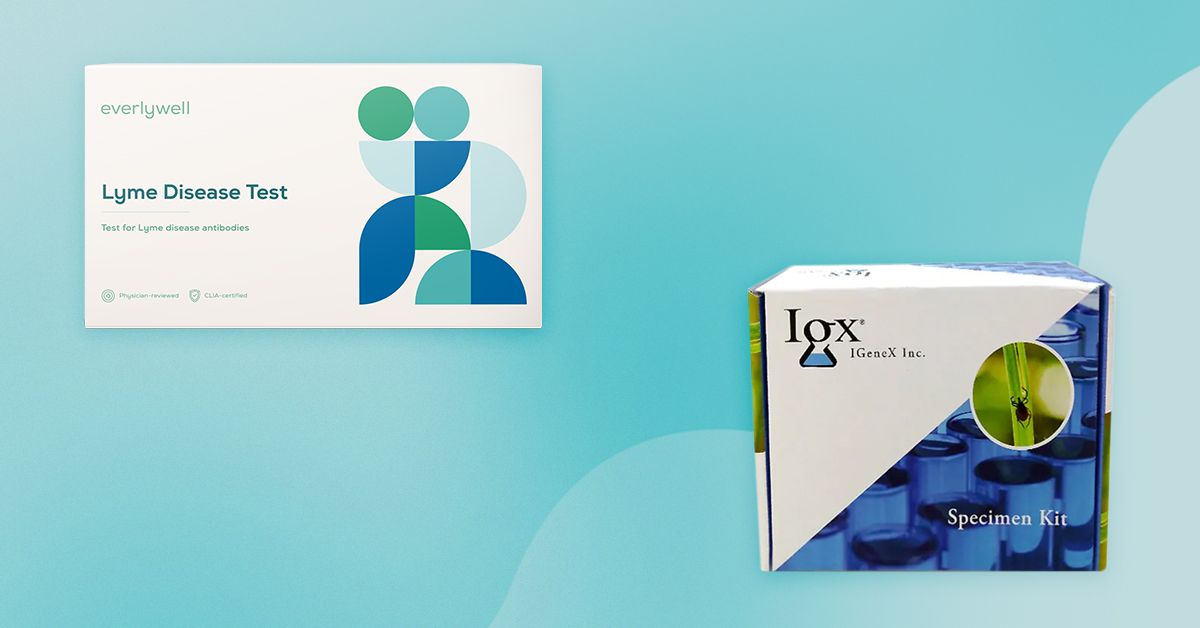
At-home Lyme disease tests can be tempting. Nobody loves sitting in a waiting room flipping through a 2018 magazine about kitchen backsplashes. However, Lyme testing is not just about drawing blood or pricking a finger. The real value is in choosing the right test and interpreting the result against symptoms, timing, geography, and medical history.
If an at-home kit uses a reputable laboratory and FDA-cleared or validated methods, it may provide useful information in some situations. But a result without medical interpretation can create more confusion than clarity. A negative test early after infection may not rule out Lyme disease. A positive test may reflect past exposure rather than active illness. Over-the-counter or unvalidated tests marketed with big promises should be treated carefully, especially if they claim to diagnose chronic Lyme disease with methods not recommended by mainstream guidelines.
Tests That Are Usually Not the Best Choice
Some Lyme disease tests sound scientific but are not recommended for routine diagnosis. These may include urine antigen tests, lymphocyte transformation tests, CD57 lymphocyte counts, unvalidated specialty panels, and stand-alone Western blot testing without a proper first-tier screening test. Tick testing is also not used to diagnose a person. A tick may test positive, but that does not prove transmission occurred. A tick may test negative, but that does not rule out another unnoticed bite.
Be cautious with any test that promises absolute answers, especially for vague long-term symptoms without a clear exposure history. Lyme disease is real, and so are post-treatment symptoms in some patients. But inaccurate testing can lead to unnecessary antibiotics, delayed diagnosis of other conditions, and a wallet that looks like it was bitten by the tick instead.
How to Choose the Best Lyme Disease Test
1. Start With Symptoms and Timing
If you have a classic expanding rash, the best next step is medical evaluation, not waiting for a blood test. If symptoms are early and nonspecific, testing may be negative at first. If symptoms have lasted several weeks or involve joints, nerves, or the heart, two-tier antibody testing becomes more informative.
2. Consider Geography and Exposure
Lyme disease is more common in the Northeast, Mid-Atlantic, upper Midwest, and parts of the Pacific Coast, but ticks and tick-borne diseases are expanding in many regions. Tell your clinician where you live, where you traveled, whether you spent time in wooded or grassy areas, and whether you found a tick attached.
3. Use FDA-Cleared Two-Tier Testing
The strongest general recommendation is to use an FDA-cleared two-tier testing process. Ask whether the lab performs standard two-tier testing or modified two-tier testing. Both can be appropriate when used correctly.
4. Do Not Interpret Results Alone
A Lyme test result is not a fortune cookie. It does not tell the whole story in one sentence. A healthcare provider should interpret the result alongside your symptoms, physical exam, risk factors, and timing.
What Your Lyme Test Results May Mean
| Result Pattern | Possible Meaning | What to Discuss With a Clinician |
|---|---|---|
| Negative early test | May mean no Lyme disease, or testing occurred before antibodies developed. | Whether repeat testing is needed if symptoms and exposure risk are strong. |
| Positive two-tier test | Supports current or past infection when symptoms fit. | Whether symptoms suggest active Lyme disease or prior exposure. |
| Positive IgM only after 30 days | May be misleading and can increase false-positive risk. | Whether IgG results and clinical signs support the diagnosis. |
| Persistent positive antibodies after treatment | Antibodies can remain detectable even after infection is treated. | Why repeat antibody tests are usually not used as a “cure test.” |
Should You Test for Other Tick-Borne Diseases?
Sometimes the best Lyme disease testing plan includes looking beyond Lyme. Ticks can transmit other infections, including anaplasmosis, babesiosis, ehrlichiosis, Rocky Mountain spotted fever, and others depending on the region. If you have high fever, low white blood cell counts, low platelets, abnormal liver enzymes, severe headache, or symptoms that do not match classic Lyme disease, your clinician may consider additional tick-borne disease tests.
This is especially important because some co-infections require different treatment. Babesiosis, for example, is a parasite infection and is not treated the same way as Lyme disease. A good testing plan is not just “test for Lyme and call it a day.” It is “match the test to the patient, the place, and the pattern.” Less catchy, but much more useful.
Practical Questions to Ask Your Doctor
- Do my symptoms and exposure history fit Lyme disease?
- Is my rash typical enough to diagnose Lyme disease without lab testing?
- Which testing algorithm does this lab use: standard two-tier or modified two-tier?
- How long after symptom onset was my sample collected?
- If my test is negative but symptoms continue, should I repeat testing?
- Do my symptoms suggest another tick-borne infection?
- Could another condition explain my symptoms better than Lyme disease?
Experience Notes: What People Often Learn During Lyme Testing
Many people begin the Lyme testing journey expecting a simple answer. They want the medical equivalent of a light switch: positive means Lyme, negative means not Lyme. The experience is usually more like adjusting a dimmer in a room full of mosquitoes. Timing, symptoms, and risk level all change how much a test result can tell you.
One common experience is testing too soon. Someone hikes on Saturday, finds a tick on Sunday, feels tired on Tuesday, and wants a blood test immediately. That reaction is understandableticks are not exactly calming creaturesbut early antibody testing may not be helpful. If symptoms are mild and there is no rash, a clinician may recommend monitoring. If a classic rash appears, treatment may be started even if testing would likely be negative. The lesson: early Lyme disease is often diagnosed by pattern recognition, not by forcing a lab test to perform before the immune system has had time to respond.
Another common experience is confusion over old antibodies. A person may test positive months or years after a past infection and assume it means the bacteria are still active. Sometimes that is possible if symptoms fit, but antibodies can remain detectable long after treatment. This is why repeat antibody testing is not usually a good way to prove that treatment worked. People often feel frustrated by this, because it seems unfair that the test can say “you met Lyme before” without saying whether Lyme is currently causing the problem. Unfortunately, antibodies have memories. They are not always good at providing timestamps.
Patients also learn that vague symptoms require a broad medical view. Fatigue, brain fog, muscle aches, and joint pain can happen with Lyme disease, but they can also come from thyroid disease, autoimmune conditions, viral infections, sleep disorders, vitamin deficiencies, medication effects, depression, anxiety, and many other causes. A careful clinician will not dismiss Lyme disease, but they also should not blame every symptom on it without evidence. The best experience is usually with a provider who says, “Let’s look at the full picture,” rather than one who treats the test result like a magic spell.
People who have been through testing often recommend keeping a simple timeline. Write down the date of possible tick exposure, when symptoms started, when a rash appeared, what it looked like, where you traveled, and any medications you took. Take clear photos of rashes with good lighting and a size reference, such as a coin or ruler. This information can be more helpful than a long, panicked internet search at 2 a.m.although, to be fair, we have all met the 2 a.m. search gremlin.
The final practical lesson is to be cautious but not cynical. Standard Lyme tests have limitations, especially early, but that does not mean every alternative test is better. Some unvalidated tests can produce misleading results and lead people into expensive or unnecessary treatment. The best Lyme disease testing experience usually combines evidence-based labs, a clinician who listens, and a patient who tracks symptoms clearly. That trio is not flashy, but it is far more reliable than chasing every test with a dramatic name and a dramatic price tag.
Conclusion: So, What Is the Best Lyme Disease Test?
The best Lyme disease test for most symptomatic patients is FDA-cleared two-tier antibody testing, either standard two-tier testing with EIA followed by immunoblot or modified two-tier testing with two EIAs. For early Lyme disease with a classic erythema migrans rash, the best “test” may be a clinical diagnosis by a qualified healthcare provider, because blood tests can be falsely negative in the first weeks. For later Lyme disease, especially Lyme arthritis, two-tier serology is usually more helpful. For neurologic cases, serum antibody testing and, when appropriate, CSF-to-serum antibody index testing may be used.
The smartest approach is not to chase the most expensive or exotic test. It is to match the test to the symptoms, timing, exposure risk, and medical exam. Lyme disease testing works best when it supports clinical judgmentnot when it replaces it.