

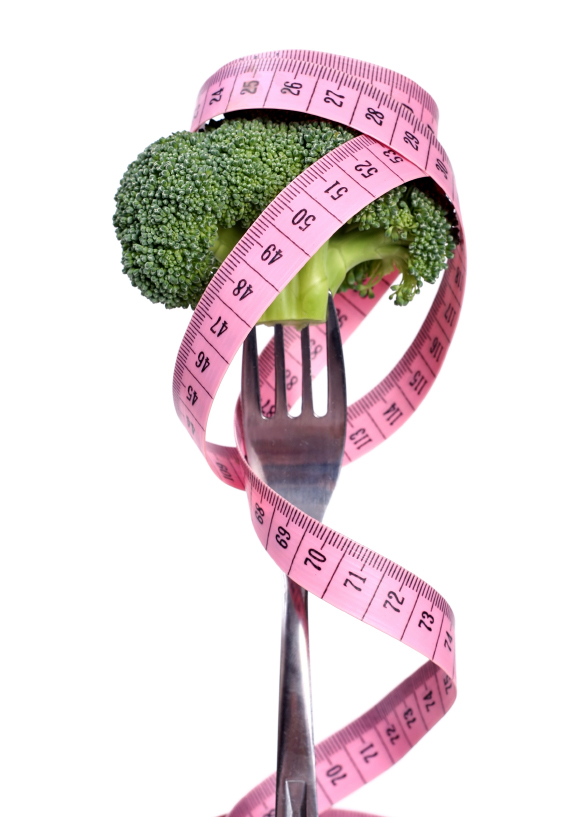
Losing weight sounds simple until life shows up wearing sweatpants and carrying a family-size bag of chips. Most people do not struggle because they lack willpower. They struggle because modern life makes weight gain ridiculously easy: oversized portions, desk jobs, late-night scrolling, sugary drinks, stress snacks, and “just one bite” desserts that somehow become a whole plate.
The good news is that weight loss does not require a dramatic personality transplant. You do not need to live on celery, name your treadmill, or break up with every food that brings you joy. The most effective approach is usually the least theatrical one: create a modest calorie deficit, eat more satisfying foods, move more often, sleep better, manage stress, and build habits you can actually repeat on a Tuesday when life is annoying.
This guide explains 6 simple ways to lose weight using practical, science-based strategies that fit real life. Think of it as a friendly roadmap, not a punishment plan.
Why Simple Weight Loss Habits Work Better Than Extreme Diets
Extreme diets often promise fast results, but they usually come with a hidden subscription fee: hunger, frustration, cravings, and rebound weight gain. Healthy weight loss works best when it is steady, realistic, and built around behaviors you can maintain long after the “new year, new me” energy has left the building.
At its core, weight loss happens when your body uses more energy than you take in over time. But that does not mean you must count every crumb like a detective at a cookie crime scene. Instead, you can make small changes that naturally reduce calorie intake while improving nutrition, fullness, energy, and consistency.
The six methods below are simple, but not shallow. They address the big levers of weight management: food quality, portion awareness, movement, strength, sleep, and mindset.
1. Build Meals Around Protein, Fiber, and Whole Foods
One of the easiest ways to lose weight without feeling constantly hungry is to build meals around foods that keep you full. Protein and fiber are the MVPs here. Protein supports muscle, helps with fullness, and makes meals more satisfying. Fiber slows digestion, supports gut health, and helps you feel full with fewer calories.
What This Looks Like on a Plate
A simple weight loss plate might include grilled chicken, salmon, eggs, Greek yogurt, tofu, beans, lentils, or turkey for protein. Add fiber-rich foods like vegetables, fruit, oats, brown rice, quinoa, whole-grain bread, black beans, chickpeas, or berries. Then include a small amount of healthy fat, such as avocado, olive oil, nuts, or seeds.
For example, instead of a plain bagel for breakfast, try Greek yogurt with berries and oats. Instead of a fast-food lunch that disappears in five minutes and leaves you hungry in an hour, try a chicken salad bowl with beans, vegetables, salsa, and avocado. You are not “dieting.” You are upgrading the meal so your stomach does not file a complaint by 3 p.m.
Simple Food Swaps That Help
Swap sugary cereal for oatmeal with fruit. Replace chips with air-popped popcorn or carrots and hummus. Choose grilled or baked foods more often than fried foods. Pick water or unsweetened drinks instead of soda. Use whole-grain bread instead of white bread when you enjoy sandwiches. None of these swaps are magical, but together they can quietly reduce calories and improve nutrition.
2. Watch Portions Without Becoming Obsessed
Portion control is one of the most useful weight loss skills because even healthy foods can add up. Nuts, olive oil, granola, cheese, smoothies, and restaurant meals can be nutritious but calorie-dense. That does not make them “bad.” It just means portions matter.
You do not need to weigh every grape. Start with visual cues. Fill half your plate with non-starchy vegetables, one quarter with lean protein, and one quarter with a smart carbohydrate such as potatoes, brown rice, beans, or whole grains. Add a small amount of fat for flavor and satisfaction.
Use the “First Plate” Rule
When eating at home, serve your food on a plate instead of eating from the bag, box, or pan. The human brain is not great at tracking handfuls. A serving of crackers can become a “cracker experience” before you know it. Plating food gives your brain a clear beginning and end.
At restaurants, consider boxing half the meal before you start, sharing an entree, ordering a side salad, or skipping the appetizer if the main dish is large. Restaurant portions are often built for entertainment value, not necessarily for your personal energy needs.
Slow Down and Let Fullness Catch Up
Eating quickly can lead to overeating because fullness signals take time. Try putting your fork down between bites, drinking water during meals, and checking in halfway through. Ask yourself: “Am I still hungry, or am I just enjoying the flavor?” Both are valid, but they are not the same thing.
3. Move More Every Day, Especially by Walking
Exercise does not have to look like a dramatic movie montage. Walking is one of the simplest, most underrated ways to support weight loss. It is low-cost, beginner-friendly, easy on the joints, and surprisingly powerful when done consistently.
Aim for more daily movement before worrying about perfect workouts. Take a 10-minute walk after meals. Park farther away. Use stairs when reasonable. Walk during phone calls. Do a few laps around the house while your coffee brews. Your body does not care whether movement happens in a fancy gym or while you are wearing mismatched socks in your hallway.
How Much Activity Should You Aim For?
A practical goal for many adults is at least 150 minutes of moderate-intensity aerobic activity per week, such as brisk walking. That can be 30 minutes, five days per week, or shorter chunks spread across the day. If you are starting from very little activity, begin with 5 to 10 minutes and build gradually.
Weight loss does not require punishment workouts. Consistency beats intensity for most people. A walk you actually take is better than a brutal workout you keep postponing until “next Monday,” also known as the international holiday of imaginary fitness.
Make Walking More Effective
To increase results, vary your pace. Walk comfortably for a few minutes, then add short bursts of faster walking. Try gentle hills, longer weekend walks, or walking after dinner to reduce evening snacking. Pair walks with music, podcasts, audiobooks, or a friend so the habit feels less like exercise and more like a daily reset.
4. Add Strength Training Twice a Week
Cardio helps burn calories, but strength training helps protect muscle while you lose weight. This matters because muscle is active tissue, supports metabolism, improves shape, protects joints, and makes everyday tasks easier. Weight loss should not mean becoming a smaller but weaker version of yourself.
You do not need a full gym setup. Bodyweight exercises can work beautifully: squats, wall push-ups, lunges, glute bridges, planks, step-ups, and resistance band rows. Dumbbells, kettlebells, or machines can also help if you have access to them.
A Simple Beginner Strength Plan
Try two sessions per week with five basic moves: a squat movement, a push movement, a pull movement, a hinge movement, and a core movement. For example: chair squats, incline push-ups, resistance band rows, hip hinges, and planks. Perform 2 to 3 sets of 8 to 12 repetitions, using a level that feels challenging but controlled.
Strength training should feel like effort, not chaos. Good form matters more than heavy weight. If you are new, start light and progress slowly. Your future knees and back will send thank-you cards.
Why Muscle Helps With Long-Term Weight Loss
When people lose weight quickly through severe calorie restriction, they may lose both fat and muscle. Strength training, adequate protein, and reasonable calorie reduction help shift the goal toward fat loss while preserving lean tissue. This makes your weight loss plan healthier and more sustainable.
5. Sleep Better and Manage Stress Before They Manage Your Appetite
Sleep and stress are often treated like side characters in weight loss, but they can steal the whole show. Poor sleep can increase hunger, cravings, and late-night snacking. Stress can push people toward quick comfort foods, especially foods high in sugar, fat, and salt. Nobody craves steamed broccoli during a stressful deadline. The brain usually requests cookies with dramatic urgency.
Simple Sleep Habits That Support Weight Loss
Try to keep a consistent bedtime and wake time. Reduce screen use before bed or use night settings. Keep your room cool, dark, and quiet. Avoid heavy meals and too much caffeine late in the day. Create a short wind-down routine, such as stretching, reading, journaling, or taking a warm shower.
Better sleep does not guarantee weight loss by itself, but it makes healthy choices easier. When you are rested, you are more likely to cook, walk, resist random snacks, and remember that your gym shoes exist.
Stress Management Without Complicating Your Life
Stress management does not have to mean a silent retreat in the mountains. Try three deep breaths before meals. Take a short walk when anxiety rises. Keep tempting snack foods out of your direct line of sight. Prepare easy meals for busy days. Call a friend. Write a quick to-do list so your brain stops juggling flaming bowling pins.
The goal is not a stress-free life. That is not realistic. The goal is to create healthier responses to stress so food is not your only coping tool.
6. Track One or Two Habits, Not Your Entire Existence
Tracking can be helpful, but it should not become a second job. Some people do well tracking calories. Others prefer tracking protein, steps, water, vegetables, workouts, or weekly weight. The best tracking method is the one that gives useful feedback without making you feel trapped.
Choose Simple Metrics
For beginners, try tracking two habits for 30 days: daily steps and protein at breakfast, or vegetables at lunch and bedtime consistency. These habits are easy to observe and strongly connected to weight management. You can also weigh yourself once or twice per week, but remember that body weight naturally fluctuates due to water, sodium, hormones, digestion, and exercise.
Do not panic over one weigh-in. Look for trends. A single number is a snapshot; a trend is the movie.
Use the “Never Miss Twice” Rule
Missing one workout, overeating one meal, or having dessert at a birthday party does not ruin anything. The problem starts when one off-plan moment becomes a week of “well, I already messed up.” Use the never miss twice rule. If lunch was chaotic, make dinner balanced. If you skipped Monday’s walk, walk Tuesday. No drama, no guilt, no fake courtroom trial against yourself.
Common Weight Loss Mistakes to Avoid
Trying to Lose Weight Too Fast
Fast weight loss can be tempting, but aggressive plans are often harder to maintain. A slower approach usually allows more food flexibility, better workouts, improved mood, and less rebound eating. Sustainable weight loss is not a race; it is a renovation project.
Drinking Too Many Calories
Soda, sweet tea, fancy coffee drinks, juice, cocktails, and smoothies can add a lot of calories without making you feel full. You do not need to drink only plain water forever, but reducing liquid calories is one of the simplest ways to create a calorie deficit.
Depending on Motivation
Motivation is nice, but unreliable. Build systems instead. Keep protein options ready. Put walking shoes near the door. Plan two easy dinners. Schedule workouts like appointments. Make the healthy choice the convenient choice.
of Real-Life Experience: What Losing Weight Actually Feels Like
The most honest thing about weight loss is that it rarely feels like a straight line. It feels more like learning to drive a car with a sensitive gas pedal. Some weeks go smoothly. Other weeks include birthdays, work stress, travel, bad sleep, family dinners, and a mysterious voice in your kitchen whispering, “Cheese counts as a snack.”
In real life, the people who succeed are not perfect. They are flexible. They learn how to restart quickly. They stop treating one indulgent meal like a disaster. They also stop waiting for the perfect Monday, perfect grocery list, perfect workout plan, or perfect mood. They begin with what is available.
One useful experience is discovering that hunger is not always hunger. Sometimes it is boredom. Sometimes it is thirst. Sometimes it is stress wearing a fake mustache. A person may walk into the kitchen looking for chips and realize they actually need a break, a glass of water, or ten minutes away from a screen. This awareness is powerful because it creates a pause between craving and action.
Another common experience is learning that simple meals are not boring when they are well seasoned. A bowl with chicken, rice, vegetables, salsa, and avocado can taste better than a complicated “diet recipe” that requires fourteen ingredients and emotional support. Weight loss becomes easier when meals are repeatable. You do not need a brand-new menu every day. You need a few reliable breakfasts, lunches, dinners, and snacks that keep you full and fit your schedule.
Walking also teaches a surprising lesson: movement improves mood before it changes the scale. Many people start walking to lose weight and continue because they sleep better, think more clearly, feel less stressed, and enjoy having a daily pocket of peace. The scale may move slowly, but the mental benefits often show up quickly.
Strength training can feel intimidating at first, especially for beginners. But after a few weeks, small victories appear. Stairs feel easier. Groceries feel lighter. Posture improves. Clothes fit differently. These changes build confidence because they prove the body is adapting, even when the scale acts like it is buffering on slow internet.
Perhaps the biggest experience is realizing that weight loss is not about hating your current body. It is about caring for it better. Shame may create a short burst of effort, but kindness creates consistency. When you eat a balanced meal, take a walk, sleep on time, or choose water instead of soda, you are casting a vote for the kind of life you want. One vote does not decide the election, but repeated votes change the outcome.
The best weight loss plan is not the harshest one. It is the one you can live with. It allows birthday cake, busy days, imperfect workouts, and normal human behavior. It helps you return to your habits without guilt. That is where lasting progress happens: not in the perfect week, but in the ordinary week you learn how to handle well.
Conclusion: Keep Weight Loss Simple, Steady, and Human
The six simple ways to lose weight are not flashy, but they work because they target the foundations: eat filling whole foods, manage portions, walk more, strength train, sleep better, and track a few helpful habits. These actions create a healthier lifestyle without turning your day into a spreadsheet of suffering.
Start small. Pick one habit this week. Add another when the first feels easier. Weight loss becomes less overwhelming when you stop trying to change everything overnight. Your goal is not to be perfect. Your goal is to become consistent enough that healthy choices feel normal, automatic, and maybe even enjoyable.
Note: This article is for general educational purposes only. Anyone with a medical condition, history of eating disorders, pregnancy, or questions about medications should speak with a qualified healthcare professional before starting a weight loss plan.