

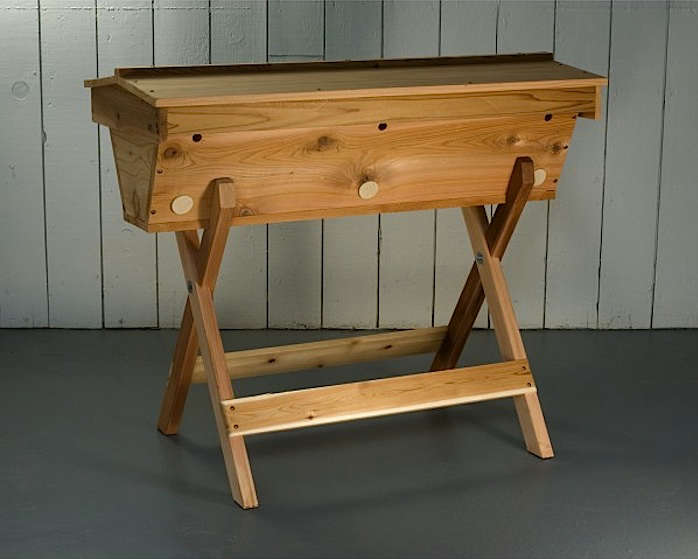
Bee Thinking’s Top Bar Hive has earned a special place in the backyard beekeeping world because it looks less like an industrial box stack and more like a thoughtful wooden home for bees. It is simple, horizontal, approachable, and refreshingly free from the “weightlifting with insects” routine that can come with traditional stacked hives. For new beekeepers, gardeners, homesteaders, and natural beekeeping fans, the design offers a charming way to observe a colony without turning every inspection into a dramatic episode of Honeycomb: The Reckoning.
Today, Bee Thinking’s legacy is closely tied to BeeBuilt, the modern continuation of the brand’s hive-making philosophy. The current BeeBuilt Top Bar Hive keeps many of the ideas that made Bee Thinking popular: natural comb building, attractive cedar construction, easy observation, and hands-on management. It is not the perfect hive for every beekeeper, but for the right person, it can be a rewarding, educational, and surprisingly beautiful addition to a backyard apiary.
What Is Bee Thinking’s Top Bar Hive?
A top bar hive is a horizontal beehive where bees build comb downward from individual wooden bars instead of inside four-sided frames. Unlike the stacked Langstroth hive, which grows upward by adding boxes, a top bar hive expands sideways. The beekeeper moves follower boards and adds empty bars as the colony grows. Think of it as a long, cozy cabin for bees rather than a vertical apartment building.
Bee Thinking became known for foundationless hive designs that encouraged bees to build their own comb. That idea appeals to many natural beekeepers because it allows the colony to create comb in a more instinctive pattern. The beekeeper still manages the hive, of course. Bees are not tiny interns who automatically file everything correctly. But the system offers a more direct relationship between beekeeper and colony.
Why Top Bar Hives Appeal to Backyard Beekeepers
The biggest attraction is simplicity. A top bar hive does not require stacks of heavy boxes, a large collection of frames, or a centrifugal extractor. During inspections, the beekeeper usually lifts one comb at a time. A full honey bar may weigh only several pounds, which is much easier to handle than a full honey super that can feel like it was packed by a gym trainer with a grudge.
Top bar hives also make observation easier. Many Bee Thinking and BeeBuilt-style top bar hives include viewing windows, allowing beekeepers to peek at colony activity without fully opening the hive. This is especially useful for beginners who want to learn bee behavior without disturbing the colony every time curiosity strikes.
Key Features of the BeeBuilt Top Bar Hive
The current BeeBuilt Top Bar Hive reflects the design heritage associated with Bee Thinking while adding updated materials and refinements. Current models are made from Western Red Cedar, a wood valued for outdoor durability, natural rot resistance, and insulation. The hive body is designed as a long horizontal cavity, giving the colony room for brood, honey storage, and seasonal expansion.
Western Red Cedar Construction
Western Red Cedar is one of the defining materials of the Bee Thinking and BeeBuilt hive identity. It looks beautiful in a garden setting and performs well outdoors. Because the hive will face sun, rain, temperature swings, and the occasional bird who thinks it owns the property, durable lumber matters. Cedar also reduces the need for heavy exterior finishing, though many beekeepers still choose a natural oil finish for added protection.
Individual Top Bars
The hive uses individual top bars that guide bees to build comb downward. The current BeeBuilt design includes 19-inch top bars, a practical size that helps with compatibility and handling. A good top bar design matters because straight comb is the difference between peaceful inspection and sticky architecture class gone wrong.
Viewing Windows
Viewing windows are one of the hive’s most beginner-friendly features. They allow quick visual checks for activity, comb progress, clustering, and general colony behavior. A window is not a substitute for real inspections, but it can reduce unnecessary disturbance. It also gives family members, students, or curious neighbors a safe way to see the colony at work without turning the backyard into a bee-themed escape room.
Follower Board Management
A follower board acts like a movable wall. When a new colony is installed, the beekeeper gives the bees a smaller space to manage. As the colony expands, the follower board is moved and new bars are added. This helps the colony conserve heat, defend its space, and build comb in a controlled way. In practice, it also teaches the beekeeper to pay attention to growth instead of simply stacking more equipment and hoping for the best.
Bee Thinking’s Top Bar Hive vs. Langstroth Hive
The Langstroth hive remains the most common hive style in the United States. It uses standardized boxes and removable frames, which makes it efficient for honey production, inspections, equipment replacement, and mentorship. If your goal is maximum honey yield, commercial scalability, or easy help from local beekeeping clubs, Langstroth usually wins.
Bee Thinking’s Top Bar Hive, however, wins in approachability and experience. It is easier on the back, easier to observe, and often more attractive in a backyard. It also invites a slower, more intimate style of beekeeping. You are not just managing equipment; you are watching a colony build its living structure one comb at a time.
The tradeoff is that top bar hives usually require more careful early management. They can produce less surplus honey than Langstroth hives, and the comb is more fragile because it is not fully supported by a frame. That does not make the hive inferior. It simply means the beekeeper must choose based on goals, climate, experience, and available support.
The Natural Comb Advantage
One reason people search for Bee Thinking’s Top Bar Hive is the appeal of natural comb. Bees build their own wax comb from the top bars, shaping the colony interior according to their needs. This can be fascinating to observe. Fresh white comb, warm with bees and nectar, is one of the small miracles of beekeeping. It also smells incredible, like honey, flowers, and sunshine somehow decided to become furniture.
Natural comb also means the beekeeper harvests both honey and beeswax. Instead of uncapping frames and spinning them in an extractor, top bar honey is commonly harvested by crush-and-strain. The comb is cut from the bar, crushed, and strained through mesh. This method is simple, inexpensive, and suitable for small-scale honey harvesting. The downside is that the bees must rebuild comb afterward, which takes energy and resources.
Challenges to Know Before Buying
A top bar hive is charming, but it is not maintenance-free. In fact, early inspections are especially important. When a colony is first installed, bees may build comb at an angle or attach it across multiple bars. This is called cross comb, and it can make later inspections difficult or even impossible without damaging comb.
The best prevention is regular early monitoring. The hive should be level, the colony should not be given too much open space at once, and crooked comb should be corrected while it is still soft and manageable. Waiting too long can turn a small correction into a sticky rescue mission involving rubber bands, patience, and a quiet apology to every bee in the room.
How to Manage Bee Thinking’s Top Bar Hive
For a new colony, many top bar beekeepers begin by giving the bees access to a limited number of bars, often around eight to twelve, depending on colony size and local conditions. The follower board keeps the space compact. The beekeeper opens only the entrance near the colony so the brood nest forms in a predictable area.
As the bees build out comb, the beekeeper adds space gradually. A common management habit is to stay a few empty bars ahead of the colony’s built comb during the active season. This gives the bees room to expand without creating a huge empty cavity where they may build wild comb in whatever direction their tiny bee committee approves.
Inspection Rhythm
During spring buildup and early colony establishment, inspections may need to happen more often than with a mature Langstroth colony. The goal is not to bother the bees for fun. The goal is to confirm that comb is straight, brood is healthy, the queen is laying, food stores are adequate, and the colony has room to grow. Once the comb pattern is established, inspections often become smoother and faster.
Honey Harvesting
Honey harvesting from a top bar hive is beautifully low-tech. Select fully capped honeycomb, remove the bar, brush off bees gently, cut the comb, crush it, and strain the honey. Many beekeepers avoid harvesting during the first year so the colony can build strength and winter stores. This is wise, especially in colder climates or areas with unpredictable nectar flows.
Winter Preparation
Winter preparation depends heavily on local climate. Beekeepers should confirm that the colony has enough honey stores, reduce unused space, manage ventilation, and protect the hive from excessive moisture. Local beekeeping associations and extension offices are valuable because winter in Portland, Oregon is not the same as winter in Minnesota, Maine, or a place where your mailbox gets personally attacked by snow.
Who Should Choose Bee Thinking’s Top Bar Hive?
This hive is a strong fit for backyard beekeepers who value learning, observation, natural comb, and low-lift management. It is especially appealing to gardeners, educators, homesteaders, and people who want a hive that feels integrated into a yard rather than parked there like a wooden filing cabinet.
It may not be the best first choice for someone who wants maximum honey production, standardized equipment, or easy compatibility with local mentors who mostly use Langstroth hives. Before choosing any hive, a beginner should ask: What is my main goal? Honey? Pollination? Education? Natural beekeeping? A beautiful backyard experience? The right answer determines the right hive.
Practical Buying Tips
When evaluating Bee Thinking’s Top Bar Hive or the current BeeBuilt version, pay attention to materials, bar size, roof quality, ventilation, bottom board design, and whether the hive includes follower boards and viewing windows. A lower-cost hive can become expensive if it warps, leaks, or encourages poor comb alignment.
Also consider your learning support. Join a local beekeeping club, but be aware that many clubs focus heavily on Langstroth hives. Look for mentors with top bar experience, online courses, books, or regional groups dedicated to horizontal hive management. Bees are local creatures, and local advice can be worth more than a dozen generic internet debates.
Common Mistakes Beginners Make
The first mistake is giving the colony too much space too soon. A giant empty cavity can lead to irregular comb and a colony that struggles to regulate temperature. The second mistake is ignoring the hive during the first few weeks. Top bar hives reward attention. They do not reward the “I’ll check next month” strategy.
The third mistake is expecting huge honey crops immediately. In a top bar hive, the first season is often about colony establishment, comb building, and learning. Honey is wonderful, but colony survival comes first. A patient beekeeper usually gets better results than a greedy one. Bees are generous, but they are not a vending machine with wings.
Experience Notes: What It Feels Like to Use Bee Thinking’s Top Bar Hive
Working with a Bee Thinking-style top bar hive feels different from working with a stacked hive. The first thing most people notice is the pace. You open the roof, remove one bar, and suddenly the inspection becomes quiet and focused. There is no dramatic lifting of boxes, no balancing supers on the ground, and no wondering whether your lower back has officially resigned.
The viewing window changes the relationship, too. Before opening the hive, you can look inside and see whether the bees are clustered, calm, active, or building new comb. This small moment teaches patience. Instead of rushing in with a smoker and hive tool, you observe first. You begin to notice patterns: how bees gather near fresh comb, how they fan at the entrance, how the colony expands from one side, and how quickly a new bar can become a curtain of wax.
For beginners, the emotional experience can be surprisingly powerful. The first straight comb feels like a victory. The first crooked comb feels like a personal insult from insects who have never read the manual. Correcting it gently is part of the learning curve. You discover that top bar beekeeping is not passive. It asks you to be present, especially during the colony’s early growth.
Harvesting honey from a top bar hive also feels more connected to the bees’ work. Crush-and-strain honey is slower than using an extractor, but it is deeply satisfying. The comb is fragrant, golden, and delicate. You see exactly what the bees built. You also get wax, which can be used for candles, salves, wraps, or the proud declaration, “Yes, I made this, and no, I will not stop talking about bees.”
The hive’s appearance matters more than people admit. A cedar top bar hive with a handsome roof and clean lines looks at home in a garden. It can become a conversation piece, a teaching tool, and a daily reminder that food systems begin with small living things doing extraordinary work. Visitors who might feel intimidated by a stack of white boxes often find a horizontal cedar hive more approachable.
The biggest lesson from using this style of hive is humility. Bees do not care about marketing claims, product descriptions, or your color-coordinated beekeeping gloves. They respond to space, weather, nectar, disease pressure, queen quality, and the beekeeper’s timing. A well-built hive helps, but good management matters just as much. Bee Thinking’s Top Bar Hive gives beekeepers a beautiful, practical platform; the real success comes from observation, consistency, and knowing when to intervene and when to let the bees be bees.
Conclusion
Bee Thinking’s Top Bar Hive remains a meaningful design for people who want beekeeping to feel natural, educational, and manageable. Its horizontal layout, natural comb system, cedar construction, viewing windows, and low-lift inspections make it especially attractive for backyard beekeepers. It is not the highest-yield honey machine, and it demands careful early management, but it offers something many beekeepers value even more: a closer relationship with the colony.
For gardeners, homesteaders, educators, and curious beginners, the Bee Thinking-style top bar hive can turn beekeeping into a hands-on study of bee behavior, seasonal rhythms, and patient stewardship. Choose it for the experience, not just the honey. The honey is a bonus. The real reward is learning to work with bees without pretending you are the boss of the entire flower-powered universe.