

If you have ever looked around your house and thought, “I need a dozen bins, three drawer dividers, a label maker, and possibly a small miracle,” take a deep breath. The miracle is optional. The bins are probably optional, too. The truth is, some of the best home organization ideas cost exactly zero dollars. No late-night cart checkout. No trendy acrylic containers. No “starter set” that somehow turns into a $147 commitment.
Organizing your home without spending any money is not about making your space look like a showroom where nobody actually lives. It is about making your home easier to use. When your counters are clearer, your closet is less chaotic, and your everyday essentials are easier to find, life runs more smoothly. Mornings feel less frantic. Cleaning gets faster. You stop buying duplicates because you can finally see what you already own. That is not just organization. That is financial and mental self-defense.
The best part? A zero-budget organizing project forces you to solve the real problem instead of covering it with cute containers. Most disorganization does not come from a lack of products. It comes from too much stuff, vague storage habits, and the classic household hobby known as putting things down “for just a second” and never seeing them again.
Why organizing for free actually works
When you organize without spending money, you are more likely to focus on habits, layout, and function. That means you build systems you can actually keep up with. Instead of buying more storage, you edit what you own, reuse containers you already have, and put high-use items where they make sense. In other words, you stop organizing for Pinterest and start organizing for real life.
Here are seven practical ways to organize your home without spending any money, along with examples that work in actual homes where people cook, work, lose batteries, and somehow own nineteen reusable shopping bags.
1. Declutter before you organize anything
Less stuff is the cheapest organizing system on earth
If you try to organize clutter, you are basically just giving your clutter a nicer seat. Before you rearrange shelves or fold towels like a lifestyle influencer, remove what you do not need. Start with one small area: a single drawer, one kitchen shelf, your nightstand, or the infamous chair that holds clothes but has not been sat in since 2023.
Create simple categories: keep, trash, donate, relocate. That is it. Do not turn the process into a philosophical debate over every expired coupon and mystery charging cable. If you use it, love it, or truly need it, keep it. If not, let it go or move it to the room where it actually belongs.
This step matters because space is finite. The more unnecessary stuff you keep, the harder it becomes to maintain order. Decluttering also reveals what your home really needs. You may discover that you do not need more storage at all. You just need fewer duplicate water bottles, fewer random paper piles, and fewer “just in case” items taking up prime real estate.
Example: If your bathroom cabinet is packed, pull everything out and toss expired products, empty packaging, dried-up mascara, and half-used hotel lotion from a vacation you barely remember. Suddenly, the cabinet is not “too small.” It was just carrying emotional baggage.
2. Group like with like
Stop making your scissors live five separate lives
One of the easiest ways to organize your home for free is to keep similar items together. This sounds obvious, yet many homes quietly store tape in three rooms, batteries in two drawers, and light bulbs in a bag behind a winter blanket for reasons no one can explain.
When you group like with like, your home becomes easier to manage. You know how much you have, where to find it, and when you are running low. Categories reduce visual clutter and prevent the frustrating cycle of buying duplicates because you could not find the original.
Try broad categories first, then get more specific if needed. In the kitchen, group baking supplies, lunch containers, snacks, spices, and food storage items. In the entryway, group keys, sunglasses, dog leashes, reusable bags, and outgoing mail. In the bedroom, keep sleepwear, workout gear, accessories, and seasonal clothing in clearly defined zones.
Example: Instead of storing pens in the kitchen junk drawer, office desk, bedroom nightstand, and mystery basket by the door, gather them into one main location. Keep a few in high-use spots if necessary, but give the category a home base. Your future self will be weirdly grateful.
3. Repurpose containers you already own
Your house is probably full of “free organizers” already
You do not need a matching set of clear bins to get organized. Look around your home before you assume you need to buy anything. Shoeboxes, gift boxes, jars, mugs, baskets, food containers, trays, small bowls, and leftover cardboard boxes can all become useful storage tools.
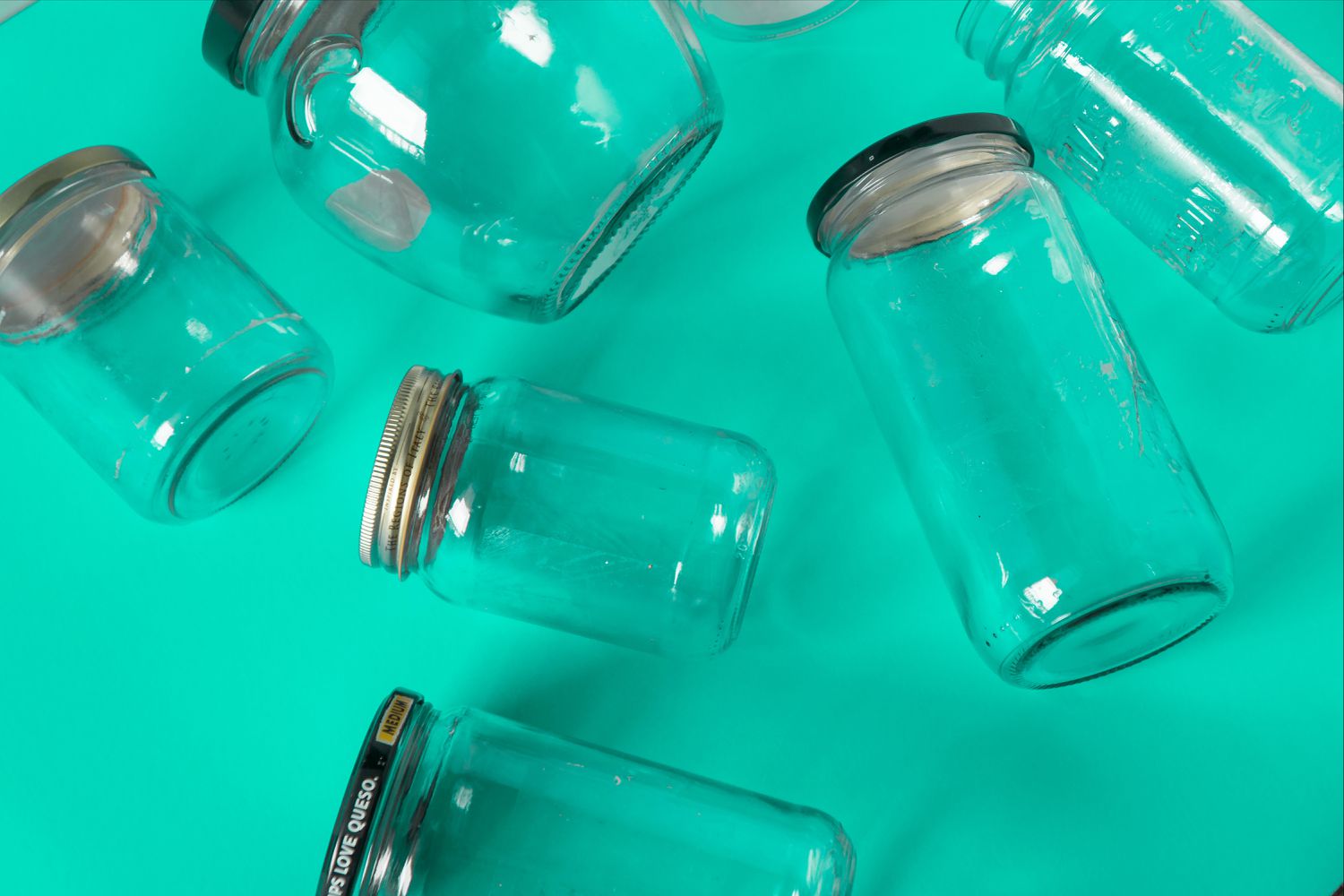
Use shallow boxes inside drawers to separate socks, cables, office supplies, or kitchen gadgets. Repurpose jars for cotton swabs, pens, clips, or spice packets. A baking dish or serving tray can corral oils and condiments on the counter. A bowl by the front door can hold keys and loose change. A tote bag can become a donation bag in your closet.
The beauty of repurposing is that it helps you create boundaries. Even a simple box can define where a category begins and ends. If the box is full, that is your cue to edit the category rather than keep stuffing it until the drawer starts fighting back.
Example: Use small product boxes inside a junk drawer to separate batteries, rubber bands, sticky notes, twist ties, and tape. Is it glamorous? Maybe not. Is it effective? Absolutely. Function beats fancy every time.
4. Create zones based on how you actually live
Organize for routines, not for fantasy versions of yourself
A lot of home organization fails because people store things where they think they should go instead of where they naturally use them. Zero-dollar organizing works best when your storage matches your daily habits.
Create zones for real-life activities: a coffee zone, a homework zone, a pet zone, a mail zone, a cleaning zone, a get-out-the-door zone. Keep the items for each routine together and close to where that routine happens. This reduces friction, and friction is what turns normal households into clutter farms.
If your kids always drop backpacks in the dining room, create a backpack zone nearby instead of pretending they are going to lovingly place them in an upstairs closet every afternoon. If you always open mail in the kitchen, set up a paper zone there with a tray or designated drawer. If you charge devices in the living room, gather cords and chargers in one container instead of letting them snake across every surface like modern vines.
Example: Turn one kitchen drawer into a “launch pad” for daily life: pens, scissors, stamps, tape, a notepad, and incoming mail. That is far more useful than scattering those items across the house and playing hide-and-seek on a weekday morning.
5. Use the space you already have more intentionally
Think vertically, think underused, think “Why is this shelf half empty?”
Many homes feel disorganized not because they lack space, but because the existing space is underused. Before you declare your home too small, look at what is not working. Top shelves, under-bed space, cabinet interiors, and closet floors often become accidental dead zones.
Without buying anything, you can often improve storage by simply rearranging placement. Move rarely used items higher up. Keep everyday essentials at eye level. Store seasonal items together on top shelves. Fold clothes vertically so you can see more at once. Use the back portion of deep cabinets for occasional-use items. Stack items by category instead of letting them spread out like they pay rent.
Visibility matters here. If you cannot see what you own, you will not use it efficiently. The goal is not to cram more in. It is to make the space readable. Good organization lets your home give you answers quickly.
Example: In a linen closet, place current-use towels and toiletries in the middle zone, extra toilet paper and backup supplies on upper shelves, and less-used guest items lower down or in labeled containers you already have. Suddenly, the closet starts acting like a system instead of a fabric avalanche.
6. Label in simple, low-cost ways
You do not need a label maker to tell your family where the batteries go
Labels are not just decorative. They make organizing easier to maintain, especially in shared homes. When people know where things belong, there is a better chance they will put them back. Notice I said better chance, not guarantee. We are organizing a home, not rewriting human nature.
If you already have sticky notes, scrap paper, index cards, tape, or even a marker and some cardboard, you have enough. Label shelves, bins, baskets, drawers, or sections of a closet. Keep the language simple: snacks, lunch supplies, cords, pet items, returns, donate, cleaning cloths.
Labels are especially helpful for paper management, pantry shelves, toy storage, and utility closets. They also help you spot category creep. If the shelf says “baking,” but it is currently holding candles, medicine, and birthday napkins, the label has done its job by revealing the chaos.
Example: Use folded scrap paper inside pantry shelves to mark categories like breakfast, pasta, canned goods, and snacks. It is not glamorous, but neither is buying your fifth box of spaghetti because the other four were hiding behind cereal.
7. Build a free maintenance routine
Organization is not a one-time event; it is a small repeatable habit
You can declutter an entire room on Saturday and still end up with a mess by Wednesday if nothing changes afterward. The homes that stay organized are usually not maintained by heroic all-day cleanups. They are maintained by small, boring, effective habits.
Try a ten-minute evening reset. Put things back where they belong, clear one surface, deal with mail, and return wandering items to their proper rooms. Follow the “do not put it down, put it away” rule whenever possible. Leave rooms empty-handed by taking one item with you that belongs somewhere else. These tiny habits are free, fast, and surprisingly powerful.
You can also do a quick weekly edit. Toss expired food, recycle paper clutter, remove empty containers, and pull one small category for review, such as mugs, socks, reusable bags, or food storage lids. Small maintenance prevents the need for dramatic rescue missions later.
Example: Every Sunday evening, do a fifteen-minute reset of the entryway, fridge, and living room. These high-traffic areas tend to collect the most visual clutter, so even a short refresh can make the entire home feel calmer.
What people often experience when they organize a home for free
If you have never tried organizing your home without spending any money, the experience is usually equal parts satisfying, humbling, and slightly absurd. First comes the realization that you already own plenty of “storage solutions,” but they have been hiding in plain sight. Suddenly, the shoebox you nearly recycled becomes a drawer divider. The random tray in the cabinet becomes a coffee station organizer. The glass jar from pasta sauce becomes pen storage. You start seeing your home less as a collection of problems and more as a collection of possibilities.
Then comes the second discovery, which is more emotional than practical: you probably have more duplicates than you thought. Organizing often reveals three tape dispensers, six pairs of scissors, twelve lip balms, and enough reusable tote bags to survive a minor apocalypse. That moment can feel annoying, but it is also useful. Once you can see what you have, it becomes easier to stop overbuying and start using what is already there.
Another common experience is learning that clutter is often tied to delayed decisions. A pile of papers is not just paper. It is postponed action. A basket of random objects is often a collection of items that never got assigned a permanent home. A crowded closet may not be about storage at all. It may be about habits, sentiment, or the hope that one day you will become the kind of person who wears that very optimistic sequined jacket on a Tuesday morning.
People also tend to notice how much easier cleaning becomes after organizing. When counters are clearer and floors are less crowded, you can wipe, sweep, and reset a room much faster. That is one of the most underrated rewards of organizing without spending money. You are not just making the home look better. You are reducing the effort it takes to maintain it.
There is often a mindset shift, too. At first, organizing on a zero-dollar budget can feel like a limitation. But many people end up finding it more creative and more honest. Without the option of buying your way out of the problem, you have to ask smarter questions. Do I really need this? Where do I naturally use it? What container do I already have? Which system will my household actually follow? Those questions lead to better results than impulse-buying a bunch of matching bins and hoping for the best.
Finally, the most meaningful experience is often the feeling of control that comes back. A home does not need to be perfect to feel peaceful. It just needs to function. When you can open a drawer without bracing yourself, find your keys without a scavenger hunt, and get through a morning without cursing at a pile of paper, your home starts supporting your life instead of interrupting it.
That is why free home organization can be so effective. It teaches you to work with what you have, edit what you do not need, and create simple systems that fit the way you live. No fancy products required. Just a little honesty, a little patience, and perhaps one less junk drawer pretending to be a personality trait.
Final thoughts
You do not need to spend money to create an organized home. In many cases, spending money too early just adds more stuff before you have solved the actual issue. The smartest approach is simpler: declutter first, group similar items, reuse containers you already own, create realistic zones, make better use of existing space, label clearly, and maintain it with short daily resets.
If your home feels overwhelming right now, do not try to fix everything in one dramatic weekend. Pick one drawer. One shelf. One corner. Small wins build momentum, and momentum builds systems. Over time, those systems make your home feel calmer, lighter, and much easier to live in.
And that is the real goal. Not perfection. Not a magazine spread. Just a home where the scissors live in one place, the mail does not reproduce on the counter, and your storage containers are no longer free-range.