

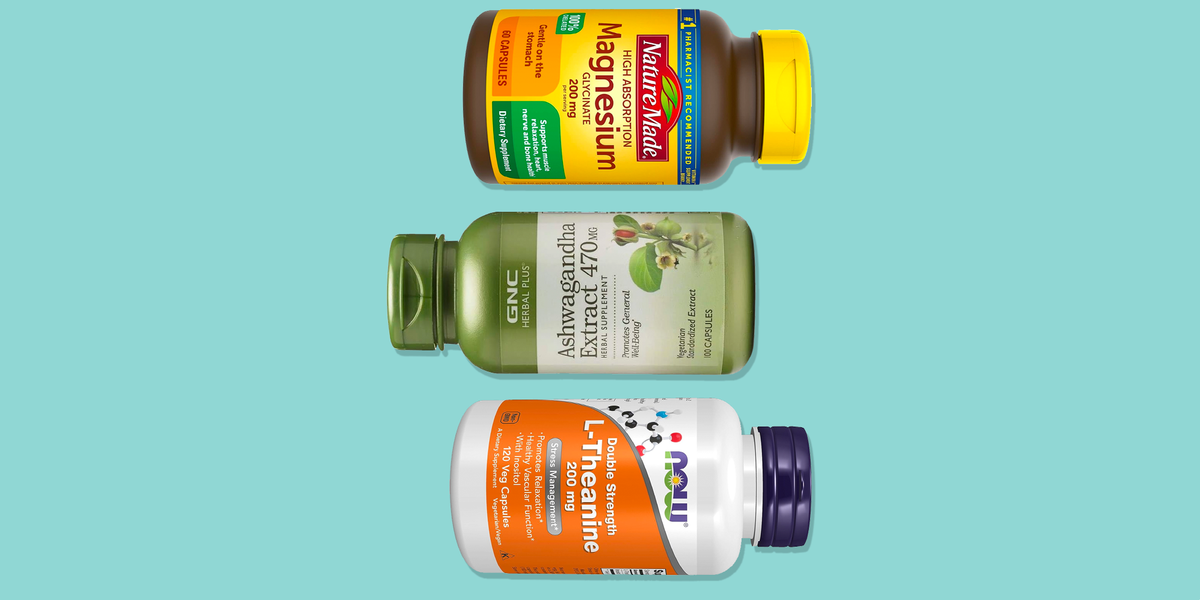
If anxiety had a marketing department, it would be wildly successful. It shows up uninvited, talks over your common sense, and somehow convinces your body that answering one email is the same as escaping a bear. So it makes sense that plenty of people went looking for natural anxiety relief in 2023, especially supplements that promised to take the edge off without turning them into a sleepy houseplant.
Here’s the honest version: some supplements may help certain people feel calmer, sleep better, or handle stress more smoothly. But none of them are magic, and none should replace evidence-based anxiety treatment when symptoms are persistent, severe, or interfering with daily life. The best supplements to reduce anxiety are the ones with at least some human research behind them, a reasonable safety profile, and a low chance of causing more drama than the anxiety itself.
This guide breaks down eight of the most talked-about and most promising anxiety supplements from 2023, what they may do, who they may help, and what to watch out for before tossing them into your cart like they’re snacks.
How This List Was Chosen
These picks are based on a simple filter: human studies, real-world usefulness, and safety. In other words, this is not a parade of trendy powders with names that sound like rejected superhero sidekicks. If the evidence is weak, mixed, or heavily dependent on specific formulations, you’ll see that clearly.
Also important: “best” does not mean “best for everyone.” Anxiety is personal. One person feels wired and restless. Another feels sick to their stomach, can’t sleep, and replays awkward conversations from 2017 like a private streaming service. The right supplement choice often depends on whether your anxiety is tied more to stress, sleep, muscle tension, poor diet, gut issues, or mood instability.
1. Magnesium
Why it made the list
Magnesium is probably the most practical starting point for people exploring anxiety supplements. It plays a role in nerve function, muscle relaxation, and stress response, which is why it gets mentioned constantly in conversations about feeling tense, overstimulated, or unable to settle down at night.
What it may help with
If your anxiety comes with tight shoulders, jaw clenching, poor sleep, headaches, irritability, or the delightful feeling that your body forgot how to unclench, magnesium may be worth discussing with your clinician. It’s especially appealing when someone’s diet is light on nuts, seeds, legumes, leafy greens, and whole grains.
What to know before taking it
Magnesium is useful, but more is not better. Too much supplemental magnesium can send your digestive system into chaos mode. Many people also forget that magnesium can interact with certain medications and may need to be taken at different times from some antibiotics and other drugs. If your body treats stress like it’s training for the Olympics, magnesium can be a smart support player, but it shouldn’t be mistaken for a full treatment plan.
2. Omega-3 Fatty Acids
Why it made the list
Omega-3s earned a lot of attention in 2023 because they sit at the intersection of brain health, inflammation, mood, and stress resilience. Research on omega-3 supplements for anxiety is mixed, but there’s enough interest and enough supportive data to keep them near the top of the conversation.
What it may help with
Some people with anxiety also deal with low mood, mental fatigue, poor diet quality, or overall high stress. In those cases, omega-3s may feel more like a long-game strategy than a quick fix. Think “gradual support for brain and body” rather than “instant chill in a bottle.”
What to know before taking it
Quality matters with fish oil. Cheap products can smell suspicious, leave a fishy aftertaste, or contain lower-quality oils. Higher doses are not automatically safer, either. If you take blood thinners or have bleeding concerns, this is one to review with a healthcare professional first. Omega-3s can be a solid option, but they tend to shine brightest when combined with a generally decent diet instead of being asked to rescue a menu built entirely on drive-thru regrets.
3. L-Theanine
Why it made the list
L-theanine is an amino acid found in tea, and it has built a loyal following among people who want to feel calmer without feeling knocked out. That alone makes it one of the more interesting anxiety supplements on the market.
What it may help with
L-theanine may be especially appealing for “alert anxiety” rather than “collapse on the couch” anxiety. It’s the kind of supplement people often explore when they want to stay focused, get through a stressful workday, or reduce that buzzy, over-caffeinated edge. Some people like it because it feels more subtle than sedating herbs.
What to know before taking it
The evidence is promising but not airtight. It may help some people feel more relaxed, but results vary. If your anxiety is severe or clearly part of a diagnosed anxiety disorder, L-theanine is better viewed as a possible helper, not the hero of the story. Still, for people who want a gentler option, it remains one of the most popular 2023 choices for a reason.
4. Chamomile
Why it made the list
Chamomile has the rare talent of sounding both wholesome and slightly judgmental. It has also been studied as more than just a bedtime tea. Preliminary research suggests chamomile supplements may help some people with generalized anxiety symptoms, which gives it more credibility than its cozy reputation alone would suggest.
What it may help with
Chamomile tends to appeal to people whose anxiety comes with restlessness, nighttime overthinking, mild digestive discomfort, or trouble unwinding. It feels especially relevant when anxiety and sleep problems travel together, which they often do like clingy roommates.
What to know before taking it
Chamomile is not a fit for everyone. People with allergies to ragweed-related plants should be careful, and it may not mix well with blood-thinning medications. It’s a classic for a reason, but classic does not automatically mean risk-free. Tea may be enough for some people, while others look at more concentrated supplement forms.
5. Lavender
Why it made the list
Lavender is one of the few anxiety remedies that people tend to approach from both directions: aromatherapy and oral supplements. The research is more compelling for specific oral lavender preparations than for simply sniffing a candle and hoping for emotional rebirth.
What it may help with
Lavender may be useful for people who feel mentally wound up, physically tense, and generally “too switched on.” Some people also like it when anxiety overlaps with mild sleep trouble or agitation. It has a softer image than prescription medication, which is part of its appeal, but that doesn’t mean it should be taken casually.
What to know before taking it
Oral lavender can cause side effects such as stomach upset, headache, or constipation in some people. It’s also important not to treat every lavender product as interchangeable. A diffuser blend, a bath soak, and a standardized capsule are not doing the same job. Lavender can be helpful, but it’s not a one-size-fits-all spa-scent miracle.
6. Ashwagandha
Why it made the list
Ashwagandha was absolutely everywhere in 2023. Powders, gummies, capsules, trendy drinks, probably someone’s cousin recommending it in a group chat. It is often marketed for stress and sleep, and some research supports those uses. The anxiety-specific evidence, however, is still less clear than the marketing usually suggests.
What it may help with
People often explore ashwagandha when their anxiety seems tied to chronic stress, poor sleep, and that drained-but-jittery feeling that somehow combines exhaustion and nervous energy. If your stress response has been stuck on “emergency mode” for months, this is one of the more common supplement conversations to have with a clinician.
What to know before taking it
This is where honesty matters. Ashwagandha is not harmless just because it’s trendy. Product quality varies, and there are real safety concerns for some people, including potential issues involving the liver, thyroid, pregnancy, and certain health conditions or medications. If you want the short version, it is better described as “potentially useful, definitely worth checking first” than “everyone should take this.”
7. Saffron
Why it made the list
Saffron is often associated with fancy cooking, dramatic color, and recipes that make your grocery bill blink twice. But it has also shown interesting potential in mood research, including studies involving anxiety symptoms.
What it may help with
Saffron may be a compelling option for people whose anxiety overlaps with low mood, irritability, or emotional burnout. It tends to come up in conversations about mood balance rather than heavy-duty, acute anxiety. That makes it more of a “steady support” candidate than a rescue remedy.
What to know before taking it
The biggest practical issue is product quality and cost. Saffron supplements are not all created equal, and a bargain-bin product may not be the bargain it pretends to be. The research is promising, but it is still not a substitute for standard treatment when anxiety is significant. Saffron is interesting, but it belongs in the “promising and selective” category, not the “slam dunk” category.
8. Probiotics
Why they made the list
The gut-brain axis became one of the biggest mental health nutrition topics in recent years, and probiotics rode that wave straight into the anxiety conversation. Research suggests they may help some people, but the effect is modest and highly strain-specific, which is the scientific way of saying not every probiotic deserves a standing ovation.
What they may help with
If your anxiety shows up alongside bloating, stomach discomfort, unpredictable digestion, or stress-sensitive gut symptoms, probiotics may be worth a closer look. Some people notice that when their gut feels less chaotic, their mood also feels a bit less dramatic.
What to know before taking them
Probiotics are not interchangeable. One strain, blend, or dose may do something useful; another may do very little. That’s why this category can be frustrating. It’s also why “works great” reviews online should be read with a raised eyebrow. Probiotics may help certain people, but they are not a guaranteed path to inner peace and perfect digestion.
How to Choose the Right Anxiety Supplement
If you want the smartest approach, match the supplement to the pattern:
- Muscle tension, poor sleep, stress overload: magnesium may be the most logical place to start.
- Brain fog, poor diet, low mood plus anxiety: omega-3s may be worth considering.
- Daytime stress with a need to stay sharp: L-theanine may fit better.
- Winding down, bedtime nerves, restlessness: chamomile or lavender may be more appealing.
- Chronic stress burnout: ashwagandha often enters the conversation, but only with appropriate safety checks.
- Mood support with anxiety in the background: saffron may be an interesting option.
- Gut issues plus anxiety: probiotics may deserve a look.
Whatever you choose, start with one supplement at a time. Not three. Not six. Not a “stress support stack” with 14 ingredients and a label that reads like a chemistry final. Taking one product at a time makes it easier to notice what helps, what doesn’t, and what your body is absolutely not interested in negotiating with.
Important Safety Tips Before You Buy Anything
First, anxiety can be serious. If symptoms are intense, frequent, worsening, or disrupting work, school, relationships, or sleep, professional support matters. Supplements can be part of the conversation, but they should not delay appropriate care.
Second, check for interactions. This is especially important if you take antidepressants, anti-anxiety medications, blood thinners, thyroid medication, sedatives, heart medications, or anything else prescribed regularly. “Natural” is not the same thing as “plays nicely with everything.”
Third, look for quality. Choose products from brands that use third-party testing, clear labeling, and transparent ingredient lists. If a supplement promises instant calm, flawless sleep, laser focus, radiant skin, and spiritual enlightenment by Tuesday, back away slowly.
What Real-Life Experiences Often Look Like
The experience of using supplements for anxiety is usually less dramatic than the internet makes it sound. Most people do not take one capsule and suddenly float through life like a serene woodland creature. What tends to happen is subtler.
One common experience is that nothing changes for a few days, and then a person realizes they fell asleep a little easier, woke up a little less clenched, or handled a stressful meeting without feeling like their chest was trying to submit a resignation letter. That kind of change matters. It is not flashy, but it can be meaningful.
Another common experience is that the supplement helps one part of the anxiety picture but not the whole thing. Magnesium might reduce muscle tension but not racing thoughts. L-theanine might take the edge off a stressful afternoon but not touch long-standing worry. Probiotics might calm a stress-sensitive stomach while leaving social anxiety exactly where it was, sipping coffee and staying judgmental.
Some people discover that the supplement itself is not the full answer, but the process teaches them something useful. For example, someone may try chamomile for sleep-related anxiety and realize the bigger issue is their nightly routine: too much scrolling, too much caffeine, and too many late-night “just one more episode” decisions. In that case, the supplement becomes a doorway to better habits instead of the entire solution.
There is also the experience of trying a well-reviewed product and feeling absolutely nothing. That happens all the time. It does not mean the supplement is fake, and it does not mean you failed at wellness. It means bodies are different, anxiety is complicated, and human biology refuses to be impressed by five-star reviews.
Then there are people who feel worse. Maybe the supplement causes stomach upset, headaches, grogginess, or a weird jittery feeling. Maybe it clashes with a medication. Maybe it simply does not agree with their system. That is why slow, careful experimentation matters so much. Better to learn that one thing is not for you than to throw five new products into the mix and spend a week wondering which one started the chaos.
A very real experience, and one that deserves more respect, is when someone realizes their anxiety is bigger than self-help can handle. They try magnesium, improve their sleep routine, eat a little better, even test a supplement or two, and still find themselves struggling daily. That realization is not defeat. It is clarity. Sometimes the most effective next step is therapy, medication, or both. Supplements can still play a supporting role, but they do not have to carry the whole emotional piano up the stairs alone.
In the best-case version, supplements become part of a larger system: better sleep, less caffeine, steadier meals, movement, therapy, breathing practices, and realistic expectations. That is usually when they work bestnot as miracle workers, but as assistants helping a better routine do its job.
Final Thoughts
If you’re looking for the best supplements to reduce anxiety in 2023, the strongest shortlist includes magnesium, omega-3 fatty acids, L-theanine, chamomile, lavender, ashwagandha, saffron, and probiotics. But the smartest takeaway is not that you need all eight. It is that anxiety relief is usually more effective when it is specific, careful, and evidence-aware.
Pick the supplement that matches your symptoms, keep your expectations realistic, and involve a healthcare professional when medications, health conditions, pregnancy, or ongoing anxiety are part of the picture. A good supplement may help turn the volume down. It just shouldn’t be asked to rewrite the entire soundtrack by itself.
Note: This article is for educational purposes only and is not a substitute for medical advice, diagnosis, or treatment.