

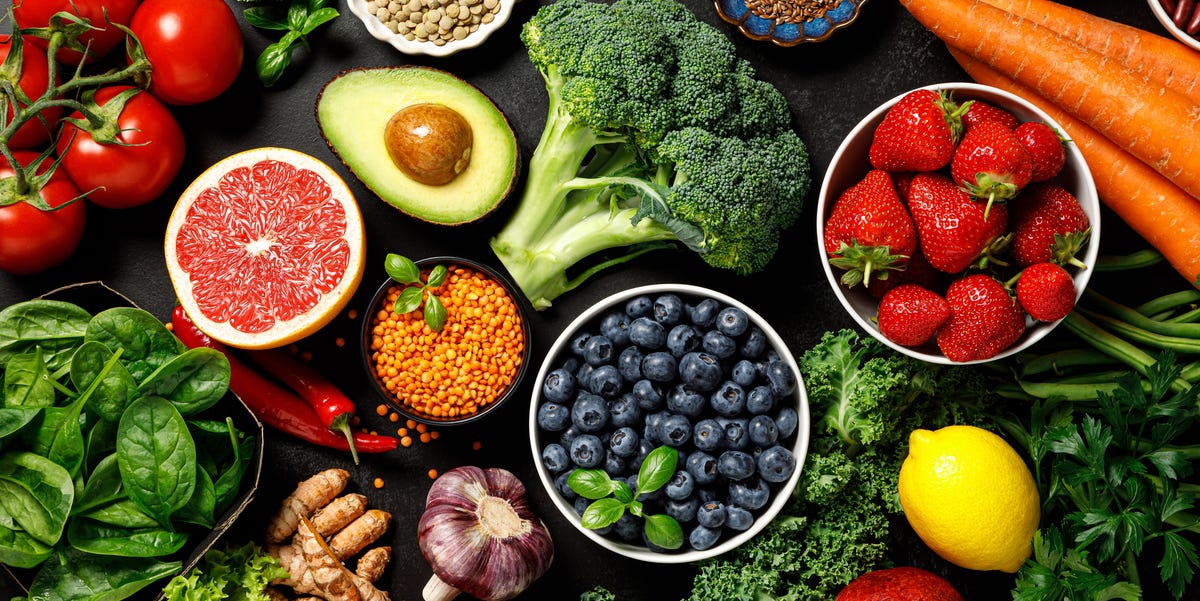
Summer eating always sounds romantic in theory. You picture a breezy farmers market, a striped tote bag, and a kitchen counter overflowing with colorful produce. Then real life shows up with sweat, snack cravings, and the sudden urge to call tortilla chips a vegetable. The good news? Nutritionists in 2025 are making the case that summer’s best foods are also the easiest ones to enjoy: juicy, hydrating, low-fuss, and naturally packed with vitamins, minerals, fiber, and antioxidants.
When experts talk about the top summer superfoods of 2025, they are not chasing a magic ingredient or some weird powder that costs more than your beach chair. They are spotlighting seasonal foods that do a lot at once. The winners tend to help with hydration, digestion, heart health, skin support, satiety, and everyday energy. Even better, they fit into real meals without making you feel like you are doing homework with a fork.
This year’s summer nutrition conversation has centered on a few big ideas: eat produce in season, build colorful plates, lean into water-rich foods, and make healthy eating feel convenient instead of dramatic. Based on what registered dietitians and U.S. nutrition sources have been recommending, these are the eight summer superfoods that deserve prime refrigerator real estate.
Why These Summer Superfoods Stand Out in 2025
“Superfood” is not a formal medical term, but it is still useful shorthand for foods that deliver a strong nutritional return for very little effort. In 2025, nutritionists have been especially focused on foods that check several boxes at once: seasonal flavor, hydration, antioxidant content, fiber, and flexibility in quick summer meals. Translation: if it tastes good cold, works in a salad, survives a picnic, and makes your plate look like it has its life together, it is already halfway to icon status.
The list below is also practical. These are foods you can toss into yogurt, grain bowls, smoothies, pasta salads, sheet-pan dinners, and snack boards without needing a culinary degree or a six-step marinade. Summer is hot enough already. Your dinner should not require a second job.
1. Blueberries
Blueberries are tiny, but nutritionally they behave like overachievers. They are rich in anthocyanins, the compounds that give them their deep blue color and help make them one of the most talked-about antioxidant foods in the summer lineup. Nutrition experts continue to connect blueberries with support for heart health, brain health, gut health, and recovery after physical activity, which is a pretty impressive résumé for a fruit that can fit in the palm of your hand.
Why nutritionists love them
Blueberries are one of the easiest ways to add color and phytonutrients to your day without overthinking it. They also pair well with protein-rich foods like Greek yogurt and cottage cheese, which makes them useful for more balanced snacks. In a season full of ice cream trucks and “treat yourself” energy, blueberries give you sweetness with fiber and a lot less drama.
Easy ways to eat more
Scatter them over oatmeal, blend them into smoothies, freeze them for a cold snack, or toss them into a spinach salad with walnuts and a light vinaigrette. They also work beautifully in overnight oats, yogurt parfaits, and even savory grain bowls that need a little pop of sweetness.
2. Tomatoes
If summer had an official flavor, tomatoes would file the paperwork. Fresh summer tomatoes are rich, sweet, a little tangy, and miles more exciting than the pale off-season versions that taste like disappointment. They are also nutritional heavyweights, delivering vitamin C, potassium, and the antioxidant lycopene, which is one reason dietitians keep bringing them up when discussing warm-weather eating.
Why nutritionists love them
Tomatoes are hydrating, versatile, and easy to build meals around. Lycopene is often associated with benefits related to heart health and skin support, and tomatoes also slide effortlessly into the summer pattern of lighter meals. They work whether you are making a chopped salad, a no-cook lunch plate, or a quick dinner that does not leave your kitchen feeling like a sauna.
Easy ways to eat more
Use them in caprese salads, BLTs, salsa, pasta salads, gazpacho, or simply sliced with olive oil, cracked pepper, and flaky salt. Cherry tomatoes are especially handy for grab-and-go snacking. Honestly, summer tomatoes barely need a recipe. They need respect.
3. Watermelon
Watermelon is the MVP of heat-wave food. It is famously water-rich, refreshing, and naturally sweet, which makes it one of the easiest ways to eat for hydration during the summer. It also brings lycopene to the table, along with a crisp, juicy texture that somehow makes every picnic feel 12% more successful.
Why nutritionists love it
Watermelon helps answer one of summer’s most common nutrition questions: “How do I stay hydrated without living on sports drinks?” Water-rich foods can contribute to fluid intake, and watermelon does that while also offering antioxidants and a refreshing alternative to heavier desserts. It is also easy to portion, easy to share, and surprisingly satisfying on brutally hot days when full meals sound exhausting.
Easy ways to eat more
Serve it chilled in cubes, blend it into a smoothie, pair it with feta and mint, or freeze it into popsicles. For a more savory twist, add watermelon to cucumber salads with lime and a pinch of chili. Suddenly, hydration gets a personality.
4. Sweet Corn
Sweet corn deserves a better publicist. It often gets treated like a sidekick at barbecues, when in reality it offers fiber, useful vitamins and minerals, and carotenoids such as lutein and zeaxanthin, which are frequently linked to eye health. Some dietitians also point to corn’s fiber as helpful for digestion and gut-friendly eating.
Why nutritionists love it
Corn is satisfying in a way many vegetables are not. It adds texture, sweetness, and bulk, which can help healthier summer meals feel more complete. It also plays well with beans, tomatoes, herbs, avocado, grilled proteins, and leafy greens. In other words, corn is not just a side dish; it is a social connector with kernels.
Easy ways to eat more
Grill it on the cob, slice it into salads, stir it into salsas, toss it into quinoa bowls, or add it to tacos. Fresh corn with black beans, tomatoes, cilantro, and lime is one of those dishes that feels like summer got organized and became lunch.
5. Peaches
Peaches are what happens when dessert and produce decide to cooperate. A good peach is fragrant, juicy, and naturally sweet, but it also brings fiber and vitamin C to the party. Summer nutrition advice in 2025 has repeatedly highlighted stone fruits because they are seasonal, satisfying, and easy to use in lighter meals and snacks.
Why nutritionists love them
Peaches can help people satisfy a sweet craving without reaching straight for ultra-processed snacks. Their fiber content helps make them more filling than candy or baked desserts, and they pair especially well with protein and healthy fats. That means a peach can go from “cute fruit moment” to “smart, balanced snack” very quickly.
Easy ways to eat more
Slice peaches into cottage cheese or yogurt, grill peach halves for dessert, toss them into arugula salads, or layer them into overnight oats. They are also excellent in smoothies, salsa, and simple fruit bowls with blueberries and cherries.
6. Cucumbers
Cucumbers are one of summer’s sneakiest nutritional wins. They are extremely water-rich, crisp, cooling, and almost absurdly easy to add to meals. When temperatures climb, foods with high water content can be especially appealing, and cucumbers bring that refreshing quality without weighing anything down.
Why nutritionists love them
They make healthy eating feel easy. Cucumbers add crunch, volume, and freshness to plates and snacks, which helps meals feel larger and more satisfying without a lot of calories. They are also ideal for people who struggle to eat vegetables during hot weather because they are mild, hydrating, and pleasant straight from the fridge.
Easy ways to eat more
Use cucumber slices with hummus, layer them into sandwiches, chop them into grain salads, or combine them with tomatoes, herbs, and red onion for a classic summer salad. You can also add them to sparkling water for a spa-like effect, even if you are drinking it in gym shorts while answering emails.
7. Zucchini and Summer Squash
Zucchini and yellow summer squash are quiet stars of the season. They are mild, versatile, and easy to cook in fast summer meals. Nutritionally, they offer vitamin C, some fiber, and a high water content that fits perfectly with summer’s focus on lighter, produce-rich eating.
Why nutritionists love them
These vegetables absorb flavors beautifully, which makes them ideal for people who want to eat more plants without feeling like they are chewing on a landscaping project. They work in everything from skillet dinners to pasta dishes to kebabs, and they can stretch meals in a way that feels satisfying rather than restrictive.
Easy ways to eat more
Grill thick slices, roast them with olive oil and garlic, shave them into ribbons for salads, or sauté them with corn and tomatoes. Zucchini also works in muffins and quick breads if you are trying to be both wholesome and sneaky.
8. Cherries
Cherries bring serious summer energy. They are sweet, portable, colorful, and rich in antioxidants, including anthocyanins and other polyphenol compounds. Nutrition experts often point to cherries for their anti-inflammatory potential, vitamin C content, and overall nutrient density.
Why nutritionists love them
Cherries make healthy snacking feel luxurious instead of obligatory. They are easy to pack, fun to eat, and naturally portioned by the fact that you have to slow down for the pit. That tiny pause may be the most underrated mindful eating tool of the season.
Easy ways to eat more
Enjoy them fresh as a snack, stir them into yogurt bowls, add them to salads with goat cheese, or freeze them for a cold treat. If you want something that feels fancy with almost no effort, combine cherries with peaches and mint and call it a summer fruit salad. Nobody needs to know it took four minutes.
How to Build a Smarter Summer Plate With These Foods
The healthiest summer diet is not about eating fruit in isolation and hoping your life transforms. It is about building meals that combine produce, protein, fiber, and healthy fats in ways you will actually repeat. A few easy examples:
- Breakfast: Greek yogurt with blueberries, cherries, and chopped nuts.
- Lunch: Tomato, cucumber, and corn salad with grilled chicken or beans.
- Snack: Peach slices with cottage cheese, or cucumber rounds with hummus.
- Dinner: Grilled salmon with zucchini, tomatoes, and a side of watermelon.
- Dessert: Chilled cherries and peaches instead of a heavy baked dessert.
The real trick is consistency. Summer superfoods work best when they become part of your normal routine, not a one-day wellness performance followed by three days of “accidentally” eating only chips at the pool.
Final Thoughts
The 8 top summer superfoods of 2025, according to nutritionists, are not trendy because they are exotic. They are trending because they make sense. Blueberries, tomatoes, watermelon, sweet corn, peaches, cucumbers, zucchini, and cherries are seasonal, flavorful, and loaded with nutrition that supports the exact things people care about in summer: hydration, energy, digestion, heart-smart eating, and meals that do not feel heavy.
If you want a practical nutrition strategy for the season, start here. Buy what looks fresh, eat a wider range of colors, pair produce with protein, and let summer foods do what they do best. Your plate gets brighter, your meals get easier, and your refrigerator suddenly looks like it has excellent boundaries.
Summer Experiences: What These Superfoods Feel Like in Real Life
There is something different about eating well in the summer when the foods are actually in season. Blueberries in July do not feel like a nutrition lecture; they feel like a handful of cold sweetness on a hot afternoon, the kind of snack you eat standing in the kitchen while the ceiling fan tries its best. Tomatoes taste less like an obligation and more like a reward. Slice a peak-season tomato onto toast with a little olive oil and salt, and suddenly lunch feels like a small vacation instead of a rushed break between tasks.
Watermelon has a very specific talent: it makes people pause. At cookouts, beach days, and family gatherings, it is often the first healthy food people reach for without being told to. Maybe it is the color. Maybe it is the crunch. Maybe it is because it tastes like summer should have its own soundtrack. Either way, it reminds you that nutritious food does not have to be serious to be effective.
Sweet corn has a similar effect. It turns dinner into an event. You hear the grill, smell the smoke, and suddenly a simple vegetable becomes part of the whole experience. Corn on the cob is messy, yes, but in the best way. It encourages slower eating, conversation, and that magical seasonal feeling of using both hands for food because life is briefly more relaxed.
Peaches and cherries bring a softer kind of joy. They feel nostalgic. A ripe peach dripping down your wrist is basically summer’s way of telling you to stop checking your phone for five minutes. Cherries ask for a little patience because of the pits, and that tiny inconvenience somehow makes the snack feel more intentional. You do not inhale cherries. You enjoy them one by one, and that changes the whole mood.
Cucumbers and zucchini are the quiet heroes in the background. They are the foods that make summer meals feel cooler, lighter, and more doable. A cucumber salad in the fridge can rescue a too-hot evening when cooking sounds impossible. Zucchini on the grill or in a quick sauté stretches a meal without making it feel heavy. These foods may not get the same glamorous attention as berries or stone fruit, but they are the reason a lot of summer eating habits actually work in real life.
And that may be the best thing about these superfoods: they are not just nutritionally smart. They are experiential. They fit the season. They travel well to picnics, work in lazy breakfasts, brighten weeknight dinners, and make healthy choices feel less like rules and more like rhythm. In the end, the best summer foods are not just the ones with the most vitamins. They are the ones that make you want to come back for another healthy meal tomorrow.