

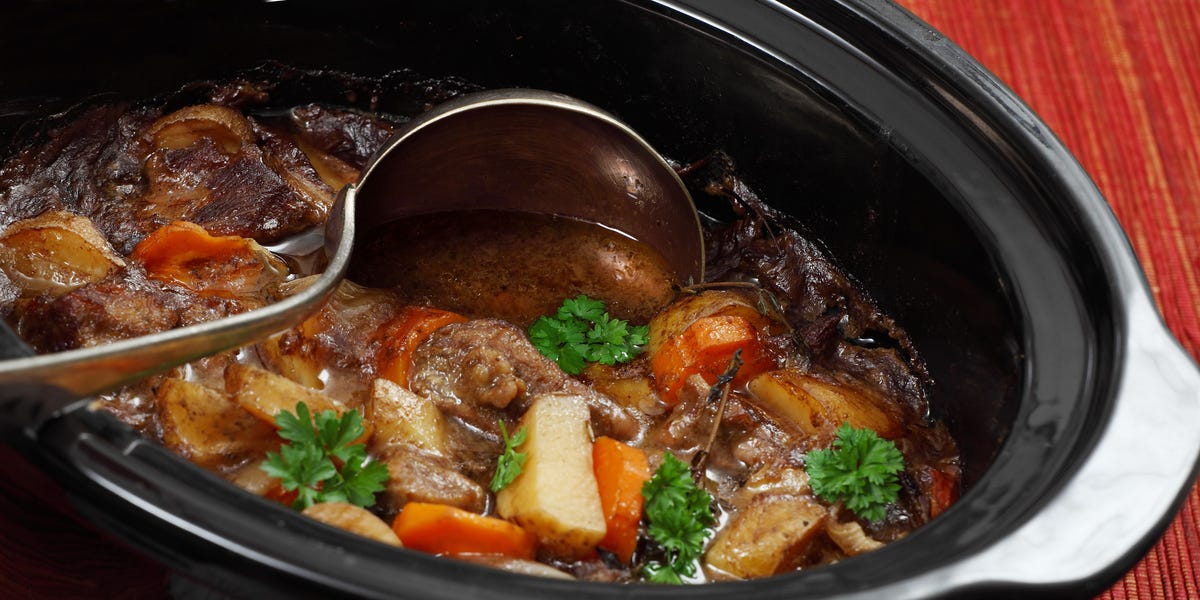
Slow cookers are the cozy sweatpants of the kitchen: dependable, low-effort, and somehow always there when life gets busy. Toss in a chuck roast, onions, carrots, broth, and a few herbs, and several hours later you have dinner that tastes like someone with their life together made it. Beautiful. Magical. Slightly suspicious, but we accept the blessing.
Still, even the mighty slow cooker has limits. It is excellent for tough cuts of meat, soups, stews, chili, sauces, and hearty vegetables. It is not, however, a culinary black hole where every ingredient enters and comes out improved. Some foods turn mushy. Some turn rubbery. Some curdle into a tragic dairy swamp. A few can even raise food-safety concerns if handled the wrong way.
This guide breaks down the 9 foods you should never cook in a slow cooker, or at least never cook from start to finish without a smarter plan. The goal is not to scare anyone away from slow cooking. The goal is to help your slow cooker do what it does best: make delicious, safe, low-stress meals without turning dinner into a science experiment with gravy.
Why Some Foods Fail in a Slow Cooker
A slow cooker works with gentle, steady heat over several hours. That is perfect for breaking down collagen in tougher meats and developing deep flavor in soups and braises. But delicate ingredients often cannot survive that long cooking window. Pasta absorbs too much liquid. Seafood overcooks quickly. Dairy can separate. Crispy foods become soft. Frozen meat may spend too long warming before it reaches a safe temperature.
Think of your slow cooker as a patient, reliable friend who loves long conversations. Give it beef chuck, pork shoulder, dried spices, stock, beans that have been properly prepared, and sturdy vegetables. Do not ask it to babysit shrimp for eight hours. Shrimp does not want a long conversation. Shrimp wants five minutes and personal space.
1. Frozen Meat and Frozen Poultry
Frozen meat is one of the biggest slow cooker mistakes because it creates both quality and food-safety problems. A slow cooker heats gradually. When you place a frozen roast, frozen chicken breasts, or frozen ground meat into the pot, the center may remain cold while the outside slowly warms. That can keep parts of the meat in the temperature range where bacteria grow more easily for too long.
What happens when you slow cook frozen meat?
The texture also suffers. Frozen chicken breasts can release excess water and become stringy. Frozen beef may cook unevenly, with dry edges and a stubbornly underwhelming center. The slow cooker is not a defrosting machine wearing a dinner costume.
What to do instead: Thaw meat and poultry in the refrigerator before adding them to the slow cooker. Cut large pieces into smaller chunks when appropriate so they heat more evenly. Use a food thermometer to confirm safe internal temperatures, especially for poultry and ground meats.
2. Raw Dried Kidney Beans and Similar High-Lectin Beans
Dried beans sound like perfect slow cooker food, and many beans can work well when prepared properly. However, raw dried red kidney beans, white kidney beans, and some similar beans need special handling before they go into a slow cooker. These beans contain a natural lectin called phytohaemagglutinin, which can cause illness if the beans are undercooked.
The issue is that many slow cookers may not boil beans hard enough to reliably reduce this compound before the beans are eaten. That means a pot of chili made with raw dried kidney beans can look cozy while secretly plotting against your stomach. Very rude behavior from a bean.
How to use kidney beans safely
What to do instead: Soak dried kidney beans, discard the soaking water, then boil them on the stovetop before adding them to the slow cooker. Another easy option is to use canned kidney beans, which are already cooked. Drain and rinse them, then stir them into chili or stew during the later part of cooking so they stay intact.
3. Delicate Seafood
Fish, shrimp, scallops, crab, and many other types of seafood cook quickly. That is wonderful when you are making dinner in a skillet. It is less wonderful when you ask them to sit in a slow cooker for six hours like they are training for a soup marathon.
Seafood that cooks too long becomes rubbery, dry, flaky in the wrong way, or oddly strong-smelling. Shrimp can turn from sweet and tender to bouncy and sad. Fish can fall apart until your stew looks like it lost an argument with the ocean.
The better seafood strategy
What to do instead: Build the soup, curry, chowder base, or tomato sauce in the slow cooker first. Add seafood during the last 10 to 30 minutes, depending on the size and type. For best texture, cook delicate seafood separately and spoon it over the finished slow-cooked dish just before serving.
4. Milk, Cream, Yogurt, and Sour Cream Added Too Early
Dairy can be wonderful in slow cooker recipes, but timing matters. Milk, cream, yogurt, sour cream, and some soft cheeses can curdle or separate when exposed to long cooking times. Instead of a silky sauce, you may get grainy bits floating in liquid. That is not “rustic.” That is dairy drama.
This does not mean creamy slow cooker recipes are impossible. It simply means the dairy should not be treated like a stew meat. Dairy does not need eight hours to find itself.
How to keep slow cooker sauces creamy
What to do instead: Add milk, cream, yogurt, sour cream, or cream cheese near the end of cooking, often during the last 15 to 30 minutes. For yogurt and sour cream, reduce the heat or turn the slow cooker off before stirring them in. You can also temper dairy by mixing it with a little hot cooking liquid first, then adding it back gradually.
5. Pasta and Noodles
Pasta is one of the most common slow cooker disappointments. It seems convenient to toss dry pasta directly into soup or sauce and walk away. Unfortunately, pasta keeps absorbing liquid as it sits. Instead of pleasantly tender noodles, you may end up with swollen, mushy pasta that has the personality of wet cardboard.
Some recipes are designed specifically for slow cooker pasta, but they require careful timing and liquid control. For everyday cooking, pasta is usually better prepared separately.
How to avoid mushy pasta
What to do instead: Cook pasta on the stovetop until just al dente, then stir it into the finished slow cooker dish right before serving. If you must cook pasta in the slow cooker, add it near the end and watch it closely. Small pasta shapes can go from “almost done” to “baby food energy” very quickly.
6. Rice, Couscous, and Quick-Cooking Grains
Rice and quick-cooking grains can be tricky in a slow cooker because they absorb liquid unevenly and can become mushy, gummy, or undercooked depending on the recipe. Long-grain rice may break down. Couscous can turn pasty. Quinoa may become too soft if cooked for hours with a stew.
Rice also needs careful food-safety handling after cooking. Cooked rice should not sit around at warm, uncertain temperatures for long periods. The slow cooker may be great at keeping chili comfortable, but it is not always the best place for a big batch of rice to lounge all afternoon.
What to do instead
What to do instead: Cook rice, couscous, quinoa, or other grains separately and serve your slow cooker meal on top. If a recipe is specifically designed for slow cooker rice, follow the timing closely and do not leave it sitting on warm for hours after it finishes.
7. Lean, Quick-Cooking Meats
Slow cookers shine with tough, collagen-rich cuts like beef chuck, pork shoulder, short ribs, and chicken thighs. Lean cuts are another story. Boneless skinless chicken breasts, pork tenderloin, lean turkey breast, and thin pork chops can dry out when cooked for too long.
The problem is simple: these cuts do not have enough fat or connective tissue to benefit from long cooking. Instead of becoming tender and luscious, they become firm, dry, and stringy. Basically, they go into the slow cooker as dinner and come out as a chewing assignment.
How to slow cook lean meat successfully
What to do instead: Use lean meats in shorter slow cooker recipes, cook them on low only until they reach the proper temperature, and check early. Chicken breasts often do better when cooked for a shorter time, then shredded and returned to the sauce. For long recipes, choose chicken thighs, chuck roast, or pork shoulder instead.
8. Fresh Herbs and Tender Greens Added at the Beginning
Fresh basil, cilantro, parsley, dill, spinach, arugula, and other tender greens do not love long slow cooking. Their bright flavor fades, their color darkens, and their texture collapses. A handful of fresh herbs at the start of an eight-hour cook can vanish like it was never invited.
Sturdy herbs such as rosemary, thyme, and bay leaves can handle long cooking better. Tender herbs are finishing ingredients. They are the sparkle at the end, not the foundation of the stew.
How to preserve fresh flavor
What to do instead: Use dried herbs or sturdy sprigs early in the cooking process. Save delicate fresh herbs and tender greens for the end. Stir in spinach during the last few minutes, and sprinkle basil, cilantro, parsley, or dill over the finished dish right before serving.
9. Crispy, Fried, or Breaded Foods
The slow cooker is many things, but crispy is not one of them. Fried chicken, breaded cutlets, crispy fries, crunchy bacon, tempura vegetables, and anything with a delicate crust will soften in the moist environment. Steam is the enemy of crunch. The slow cooker is basically a tiny steam cave with a lid.
That does not mean you cannot pair crispy foods with slow cooker meals. In fact, contrast is delicious. A crunchy topping on creamy soup? Excellent. Crispy tortilla strips over slow cooker chicken chili? Beautiful. But the crunch must happen outside the slow cooker.
How to keep crunch where it belongs
What to do instead: Cook crispy toppings separately and add them at the table. Use toasted breadcrumbs, crushed tortilla chips, fried onions, crisp bacon bits, toasted nuts, or oven-crisped chicken skin as a finishing touch.
Smart Rules for Better Slow Cooker Meals
Once you know what not to cook in a slow cooker, the rest becomes much easier. The best slow cooker meals usually include ingredients that can handle time, moisture, and steady heat. Tough meats, beans that have been safely prepared, root vegetables, onions, garlic, broth, tomatoes, dried spices, and hearty sauces are all good candidates.
- Start with thawed ingredients. Especially meat and poultry.
- Use enough liquid, but not too much. Slow cookers trap moisture, so liquid does not evaporate like it does on the stovetop.
- Keep the lid closed. Every peek releases heat and can extend cooking time.
- Add delicate ingredients late. Seafood, dairy, pasta, tender greens, and fresh herbs should usually wait.
- Check doneness with a thermometer. Guessing is not a personality trait worth developing.
- Do not use the slow cooker to reheat large amounts of leftovers. Reheat food quickly using the stove, oven, or microwave, then use the slow cooker to keep it hot if needed.
Examples of What Works Better in a Slow Cooker
Instead of focusing only on the “never” list, it helps to know what your slow cooker actually loves. It loves beef stew with chuck roast. It loves pulled pork made from pork shoulder. It loves chicken thighs in salsa verde. It loves lentil soup, tomato sauce, pot roast, chili with canned beans, barbecue meatballs, and oatmeal designed for slow cooking.
The secret is matching the ingredient to the method. A slow cooker is not worse than a skillet, oven, or pressure cooker. It is just different. You would not ask a toaster to make soup, and you should not ask a slow cooker to make crispy fries. Appliances have boundaries too.
Common Slow Cooker Mistakes to Avoid
Overfilling the pot
Most slow cookers perform best when filled about halfway to two-thirds full. If the pot is packed to the top, food may cook unevenly and take too long to heat properly.
Adding too much liquid
Because the lid traps steam, slow cooker recipes often need less liquid than stovetop recipes. Too much broth can turn a rich stew into a watery soup that tastes like it forgot its purpose.
Cooking everything for the same amount of time
Not all ingredients should enter the pot together. Potatoes, carrots, and beef chuck can handle hours. Shrimp, cream, and spinach cannot. Layer your cooking times like a sensible person who has met pasta before.
Personal Kitchen Experience: What Slow Cooking Teaches You the Hard Way
Anyone who uses a slow cooker long enough eventually learns a few lessons the messy way. The first lesson is that convenience still needs judgment. The slow cooker makes dinner easier, but it does not remove the need to think about texture, timing, and food safety. It is a helper, not a wizard.
One common experience is the “mushy pasta incident.” You make a beautiful chicken soup, smell it all afternoon, and think, “I’ll just add noodles now and let them hang out.” Two hours later, the noodles have expanded like tiny sponges with ambition. The soup is thick, cloudy, and oddly quiet, as if it knows what happened. After that, you learn to cook noodles separately or add them only at the end.
Another classic mistake is adding dairy too early. A creamy chicken dish sounds dreamy until the sauce separates and becomes grainy. The flavor may still be fine, but the appearance says, “This meal has been through something.” Once you learn to stir in cream, sour cream, or yogurt near the finish, slow cooker sauces become smoother and more reliable.
Seafood teaches an even faster lesson. Shrimp does not need hours. Fish does not need a full workday. A slow cooker seafood stew can be wonderful if the broth cooks first and the seafood enters at the end. But if shrimp goes in at breakfast and comes out at dinner, it may have the texture of a rubber band wearing garlic.
Lean chicken breasts are another frequent surprise. Many people assume chicken breast is always the safe, simple choice. In a slow cooker, however, chicken thighs often perform better because they stay juicy longer. Chicken breasts can still work, but they need shorter cooking and enough sauce. If you plan to shred them, check early and stop cooking once they are tender.
Fresh herbs also reveal the difference between cooked flavor and finishing flavor. Dried oregano or thyme can simmer for hours and make a sauce taste deeper. Fresh basil, on the other hand, loses its charm when cooked too long. Add it at the end and suddenly the whole dish wakes up. It is like opening a window in a stew.
The biggest slow cooker lesson is this: the best meals are built in stages. Add sturdy ingredients first. Add delicate ingredients later. Finish with fresh, bright, crispy, or creamy elements after the long cooking is done. That small shift can turn average slow cooker food into something that tastes intentional instead of merely convenient.
Slow cooking is not about dumping everything in and hoping for the best, although we have all tried that and called it “meal prep.” It is about knowing which ingredients love low-and-slow cooking and which ones prefer a quick cameo at the end. Respect that difference, and your slow cooker will reward you with tender meats, rich sauces, comforting soups, and fewer dinners that require a polite apology.
Conclusion
The slow cooker is one of the most useful tools in the American kitchen, but it works best when you understand its strengths. It is brilliant with tough meats, hearty vegetables, soups, stews, and sauces. It is not ideal for frozen meat, raw dried kidney beans, delicate seafood, early-added dairy, pasta, rice, lean quick-cooking meats, tender herbs, or crispy foods.
The good news is that most of these foods do not need to be banned forever. They simply need better timing. Add dairy late. Cook pasta separately. Stir in seafood near the end. Use canned beans or pre-boil dried kidney beans. Finish with herbs and crispy toppings right before serving. A slow cooker can still be your weeknight hero; it just needs you to stop asking it to perform miracles with shrimp and noodles.