

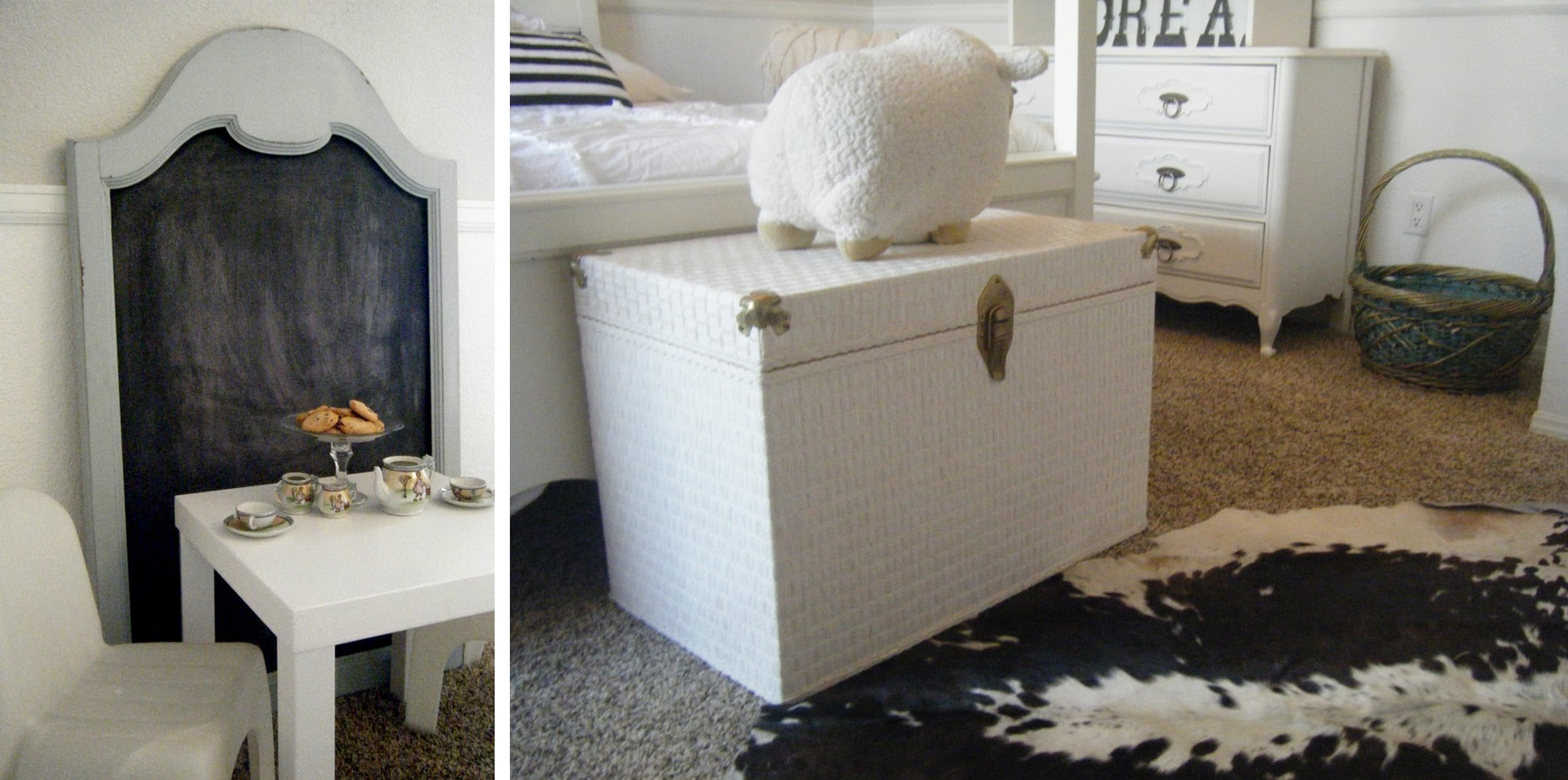
One day, the room holds a crib, a changing pad, and enough tiny socks to open a very small department store. Then, seemingly overnight, your daughter develops opinions about colors, pillows, stuffed animals, and why her bed absolutely must resemble a castle.
Transforming a baby room into a big girl bedroom is more than a decorating project. It is a practical shift from a parent-controlled nursery to a flexible space where a growing child can sleep, play, read, dress, create, and practice independence. The best makeover does not erase the sweet nursery years. Instead, it keeps what still works, removes what no longer serves the family, and introduces features that can evolve for several years.
When Is It Time to Replace the Baby Room?
There is no universal birthday when a nursery must become a big girl room. The right timing depends on your child’s development, safety, sleep habits, and family circumstances.
A new bedroom may be appropriate when your daughter begins climbing out of her crib, becomes physically uncomfortable in it, asks for a larger bed, needs more accessible storage, or is preparing to welcome a younger sibling. Pediatric guidance generally recommends paying attention to climbing and safety rather than rushing the move simply because a child has reached a particular age.
Signs Your Child May Be Ready
- She regularly attempts to climb over the crib rail.
- She has outgrown the crib’s height or weight limits.
- She is interested in choosing bedding or a “big kid” bed.
- She can understand simple bedtime boundaries.
- The changing station is rarely used.
- Her toys, books, clothes, and hobbies need a better organization system.
Do not confuse enthusiasm with complete readiness. A child may adore the idea of a new bed at 4:00 p.m. and treat it like an escape vehicle at 2:00 a.m. Keep the familiar bedtime routine in place while she adjusts to the freedom of getting in and out of bed independently.
Start With a Room Audit, Not a Shopping Cart
Before buying wallpaper, a canopy, or seventeen decorative pillows that will live permanently on the floor, evaluate the existing room.
Decide What Can Stay
A sturdy dresser may continue working long after the changing pad is removed. A comfortable nursery chair can become a reading chair. A convertible crib might transform into a toddler bed, daybed, or full-size frame. Neutral curtains, rugs, lamps, baskets, and shelving may also fit the new design.
Identify What Has Been Outgrown
Sort baby clothes, infant toys, feeding supplies, crib accessories, and nursery-only decorations into four groups: keep, donate, sell, and discard. Broken toys, incomplete games, dried-out craft materials, and clothes that have not fit since dinosaurs roamed the earth do not need premium bedroom real estate.
Measure Everything
Measure the walls, windows, doors, closet openings, available floor space, and major furniture. Mark electrical outlets, vents, radiators, and door swings. A simple floor plan can prevent the classic mistake of ordering a beautiful bed that technically fits the room but blocks half the closet and requires everyone to enter sideways.
Invite Her Into the Design Process
A big girl bedroom should feel like it belongs to the child who sleeps there. That does not mean giving a preschooler unrestricted control over the budget or allowing every wall to become neon purple. It means offering meaningful, age-appropriate choices.
Instead of asking, “What do you want your room to look like?” present two or three approved options:
- “Would you prefer soft pink, pale green, or light blue walls?”
- “Do you like the floral bedding or the star bedding?”
- “Should your reading corner go near the window or beside the bookcase?”
Limited choices encourage ownership without turning the project into a design meeting chaired by someone wearing mismatched socks. Let her help select art, arrange stuffed animals, choose drawer labels, and display favorite creations.
Design experts commonly recommend building children’s rooms around durable foundational pieces, flexible storage, and easily changed decorative layers. That approach allows the room to reflect a child’s personality without requiring a complete renovation every time her favorite animal, color, or fictional character changes.
Choose a Bed That Supports the Next Stage
The bed is usually the biggest visual and practical change when moving from a baby room to a big girl bedroom.
Toddler Bed
A toddler bed is low to the floor, uses a crib-size mattress, and can feel familiar to a child leaving the crib. It is useful in a small room or when parents want a gradual transition. Its main disadvantage is that it may be outgrown relatively quickly.
Twin Bed
A twin bed offers better long-term value and fits most children’s bedrooms. Add an appropriate guardrail if needed, and consider a low-profile frame to make climbing in and out easier.
Full-Size Bed
A full-size bed may work well in a larger room, especially when parents frequently read, cuddle, or comfort their child at bedtime. It can also carry her into the teenage years, although it leaves less floor space for play and storage.
Floor Bed
A properly arranged floor bed offers easy access and reduces the distance of a possible fall. However, the mattress needs sufficient airflow, the surrounding room must be thoroughly childproofed, and the layout should not trap the mattress against unsafe heat sources or obstructed exits.
Whichever option you select, preserve familiar sleep cues during the transition. Keep the same bedtime, songs, books, comfort object, and general routine. The bed may change, but bedtime does not need a surprise plot twist.
Build a Color Palette That Can Grow With Her
A big girl bedroom does not have to be pink, although pink is perfectly welcome when your child genuinely loves it. Blue, green, lavender, peach, cream, yellow, terracotta, and soft neutrals can be equally playful and inviting.
A useful formula is to choose one calm foundation color, one stronger accent color, and one or two supporting tones. For example:
- Warm white, dusty rose, and natural wood
- Pale blue, coral, and cream
- Sage green, lavender, and soft beige
- Peach, muted teal, and light oak
- White, navy, and cheerful yellow
Apply the longest-lasting colors to expensive or difficult-to-replace elements such as the bed, dresser, flooring, and main wall treatment. Use bedding, removable decals, lampshades, art, baskets, and pillows for more temporary themes.
This layered strategy prevents the room from becoming trapped inside one highly specific obsession. A child who loves unicorns today may love outer space next year. Replacing two pillow covers is much easier than removing a wall-sized glitter unicorn that appears to have been permanently bonded to the drywall.
Create Practical Bedroom Zones
Even a small room feels more organized when each area has a clear purpose. You do not need walls or large furniture to create zones; a rug, lamp, basket, shelf, or artwork can visually define an activity area.
The Sleep Zone
Keep the area around the bed relatively calm. Limit bright toys and overly stimulating decorations within immediate view. Include a reachable bedside light, a small shelf or table, and a safe place for a water cup or favorite book.
The Reading Zone
Create a comfortable reading corner with front-facing book ledges, a floor cushion, small chair, washable rug, or repurposed nursery rocker. Rotate books occasionally so the selection stays interesting without overwhelming the space.
The Dress-and-Get-Ready Zone
Place frequently worn clothing, pajamas, socks, and accessories where your daughter can reach them. Add child-height hooks for tomorrow’s outfit, a robe, or a small backpack. A low, securely mounted mirror can help her practice dressing independently.
The Creative Zone
When space allows, include a small table, desk, or washable floor mat for drawing, puzzles, building, and crafts. Store markers, glue, scissors, and small pieces according to the child’s age and ability, keeping materials that require supervision out of reach.
The Display Zone
Give treasured objects a defined home. A corkboard, magnetic board, picture ledge, gallery rail, or a few display shelves can hold artwork, photos, awards, and favorite collections. Limiting the display area makes each item feel special and reduces visual clutter.
Use Storage She Can Actually Manage
A storage system is only successful when a child can understand and use it. Tall stacks of identical boxes may look wonderful in a photograph, but they are not helpful when a four-year-old must summon an adult every time she wants a puzzle.
Place daily-use items at child height. Use lightweight baskets, low drawers, open book bins, hooks, and simple picture labels. Store seasonal clothing, keepsakes, backup bedding, and parent-supervised materials on higher shelves.
Combine open and closed storage. Open shelves make books and favorite toys easy to see, while drawers, cabinets, and opaque bins hide the small plastic chaos that seems to reproduce after bedtime. Under-bed drawers, storage benches, and multiuse furniture are especially valuable in small bedrooms.
Organization specialists and design publications repeatedly emphasize accessible storage, adjustable systems, low drawers, under-bed space, and a balance of visible and concealed storage. These systems are easier to maintain because they can adapt as toys become school supplies, collections, sports gear, and hobby materials.
Use broad categories instead of creating a separate container for every tiny object. “Blocks,” “dolls,” “art,” “dress-up,” and “animals” are easier for a young child to remember than a museum-grade classification system.
Make Safety Part of the Design
A child moving out of a crib suddenly has access to the entire room, often before adults are awake. Treat the bedroom as one large sleep enclosure and inspect it from floor level.
Anchor Furniture
Secure dressers, wardrobes, shelving units, bookcases, and other potentially unstable furniture to the wall using appropriate hardware. Keep tempting toys and objects away from the tops of furniture so children are less likely to climb. The U.S. Consumer Product Safety Commission recommends anchoring furniture and televisions because tip-overs can happen quickly, even when an adult is nearby.
Choose Cordless Window Coverings
Use cordless blinds, cordless shades, or window treatments without accessible cords. Do not place a bed, chair, toy chest, or climbable furniture beneath a window. CPSC guidance identifies cordless coverings as the safest option in homes where young children live or visit.
Check the Entire Room
- Cover unused electrical outlets.
- Secure loose electrical cords.
- Use hardware-mounted gates where appropriate.
- Keep furniture away from windows.
- Install working smoke and carbon monoxide alarms.
- Remove unstable lamps and heavy objects from high shelves.
- Confirm that windows have suitable safety features.
- Keep small choking hazards and medications inaccessible.
- Use age-appropriate bedding and follow product instructions.
Improve Lighting and Sleep Comfort
Layered lighting gives a child’s bedroom more flexibility. Use general overhead lighting for cleaning and play, a focused lamp for reading or crafts, and a dim, warm light for the bedtime routine.
A darker room generally supports sleep, while dimmer, warmer-toned light before bedtime can help create a calmer atmosphere than bright, cool light. Keep tablets, televisions, and other glowing devices out of the sleep zone whenever possible.
If your child needs a night-light, choose a low-intensity option positioned away from her direct line of sight. Blackout panels can help reduce outdoor light, but the window treatment must remain cordless and safely installed.
Paint and Remodel With Indoor Air Quality in Mind
Plan painting and furniture assembly early enough for the room to air out before your child sleeps there. Open windows when conditions allow, use fans appropriately, follow every product label, and keep paint, solvents, adhesives, and cleaning materials out of the finished bedroom.
The Environmental Protection Agency recommends increasing ventilation when using products that emit volatile organic compounds and suggests considering low- or no-VOC products for remodeling projects. “Low VOC” does not mean completely emission-free, so ventilation and proper product handling still matter.
How to Complete the Makeover on a Budget
A memorable big girl bedroom does not require designer furniture or a complete renovation. Spend most of the budget on safety, a good mattress, durable furniture, and functional storage. Save money on decorative elements that may change with your child’s interests.
Budget-Friendly Updates With High Impact
- Remove the changing pad and restyle the existing dresser.
- Paint one accent wall instead of the entire room.
- Replace drawer pulls with playful hardware.
- Frame your child’s artwork in inexpensive matching frames.
- Use removable wall decals instead of a permanent mural.
- Repurpose the nursery chair as a reading chair.
- Add new bedding while keeping the existing rug and curtains.
- Shop the home for baskets, lamps, mirrors, and small tables.
- Buy secondhand furniture only after checking condition, stability, recalls, and current safety requirements.
A phased makeover can also reduce costs. Begin with the bed and safety upgrades. Add storage next, then paint, textiles, artwork, and decorative extras. The room does not need to be completed in one weekend to feel exciting.
A Simple Weekend Transformation Plan
Before the Weekend
- Measure the room and order essential furniture.
- Select paint, bedding, and storage.
- Arrange childcare if major furniture must be moved.
- Gather anchoring hardware and childproofing supplies.
Day One
- Empty the room and sort belongings.
- Patch holes and prepare the walls.
- Paint and ventilate the space.
- Clean floors, windows, trim, and vents.
Day Two
- Assemble and position the bed.
- Anchor furniture securely.
- Install cordless window treatments.
- Add storage, bedding, lighting, books, and artwork.
- Let your child place a few favorite objects in their new homes.
Finish early enough for the room to feel calm before bedtime. A grand reveal at 8:47 p.m., followed by an overtired child bouncing on an unfamiliar mattress, is rarely the magical ending shown in makeover videos.
Common Big Girl Bedroom Mistakes
Choosing a Theme That Is Too Specific
A themed pillow or print is easy to replace. A custom bed shaped like a cartoon character may be less charming after the character has been declared “for babies.”
Buying Furniture That Is Too Small
Tiny tables and miniature dressers are adorable but can have short useful lives. When possible, combine child-accessible features with standard-size furniture that can remain in the room longer.
Ignoring Storage Until the End
Storage should shape the layout from the beginning. Adding random bins after decorating often produces a room that looks crowded and remains difficult to clean.
Designing Only for Photographs
A child’s bedroom must work on ordinary Tuesdays, not just during a five-minute reveal. Choose washable textiles, durable finishes, reachable storage, clear walking paths, and surfaces that can survive crayons, juice, and mysterious sticky fingerprints.
Removing Every Familiar Object
Keep a few nursery items that still provide comfort. A favorite blanket, framed baby photo, stuffed animal, mobile repurposed as wall art, or familiar chair can help the new room feel exciting without feeling completely unfamiliar.
Experiences From the Baby-Room-to-Big-Girl-Bedroom Transition
The most successful bedroom transitions are rarely the ones with the most expensive furniture. They are the ones that acknowledge two truths at the same time: the child is becoming more independent, and she still needs familiarity.
One useful experience is to make the child part of the preparation without making her responsible for every decision. For example, parents can choose three safe bedding sets within budget and let their daughter select the winner. She experiences genuine ownership, while the adults quietly avoid fluorescent cartoon sheets that would glow through two layers of blackout curtains.
Another lesson is that children often care about different details than adults. A parent may spend hours selecting the perfect wall color, only to discover that the child’s favorite feature is a hook installed at her height because she can hang up her own pajamas. Small elements that support independencea reachable light switch extender, labeled drawers, low book ledges, or a basket for bedtime toyscan have more daily value than an elaborate decorative centerpiece.
It also helps to move slowly when possible. Some families assemble the new bed in the room while leaving the crib temporarily in place. The child can explore the bed during the day, read stories there, and choose when she feels comfortable sleeping in it. Other children respond better to a clear, one-time change. Their crib disappears, the new bed arrives, and the family celebrates the milestone with a special bedtime book. The best method depends on temperament, available space, and whether the crib is urgently needed for another baby.
Parents frequently learn that the first few nights may be unpredictable. A child who stayed happily inside a crib may suddenly remember that she has legs, freedom, and an urgent need to report that her stuffed rabbit looks “a little suspicious.” Calmly returning her to bed, keeping conversations brief, and following the same routine can help establish the new boundary. Adding ten new rules at once usually creates more excitement, not more sleep.
Decluttering with a young child also requires realistic expectations. Asking, “Which toys should we give away?” may produce an immediate answer of “none.” A gentler strategy is to begin with broken items, duplicates, and toys that have clearly been outgrown. Parents can then create a small donation box and let the child choose one or two items for another child to enjoy. Keeping the process positive helps prevent the makeover from feeling like a suspicious operation in which all beloved possessions vanish.
Many families find that a memory box makes the emotional side of the transition easier. Save a favorite baby blanket, one meaningful outfit, a nursery decoration, and a few photographs. The goal is not to preserve every burp cloth ever owned. It is to honor the baby-room chapter while making space for the next one.
Finally, expect the bedroom to keep evolving. The first big girl room may center on picture books, dolls, and dress-up clothes. A few years later, those areas may hold chapter books, school supplies, sports equipment, or craft projects. Adjustable shelves, neutral furniture, durable rugs, and replaceable accessories make those changes easier.
The room does not need to look permanently perfect. A healthy child’s bedroom will occasionally contain a blanket fort, a sock behind the dresser, and a stuffed-animal meeting attended by forty-seven highly opinionated bears. A well-designed room is not one that never gets messy. It is one that can be enjoyed fully and returned to order without requiring an archaeological expedition.
Conclusion
Moving from a baby room to a big girl bedroom is a visible sign that childhood is changing. The best design supports that change with a safe bed, anchored furniture, accessible storage, calming sleep conditions, flexible colors, and meaningful choices.
Build the room around how your daughter lives rather than around a temporary trend. Give her places to rest, read, create, dress, play, and display the treasures that matter to her. Keep the expensive elements simple and durable, then let affordable accessories carry the personality.
Most importantly, leave space for the roomand the childto grow. Today’s stuffed-animal tea party may become tomorrow’s reading club, homework station, or music corner. A thoughtful big girl bedroom is not a finished exhibit. It is a comfortable, adaptable setting for the next collection of family memories.