

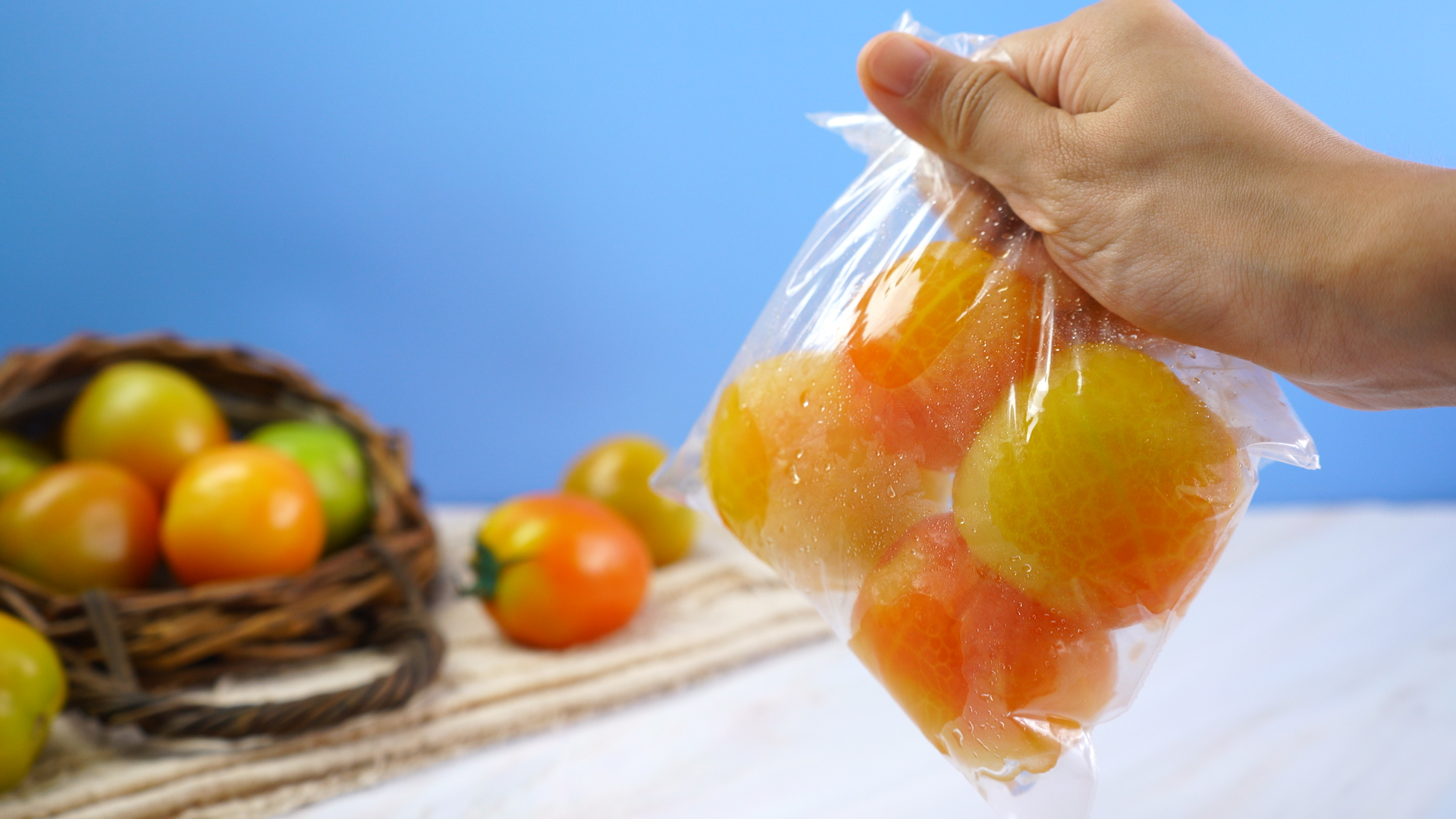
Blanching tomatoes sounds like something a chef in a tall white hat might do while muttering about “texture,” but the truth is much friendlier: it is one of the easiest kitchen tricks you can learn. In just a few minutes, boiling water and an ice bath can loosen stubborn tomato skins so they slide off like tiny red jackets after a long summer day.
If you have ever tried peeling a raw tomato with a knife or vegetable peeler, you already know the problem. Tomatoes are soft, slippery, and dramatic. One wrong move and you lose half the flesh along with the peel. Blanching solves that. It is the classic method used before making tomato sauce, salsa, soup, tomato puree, crushed tomatoes, stewed tomatoes, and many canning recipes.
This guide explains exactly how to blanch tomatoes in 11 simple steps, why the method works, what tools you need, how long tomatoes should stay in boiling water, and how to avoid turning beautiful fresh tomatoes into accidental soup. Grab your tomatoes, clear a little counter space, and let’s give those skins an eviction notice.
What Does It Mean to Blanch Tomatoes?
To blanch tomatoes means to briefly dip them in boiling water, then immediately cool them in ice water or very cold water. The hot water loosens the thin skin from the flesh, while the cold bath stops the cooking process. Once cooled, the skins can usually be pulled off with your fingers.
Blanching is not the same as fully cooking tomatoes. The goal is not to soften the entire tomato or develop flavor like roasting does. Instead, the aim is quick heat exposure. Think of it as a spa treatment for tomatoes, except the spa involves boiling water and ends with them losing their skins.
Why Blanch Tomatoes Before Cooking?
Tomato skins are edible, but they are not always welcome. In fresh salads, the skin is usually fine. In smooth tomato sauce, creamy tomato soup, homemade ketchup, salsa, tomato jam, or canned tomatoes, the peel can become chewy, papery, or distracting.
Blanching tomatoes helps create a smoother texture without wasting the juicy flesh. It also makes large-batch tomato prep faster, especially during peak tomato season when your garden, farmers market basket, or overly generous neighbor decides you need twelve pounds of tomatoes immediately.
Best Uses for Blanched Tomatoes
Blanched tomatoes are ideal for homemade marinara, pizza sauce, tomato basil soup, gazpacho, salsa, tomato paste, stewed tomatoes, chili, shakshuka, and many preservation projects. They are also useful when recipes call for peeled tomatoes but you prefer using fresh produce instead of canned.
Best Tomatoes for Blanching
The best tomatoes for blanching are ripe but still firm. Roma tomatoes, plum tomatoes, San Marzano-style tomatoes, beefsteak tomatoes, Early Girl tomatoes, and round slicing tomatoes all work well. Cherry tomatoes can also be blanched, although peeling them one by one requires patience, good lighting, and possibly a motivational playlist.
Avoid tomatoes that are mushy, moldy, deeply bruised, or leaking. Overripe tomatoes may collapse during blanching, while underripe tomatoes may hold onto their skins like they signed a long-term lease. For the easiest peeling, choose tomatoes that smell fresh and feel heavy for their size.
Tools You Need to Blanch Tomatoes
You do not need fancy equipment to blanch tomatoes. Most home kitchens already have everything required. A large pot, a mixing bowl, a slotted spoon, a sharp paring knife, and ice are enough to get the job done.
Helpful Equipment Checklist
- Fresh tomatoes
- Large pot of water
- Large bowl of ice water or very cold water
- Slotted spoon, spider strainer, or tongs
- Sharp paring knife
- Cutting board
- Clean towel or tray
- Bowl for discarded skins
How to Blanch Tomatoes: 11 Steps
Step 1: Choose Fresh, Firm Tomatoes
Start with tomatoes that are ripe, flavorful, and firm enough to handle. If you are making sauce, plum tomatoes are an excellent choice because they have meaty flesh and fewer seeds. If you are using large garden tomatoes, that works too. Just trim away any small blemishes before blanching.
Step 2: Wash the Tomatoes Well
Rinse the tomatoes under cool running water and gently rub the surface with your hands. This removes garden soil, dust, and anything else that should not be invited into your sauce. Dry them lightly with a clean towel if they are very wet.
Step 3: Remove Stems and Tough Cores
Pull off any stems. For larger tomatoes, use a paring knife to remove the tough core near the stem end. You do not need to dig too deeply; a small cone-shaped cut is enough. Removing the core now makes the tomatoes easier to use later in sauces, soups, and canning recipes.
Step 4: Score a Shallow “X” on the Bottom
Turn each tomato over and cut a shallow “X” on the blossom end, opposite the stem. The cut should break the skin but not slice deeply into the flesh. This tiny X gives the skin a place to split and makes peeling much easier after blanching.
Step 5: Bring a Large Pot of Water to a Boil
Fill a large pot with enough water to fully cover the tomatoes. Bring it to a rolling boil over high heat. You do not need to salt the water for peeling tomatoes, although a pinch of salt will not hurt if you are blanching vegetables for flavor. For tomatoes, plain boiling water does the job beautifully.
Step 6: Prepare an Ice Bath
While the water heats, fill a large bowl with ice and cold water. This is your tomato emergency brake. The ice bath stops the tomatoes from continuing to cook after they leave the boiling water. If you do not have ice, use the coldest water available and change it if it warms up.
Step 7: Lower Tomatoes Into the Boiling Water
Use a slotted spoon or spider strainer to carefully lower a few tomatoes into the boiling water. Do not overcrowd the pot. If too many tomatoes go in at once, the water temperature drops and the tomatoes may cook unevenly. Work in batches if needed.
Step 8: Blanch for 30 to 60 Seconds
Most ripe tomatoes need only 30 to 60 seconds in boiling water. Watch the scored X. When the skin begins to curl, wrinkle, or pull away from the cut, the tomatoes are ready. Some thick-skinned or less ripe tomatoes may need a little longer, but avoid boiling them until they become mushy.
Step 9: Transfer Immediately to the Ice Bath
As soon as the skins loosen, lift the tomatoes from the boiling water and place them directly into the ice bath. Let them cool for a few minutes, or until they are comfortable to handle. This quick cooling step protects the texture and keeps the tomatoes from turning soft before you are ready to cook with them.
Step 10: Peel Away the Skins
Starting at the scored X, use your fingers or the edge of a paring knife to pull away the skin. It should slip off easily. If the skin clings stubbornly, place the tomato back into boiling water for another 15 to 30 seconds, then cool it again. Tomatoes are allowed to be stubborn, but only briefly.
Step 11: Use, Chop, Seed, Freeze, or Preserve
Once peeled, the tomatoes are ready for your recipe. Chop them for salsa, crush them for sauce, puree them for soup, or prepare them according to a tested canning recipe. If you plan to freeze them, place the peeled tomatoes in freezer-safe containers or bags. For canning, always follow reliable processing and acidification instructions rather than guessing.
How Long Should You Blanch Tomatoes?
The average blanching time for tomatoes is 30 to 60 seconds. Very ripe tomatoes may need only 20 to 30 seconds. Large tomatoes, thick-skinned tomatoes, or slightly underripe tomatoes may need 60 to 90 seconds. The visual clue matters more than the clock: when the skin splits or curls near the X, remove the tomato.
Leaving tomatoes in boiling water too long can soften the flesh and water down the flavor. This is not the end of the world if you are making sauce, but it can make the tomatoes harder to dice neatly. When in doubt, start with less time. You can always blanch again for a few extra seconds.
Do You Have to Use Ice Water?
Ice water is the traditional choice because it stops cooking quickly and makes the tomatoes easier to handle. However, very cold tap water can work in small batches if you do not have ice. The key is to cool the tomatoes fast enough that they do not continue cooking from residual heat.
If you are blanching a big batch, ice water is worth it. Warm water will not shock the tomatoes effectively, and the tomatoes may keep softening while they sit. Add more ice as needed, especially if you are working through a mountain of summer tomatoes.
Common Mistakes When Blanching Tomatoes
Boiling the Tomatoes Too Long
The most common mistake is over-blanching. Tomatoes only need enough heat to loosen the skin. If they stay in boiling water for several minutes, they may become soft and watery. Watch the skin, not your phone.
Skipping the Scored X
You can blanch tomatoes without scoring them, but the X makes peeling much easier. It creates a starting point so the skin can lift away cleanly. Without it, you may spend more time picking at the peel than actually cooking.
Overcrowding the Pot
Adding too many tomatoes at once can lower the water temperature and make blanching uneven. A few tomatoes at a time is better than a crowded tomato traffic jam.
Using Tomatoes That Are Too Soft
Overripe tomatoes may fall apart during blanching. Save very soft tomatoes for quick cooking, roasting, or blending. For clean peeling, choose ripe tomatoes that still hold their shape.
How to Seed Tomatoes After Blanching
If your recipe calls for peeled and seeded tomatoes, blanch and peel them first. Then cut each tomato in half crosswise. Gently squeeze each half over a bowl or scoop out the seeds with a spoon. For sauces, some cooks leave the seeds because they add liquid and natural tomato flavor. For smooth soups, refined sauces, or certain salsas, removing seeds creates a cleaner texture.
Can You Blanch Tomatoes Ahead of Time?
Yes. You can blanch and peel tomatoes ahead of time, then store them in the refrigerator for a short period before cooking. Keep them in a covered container and use them within a couple of days for best quality. For longer storage, freeze the peeled tomatoes or preserve them using a tested canning method.
If you are preparing tomatoes for canning, do not rely on blanching alone for safety. Blanching helps remove skins, but proper acidity, jars, lids, processing time, and canning method are essential. Tomatoes are naturally acidic, but acidity can vary, so tested recipes often call for bottled lemon juice or citric acid.
Blanching Tomatoes vs. Freezing Tomatoes to Peel Them
Blanching is fast and ideal when you want peeled tomatoes right now. Freezing is another method: whole tomatoes can be frozen, then thawed until the skins loosen. The freezing method is convenient for preserving a harvest, but it changes the texture. Thawed tomatoes are best for cooked recipes, not fresh dishes.
If you are making dinner tonight, blanching wins. If your counter is covered with ripe tomatoes and your future self wants sauce in January, freezing can be a useful backup plan.
Recipe Ideas for Blanched Tomatoes
Once you know how to blanch tomatoes, a whole menu opens up. You can make a quick tomato sauce with garlic, olive oil, basil, and a pinch of red pepper flakes. You can simmer peeled tomatoes into chili, blend them into tomato soup, or chop them into fresh salsa with onion, cilantro, lime, and jalapeño.
For a simple summer sauce, chop six blanched tomatoes and cook them with two tablespoons of olive oil, three minced garlic cloves, salt, black pepper, and a handful of fresh basil. Simmer until thickened. Toss with pasta, spoon over grilled chicken, or eat it directly from the pan while pretending you are “checking seasoning.”
Food Safety Tips for Blanching Tomatoes
Always wash tomatoes before blanching, even if you plan to remove the skins. Use clean utensils, a clean cutting board, and fresh water. Discard tomatoes with mold, unpleasant odors, or deep decay. If you are blanching tomatoes for canning, use an up-to-date, tested preservation recipe from a trusted food safety source.
For everyday cooking, blanched tomatoes should be refrigerated if not used soon. Do not leave peeled tomatoes sitting at room temperature for hours. They may look innocent, but food safety does not take a vacation just because the tomatoes are pretty.
My Practical Experience With Blanching Tomatoes
The first time I blanched tomatoes, I treated the process like a high-stakes cooking exam. I lined up the tomatoes, sharpened the knife, prepared the ice bath, and stared at the pot as if the water owed me money. Then I realized the whole thing was much simpler than I had made it in my head. The tomatoes went into the boiling water, the skins started to split, and after a quick dip in ice water, the peels slipped off almost magically.
One experience taught me the importance of batch size. I once tried to blanch too many tomatoes at once because I wanted to “save time.” Naturally, the pot got crowded, the water stopped boiling, and some tomatoes peeled nicely while others looked completely unimpressed. Since then, I work in small batches. It feels slower at first, but the total process is actually smoother because every tomato gets the same treatment.
Another useful lesson is to trust your eyes more than the timer. Recipes often say 30 to 60 seconds, which is a great guideline, but tomatoes are not identical little kitchen robots. A ripe Roma tomato may loosen quickly, while a large slicing tomato with thicker skin may need more time. I watch for the skin lifting around the scored X. That little curl is the tomato’s way of saying, “Fine, you win.”
I also learned not to skip the ice bath when making salsa or diced tomatoes. For sauce, slightly softer tomatoes are usually fine because everything will simmer anyway. But when I want clean pieces, quick cooling matters. The cold water helps preserve the shape, so the tomatoes are easier to chop without turning the cutting board into a red puddle.
Peeling tomatoes after blanching is oddly satisfying. It is one of those kitchen tasks that makes you feel more skilled than the effort required. The best part is how much better homemade tomato dishes can taste. A sauce made with peeled fresh tomatoes has a smooth, bright texture that feels homemade in the best way. No chewy bits of peel, no strange papery flakes, no need to apologize to your pasta.
My favorite use for blanched tomatoes is a quick summer marinara. I peel the tomatoes, crush them by hand, and cook them with olive oil, garlic, salt, and basil. It is simple, but it tastes like the tomato version of sunshine. The second-best use is fresh salsa, especially when the tomatoes are ripe and sweet. Blanching removes the skins so the salsa feels cleaner and more balanced.
For beginners, my advice is simple: prepare everything before you start. Have the ice bath ready, keep the slotted spoon nearby, and do not walk away from the pot. Blanching tomatoes is fast. That is the beauty of it, but also the trap. Turn your back for too long and your perfectly firm tomatoes may become soup candidates. Luckily, even slightly over-blanched tomatoes can still become sauce, so the kitchen gods are forgiving.
Conclusion
Learning how to blanch tomatoes is a small skill with big kitchen rewards. With a pot of boiling water, an ice bath, and a shallow X cut, you can peel tomatoes quickly and cleanly without wasting the juicy flesh. The method is perfect for homemade sauces, soups, salsas, stewed tomatoes, and preservation projects.
The key is timing. Blanch tomatoes just until the skin begins to split, then cool them immediately. Choose ripe but firm tomatoes, work in batches, and keep your tools clean. Once you master these 11 steps, you may never wrestle a raw tomato peel again. Your sauces will be smoother, your salsa will be prettier, and your tomatoes will finally understand who is in charge.
SEO Tags
Note: This article is written for general home-cooking education. For canning or long-term preservation, always follow a tested, up-to-date food safety recipe with proper acidity and processing instructions.