

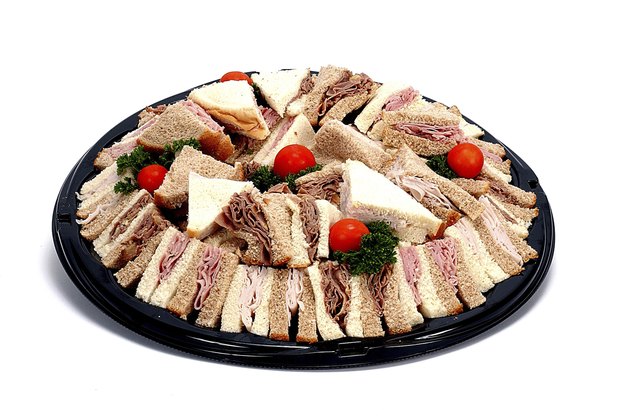
A sandwich lunch buffet is one of the easiest ways to feed a crowd without spending the entire event trapped in the kitchen. Instead of guessing whether every guest wants turkey, roast beef, extra pickles, no onions, or enough mustard to repaint a school bus, you provide the ingredients and let everyone build a sandwich they actually want.
The concept works for office lunches, birthday parties, graduation celebrations, family reunions, bridal showers, game days, and casual weekend gatherings. It is flexible, affordable, and easy to scale. More importantly, a well-organized sandwich buffet feels abundant without requiring complicated cooking.
Success, however, depends on more than dropping a package of deli meat next to a loaf of bread. You need sensible quantities, a smooth serving order, varied ingredients, clear labels, and a plan for keeping perishable foods cold. Here is how to set up a sandwich lunch buffet that looks inviting, moves efficiently, and keeps guests happily occupied with the serious business of sandwich construction.
Start With a Simple Guest Count
Before buying anything, determine how many adults and children you expect. Also consider the time of day, length of the gathering, and appetite level of the crowd. A noon office meeting may require less food than a post-game lunch attended by hungry teenagers who view six-foot party subs as personal challenges.
For a buffet serving sandwiches as the main meal, plan approximately one to one-and-a-half full sandwiches per adult. Children may eat one-half to one sandwich, depending on age. Preparing a little extra is wise when the event lasts several hours or when sandwiches are the only substantial food available.
A Practical Quantity Formula
For each full sandwich, allow approximately:
- Two slices of bread or one roll
- Three ounces of deli meat or another protein
- One to two ounces of cheese
- Two teaspoons of spread or dressing
- A small handful of vegetables and garnishes
One commonly used planning estimate is about one-and-a-half sandwiches per guest, with roughly three ounces of meat and one-and-a-half to two ounces of cheese per sandwich. These figures provide a useful starting point, although actual needs depend on the crowd and the number of side dishes.
For 20 adults, for example, you could prepare enough ingredients for approximately 30 sandwiches. That equals about 60 bread slices or 30 rolls, five to six pounds of assorted meat, and two-and-a-half to three pounds of cheese. Add more bread if you expect guests to make smaller sandwiches or return for seconds.
Choose Two or Three Types of Bread
Bread is the foundation of the buffet, but offering seven varieties creates more shopping, more crumbs, and more half-empty packages. Two or three thoughtfully selected options are usually enough.
A balanced bread selection might include:
- Soft white or wheat sandwich bread
- Sub rolls, ciabatta rolls, or mini brioche buns
- A whole-grain, rye, or seeded option
- Gluten-free bread stored separately when needed
Choose sturdy bread that can hold fillings without collapsing. Very thin bread may become soggy under tomatoes, pickles, and generous spoonfuls of dressing. If using large rolls, consider cutting them in half so guests can sample more than one filling combination.
Slice fresh loaves shortly before serving rather than many hours in advance. Keep bread covered with a clean cloth, food-safe wrap, or a lidded basket so it does not dry out. Bread does not need refrigeration, which makes it the perfect first station in the buffet line.
Offer a Focused Selection of Sandwich Proteins
Three or four protein choices provide variety without turning your buffet into a full-service delicatessen. Select familiar options with different flavors and textures.
Popular Meat Choices
- Roasted turkey breast
- Smoked or honey ham
- Roast beef
- Grilled or rotisserie chicken
- Salami or another Italian-style deli meat
Turkey and ham are dependable crowd favorites, so purchase larger quantities of those and smaller amounts of stronger-flavored choices such as salami or peppered roast beef. Fold or loosely roll the slices on platters instead of leaving them in dense stacks. Guests can pick up individual portions more easily, and the display looks considerably more appealing.
Include a Real Meatless Option
A cheese sandwich technically qualifies as vegetarian, but it does not always feel like a complete meal. Offer at least one substantial meat-free filling, such as:
- Hummus
- Chickpea salad
- Egg salad
- Marinated or roasted vegetables
- Fresh mozzarella with tomato and basil
- Mashed avocado with white beans
Place vegetarian fillings on their own platter with separate serving utensils. This makes them easier to identify and reduces accidental contact with meat products.
Add Two or Three Cheeses
Cheese adds richness, saltiness, and enough personality to rescue even a sandwich that has been assembled with questionable structural judgment.
Choose cheeses that complement your proteins:
- Cheddar for ham, turkey, and vegetable sandwiches
- Swiss for roast beef, ham, and rye bread
- Provolone for Italian meats and sub rolls
- Pepper jack for guests who enjoy heat
- Mozzarella for chicken, tomato, and pesto combinations
Pre-sliced cheese is convenient, but separate the slices before placing them on the buffet. Nobody wants to spend lunch wrestling a fused cheddar brick while twelve coworkers wait behind them.
Build a Colorful Vegetable Station
Fresh vegetables make the buffet look abundant while allowing guests to add crunch, acidity, and freshness. Arrange them in shallow bowls or divided trays so the colors remain distinct.
Useful sandwich toppings include:
- Leaf lettuce or shredded romaine
- Thinly sliced tomatoes
- Red or sweet onions
- Cucumbers
- Pickles
- Banana peppers or jalapeños
- Roasted red peppers
- Olives
- Coleslaw
- Avocado slices
- Fresh sprouts or microgreens
Wash and thoroughly dry produce before arranging it. Excess water can make lettuce limp and bread soggy. Slice tomatoes close to serving time, and place especially juicy ingredients in bowls with slotted spoons or small tongs.
Provide Familiar and Flavorful Condiments
Start with the classics: mayonnaise, yellow mustard, and Dijon mustard. Then add two or three flavorful spreads so guests can create more interesting combinations.
Good choices include:
- Pesto
- Garlic aioli
- Chipotle mayonnaise
- Honey mustard
- Horseradish sauce
- Ranch dressing
- Olive tapenade
- Cranberry spread
- Oil and red wine vinegar
Transfer condiments into labeled squeeze bottles or small bowls. Squeeze bottles reduce spills and speed up the serving line, while small jars or ceramic bowls create a more polished presentation. Provide a separate spoon or spreader for every bowl.
Arrange the Buffet in the Right Order
The buffet should follow the same sequence people use to build a sandwich. A logical arrangement reduces backtracking, collisions, and the mysterious traffic jams that form whenever someone realizes the pickles were three stations behind them.
Arrange the table in this order:
- Plates and napkins
- Bread and rolls
- Spreads and condiments
- Meats and vegetarian proteins
- Cheeses
- Fresh vegetables
- Pickles, peppers, and specialty toppings
- Side dishes
- Wrapped utensils, if needed
Professional buffet guidance similarly recommends placing bread before cold cuts when guests are assembling deli sandwiches. For larger gatherings, a double-sided table can allow guests to serve themselves from both directions and reduce congestion.
Place drinks and desserts on separate tables whenever space permits. Otherwise, guests trying to refill lemonade will cross paths with people balancing open sandwiches, which is how accidental modern art appears on tablecloths.
Add Easy Side Dishes
A sandwich buffet does not need six complicated sides. Choose two or three dishes that can be prepared ahead and served easily.
Reliable options include:
- Potato salad, pasta salad, or coleslaw
- Chips, pretzels, or popcorn
- A vegetable tray with dip
- Fresh fruit salad or whole fruit
- Pickle spears and olives
- A green salad
- Cookies, brownies, or dessert bars
A fruit tray adds color and can double as a light dessert. A general party-planning guideline is approximately one-half to one cup of fruit per guest when fruit is served as a featured tray.
Place chips and other dry snacks toward the end of the line so guests do not bury their sandwich ingredients under a landslide of potato chips before reaching the cheese.
Label Ingredients and Dietary Options
Small labels make the buffet easier to navigate and reduce repeated questions. Identify meats, cheeses, specialty sauces, vegetarian fillings, and common allergens. Labels are especially helpful when two spreads look identical but one contains horseradish and the other contains enough chipotle to reorganize a guest’s afternoon.
Ask about serious food allergies and dietary restrictions before planning the menu. Gluten-free, dairy-free, vegetarian, and allergy-conscious items should be kept separate, covered when possible, and supplied with dedicated utensils.
Cross-contact can occur when serving spoons, knives, preparation surfaces, or other foods transfer an allergen to an otherwise safe item. Preparing allergy-conscious foods first and keeping them physically separate can reduce this risk.
For a guest with a severe allergy, a separately prepared and individually wrapped meal may be safer than expecting that person to navigate a shared buffet.
Keep Cold Ingredients at Safe Temperatures
Deli meat, cheese, egg salad, chicken salad, mayonnaise-based sides, and cut produce should remain refrigerated until shortly before the meal. Cold foods should be held at 40°F or colder. When a buffet will remain open for more than two hours, place serving dishes over ice or bring out smaller portions and replenish them from the refrigerator.
Perishable food should generally be discarded after two hours at room temperature. When the surrounding temperature is above 90°F, such as at an outdoor summer party, the limit drops to one hour.
Use shallow bowls nestled into larger containers of ice for meat, cheese, salads, and creamy spreads. Smaller serving platters are often better than one enormous tray because fresh, chilled replacements can be brought out as needed. Penn State Extension also recommends placing a small bowl of cold food inside a larger bowl filled with ice during warm-weather gatherings.
Give every dish its own clean utensil. Replace dropped or heavily handled utensils promptly, and do not add fresh food directly on top of food that has been sitting on the buffet. Use a clean platter instead. Guidance for serving crowds emphasizes separate utensils for each item and clean replacement containers when replenishing food.
Prepare the Buffet Without Last-Minute Panic
One or Two Days Before
- Confirm the guest count and dietary needs.
- Shop for shelf-stable ingredients, drinks, paper goods, and decorations.
- Prepare sauces, desserts, and sturdy side dishes.
- Wash serving platters, bowls, tongs, and labels.
The Morning of the Event
- Wash and dry vegetables.
- Prepare salads and refrigerated fillings.
- Separate cheese and meat slices.
- Fill condiment bottles or bowls.
- Set up the empty buffet table.
Thirty Minutes Before Lunch
- Slice bread and arrange it in baskets.
- Fill ice trays or cold serving stations.
- Place vegetables and toppings in their bowls.
- Bring out the first small platters of meat and cheese.
- Add labels and serving utensils.
- Take a photograph before the hungry crowd arrives.
Sample Shopping List for 20 Adults
This sample assumes sandwiches are the main meal and several side dishes are available:
- 60 slices of assorted bread or 30 medium rolls
- Two-and-a-half pounds of turkey
- One-and-a-half pounds of ham
- One-and-a-half pounds of roast beef or chicken
- Two-and-a-half to three pounds of assorted cheese
- One large container of hummus or another vegetarian filling
- Two heads of lettuce or two bags of prepared greens
- Six to eight tomatoes
- Two onions
- Two cucumbers
- Two jars of pickles or peppers
- Three to five condiments and specialty spreads
- Two large bags of chips
- One substantial salad
- Eight to ten cups of prepared fruit
- Two dozen cookies or dessert bars
Adjust the list according to the guest mix. Increase meat, bread, and chips for teenagers or very active guests. Reduce quantities when the buffet includes soup, several salads, appetizers, or a large dessert selection.
Conclusion
Learning how to setup a sandwich lunch buffet is mostly about making smart choices before guests arrive. Offer a limited but appealing selection, calculate realistic portions, arrange ingredients in assembly order, and keep cold foods properly chilled. The result is a lunch that accommodates different tastes without requiring you to prepare individual meals.
Guests get to customize their plates, the host gets to enjoy the gathering, and the leftovers can usually become tomorrow’s lunch. That is considerably better than spending the afternoon taking sandwich orders like an unpaid short-order cook.
Host’s Field Notes: What Actually Works in Real Life
The first lesson experienced hosts learn is that guests rarely divide their attention equally among every ingredient. Turkey, ham, cheddar, lettuce, mayonnaise, and familiar bread usually disappear first. More adventurous ingredients create visual interest, but they should be purchased in smaller quantities. A pound of pepper-crusted specialty meat may inspire excitement; five pounds of it may inspire a long-term freezer commitment.
Another useful discovery is that smaller platters make the buffet look fresher. Instead of putting every slice of meat and cheese on the table at once, start with half the supply and keep the remainder covered in the refrigerator. Refill the station when the trays become low. The ingredients stay colder, the table remains tidy, and late-arriving guests do not have to choose from pieces that have been examined by the entire neighborhood.
Buffet flow matters more than elaborate decorations. At one family lunch, placing the drinks beside the bread created a human traffic circle. Guests carrying cups blocked people trying to begin their sandwiches, while children repeatedly entered the line to obtain more lemonade. Moving beverages to a separate table solved the problem immediately. A simple layout change often improves an event more than another decorative centerpiece.
Pre-separating cheese is another small task with a large payoff. Cheese slices tend to cling together when cold, especially when removed directly from tightly packed commercial containers. Separating and slightly overlapping them on a tray saves each guest several awkward seconds. Across 20 or 30 people, those seconds determine whether the buffet line moves smoothly or resembles airport security on a holiday weekend.
It is also wise to provide more tongs and spoons than you think you need. Utensils get dropped, moved to the wrong bowl, buried under napkins, or carried away on plates by distracted guests. Keeping several clean replacements nearby prevents frantic searching and helps reduce cross-contact between ingredients.
Labels should be large enough to read before someone reaches the front of the line. Tiny handwritten cards may look charming in photographs, but guests will still stop and ask whether a bowl contains garlic mayonnaise, ranch dressing, or vanilla frosting. Use short, clear names and mention major allergens when relevant.
Do not underestimate the appeal of a suggested-combination sign. Some guests love designing elaborate sandwiches, while others become temporarily overwhelmed when confronted with twelve bowls of toppings. A small card can recommend combinations such as “Turkey, cheddar, lettuce, tomato, and honey mustard” or “Hummus, cucumber, roasted pepper, spinach, and pesto.” Suggestions speed up decisions without limiting creativity.
Finally, prepare a leftover plan before the party. Keep clean storage containers, labels, and refrigerator space available. Do not save perishable ingredients that have remained at unsafe temperatures, but promptly refrigerate foods that were held cold and handled properly. Bread can be frozen, vegetables can become salads, and deli meat can be portioned for future lunches. Good planning allows the sandwich buffet to feed everyone generously without transforming the host’s refrigerator into a museum of unidentified containers.
The most successful sandwich lunch buffet is not necessarily the most expensive or elaborate one. It is the buffet where guests understand the layout, find something they enjoy, move through the line comfortably, and return for seconds without needing assistance. When that happens, the host can finally make a sandwich, sit down, and join the eventwhich is the entire point of choosing an easy buffet in the first place.
Note: Serving quantities are practical planning estimates. Adjust them for the ages, appetites, dietary needs, event duration, and number of side dishes at your gathering.